continuous laser example-0

Continuous Laser Example: Advanced Technology for Superior Performance and Efficiency

Get a Free Quote

Our representative will contact you soon.
Email
Name
Company Name
Message
0/1000

continuous laser example

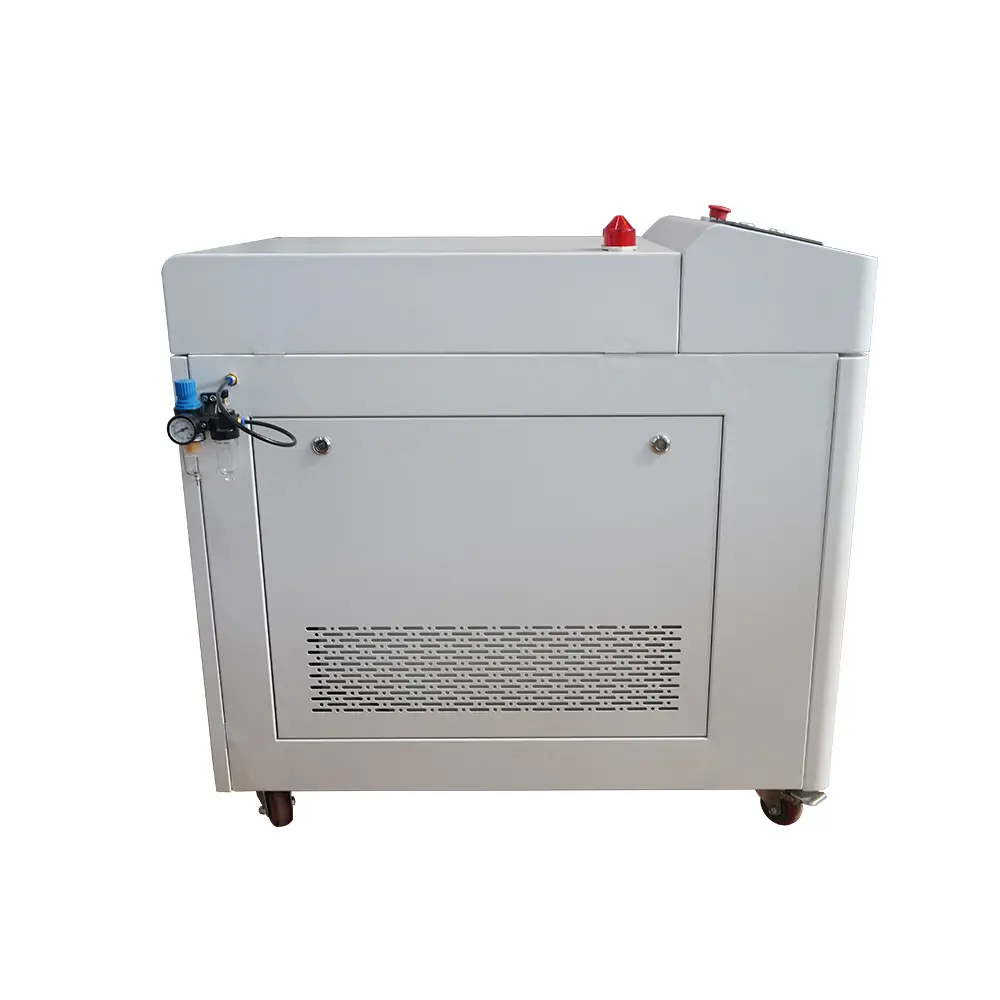
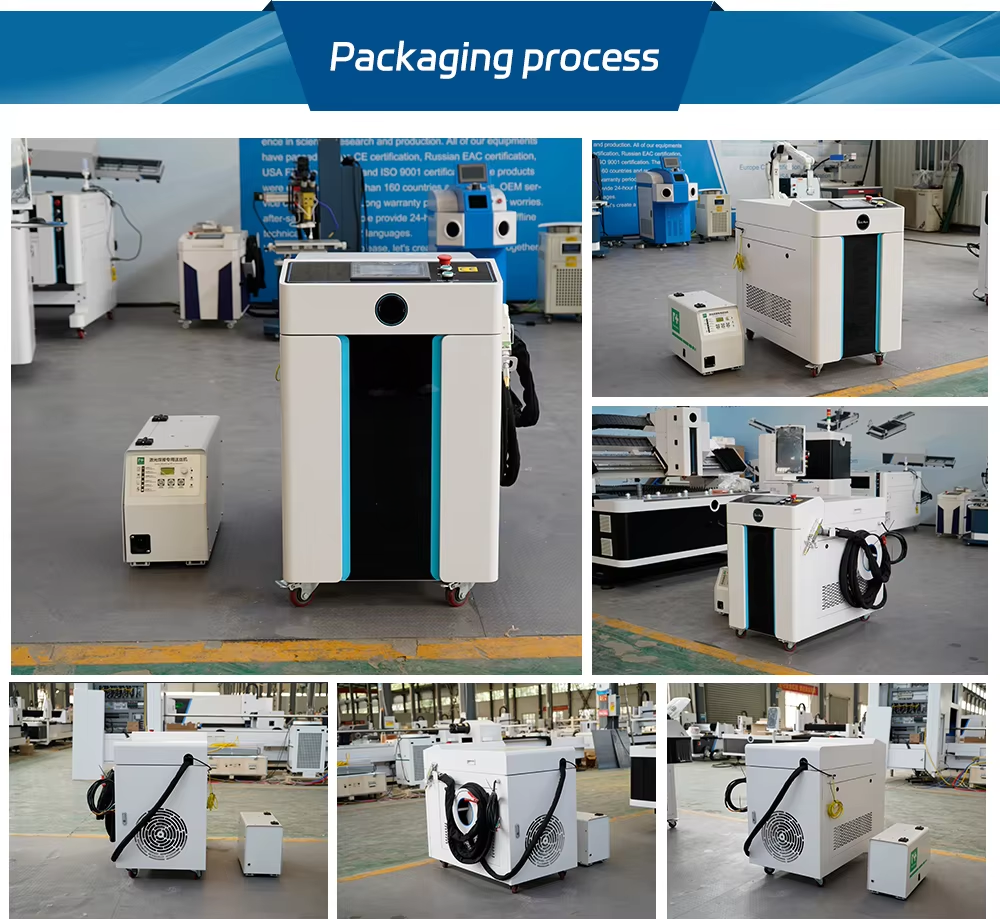
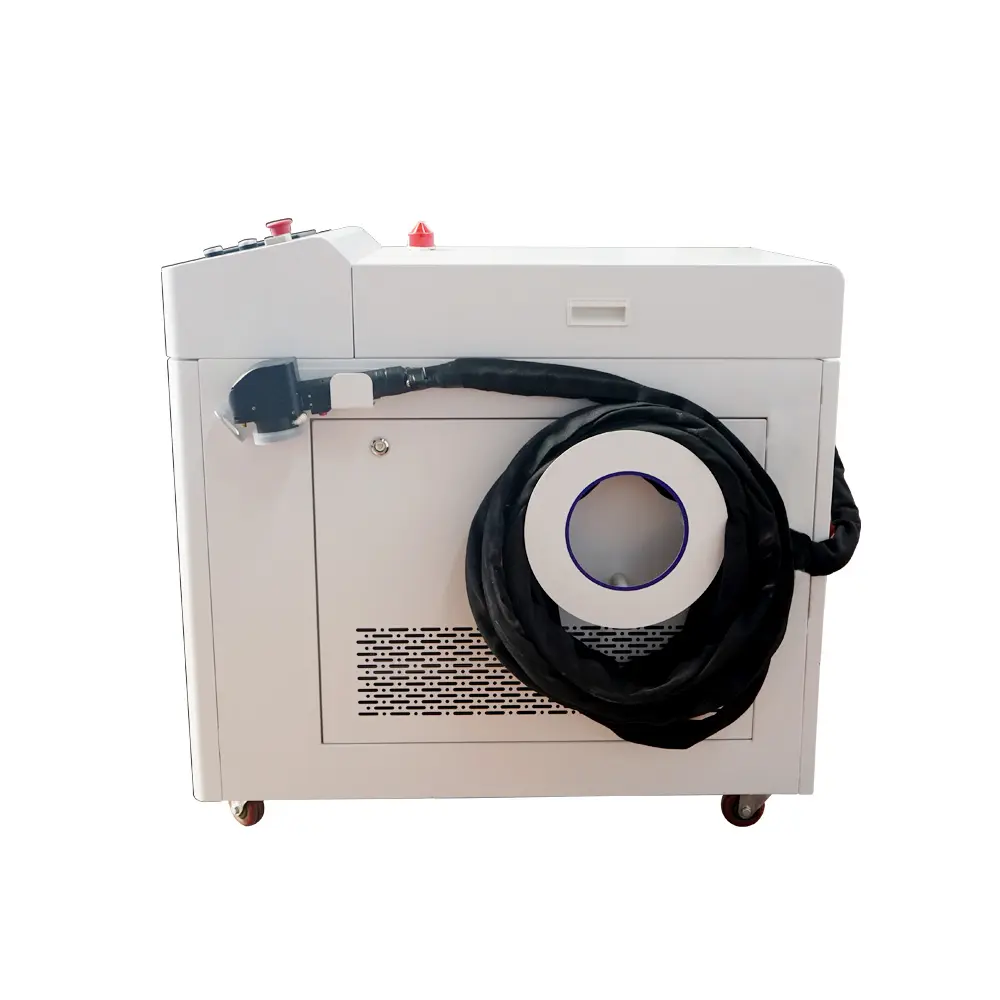
A continuous laser example represents a revolutionary advancement in photonic technology, delivering uninterrupted optical output that maintains consistent power levels throughout operation. Unlike pulsed laser systems that emit energy in discrete bursts, this continuous laser example provides steady, reliable beam emission that enables precise control over various industrial and scientific processes. The fundamental principle behind a continuous laser example involves sustained population inversion within the gain medium, where stimulated emission occurs continuously rather than in periodic intervals. This technological approach ensures stable optical characteristics, including wavelength consistency, beam quality, and power stability that remain constant during extended operational periods. The continuous laser example incorporates sophisticated thermal management systems to handle heat dissipation effectively, preventing performance degradation that could compromise output quality. Advanced feedback control mechanisms monitor beam parameters in real-time, automatically adjusting operational conditions to maintain optimal performance standards. Modern continuous laser example designs integrate cutting-edge diode pumping technology, significantly improving electrical efficiency while reducing operational costs. The resonator cavity construction utilizes high-quality optical components, including precision mirrors and beam-shaping elements that ensure superior beam quality and spatial mode control. Temperature stabilization systems maintain the gain medium at optimal operating conditions, preventing thermal fluctuations that could affect laser performance. The continuous laser example demonstrates exceptional reliability through robust construction methods and comprehensive quality control measures during manufacturing. Sophisticated control electronics provide precise current regulation and temperature monitoring, enabling users to achieve repeatable results across various applications. Integration capabilities allow seamless incorporation into existing systems, with standardized interfaces and communication protocols that facilitate easy setup and operation. The continuous laser example offers scalable power options, accommodating diverse application requirements from laboratory research to high-volume manufacturing processes.

Popular Products

The continuous laser example delivers substantial benefits that transform operational efficiency across multiple industries and applications. Primary advantages begin with exceptional stability, where consistent power output eliminates variations that could compromise process quality or experimental accuracy. This stability translates directly into improved product consistency, reduced waste, and enhanced manufacturing yields for businesses implementing continuous laser example technology. Energy efficiency represents another significant advantage, as the continuous laser example converts electrical power into optical energy more effectively than traditional laser systems. This efficiency reduces operational costs substantially, particularly in high-volume applications where energy consumption directly impacts profitability. The continuous operation capability eliminates downtime associated with pulse timing considerations, enabling faster processing speeds and increased throughput rates. Maintenance requirements decrease significantly with continuous laser example systems, as fewer mechanical components and simplified operational cycles reduce wear and tear on critical components. This reliability translates into lower total cost of ownership, reduced service interruptions, and improved production scheduling predictability. Precision control capabilities enable users to achieve exact specifications consistently, whether for material processing, scientific measurements, or quality inspection applications. The continuous laser example provides superior beam quality characteristics, including excellent spatial mode properties and minimal beam divergence, resulting in sharper focusing capabilities and more precise energy delivery. Thermal stability features prevent power fluctuations caused by temperature variations, ensuring consistent results regardless of environmental conditions or extended operation periods. Integration flexibility allows easy incorporation into automated systems, with programmable controls that enable remote operation and process monitoring. Safety features built into continuous laser example designs include comprehensive monitoring systems, automatic shutdown protocols, and user-friendly safety interlocks that protect both operators and equipment. Cost-effectiveness emerges through reduced consumable requirements, lower maintenance expenses, and improved process efficiency that maximizes return on investment. The continuous laser example demonstrates exceptional longevity, with robust construction methods and high-quality components that provide years of reliable service with minimal degradation in performance characteristics.

Latest News

How do I ensure the safety of operators when using a laser drilling machine?

19

Nov

How do I ensure the safety of operators when using a laser drilling machine?

Laser drilling machines have revolutionized precision manufacturing across industries, offering unparalleled accuracy and efficiency for creating micro-holes in various materials. However, the powerful laser beams used in these systems pose significa...
View More
What are the advantages of using a laser welding machine over traditional welding methods?

19

Nov

What are the advantages of using a laser welding machine over traditional welding methods?

Modern manufacturing processes continue to evolve with technological advancements, and welding technology stands at the forefront of this transformation. Among the most significant developments in recent years is the emergence of the laser welding ma...
View More
Common Field Lens Problems and Solutions

21

Oct

Common Field Lens Problems and Solutions

Understanding the Complexities of Field Lens Performance Field lenses play a crucial role in optical systems, serving as vital components that help collect and direct light effectively. These specialized optical elements are designed to improve image...
View More
Top 5 Beam Expander Applications in Laser Systems

21

Oct

Top 5 Beam Expander Applications in Laser Systems

Understanding the Revolutionary Impact of Laser Beam Expansion Technology Modern laser systems have transformed numerous industries, from medical procedures to advanced manufacturing. At the heart of many of these applications lies a crucial optical ...
View More

Get a Free Quote

Our representative will contact you soon.
Email
Name
Company Name
Message
0/1000

continuous laser example

Unmatched Operational Stability and Consistency

Unmatched Operational Stability and Consistency

The continuous laser example achieves unprecedented operational stability through advanced engineering solutions that address the fundamental challenges of sustained laser operation. This stability begins with sophisticated thermal management systems that maintain optimal operating temperatures across all critical components, preventing the thermal cycling effects that plague many laser technologies. The continuous laser example incorporates precision temperature controllers that monitor and adjust heating and cooling systems in real-time, ensuring that the gain medium operates within narrow temperature ranges that optimize efficiency and output consistency. Active cooling systems remove excess heat generated during operation, while thermal barriers prevent external temperature fluctuations from affecting internal components. The result is a continuous laser example that maintains consistent power output, wavelength stability, and beam quality characteristics regardless of ambient conditions or operational duration. Power regulation systems within the continuous laser example utilize advanced feedback control loops that continuously monitor output parameters and make micro-adjustments to maintain specified performance levels. These systems respond to minute variations in electrical supply, component aging, or environmental factors that could otherwise affect laser performance. The continuous laser example demonstrates remarkable consistency in beam pointing stability, with mechanical mounting systems that eliminate vibration-induced beam wandering and optical alignment drift. Precision manufacturing tolerances ensure that all optical components maintain their relative positions within extremely tight specifications, contributing to the overall stability of the continuous laser example output. Long-term stability testing demonstrates that continuous laser example systems maintain their specified performance parameters over thousands of operational hours, with minimal degradation in key characteristics such as power output, beam quality, and wavelength accuracy. This exceptional stability translates directly into improved process control for manufacturing applications, more accurate measurements in scientific research, and enhanced reliability in critical systems where consistent laser performance is essential for successful outcomes.
Superior Energy Efficiency and Cost-Effective Operation

Superior Energy Efficiency and Cost-Effective Operation

The continuous laser example revolutionizes energy consumption patterns in laser technology through innovative design approaches that maximize electrical-to-optical conversion efficiency while minimizing operational costs. Advanced pumping architectures within the continuous laser example utilize state-of-the-art laser diodes that operate at optimal wavelengths for maximum absorption by the gain medium, significantly reducing the electrical power required to achieve desired optical output levels. This efficiency improvement translates directly into reduced electricity costs, making the continuous laser example an economically attractive solution for high-duty-cycle applications. Sophisticated power management systems optimize electrical consumption by automatically adjusting pumping power based on real-time output requirements, ensuring that the continuous laser example operates at peak efficiency across varying load conditions. The elimination of pulse-generation electronics and associated power losses contributes to the overall efficiency advantages of the continuous laser example, as energy is delivered continuously rather than through inefficient switching processes. Thermal efficiency improvements result from optimized heat dissipation strategies that minimize energy waste while maintaining optimal operating temperatures throughout the continuous laser example system. Advanced cooling systems operate only when necessary, further reducing electrical consumption while ensuring component longevity and performance stability. The continuous laser example demonstrates superior cost-effectiveness through reduced maintenance requirements, as simplified operational cycles minimize wear on critical components and extend service intervals. Consumable costs decrease significantly with continuous laser example technology, as fewer replacement parts are required and component lifetimes extend substantially compared to alternative laser technologies. Operational flexibility allows users to optimize the continuous laser example for specific applications, adjusting parameters to achieve the best balance between performance and energy consumption for their particular requirements. Return on investment calculations consistently favor the continuous laser example due to lower operational costs, reduced maintenance expenses, and improved process efficiency that translates into higher productivity and profitability. Total cost of ownership analyses demonstrate that the continuous laser example provides superior value over its operational lifetime, with initial equipment costs offset by substantial savings in energy consumption, maintenance requirements, and operational efficiency improvements.
Advanced Precision Control and Versatile Application Capabilities

Advanced Precision Control and Versatile Application Capabilities

The continuous laser example incorporates sophisticated control systems that enable unprecedented precision in laser parameter management, opening new possibilities for demanding applications across diverse industries. Advanced control electronics provide real-time monitoring and adjustment of critical parameters including power output, beam quality, wavelength stability, and thermal conditions, ensuring that the continuous laser example maintains optimal performance characteristics under all operating conditions. Programmable control interfaces allow users to create custom operational profiles that automatically adjust laser parameters based on specific application requirements, enabling the continuous laser example to adapt seamlessly to varying process demands. Precision feedback systems continuously monitor output characteristics and make micro-adjustments to maintain specified performance levels, ensuring that the continuous laser example delivers consistent results regardless of environmental variations or component aging effects. The modular design architecture of the continuous laser example facilitates easy integration into existing systems while providing scalability options that accommodate future expansion requirements. Standardized communication protocols enable seamless connectivity with automated control systems, allowing the continuous laser example to function as an integral component of sophisticated manufacturing or research installations. Remote monitoring capabilities provide real-time status information and diagnostic data, enabling preventive maintenance scheduling and system optimization without interrupting ongoing operations. The continuous laser example demonstrates exceptional versatility through its ability to operate across wide parameter ranges while maintaining superior performance characteristics, making it suitable for applications ranging from precision material processing to advanced scientific research. Beam shaping capabilities built into the continuous laser example allow users to optimize spatial energy distribution for specific applications, whether requiring tight focusing for precision cutting or uniform illumination for surface treatment processes. Safety integration features ensure that the continuous laser example operates within all relevant safety standards while providing comprehensive protection for operators and equipment through intelligent monitoring systems and automatic safety interlocks. Application-specific optimization options enable users to configure the continuous laser example for maximum performance in their particular use case, whether prioritizing power output, beam quality, stability, or efficiency based on specific operational requirements. The continuous laser example supports both manual and automated operation modes, providing flexibility for research applications that require hands-on control as well as production environments that demand fully automated operation.

Get a Free Quote

Our representative will contact you soon.
Email
Name
Company Name
Message
0/1000