 EN
EN
 AR
AR
 FR
FR
 DE
DE
 JA
JA
 KO
KO
 RU
RU
 ES
ES


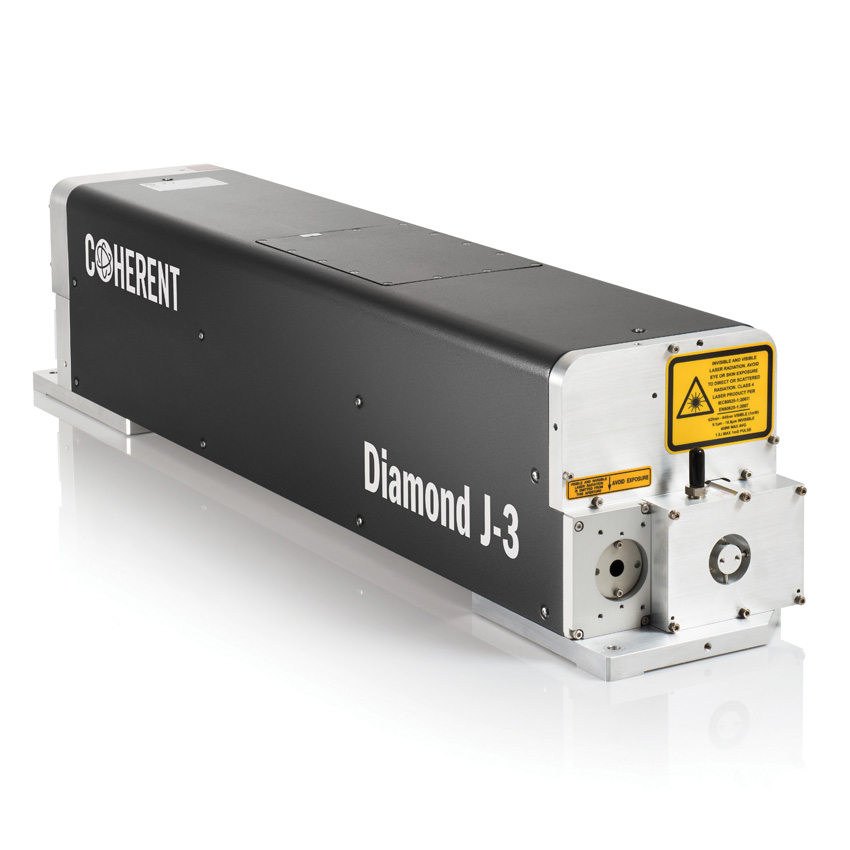
When evaluating laser equipment for industrial applications, price remains one of the most critical decision factors. The market offers laser equipment across a wide spectrum, from budget-friendly entry-level systems to premium high-performance machines. Understanding what drives these price differences and how they translate into operational capabilities is essential for making a cost-effective investment. This guide breaks down the fundamental distinctions between budget and premium laser equipment, examining the technical, operational, and financial dimensions that separate these categories.
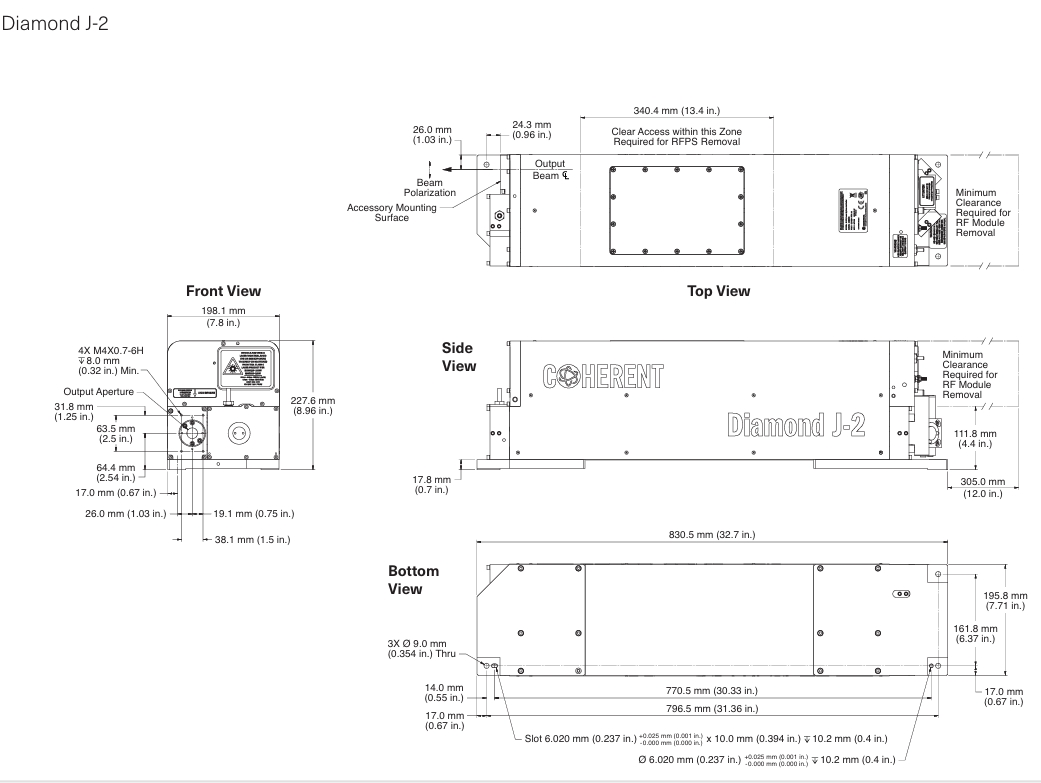
Budget laser equipment typically ranges from entry-level fiber laser cutters priced around fifteen thousand dollars to mid-range CO2 laser equipment in the forty to sixty thousand dollar range. Premium laser equipment often starts at one hundred thousand dollars and can exceed five hundred thousand dollars for advanced multi-axis systems with integrated automation. These price tiers reflect significant differences in laser source quality, mechanical precision, control systems, and production throughput. Recognizing where your operational requirements align with these price brackets helps avoid both overspending on unnecessary capabilities and underinvesting in critical performance features.
Core Components Driving Laser Equipment Price Differences
Laser Source Technology and Power Output
The laser source represents the single largest cost component in laser equipment. Budget laser equipment commonly uses lower-power laser sources, often ranging from thirty to one hundred fifty watts for marking applications or five hundred to fifteen hundred watts for cutting thin materials. These sources may come from tier-two manufacturers with shorter warranty periods and higher long-term maintenance requirements. Premium laser equipment typically features high-power laser sources from established manufacturers like IPG, Coherent, or Trumpf, delivering two thousand to six thousand watts or more with extended operational lifespans exceeding fifty thousand hours. The laser equipment quality directly correlates with source reliability, beam quality metrics like M-squared values below 1.1, and consistent power stability across temperature ranges.
Motion Control and Mechanical Precision
Budget laser equipment often uses commercial-grade stepper motors and simpler gantry designs with positioning accuracy around plus-or-minus fifty microns. Premium laser equipment incorporates servo motor systems with linear encoders, achieving positioning repeatability within plus-or-minus ten microns and acceleration rates three to five times higher. The mechanical framework differs substantially as well. Budget laser equipment may use welded steel frames adequate for light-duty work but prone to thermal drift and vibration. Premium laser equipment employs cast iron beds or granite base structures with active vibration damping, ensuring dimensional stability critical for precision applications. This mechanical foundation affects not only cut quality but also the long-term accuracy retention of the laser equipment over years of operation.
Control Systems and Software Capabilities
Control architecture separates budget from premium laser equipment in operational flexibility. Budget laser equipment typically includes basic CNC controllers with limited CAM integration, requiring manual parameter adjustment for different materials and thicknesses. Premium laser equipment features advanced control platforms with automatic parameter databases, real-time adaptive control adjusting power and speed based on thermal feedback, and seamless integration with enterprise CAD/CAM/ERP systems. The software ecosystem surrounding premium laser equipment often includes nesting optimization, remote diagnostics, predictive maintenance algorithms, and production analytics dashboards. These capabilities translate into reduced setup time, lower scrap rates, and higher overall equipment effectiveness compared to budget laser equipment that relies more heavily on operator expertise.
Operational Cost Implications Beyond Initial Price
Energy Efficiency and Consumable Costs
Energy consumption patterns differ significantly between budget and premium laser equipment. Budget laser equipment, particularly older CO2 systems, may consume fifteen to twenty-five kilowatts during operation with lower wall-plug efficiency around ten to fifteen percent. Premium fiber laser equipment achieves wall-plug efficiency exceeding thirty percent, translating to substantially lower electrical costs over the equipment lifespan. Consumable costs also vary considerably. Budget laser equipment may require more frequent lens replacements, protective window changes, and assist gas consumption due to less efficient cutting parameters. Premium laser equipment optimizes gas usage through advanced flow control and often includes automatic nozzle-changing systems that extend consumable life. When comparing laser equipment options, calculating five-year total cost of ownership rather than focusing solely on acquisition price reveals the true economic difference.
Maintenance Requirements and Downtime Costs
Maintenance demands create ongoing cost differentials between budget and premium laser equipment. Budget laser equipment often requires weekly alignment checks, monthly optics cleaning, and more frequent component replacements, potentially demanding ten to fifteen hours monthly maintenance. Premium laser equipment typically features sealed beam paths, automatic alignment systems, and condition monitoring that reduces routine maintenance to five hours monthly or less. Downtime costs prove particularly significant in production environments. Budget laser equipment may experience unplanned downtime averaging five to eight percent of available production time due to component failures or calibration drift. Premium laser equipment designed with redundant systems and predictive maintenance capabilities often achieves uptime exceeding ninety-seven percent. For operations running two or three shifts, this reliability difference can offset the higher initial investment in premium laser equipment within eighteen to thirty months.
Application Suitability and Performance Trade-offs
Material Range and Thickness Capabilities
The material processing envelope differs substantially across laser equipment price tiers. Budget laser equipment handles common materials like carbon steel, stainless steel, and aluminum within limited thickness ranges, typically up to six millimeters for carbon steel and three millimeters for stainless with acceptable edge quality. Premium laser equipment extends this range to twenty-five millimeters or more in carbon steel while maintaining cut speeds two to four times faster than budget alternatives. Reflective materials like copper and brass present particular challenges. Budget laser equipment struggles with these materials due to lower beam quality and less sophisticated power control, often producing inconsistent results or requiring multiple passes. Premium laser equipment incorporates wavelength options, beam shaping capabilities, and real-time power modulation that enable single-pass processing of reflective materials with minimal heat-affected zones.
Production Volume and Throughput Requirements
Production demands should drive the budget-versus-premium decision for laser equipment. Budget laser equipment suits job shops, prototyping operations, or businesses processing fewer than forty hours weekly with modest throughput expectations. The slower cutting speeds, longer setup times, and higher operator intervention requirements make budget laser equipment economically viable only at lower production volumes. Premium laser equipment targets manufacturing environments running one hundred twenty to one hundred sixty hours weekly where throughput directly impacts revenue. The combination of faster rapids, quicker pierce times, automatic material handling, and reduced setup delivers three to five times the daily part output compared to budget laser equipment. For high-mix low-volume production, premium laser equipment with advanced nesting and automated tool-changing justifies the investment through reduced lead times and increased capacity utilization.
Quality Standards and Industry Certifications
Industries with stringent quality requirements often necessitate premium laser equipment regardless of volume. Aerospace, medical device, and automotive tier-one suppliers typically mandate laser equipment with full process documentation, statistical process control integration, and certifications like ISO 9001 or AS9100 compliance. Budget laser equipment rarely includes the sensors, data logging, or traceability features required for these quality systems. Premium laser equipment provides built-in quality assurance through real-time monitoring of laser power, cut speed, assist gas pressure, and focal position with automatic deviation alerts and part rejection protocols. The documentation capabilities and process repeatability of premium laser equipment reduce inspection requirements and enable lights-out manufacturing in regulated industries where budget laser equipment would require constant supervision.
FAQ
What is the typical price difference between budget and premium laser equipment?
Budget laser equipment for industrial cutting applications typically ranges from fifteen thousand to sixty thousand dollars, while premium laser equipment starts around one hundred thousand dollars and extends to five hundred thousand dollars or more. The price differential reflects differences in laser source quality, mechanical precision, automation capabilities, and expected operational lifespan. Budget laser equipment often delivers fifty thousand to eighty thousand operational hours, whereas premium laser equipment is engineered for one hundred thousand hours or more with lower degradation rates.
How does laser equipment price correlate with cutting speed and productivity?
Premium laser equipment typically cuts two to five times faster than budget alternatives due to higher laser power, superior beam quality, and faster acceleration rates. For example, cutting three-millimeter stainless steel, budget laser equipment might achieve eight hundred millimeters per minute while premium laser equipment reaches three thousand millimeters per minute or higher. This speed advantage, combined with faster job setup and reduced downtime, means premium laser equipment can process three to four times more parts daily, significantly improving return on investment in high-volume production environments.
Can budget laser equipment meet the same quality standards as premium systems?
Budget laser equipment can produce acceptable quality for many applications but typically cannot match the dimensional accuracy, edge quality consistency, and process repeatability of premium laser equipment. Premium systems achieve positioning accuracy within ten microns versus fifty microns for budget alternatives, critical for tight-tolerance applications. Edge perpendicularity, surface roughness, and heat-affected zone control also favor premium laser equipment. For applications requiring ISO 9001 documentation, statistical process control, or aerospace-grade traceability, premium laser equipment becomes necessary as budget systems lack the sensors and data logging infrastructure to support these quality management requirements.