 EN
EN
 AR
AR
 FR
FR
 DE
DE
 JA
JA
 KO
KO
 RU
RU
 ES
ES


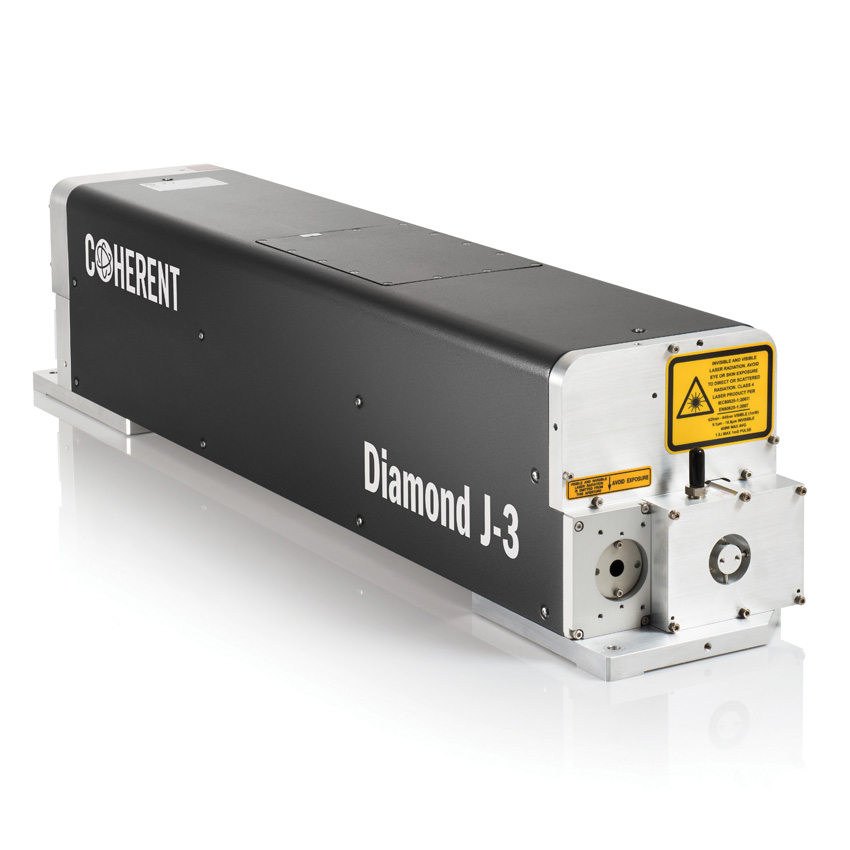
The future of laser equipment is being shaped by rapid technological advances that are transforming how industries cut, weld, mark, and clean materials. As manufacturing demands grow more complex, laser equipment continues to evolve beyond basic functionality into highly intelligent, adaptive, and energy-efficient systems. Understanding where this technology is heading helps procurement managers, engineers, and business leaders make informed decisions about capital investment and operational strategy.
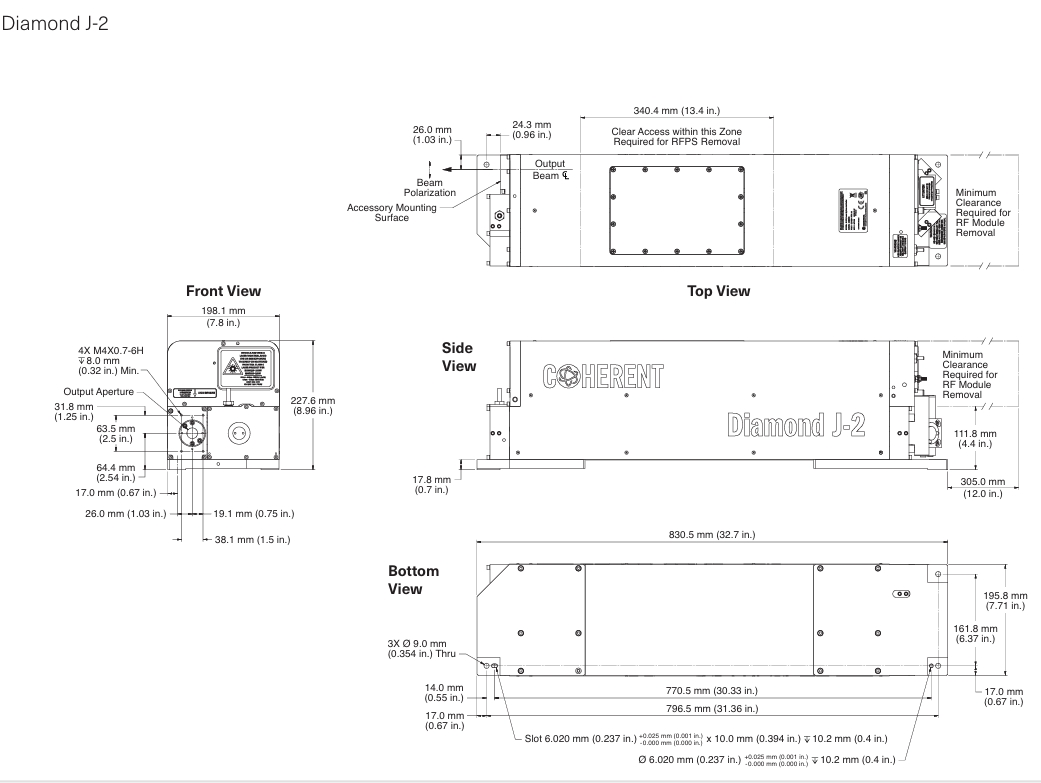
Laser equipment has already disrupted traditional manufacturing processes across automotive, aerospace, electronics, and metal fabrication industries. The next generation of laser equipment promises even greater precision, wider material compatibility, and smarter integration with digital production environments. This article explores the major technology trends that will define laser equipment development in the coming years.
Fiber and Ultrafast Laser Equipment Advancements
The Rise of High-Power Fiber Laser Equipment
Fiber laser equipment has become the dominant platform for industrial cutting and welding, and its evolution shows no signs of slowing. Modern fiber laser equipment delivers higher beam quality, greater wall-plug efficiency, and lower maintenance requirements compared to older CO2 systems. As power outputs continue to climb beyond 20 kW and beyond, fiber laser equipment enables faster processing speeds on thicker materials while maintaining edge quality. This makes high-power fiber laser equipment particularly valuable in heavy industry, shipbuilding, and structural steel fabrication where throughput and precision both matter.
Manufacturers of laser equipment are investing heavily in beam-shaping technologies that allow a single fiber laser equipment unit to handle multiple material types without hardware reconfiguration. Variable beam profiles, sometimes called adjustable ring-mode technology, give laser equipment operators the flexibility to switch between deep penetration welding and surface processing tasks with minimal downtime. This versatility is a key driver of adoption for laser equipment across mixed-production environments.
Ultrafast Laser Equipment for Micro-Processing
Picosecond and femtosecond laser equipment represents a critical growth area within precision manufacturing. Ultrafast laser equipment removes material through ablation rather than thermal melting, which eliminates heat-affected zones and allows processing of delicate substrates including glass, ceramics, and semiconductors. The demand for ultrafast laser equipment is accelerating as electronics miniaturization and medical device manufacturing require sub-micron precision. As pulse durations shorten and repetition rates increase, ultrafast laser equipment is becoming more commercially viable for high-volume production rather than just laboratory settings.
AI Integration and Smart Laser Equipment Systems
Intelligent Process Control in Laser Equipment
Artificial intelligence is fundamentally changing what laser equipment can do autonomously. Modern laser equipment platforms increasingly incorporate machine learning algorithms that monitor weld pools, detect cutting defects, and adjust process parameters in real time. This closed-loop intelligence allows laser equipment to self-correct during operation, reducing scrap rates and improving consistency across long production runs. AI-driven laser equipment systems can also learn from historical production data to optimize speed, power, and focus settings automatically, reducing reliance on skilled operators for routine calibration tasks.
Vision systems integrated into laser equipment now enable adaptive positioning, which means the laser equipment can compensate for material variation, thermal distortion, or fixture misalignment without stopping the production cycle. This level of process intelligence makes laser equipment a natural fit for high-mix, low-volume manufacturing environments where flexibility and repeatability are equally important. Predictive maintenance features embedded in newer laser equipment models further reduce unplanned downtime by flagging component wear before failure occurs.
Laser Equipment in Connected Factory Environments
Industry 4.0 connectivity is pushing laser equipment toward deeper integration with manufacturing execution systems and enterprise resource planning platforms. Laser equipment equipped with OPC-UA communication protocols can transmit real-time performance data to central dashboards, enabling plant managers to track utilization, energy consumption, and output quality remotely. This data-driven approach transforms laser equipment from isolated production tools into networked assets that contribute to factory-wide optimization strategies. As digital twin technology matures, virtual replicas of laser equipment installations will allow engineers to simulate process changes before implementation, reducing commissioning time and risk.
Sustainability and New Application Areas for Laser Equipment
Energy Efficiency Improvements in Laser Equipment
Sustainability is now a primary design consideration for laser equipment developers. New-generation laser equipment achieves significantly higher electrical-to-optical conversion efficiencies, which directly reduces energy consumption per unit of work performed. Diode-pumped laser equipment and direct-diode laser equipment platforms are gaining traction because they eliminate the intermediate conversion stages that waste energy in lamp-pumped or fiber-coupled systems. For facilities operating laser equipment at high duty cycles, these efficiency gains translate to meaningful reductions in operating costs and carbon footprint. Green manufacturing initiatives across Europe, North America, and Asia are creating regulatory and market pressure that accelerates adoption of more energy-efficient laser equipment designs.
Laser equipment is also replacing chemical and abrasive processes that generate hazardous waste. Laser cleaning equipment, for instance, removes rust, coatings, and contaminants using focused light without solvents or abrasives. As environmental compliance costs rise, industries are turning to laser equipment as a cleaner alternative that also delivers greater process consistency and operator safety improvements.
Expanding Application Scope of Laser Equipment
Emerging application areas are broadening the addressable market for laser equipment significantly. Additive manufacturing processes such as selective laser melting rely entirely on precision laser equipment to fuse metal powders into complex three-dimensional components. Battery manufacturing for electric vehicles depends heavily on laser equipment for electrode notching, tab welding, and casing sealing operations. In the medical sector, laser equipment enables minimally invasive surgical tools and the fabrication of implants with intricate surface geometries. These diverse applications confirm that laser equipment is not a mature, static technology but an expanding platform with new use cases emerging continuously.
FAQ
What industries benefit most from advances in laser equipment?
Automotive, aerospace, electronics, medical devices, and energy storage are among the industries benefiting most from advances in laser equipment. Each sector relies on laser equipment for precision processing tasks that older technologies cannot match in speed, accuracy, or material compatibility.
How does AI improve the performance of laser equipment?
AI improves laser equipment performance by enabling real-time process monitoring, automatic parameter adjustment, and predictive maintenance. These capabilities allow laser equipment to maintain consistent output quality even when material properties or environmental conditions vary during production.
Is laser equipment becoming more energy efficient over time?
Yes, laser equipment is becoming substantially more energy efficient as fiber, diode, and direct-diode platforms replace older lamp-pumped designs. Higher wall-plug efficiency in modern laser equipment reduces power consumption while maintaining or improving processing performance, supporting both cost reduction and sustainability goals.