 EN
EN
 AR
AR
 FR
FR
 DE
DE
 JA
JA
 KO
KO
 RU
RU
 ES
ES


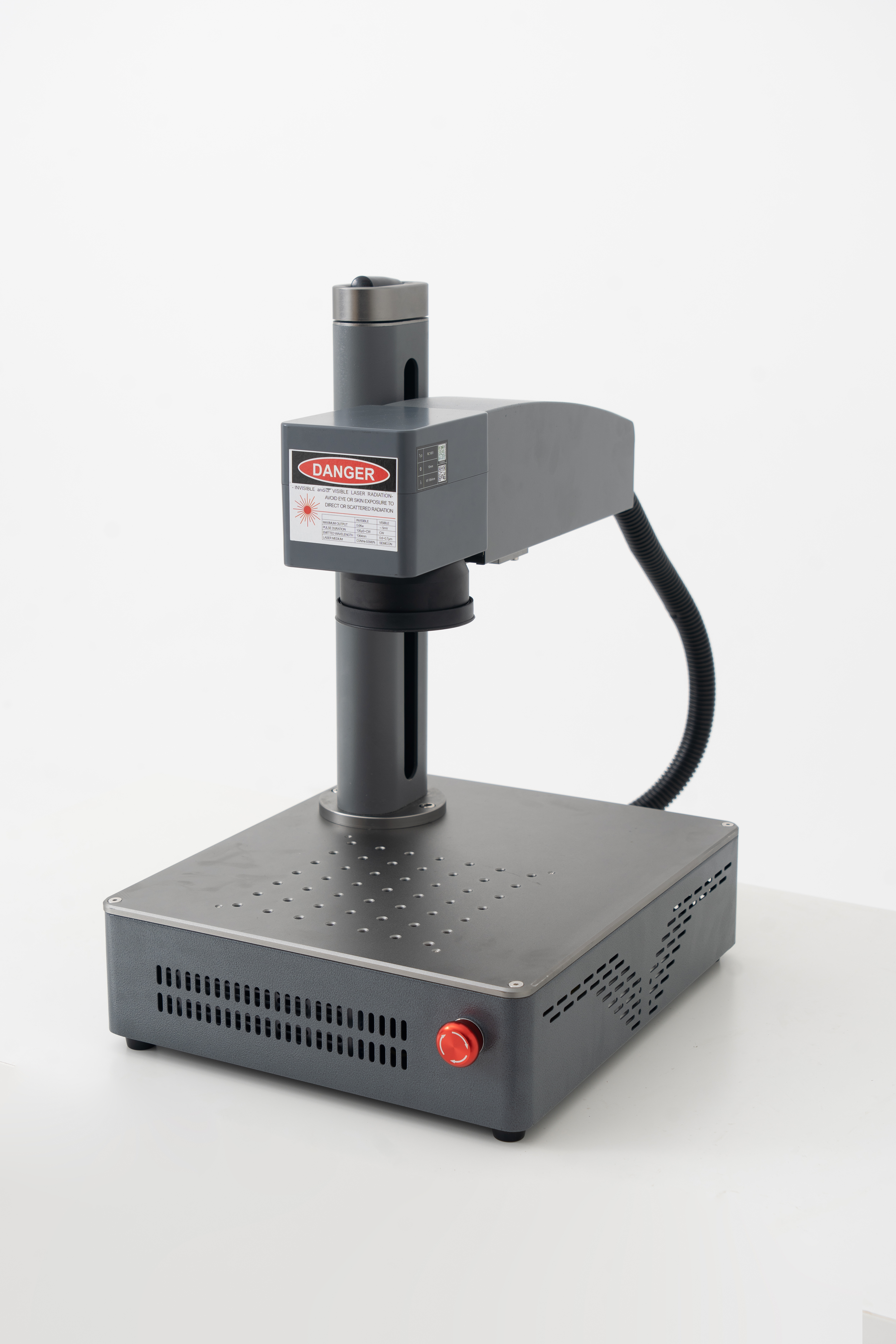
When businesses need to identify, brand, or serialize their products, the choice of marking and engraving technology can have a lasting impact on production efficiency, cost, and output quality. For decades, traditional methods dominated factory floors and fabrication shops. Today, laser-based systems have entered the conversation with compelling advantages that challenge the long-standing status quo. Choosing between these two approaches is not simply a matter of preference — it is a strategic decision that affects operational costs, material compatibility, throughput speed, and the long-term scalability of your production line.
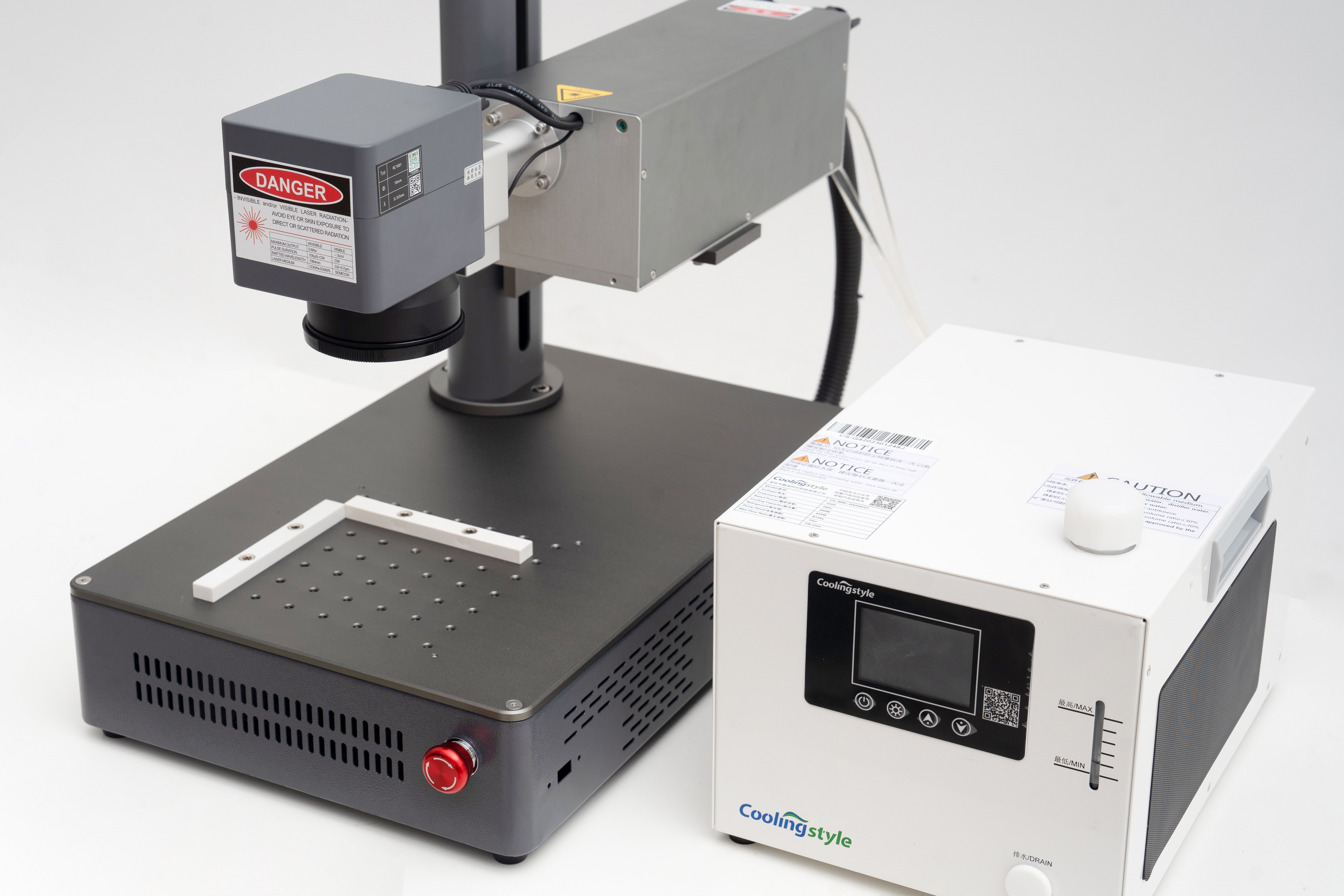
This article takes a direct, scenario-driven look at laser versus traditional marking and engraving methods, evaluating each on the criteria that matter most to industrial buyers and production managers. By the end, you will have a clear framework for determining which approach aligns best with your specific application requirements, materials, volume expectations, and budget realities. The goal is not to declare one method universally superior, but to help you make an informed decision based on evidence and practical context.
Understanding the Two Approaches to Marking and Engraving
What Traditional Marking and Engraving Involves
Traditional marking and engraving encompasses a range of mechanical and chemical techniques that have been used in manufacturing for generations. Mechanical methods include rotary engraving, dot peen marking, and stamping — all of which involve physically contacting the workpiece surface to create an impression. Chemical methods such as chemical etching use reactive substances to erode or alter the surface of a material, producing permanent identification marks.
These traditional approaches are well understood by most industrial operators, and equipment costs can be relatively low at the entry level. However, they come with inherent limitations, including tool wear, consumable costs, longer setup times, and limited flexibility when switching between materials or design variations. Traditional marking and engraving also tends to require more hands-on maintenance to keep machinery calibrated and producing consistent results.
For high-volume, single-material applications with simple geometries, traditional methods can still perform adequately. However, as product complexity and material variety increase, the limitations of mechanical and chemical techniques become more apparent. The inability to quickly adapt to design changes or process different substrates without retooling is a significant operational drawback in modern, agile manufacturing environments.
What Laser Marking and Engraving Involves
Laser-based marking and engraving uses focused light energy — typically from fiber, CO2, or diode lasers — to alter material surfaces without physical contact. The laser beam either removes material (engraving), changes the surface color through oxidation or annealing (marking), or ablates a coating to reveal a contrasting layer beneath. The result is a precise, permanent, and highly detailed mark that is resistant to wear, chemicals, and environmental exposure.
Modern laser systems for marking and engraving are controlled through software, allowing operators to switch between designs, fonts, barcodes, QR codes, and serial numbers with minimal downtime. This software-driven flexibility is one of the primary reasons laser technology has gained widespread adoption across industries including automotive, electronics, medical devices, aerospace, and consumer goods.
A marking and engraving laser machine in a handheld or desktop configuration also brings portability and convenience that traditional systems cannot match. The ability to perform field marking on large components or hard-to-reach surfaces without moving the part to a dedicated workstation is a practical advantage that directly reduces handling time and labor costs on the shop floor.
Comparing Performance Criteria Side by Side
Precision and Detail Capability
When it comes to fine detail, laser marking and engraving outperforms traditional methods in virtually every scenario. Laser systems can produce marks as small as a fraction of a millimeter with clean, sharp edges and no burring or mechanical distortion. This level of precision is essential for applications such as medical device serialization, circuit board identification, and micro-component traceability, where readability must be maintained at extremely small scales.
Traditional mechanical engraving, while capable of good quality on flat, stable surfaces, struggles with curved geometries, delicate materials, and fine typography. Dot peen and rotary methods introduce vibration and physical stress to the workpiece, which can distort or damage sensitive materials. Chemical etching offers reasonable precision but requires masking and chemical handling processes that add both time and complexity to each job.
For industries where data matrix codes, small logos, and intricate part numbers are standard requirements, laser-based marking and engraving consistently delivers superior results with higher repeatability and no dependency on tool condition. This makes it the preferred choice wherever accuracy is a non-negotiable requirement.
Speed and Throughput Performance
Production speed is a critical metric in any manufacturing environment, and marking and engraving systems must keep pace with upstream and downstream processes. Laser systems operate at high speeds — often completing a complex mark in seconds — and can be integrated into automated lines with minimal human intervention. Fiber lasers in particular are recognized for their ability to mark metals at speeds that exceed what mechanical methods can achieve without sacrificing mark quality.
Traditional marking and engraving methods vary considerably in throughput depending on the specific technique. Stamping can be extremely fast for identical, repetitive marks, but offers no flexibility. Dot peen is relatively slow per character, particularly for dense alphanumeric strings. Rotary engraving requires setup time between jobs, making it less suitable for high-mix production environments where different part numbers, dates, or serial ranges must be processed in small batches.
For businesses running multi-shift, high-volume operations, the throughput advantage of laser marking and engraving is substantial. Reduced cycle time per part translates directly into capacity gains, and the elimination of consumables and tool changes means less unplanned downtime during production runs.
Material Compatibility and Versatility
How Laser Systems Handle Diverse Materials
One of the most compelling arguments in favor of laser marking and engraving is its broad material compatibility. A single laser system, configured with the appropriate wavelength and power settings, can process metals including steel, aluminum, copper, and titanium; plastics such as ABS, polycarbonate, and nylon; glass, ceramics, wood, and leather. This versatility makes laser technology a practical investment for manufacturers who work with diverse product lines or material specifications.
Material versatility also extends to surface condition. Laser marking and engraving systems can work on polished, coated, anodized, and raw surfaces, adapting through software parameter adjustments rather than physical tooling changes. This flexibility is particularly valuable in job shop environments, prototype manufacturing, and small-batch production where material variety is the norm rather than the exception.
It is worth noting that not all laser wavelengths perform equally on all materials. CO2 lasers excel on organics, wood, and certain plastics, while fiber lasers are optimized for metals and harder materials. Understanding the relationship between laser type and material behavior is essential for selecting the right configuration for your specific marking and engraving application.
Material Constraints in Traditional Methods
Traditional marking and engraving techniques are generally more material-specific in their effectiveness. Rotary engraving works well on softer materials like brass, aluminum, and plastics but struggles with hardened steels or ceramics. Dot peen marking is strong on metals but is not well suited for brittle or thin-walled components where impact force could cause cracking or deformation.
Chemical etching can handle a reasonable range of metals, but the process requires extensive safety infrastructure, including chemical storage, waste disposal compliance, and operator protective equipment. The regulatory burden associated with chemical-based marking and engraving adds both cost and complexity that many businesses are actively trying to reduce in the pursuit of leaner, greener operations.
In summary, traditional methods excel in narrow material and application niches but lack the cross-material flexibility that modern manufacturing increasingly demands. As product portfolios diversify and supply chains grow more dynamic, this limitation becomes a more significant competitive disadvantage over time.
Total Cost of Ownership Over Time
Upfront Investment and Ongoing Operating Costs
A common objection to laser marking and engraving systems is their higher upfront cost compared to mechanical alternatives. It is true that industrial laser systems require a more significant initial capital outlay. However, a total cost of ownership analysis that accounts for consumables, maintenance, labor, and downtime frequently reveals that laser systems are more cost-effective over a two-to-five-year horizon.
Traditional marking and engraving equipment consumes cutting tools, carbide tips, inks, chemicals, and replacement parts on a continuous basis. These consumable costs accumulate steadily and require procurement management attention. Laser systems, by contrast, have minimal consumables — the laser source itself has a rated lifespan measured in tens of thousands of operating hours, and no physical contact with the workpiece means no tool wear.
Labor costs also factor significantly into the comparison. Traditional marking and engraving setups often require skilled operators to manage tooling, calibration, and material-specific adjustments. Laser systems, particularly those with user-friendly software interfaces, reduce the skill threshold required for day-to-day operation and allow a single operator to manage more machines simultaneously in an automated line.
Scalability and Long-Term Flexibility
Businesses that invest in laser marking and engraving infrastructure gain long-term flexibility that traditional methods cannot easily replicate. As product designs evolve, compliance requirements change, or new materials are introduced, a laser system can adapt through software updates and parameter adjustments rather than capital equipment replacement. This adaptability protects the initial investment and supports business growth without repeated retooling expenditures.
Traditional marking systems tend to become obsolete faster in environments where product variability is increasing. A rotary engraving machine configured for a specific tool and material setup requires physical modifications when specifications change, adding both time and cost to every transition. In contrast, laser-based marking and engraving supports rapid design iterations, regulatory reconfigurations, and batch personalization with nothing more than a software file update.
From a strategic manufacturing perspective, the scalability of laser technology is a genuine competitive differentiator. Companies that adopt laser marking and engraving early are better positioned to respond to market changes, customer requirements, and regulatory mandates without the operational drag that accompanies traditional method transitions.
Selection Criteria: Which Method Fits Your Scenario
When Traditional Methods Still Make Sense
Despite the many advantages of laser technology, traditional marking and engraving methods remain appropriate in specific scenarios. For operations that produce a single, standardized product in very high volumes using a single material and require only simple, repetitive identification marks, traditional stamping or dot peen marking may offer a lower total cost solution due to lower initial investment and established process familiarity.
Environments where electricity supply is unstable or where operators lack technical training for software-driven systems may also find traditional methods more practical in the short term. In field maintenance or repair contexts where portability was previously a challenge, simpler mechanical tools have historically filled the gap — though increasingly compact laser alternatives are closing this space rapidly.
The key is to assess your actual production context honestly. Traditional marking and engraving tools perform best in low-complexity, high-uniformity environments. If that describes your operation accurately and is unlikely to change, the case for upgrading to laser technology may not be immediately compelling from a return-on-investment standpoint.
When Laser Marking and Engraving Is the Clear Choice
Laser marking and engraving is the clear choice for businesses dealing with high material diversity, complex mark requirements, strict traceability compliance, or growth ambitions that demand scalable infrastructure. Industries including medical device manufacturing, aerospace component fabrication, electronics assembly, and premium consumer goods production have broadly standardized on laser technology precisely because its performance, reliability, and flexibility align with their operational demands.
Any application requiring machine-readable codes — 2D data matrix, QR codes, barcodes — at high read rates and small scales should strongly prefer laser-based marking and engraving. The contrast, edge sharpness, and repeatability of laser marks ensure reliable scanning performance across automated quality control and supply chain management systems, which is critical for regulatory compliance and production traceability.
If your production environment involves frequent job changes, small batch sizes, diverse materials, or ongoing product design evolution, the investment in laser marking and engraving pays dividends well beyond the initial cost. The operational agility, reduced consumable burden, and consistent mark quality create compounding value that strengthens your competitive position over time.
FAQ
Is laser marking and engraving permanent compared to traditional methods?
Yes, laser marking and engraving produces highly permanent marks that are resistant to abrasion, chemicals, heat, and UV exposure. In many cases, laser marks outperform traditional methods in durability because they alter the material surface at a molecular level rather than relying on applied coatings, inks, or mechanical deformation that can wear or flake over time.
Can laser marking and engraving handle curved or irregular surfaces?
Yes, many laser marking and engraving systems — particularly those with rotary attachments or advanced motion control — can accommodate cylindrical, curved, and irregular surface geometries. This is a significant advantage over traditional rotary engraving or stamping tools, which require flat or consistently profiled surfaces for acceptable mark quality.
What industries benefit most from switching to laser marking and engraving?
Industries with strict traceability, compliance, and quality requirements gain the most from laser marking and engraving. These include medical device manufacturing, aerospace, automotive, electronics, and precision engineering. Any sector that requires readable machine codes, permanent serialization, or fine-detail logos on diverse materials will find laser technology a highly suitable upgrade from traditional alternatives.
Is the upfront cost of laser marking and engraving justified for small businesses?
For small businesses, the justification depends on application complexity and volume. Entry-level laser marking and engraving systems are now available at accessible price points, making the technology viable for smaller operations. When consumable savings, reduced rework rates, and faster job setup times are factored in, many small businesses find that the return on investment is achievable within one to two years of adoption.
Table of Contents
- Understanding the Two Approaches to Marking and Engraving
- Comparing Performance Criteria Side by Side
- Material Compatibility and Versatility
- Total Cost of Ownership Over Time
- Selection Criteria: Which Method Fits Your Scenario
-
FAQ
- Is laser marking and engraving permanent compared to traditional methods?
- Can laser marking and engraving handle curved or irregular surfaces?
- What industries benefit most from switching to laser marking and engraving?
- Is the upfront cost of laser marking and engraving justified for small businesses?