 EN
EN
 AR
AR
 FR
FR
 DE
DE
 JA
JA
 KO
KO
 RU
RU
 ES
ES


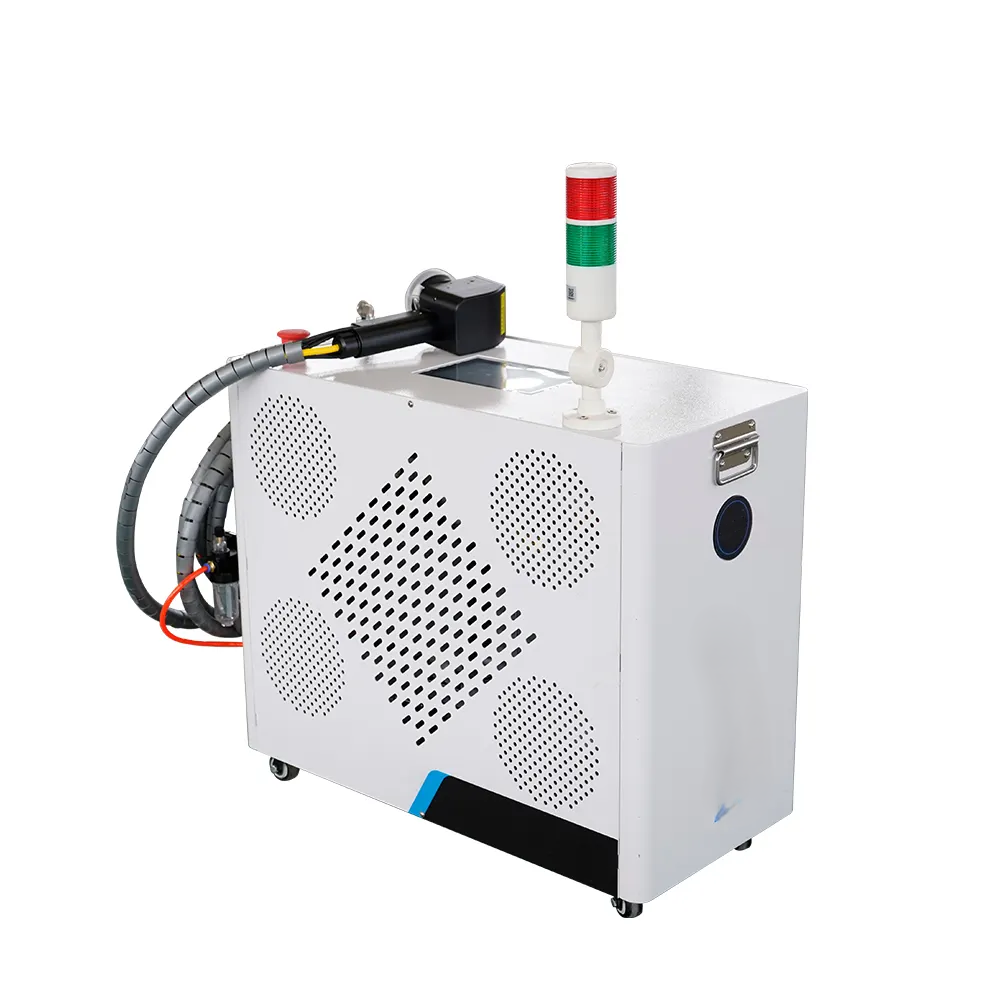
The pulsed laser industry is experiencing unprecedented transformation as manufacturers and industrial end-users seek precision, efficiency, and versatility in material processing applications. Characterized by rapid technological advancements and expanding application domains, the pulsed laser market stands at the intersection of innovation and practical industrial demand. Understanding current market trends and anticipating future developments is essential for businesses evaluating investments in laser technology, suppliers planning product roadmaps, and decision-makers assessing competitive positioning in sectors ranging from automotive manufacturing to medical device production.
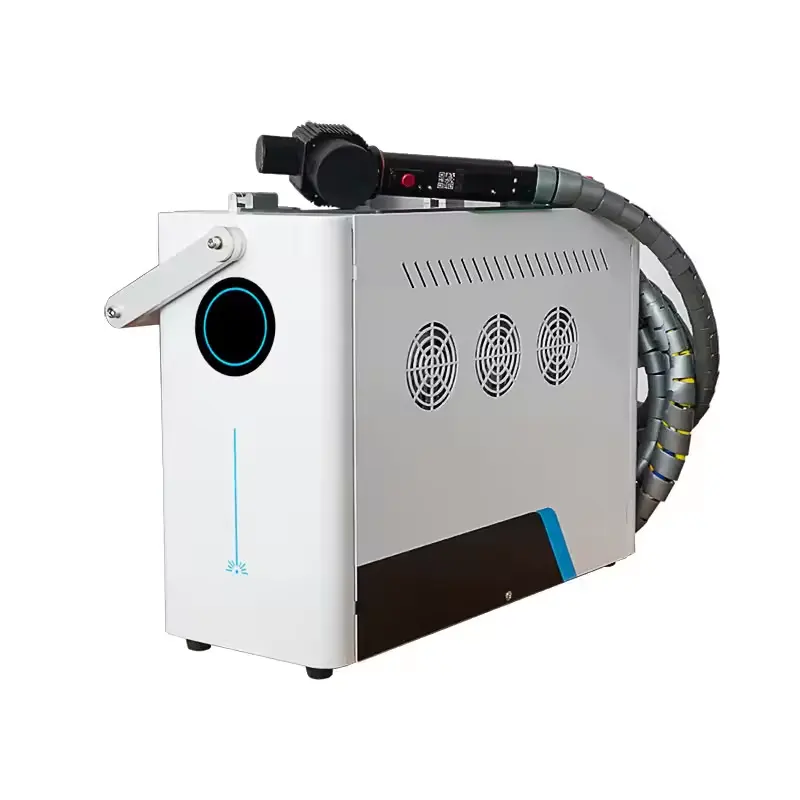
The shift toward pulsed laser solutions reflects broader industrial priorities including sustainability, automation integration, and precision manufacturing requirements that continuous wave lasers cannot adequately address. Market dynamics are shaped by technological maturation in fiber laser architectures, declining cost structures for high-power systems, and regulatory pressures favoring cleaner manufacturing processes. This analysis examines the driving forces behind pulsed laser adoption, emerging application territories, competitive landscape evolution, and strategic considerations that will define market trajectories through the next decade.
Technological Evolution Driving Market Expansion
Fiber Laser Architecture Dominance
Fiber-based pulsed laser systems have fundamentally altered market economics and performance expectations over the past decade. Unlike traditional solid-state and gas laser technologies, fiber architectures deliver superior beam quality, compact form factors, and significantly reduced maintenance requirements. The active gain medium integrated within the optical fiber itself eliminates complex alignment procedures and provides inherent thermal management advantages. Manufacturing costs have declined substantially as production volumes increase and supply chains for critical components such as fiber Bragg gratings and high-power diode pumps mature.
Industrial adoption of fiber pulsed laser technology accelerated when reliability metrics demonstrated mean time between failure rates exceeding fifty thousand hours in demanding production environments. This reliability translates directly to reduced total cost of ownership, a critical purchasing criterion for automotive tier suppliers, aerospace component manufacturers, and electronics fabrication facilities. The ability to scale power output while maintaining pulse characteristics has enabled fiber systems to penetrate applications previously dominated by carbon dioxide and Nd:YAG configurations.
Recent developments in ytterbium-doped and thulium-doped fiber gain media have extended wavelength options available within the fiber platform. These advancements allow process engineers to optimize absorption characteristics for specific substrate materials, improving processing efficiency in applications ranging from polymer welding to selective ablation of thin-film coatings. The convergence of wavelength flexibility, power scalability, and operational simplicity positions fiber pulsed laser architectures as the dominant technology platform for the foreseeable future.
Ultrashort Pulse Duration Capabilities
The commercial availability of picosecond and femtosecond pulsed laser systems represents a transformative capability for precision micromachining and medical applications. Ultrashort pulse durations minimize heat-affected zones during material ablation, enabling processing of thermally sensitive substrates without collateral damage to surrounding structures. This characteristic proves essential in manufacturing microelectronic components, medical stents, and precision injection molds where dimensional tolerances measured in micrometers must be maintained.
Market penetration of ultrashort pulse systems has been constrained historically by capital costs exceeding several hundred thousand dollars for industrial-grade equipment. However, technological improvements in oscillator design, pulse compression techniques, and amplification stages have reduced system complexity and manufacturing costs. Average selling prices for picosecond pulsed laser systems declined by approximately thirty percent between 2018 and 2023, expanding the addressable market to include mid-tier manufacturers and contract processing service providers.
Application development for ultrashort pulse technology continues to accelerate across diverse sectors. In consumer electronics manufacturing, femtosecond systems enable precision drilling of via holes in printed circuit boards with aspect ratios previously unattainable. Medical device manufacturers employ picosecond pulsed laser cutting to produce intricate stent geometries from nitinol tubing without compromising material properties. The expanding application portfolio drives sustained investment in ultrashort pulse technology development, creating a positive feedback loop between capability enhancement and market growth.
Integration With Digital Manufacturing Ecosystems
Contemporary pulsed laser systems increasingly function as networked manufacturing assets within Industry 4.0 frameworks rather than standalone processing tools. Manufacturers demand real-time process monitoring, predictive maintenance capabilities, and seamless integration with manufacturing execution systems. Leading equipment suppliers now incorporate advanced sensor arrays, embedded analytics, and cloud connectivity as standard features rather than optional upgrades.
Process parameter optimization through machine learning algorithms represents a significant value proposition for end-users seeking to reduce scrap rates and improve throughput. A pulsed laser equipped with adaptive control systems can automatically adjust pulse energy, repetition rate, and beam positioning in response to real-time feedback from weld pool monitoring or ablation depth measurement. These closed-loop control architectures enable consistent results across material lot variations and environmental condition changes that would compromise performance in conventional open-loop systems.
The data generated by networked pulsed laser systems creates strategic value beyond immediate process control. Aggregated operational data enables equipment suppliers to refine design parameters, identify reliability improvement opportunities, and develop predictive service models. For end-users, historical process data facilitates root cause analysis during quality investigations and provides objective documentation for regulatory compliance in heavily regulated industries such as aerospace and medical device manufacturing.
Application Domain Expansion and Market Segmentation
Materials Processing and Fabrication
Welding applications constitute the largest revenue segment within the pulsed laser market, driven by automotive lightweighting initiatives and increasing adoption of dissimilar material joining techniques. Pulsed laser welding enables joining of aluminum to steel, copper to aluminum, and other material combinations that present significant challenges for conventional resistance welding or arc welding processes. The automotive industry's transition toward electric vehicle architectures creates substantial demand for battery pack assembly solutions where pulsed laser welding provides hermetic seals and minimal thermal distortion.
Surface treatment applications including cleaning, texturing, and coating removal represent rapidly growing market segments. Pulsed laser cleaning eliminates the need for chemical solvents and abrasive media in rust removal, paint stripping, and pre-weld surface preparation. Environmental regulations restricting volatile organic compound emissions and waste disposal requirements make laser-based surface treatment economically attractive despite higher capital equipment costs. Industries ranging from shipbuilding to historic preservation increasingly specify pulsed laser cleaning for its precision, selectivity, and environmental compliance advantages.
Cutting and drilling operations using pulsed laser technology have expanded beyond traditional metal fabrication into advanced ceramics, composites, and engineered polymers. The aerospace sector employs pulsed laser drilling to create cooling holes in turbine blades with precise geometries that maximize thermal efficiency. Electronics manufacturers use pulsed laser cutting to singulate brittle semiconductor substrates without introducing microcracks that compromise device reliability. The capability to process diverse material classes with a single technology platform reduces capital equipment requirements and simplifies process qualification for manufacturers serving multiple market segments.
Medical Device Manufacturing and Surgical Applications
Medical device manufacturing represents a high-value market segment where pulsed laser precision directly impacts patient outcomes and regulatory compliance. Cardiovascular stent production, ophthalmologic lens fabrication, and surgical instrument manufacturing all leverage pulsed laser micromachining capabilities. The ability to maintain tight dimensional tolerances while processing biocompatible materials without contamination proves essential in meeting stringent quality standards established by regulatory authorities.
Surgical applications of pulsed laser technology continue to expand as clinical evidence demonstrates efficacy and safety across diverse procedures. Ophthalmic surgeons employ femtosecond pulsed laser systems for corneal refractive surgery and cataract lens fragmentation with patient outcomes superior to mechanical techniques. Dermatological applications including tattoo removal, pigmented lesion treatment, and skin resurfacing rely on the selective photothermolysis achievable with precisely controlled pulse parameters. The recurring revenue model associated with disposable surgical components and procedure-based billing makes medical applications particularly attractive for equipment manufacturers.
Regulatory pathway considerations significantly influence product development timelines and market entry strategies in medical applications. Pulsed laser systems intended for surgical use require extensive clinical validation and regulatory clearance processes that can extend three to five years before commercial availability. However, the resulting regulatory barriers create sustainable competitive advantages for established suppliers and support premium pricing structures that yield favorable gross margins compared to industrial processing applications.
Electronics and Semiconductor Manufacturing
The electronics manufacturing sector drives continuous demand for higher precision and throughput in pulsed laser processing equipment. Advanced packaging technologies including system-in-package and three-dimensional integrated circuits require via drilling, wafer dicing, and selective material removal at feature sizes approaching single-digit micrometers. Pulsed laser systems provide the combination of precision, speed, and flexibility necessary to support rapid product development cycles characteristic of consumer electronics markets.
Flexible electronics manufacturing represents an emerging application domain where pulsed laser processing addresses limitations of conventional photolithographic patterning. Roll-to-roll production of flexible displays, printed sensors, and wearable electronics employs pulsed laser cutting and ablation to define circuit patterns on polymer substrates. The ability to process temperature-sensitive materials without thermal damage enables new product form factors and functionality impossible with traditional semiconductor manufacturing processes.
Semiconductor capital equipment spending cycles significantly influence pulsed laser market dynamics within the electronics sector. Periods of robust investment in fabrication capacity expansion drive equipment orders, while industry downturns result in sharp demand contractions. Equipment suppliers serving this segment typically maintain diversified customer portfolios across multiple electronics subsectors to mitigate cyclical volatility and maintain stable revenue streams through industry fluctuations.
Competitive Landscape and Strategic Positioning
Technology Provider Segmentation
The pulsed laser market exhibits clear segmentation between vertically integrated equipment manufacturers and specialized component suppliers. Vertically integrated firms design and manufacture laser sources, beam delivery systems, motion control platforms, and application-specific processing heads as complete solutions. This approach enables tight integration and optimized system performance but requires substantial capital investment and multidisciplinary engineering capabilities. Leading vertically integrated suppliers leverage economies of scale and comprehensive application knowledge to maintain market leadership positions.
Specialized component suppliers focus on discrete subsystems such as optical resonators, beam shaping optics, or precision motion stages. These firms often possess deep expertise in specific technology domains and supply multiple equipment integrators. The component supplier model enables rapid technology diffusion across the industry and provides customers with best-in-class subsystem options. However, interface standardization challenges and complex supply chain coordination requirements can limit market penetration for emerging component technologies.
Recent market consolidation activity reflects strategic efforts to capture value across multiple segments of the pulsed laser supply chain. Acquisitions targeting complementary technology capabilities, geographic market access, or application domain expertise have accelerated as established suppliers seek growth in mature markets. The consolidation trend creates opportunities for specialized niche suppliers while simultaneously raising barriers to entry for new market participants lacking differentiated technology or established customer relationships.
Geographic Market Dynamics
Regional market characteristics significantly influence competitive strategies and technology adoption patterns in the pulsed laser industry. European manufacturers traditionally emphasize precision engineering, reliability, and compliance with stringent safety standards. This market orientation supports premium pricing for systems featuring advanced safety interlocks, comprehensive process documentation, and long-term service support. European suppliers maintain strong positions in automotive, aerospace, and medical device applications where these attributes align with customer priorities.
Asian markets, particularly China, demonstrate rapid adoption of pulsed laser technology driven by manufacturing capacity expansion and government initiatives promoting advanced manufacturing capabilities. Domestic equipment suppliers in China have developed competitive offerings in standard applications while international suppliers retain advantages in specialized high-precision applications. Price sensitivity remains more pronounced in Asian markets compared to European and North American customers, influencing product positioning and channel strategies for international suppliers.
North American market dynamics reflect a balance between innovation-driven early adoption and pragmatic total cost of ownership evaluation. Customers in aerospace, defense, and medical device sectors demonstrate willingness to invest in leading-edge pulsed laser technology when performance advantages justify premium pricing. However, automotive suppliers and general manufacturing customers typically require clear return on investment documentation before committing to capital equipment purchases. Successful market penetration in North America demands both technological differentiation and compelling economic value propositions.
Service and Support Business Models
Aftermarket service and support represent increasingly important revenue streams and competitive differentiators within the pulsed laser market. Equipment suppliers transition from transaction-based sales models toward subscription-based service agreements that provide predictable recurring revenue and deepen customer relationships. Comprehensive service contracts typically include preventive maintenance, remote diagnostics, software updates, and priority access to technical support resources.
The complexity of contemporary pulsed laser systems elevates the importance of application engineering support during equipment installation and process optimization. Customers increasingly evaluate suppliers based on available applications expertise, training programs, and ongoing process development assistance rather than equipment specifications alone. Suppliers investing in robust applications laboratories and experienced field service organizations create sustainable competitive advantages difficult for competitors to replicate.
Equipment refurbishment and upgrade programs enable suppliers to capture additional value from the installed base while extending equipment service life for customers. A pulsed laser system initially purchased for standard welding applications may be upgraded with enhanced control systems, higher power output, or improved beam quality as customer requirements evolve. These upgrade pathways create switching costs that improve customer retention while generating high-margin revenue opportunities for equipment suppliers.
Future Market Trajectories and Strategic Implications
Emerging Application Frontiers
Additive manufacturing represents a convergent technology domain where pulsed laser capabilities enable new fabrication paradigms. Selective laser melting and laser powder bed fusion processes employ precisely controlled pulsed laser energy to consolidate metal powders into complex three-dimensional geometries impossible to produce through conventional subtractive manufacturing. The ability to fabricate topology-optimized structural components with internal cooling channels and integrated functionality drives adoption in aerospace, medical implants, and specialized industrial equipment.
Battery manufacturing for electric vehicles constitutes a rapidly emerging application domain with substantial growth potential for pulsed laser technology. Electrode tab welding, foil cutting, and cell can sealing operations all benefit from the precision and speed characteristics of pulsed laser processing. As global electric vehicle production scales toward tens of millions of units annually, the corresponding demand for battery manufacturing equipment creates significant market opportunities for pulsed laser suppliers with automotive industry experience and high-volume production capabilities.
Quantum technology fabrication represents a nascent application area where ultrashort pulsed laser processing enables creation of novel device structures. Precise material removal at nanometer scales facilitates fabrication of superconducting qubits, integrated photonic circuits, and other quantum computing components. While current market volumes remain modest, the strategic importance of quantum technologies and substantial research funding create pathways for specialized pulsed laser suppliers to establish early positions in potentially transformative future markets.
Sustainability and Regulatory Drivers
Environmental regulations restricting hazardous materials and energy consumption increasingly favor pulsed laser processing over conventional manufacturing techniques. The elimination of chemical solvents in cleaning applications, reduced material waste in precision cutting operations, and lower energy consumption compared to thermal processing methods align with corporate sustainability objectives and regulatory compliance requirements. Equipment suppliers emphasizing environmental advantages in marketing positioning capture growing customer segments prioritizing sustainability criteria in capital equipment decisions.
Energy efficiency improvements in pulsed laser system design contribute to reduced operational costs and smaller environmental footprints. Wall-plug efficiency for industrial fiber laser systems has improved from approximately twenty percent a decade ago to over forty percent in contemporary designs. These efficiency gains translate directly to lower electricity consumption and reduced cooling requirements, particularly significant for high-power systems operating in continuous production environments. Continued efficiency improvements through better diode pump technology and optimized cavity designs will enhance the economic competitiveness of pulsed laser processing.
Occupational safety regulations governing worker exposure to fumes, particulates, and hazardous chemicals create additional drivers for pulsed laser adoption. Laser-based surface preparation eliminates worker exposure to chemical strippers and abrasive blast media that present respiratory hazards. Enclosed laser processing cells with integrated fume extraction meet increasingly stringent workplace safety standards while maintaining production throughput. The combination of regulatory compliance, improved worker safety, and operational efficiency creates compelling value propositions that extend beyond pure technical performance considerations.
Investment Priorities and Market Entry Strategies
Successful market participation in the evolving pulsed laser landscape requires strategic focus on differentiated capabilities rather than broad technology replication. Suppliers entering mature application segments must offer compelling advantages in performance, reliability, or cost structure to displace established competitors with proven track records and installed base relationships. Emerging application domains present opportunities for new entrants to establish market positions before competitive dynamics solidify, but require substantial application development investment and tolerance for extended commercialization timelines.
Strategic partnerships between equipment suppliers and end-user industries accelerate technology development and reduce market adoption barriers. Joint development programs enable equipment manufacturers to optimize system designs for specific application requirements while providing early-adopter customers with competitive advantages through proprietary process capabilities. These collaborative relationships often evolve into preferred supplier arrangements that create sustainable business relationships extending beyond individual equipment transactions.
Geographic expansion strategies must account for regional market maturity, competitive intensity, and local customer requirements. Established markets in North America and Europe offer substantial installed bases for aftermarket services and equipment upgrades but feature intense competition and mature product expectations. Emerging markets in Southeast Asia and Latin America present growth opportunities but typically require localized service infrastructure, adapted product configurations, and patient market development efforts. Successful international expansion balances growth ambitions with realistic assessments of required investments and achievable market penetration rates.
FAQ
What factors most significantly influence pulsed laser market growth rates?
Market growth is primarily driven by expanding application domains, particularly in electric vehicle battery manufacturing, advanced electronics packaging, and medical device production. Technological improvements that reduce system costs and improve reliability enable penetration of price-sensitive market segments. Additionally, regulatory pressures favoring environmentally friendly manufacturing processes accelerate substitution of conventional techniques with pulsed laser solutions. Macroeconomic conditions affecting capital equipment spending in key end-user industries also significantly impact short-term growth trajectories.
How do pulsed laser systems compare economically to alternative processing technologies?
Economic comparison depends heavily on specific application requirements and production volumes. Pulsed laser systems typically involve higher capital costs but lower operating expenses compared to conventional methods. In high-precision applications where laser technology eliminates secondary processing steps or improves yield rates, total cost advantages become clear despite premium equipment pricing. For commodity processing applications with relaxed tolerance requirements, conventional technologies may maintain cost advantages. Rigorous total cost of ownership analysis considering equipment life, maintenance requirements, consumables, and quality costs provides the most accurate economic comparison framework.
Which industries demonstrate the strongest demand growth for pulsed laser technology?
The automotive sector shows particularly robust demand growth driven by electric vehicle production scaling and lightweighting initiatives requiring advanced joining techniques. Electronics manufacturing maintains consistent demand as device miniaturization and advanced packaging requirements favor pulsed laser processing capabilities. Medical device manufacturing represents a high-value growth segment where precision requirements and regulatory compliance justify premium equipment investments. Emerging demand from battery production, renewable energy component manufacturing, and aerospace composites processing also contribute significantly to overall market expansion.
What technological developments will most impact future pulsed laser capabilities?
Continued improvements in ultrashort pulse generation at industrial power levels will enable new precision processing applications currently constrained by available pulse energies. Integration of artificial intelligence for real-time process optimization promises substantial improvements in throughput and quality consistency. Beam shaping technologies that enable dynamic control of spatial intensity distributions will expand processing flexibility and improve energy utilization efficiency. Development of new wavelength options through novel gain media and nonlinear frequency conversion extends material processing capabilities across broader substrate types. These technological advances collectively expand addressable market opportunities while improving competitive positioning versus alternative manufacturing technologies.
Table of Contents
- Technological Evolution Driving Market Expansion
- Application Domain Expansion and Market Segmentation
- Competitive Landscape and Strategic Positioning
- Future Market Trajectories and Strategic Implications
-
FAQ
- What factors most significantly influence pulsed laser market growth rates?
- How do pulsed laser systems compare economically to alternative processing technologies?
- Which industries demonstrate the strongest demand growth for pulsed laser technology?
- What technological developments will most impact future pulsed laser capabilities?