 EN
EN
 AR
AR
 FR
FR
 DE
DE
 JA
JA
 KO
KO
 RU
RU
 ES
ES


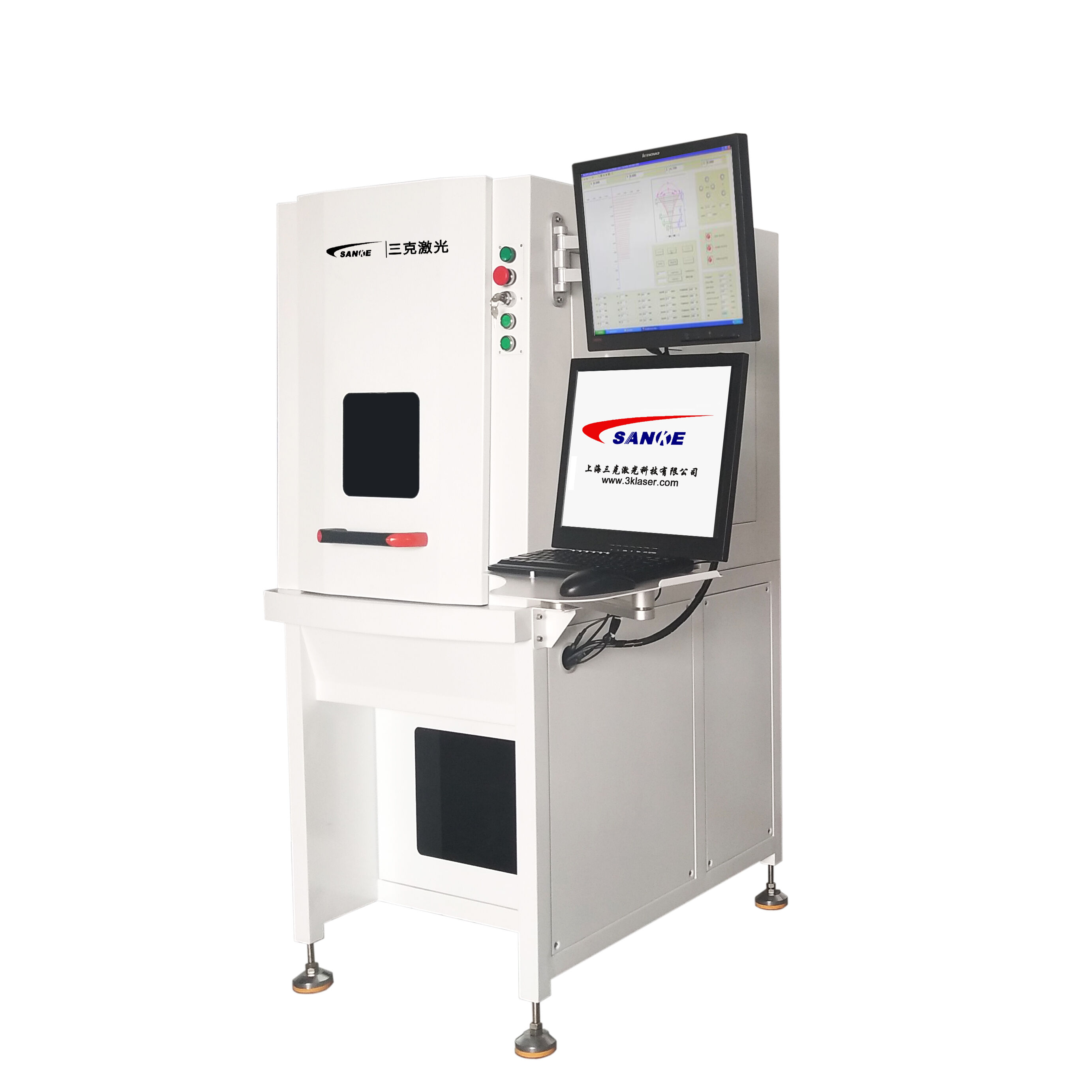
Diamond drilling is a specialized drilling technique that utilizes diamond-impregnated drill bits to penetrate hard materials with exceptional precision and efficiency. This method has become indispensable across multiple industries, from mining and geological exploration to construction and material testing. Unlike conventional drilling methods that rely on mechanical force alone, diamond drilling leverages the unparalleled hardness of industrial diamonds embedded in the drill bit matrix to cut through rock, concrete, reinforced materials, and other challenging substrates. The process creates cylindrical core samples or precise boreholes while minimizing material disruption and providing accurate subsurface information. Understanding what diamond drilling entails—from its fundamental principles to its operational workflow—is essential for professionals evaluating drilling solutions for mineral exploration, infrastructure projects, or precision manufacturing applications.

The complete diamond drilling process encompasses several critical stages, each designed to optimize drilling performance, maintain core integrity, and ensure operational safety. From initial site preparation and equipment setup to the actual drilling operation, core extraction, and post-drilling analysis, every phase requires technical expertise and adherence to precise protocols. The process begins with careful planning based on geological surveys and project objectives, followed by the selection of appropriate drilling equipment, diamond bit specifications, and drilling parameters tailored to the target material characteristics. As the drill penetrates the substrate, a combination of rotational force, hydraulic pressure, and continuous cooling ensures efficient material removal while preserving the structural integrity of core samples. This comprehensive approach makes diamond drilling the preferred choice for applications demanding high accuracy, minimal environmental impact, and reliable subsurface data collection.
Fundamental Principles of Diamond Drilling Technology
The Role of Industrial Diamonds in Drilling Operations
At the core of diamond drilling technology lies the strategic use of industrial-grade diamonds embedded within the drill bit matrix. These diamonds, either natural or synthetic, possess a Mohs hardness rating of 10, making them the hardest known material and ideally suited for cutting through extremely hard substrates. The diamonds are carefully distributed throughout a metal matrix—typically composed of tungsten carbide or other durable alloys—which holds them in position while allowing controlled exposure as the bit wears. This design ensures that fresh diamond cutting surfaces are continuously revealed during operation, maintaining consistent drilling performance throughout the bit's operational life. The cutting action occurs as these exposed diamond particles abrade and fracture the target material at a microscopic level, creating a kerf that allows the drill bit to advance progressively deeper into the substrate.
The effectiveness of diamond drilling depends significantly on the proper matching of diamond concentration, size, and bond hardness to the specific material being drilled. Softer formations require a harder bond matrix to prevent excessive diamond exposure and premature bit wear, while harder materials necessitate a softer bond that allows diamonds to shed and expose fresh cutting surfaces more rapidly. This principle of inverse relationship between formation hardness and matrix bond hardness is fundamental to optimizing diamond drilling performance. Additionally, the diamond size and distribution pattern within the bit influence the cutting efficiency and core quality. Finer diamond particles produce smoother cuts and higher-quality cores but may drill more slowly, while coarser diamonds enable faster penetration rates at the potential cost of increased core damage or rougher borehole walls.
Cooling and Flushing Systems in Diamond Drilling
The diamond drilling process generates substantial heat through friction between the diamond-impregnated bit and the target material, making effective cooling and flushing systems essential for operational success. Water is the most commonly used cooling medium, circulated continuously through the drill string and out through ports in the bit face. This cooling fluid serves multiple critical functions: it dissipates heat that would otherwise damage the diamond-matrix bond and reduce drilling efficiency, lubricates the cutting interface to minimize friction and wear, and flushes away drill cuttings that would otherwise accumulate in the kerf and impede drilling progress. The continuous removal of these cuttings prevents regrinding of material particles, which would waste energy and accelerate bit wear while reducing penetration rates.
Advanced diamond drilling operations employ carefully controlled flushing systems with optimized flow rates, pressure levels, and fluid compositions tailored to specific drilling conditions. In mining and exploration applications, water-based fluids are standard, though additives may be introduced to modify viscosity, improve lubrication, or stabilize borehole walls in unstable formations. For construction applications involving concrete or masonry, the flushing system must efficiently remove larger particle debris while preventing slurry accumulation that could bind the bit. Some specialized applications utilize air or foam-based flushing systems when water availability is limited or when drilling through water-sensitive formations. The cooling and flushing system design directly impacts drilling speed, bit life, core quality, and overall operational efficiency, making it a critical consideration in diamond drilling process planning and execution.
Mechanical Components and Drilling Equipment
The mechanical infrastructure supporting diamond drilling operations includes specialized drill rigs, drill strings, and ancillary equipment designed to deliver precise rotational force, hydraulic pressure, and positional control. Diamond drilling rigs range from lightweight portable units for shallow construction drilling to massive hydraulic rigs capable of drilling several kilometers deep for mineral exploration. These rigs provide controlled rotation speeds typically ranging from 200 to 1500 RPM, depending on bit diameter and formation characteristics, along with adjustable hydraulic feed pressure that determines the weight-on-bit and consequent penetration rate. Modern diamond drilling rigs incorporate electronic monitoring systems that track parameters such as rotation speed, penetration rate, torque, hydraulic pressure, and flushing flow rate, enabling operators to optimize drilling performance in real-time and detect potential equipment issues before failures occur.
The drill string—comprising drill rods, core barrels, and the diamond bit assembly—transmits rotational force and hydraulic pressure from the surface rig to the cutting face while providing a conduit for flushing fluid circulation and core sample retrieval. Core barrels are engineered with inner and outer tube configurations that allow the outer tube to rotate with the bit while the inner tube remains stationary, protecting the core sample from rotational damage and preserving its structural integrity. Specialized latching mechanisms enable retrieval of core samples without extracting the entire drill string, significantly improving operational efficiency in deep drilling applications. The selection of appropriate drill string components, bit designs, and operational parameters based on target material characteristics and project objectives is fundamental to successful diamond drilling outcomes, whether for geological exploration, infrastructure development, or precision manufacturing applications.
Operational Workflow of the Diamond Drilling Process
Pre-Drilling Planning and Site Preparation
The diamond drilling process begins long before the first bit contacts the substrate, with comprehensive planning and site preparation activities that establish the foundation for operational success. This planning phase involves reviewing geological surveys, geophysical data, and project specifications to determine optimal drill locations, angles, depths, and sampling intervals. For mining exploration projects, geologists analyze existing data to target mineralized zones or structural features of interest, while construction applications focus on structural assessment requirements or utility installation pathways. This preliminary analysis informs decisions regarding drilling equipment selection, bit specifications, anticipated drilling rates, and logistical requirements including crew size, consumables inventory, and timeline estimates.
Site preparation encompasses clearing and leveling the drilling area, establishing stable platforms for rig positioning, and ensuring adequate access for equipment mobilization and crew operations. Safety protocols are implemented including hazard assessments, utility location surveys to prevent accidental strikes of underground infrastructure, and establishment of exclusion zones around active drilling operations. Water supply systems or flushing fluid storage facilities are installed, along with core storage and logging facilities for systematic sample documentation. Environmental protection measures such as sediment control barriers, spill containment systems, and waste management protocols are established in accordance with regulatory requirements. Proper planning and preparation during this phase directly influence drilling efficiency, core quality, operational safety, and project cost-effectiveness throughout the diamond drilling campaign.
Equipment Setup and Drilling Parameter Selection
Once site preparation is complete, the diamond drilling crew proceeds with equipment setup, calibration, and parameter selection tailored to the specific drilling conditions anticipated. The drilling rig is positioned and secured with precise alignment to achieve the planned borehole trajectory, whether vertical, angled, or horizontal. Leveling and anchoring systems ensure rig stability under operational loads, preventing misalignment that could cause borehole deviation or equipment damage. The drill string is assembled with appropriate rod lengths, core barrel configuration, and a diamond bit selected based on formation hardness, abrasiveness, and core recovery requirements. Bit selection involves matching diamond size, concentration, and matrix bond hardness to the target material properties—a critical decision that significantly impacts drilling performance and operational costs.
Drilling parameters including rotation speed, feed pressure, and flushing flow rate are established based on bit specifications, formation characteristics, and manufacturer recommendations. Softer formations typically accommodate higher rotation speeds and feed pressures for rapid penetration, while harder, more abrasive materials require slower speeds and lighter pressures to prevent excessive bit wear and core damage. The flushing system is tested to ensure adequate flow rates and pressure levels for effective cooling and cuttings removal. Modern diamond drilling operations often employ computerized control systems that monitor and adjust these parameters automatically in response to changing formation conditions, optimizing performance while reducing operator workload. Proper parameter selection and real-time adjustment throughout the drilling process are essential for achieving target depths efficiently while maintaining high core recovery rates and acceptable bit life.
Active Drilling Operations and Core Recovery
The active drilling phase begins with the diamond bit contacting the substrate surface and gradually penetrating deeper as rotational force, hydraulic pressure, and cooling fluid work in concert to remove material and advance the borehole. The drill operator continuously monitors drilling parameters, adjusting rotation speed, feed pressure, and flushing flow in response to variations in formation hardness, abrasiveness, or fracturing. Consistent penetration rates indicate stable drilling conditions, while sudden changes may signal equipment issues, bit wear, formation transitions, or void spaces that require parameter adjustments. Experienced operators interpret these indicators to maintain optimal drilling efficiency while protecting equipment and core quality.
As drilling progresses, the core barrel gradually fills with cylindrical core samples representing the drilled formation. When the barrel reaches capacity—typically after drilling intervals ranging from 1.5 to 3 meters depending on barrel length—the drill string is withdrawn to surface level for core recovery. Modern wireline diamond drilling systems enable core retrieval without removing the entire drill string, using an overshot device lowered through the hollow drill rods to latch onto and retrieve the inner core barrel assembly. This innovation dramatically reduces tripping time and improves drilling productivity, particularly in deep holes. Retrieved cores are carefully extracted from the barrel, measured, photographed, and logged by geologists or technicians who document lithology, mineralization, structural features, and sample depths. This systematic core documentation provides the critical subsurface information that justifies the diamond drilling investment, whether for mineral resource assessment, geotechnical evaluation, or quality control in manufacturing applications.
Key Applications and Industry-Specific Implementations
Mineral Exploration and Resource Development
Diamond drilling serves as the primary subsurface investigation method in mineral exploration and mining resource development, providing the detailed geological information necessary for deposit delineation, resource estimation, and mine planning. Exploration geologists use diamond drilling to obtain continuous core samples from target zones identified through geophysical surveys, geochemical sampling, or previous drilling campaigns. These cores enable direct observation and analysis of rock types, mineral assemblages, alteration patterns, and structural features at depth, information that cannot be reliably obtained through any other investigation method. The precision and core recovery rates achievable with diamond drilling make it indispensable for quantifying mineral grades, determining ore body geometry, and assessing metallurgical characteristics that influence processing methods and project economics.
In active mining operations, diamond drilling continues to play critical roles in grade control, geotechnical assessment, and mine planning optimization. Production geologists drill closely-spaced patterns to define ore boundaries and grade variations that guide excavation sequencing and processing strategies. Geotechnical engineers employ diamond drilling to obtain intact core samples for laboratory testing of rock mass strength, deformation characteristics, and groundwater conditions that inform slope stability analyses, ground support designs, and mining method selection. The ability of diamond drilling to penetrate thousands of meters vertically or at steep angles enables investigation of deep mineral deposits and underground mining horizons, supporting long-range mine planning and resource expansion. As mineral exploration ventures into increasingly challenging environments—remote locations, deep targets, or covered terrains—diamond drilling technology continues to evolve with more efficient equipment, improved core recovery systems, and enhanced environmental performance.
Construction and Infrastructure Projects
In the construction and infrastructure sectors, diamond drilling has become the preferred method for creating precision boreholes through concrete, reinforced concrete, masonry, stone, and other building materials without causing structural damage or excessive vibration. This non-percussive drilling approach makes it ideal for retrofit applications in occupied buildings, sensitive structures, or situations where traditional percussion drilling would create unacceptable noise, vibration, or structural stress. Construction contractors use diamond drilling to install HVAC penetrations, electrical and plumbing conduits, anchor bolts, and structural reinforcement connections through existing concrete elements. The smooth, precisely-sized holes produced by diamond drilling ensure proper fit for installed components and maintain the structural integrity of the surrounding material.
Geotechnical investigation for major infrastructure projects relies heavily on diamond drilling to obtain undisturbed soil and rock samples for foundation design, slope stability assessment, and construction material evaluation. Civil engineers specify diamond drilling for bridge foundation investigations, tunnel alignment studies, dam site characterizations, and large building foundation designs where accurate subsurface information is essential for safe, economical structural design. The ability to drill at any angle—vertical, horizontal, or inclined—makes diamond drilling adaptable to varied site access conditions and investigation requirements. Environmental monitoring wells, geothermal installations, and ground source heat pump systems also employ diamond drilling for precise borehole construction with minimal formation disturbance. As urban infrastructure becomes increasingly complex and construction sites more constrained, the precision, versatility, and low-impact characteristics of diamond drilling continue to expand its application range within the construction industry.
Manufacturing and Precision Engineering
Advanced manufacturing and precision engineering sectors utilize diamond drilling for creating micro-holes and precision features in hard, brittle, or composite materials that resist conventional machining methods. Electronics manufacturers employ diamond drilling to create cooling vias, component mounting holes, and interconnection channels in ceramic substrates, silicon wafers, and circuit boards where dimensional accuracy and minimal heat-affected zones are critical. The aerospace and automotive industries use diamond drilling for machining carbon fiber composites, ceramic matrix composites, and superalloy components where tool wear and delamination pose significant challenges with conventional drilling methods. Diamond drilling enables clean hole entry and exit with minimal burr formation, reduced delamination, and superior geometric accuracy compared to alternative machining processes.
Jewelry manufacturing, gemstone processing, and precision optics fabrication rely on specialized diamond drilling equipment for creating through-holes, counter-bores, and complex cavities in diamonds, sapphires, rubies, and other hard crystalline materials. These applications demand ultra-precision positioning, controlled feed rates, and specialized cooling systems to prevent thermal damage to valuable materials while achieving tight dimensional tolerances. Medical device manufacturing employs diamond drilling for machining biocompatible ceramics, titanium alloys, and composite materials used in surgical instruments, implants, and diagnostic equipment. The non-contaminating nature of diamond drilling—producing minimal tool wear debris—makes it suitable for manufacturing applications with stringent cleanliness requirements. As material science advances introduce increasingly harder, more wear-resistant engineering materials, diamond drilling technology continues to adapt with finer diamond grades, optimized matrix formulations, and precision control systems that extend its applicability across diverse manufacturing domains.
Performance Factors and Optimization Strategies
Drilling Rate Optimization and Efficiency Enhancement
Achieving optimal penetration rates in diamond drilling operations requires balancing multiple interacting factors including bit design, drilling parameters, formation characteristics, and equipment capabilities. Penetration rate—typically measured in meters per hour—directly impacts project timelines and drilling costs, making it a primary performance indicator for drilling contractors and project managers. The fundamental relationship between penetration rate, applied force, rotation speed, and formation hardness follows established drilling mechanics principles, but practical optimization requires continuous adjustment based on real-time feedback from drilling monitors and operator observations. Excessive feed pressure can accelerate bit wear and cause core jamming or breakage, while insufficient pressure results in inefficient drilling and extended project durations.
Rotation speed optimization involves matching bit peripheral velocity to formation characteristics and bit specifications to maximize cutting efficiency while minimizing diamond polishing and matrix wear. Faster rotation speeds generally improve penetration rates in softer formations but may cause excessive heat generation and rapid bit degradation in harder, more abrasive materials. The cooling and flushing system performance significantly influences achievable penetration rates by controlling bit temperature, removing cuttings efficiently, and preventing particle recirculation that wastes energy. Modern diamond drilling operations employ data logging systems that track penetration rates continuously and correlate them with drilling parameters, formation changes, and bit performance to identify optimization opportunities. Systematic analysis of this performance data enables drilling contractors to refine parameter selection protocols, improve bit selection criteria, and implement operational best practices that enhance productivity while controlling costs throughout drilling campaigns.
Core Quality and Sample Integrity Preservation
Maintaining high core recovery percentages and preserving sample integrity represent critical objectives in diamond drilling operations, particularly for applications where subsurface information accuracy directly impacts decision-making and project outcomes. Core recovery—expressed as the percentage of drilled interval represented by retrieved core—serves as a key quality metric, with target recovery rates typically exceeding 95% for competent rock formations and 80-90% for weaker or fractured zones. Factors affecting core recovery include drilling parameters, bit design, core barrel configuration, formation competence, and operator technique. Excessive rotation speed or feed pressure can fracture or grind friable core materials, while inadequate flushing allows cuttings accumulation that jams and damages cores.
Specialized core barrel designs enhance recovery in challenging formations through features such as triple-tube configurations that isolate cores from rotation and flushing turbulence, spring-loaded core catchers that prevent core loss during retrieval, and extended barrel lengths that reduce tripping frequency. Formation-specific drilling techniques including reduced penetration rates, lower rotation speeds, and modified flushing strategies help preserve core integrity in weak, fractured, or highly weathered zones. Careful handling during core retrieval, transport, and storage prevents mechanical damage and moisture loss that could compromise subsequent geological logging or laboratory testing. For applications requiring precise geochemical analyses or geotechnical testing, contamination prevention protocols minimize introduction of foreign materials from drilling fluids, bit wear particles, or handling equipment. Advanced diamond drilling operations implement comprehensive quality management systems that specify core handling procedures, documentation requirements, and preservation methods tailored to specific project objectives and analytical requirements.
Equipment Maintenance and Operational Sustainability
Sustained high performance in diamond drilling operations depends on rigorous equipment maintenance programs, proactive component replacement strategies, and operational practices that minimize environmental impacts while ensuring worker safety. Diamond drilling rigs, drill strings, hydraulic systems, and auxiliary equipment operate under demanding conditions involving high pressures, rotational forces, abrasive slurries, and extended duty cycles that accelerate wear and increase failure risks. Preventive maintenance protocols specify regular inspections, lubrication schedules, component replacement intervals, and performance testing procedures that identify potential issues before they cause operational failures or safety incidents. Critical maintenance activities include hydraulic fluid analysis and replacement, rod thread inspection and repair, core barrel seal replacement, and rotation mechanism servicing.
Bit management represents a significant component of diamond drilling operational costs and performance optimization. Effective bit programs balance initial bit cost against expected penetration meters, bit life variability with formation changes, and impact of bit wear on penetration rates and core quality. Some drilling contractors maintain diverse bit inventories enabling rapid adaptation to unexpected formation variations, while others employ bit reconditioning services that restore worn bits to serviceable condition at reduced cost compared to new bit purchases. Environmental sustainability considerations increasingly influence diamond drilling operations through requirements for water conservation, drilling fluid recycling, waste minimization, and site remediation. Modern drilling contractors implement closed-loop water circulation systems, biodegradable drilling additives, and comprehensive waste management programs that reduce environmental footprints while maintaining operational efficiency. As regulatory requirements tighten and stakeholder expectations for responsible operations intensify, sustainable operational practices become competitive differentiators for diamond drilling service providers across all industry sectors.
FAQ
What types of materials can be effectively drilled using diamond drilling methods?
Diamond drilling effectively penetrates a wide range of hard and abrasive materials including igneous, metamorphic, and sedimentary rocks, reinforced concrete, natural stone, ceramics, composites, and various crystalline materials. The technique performs particularly well with materials rated above 7 on the Mohs hardness scale where conventional drilling methods struggle. Material-specific bit selection and parameter optimization enable diamond drilling to handle everything from soft limestone to ultra-hard quartzite, from standard concrete to heavily reinforced structural elements. However, very soft, sticky, or unconsolidated materials may present challenges requiring specialized approaches or alternative drilling methods for optimal results.
How does diamond drilling compare to other drilling methods in terms of cost and efficiency?
Diamond drilling typically involves higher initial equipment and consumable costs compared to rotary percussion or conventional rotary drilling methods, but often delivers superior overall value through faster penetration rates in hard formations, higher core recovery percentages, better sample quality, and reduced need for redrilling. The cost-effectiveness depends significantly on application requirements, formation characteristics, and project scale. For applications demanding high-quality continuous core samples or precision boreholes in hard materials, diamond drilling usually represents the most economical choice despite higher upfront costs. For softer formations or applications where core quality is less critical, alternative methods may offer cost advantages. Comprehensive cost analysis should consider total drilling meters, bit life, labor efficiency, and downstream value of obtained information rather than focusing solely on initial equipment costs.
What safety considerations are essential during diamond drilling operations?
Diamond drilling safety protocols address hazards including rotating equipment entanglement, high-pressure hydraulic systems, heavy lifting operations, slip and fall risks from wet surfaces, and potential subsurface hazards such as underground utilities or pressurized zones. Essential safety measures include machine guarding on all rotating components, emergency stop systems within easy operator reach, proper personal protective equipment including eye protection and hearing protection, and comprehensive operator training covering equipment operation and emergency procedures. Site-specific hazard assessments identify additional risks such as overhead obstructions, unstable ground conditions, or confined space considerations. Regular equipment inspections, maintenance verification, and pre-operational safety checks reduce mechanical failure risks. For urban construction applications, coordination with utility location services prevents accidental strikes of electrical, gas, or water infrastructure that could cause serious injuries or service disruptions.
Can diamond drilling operations be conducted in environmentally sensitive areas?
Diamond drilling can be conducted in environmentally sensitive areas when appropriate operational controls and environmental protection measures are implemented. The method's relatively low environmental impact compared to bulk sampling or percussion drilling makes it suitable for many sensitive locations including protected habitats, water source protection zones, and urban areas with strict environmental regulations. Key environmental management practices include water-based drilling fluids without toxic additives, closed-loop fluid circulation systems that prevent discharge, sediment control barriers preventing soil erosion, and comprehensive waste management for drill cuttings and used fluids. Drilling contractors working in sensitive areas typically develop site-specific environmental management plans addressing potential impacts, mitigation measures, monitoring requirements, and remediation protocols. Regulatory approval processes for sensitive locations may require environmental impact assessments, stakeholder consultation, and ongoing compliance monitoring throughout drilling operations.
Table of Contents
- Fundamental Principles of Diamond Drilling Technology
- Operational Workflow of the Diamond Drilling Process
- Key Applications and Industry-Specific Implementations
- Performance Factors and Optimization Strategies
-
FAQ
- What types of materials can be effectively drilled using diamond drilling methods?
- How does diamond drilling compare to other drilling methods in terms of cost and efficiency?
- What safety considerations are essential during diamond drilling operations?
- Can diamond drilling operations be conducted in environmentally sensitive areas?