 EN
EN
 AR
AR
 FR
FR
 DE
DE
 JA
JA
 KO
KO
 RU
RU
 ES
ES


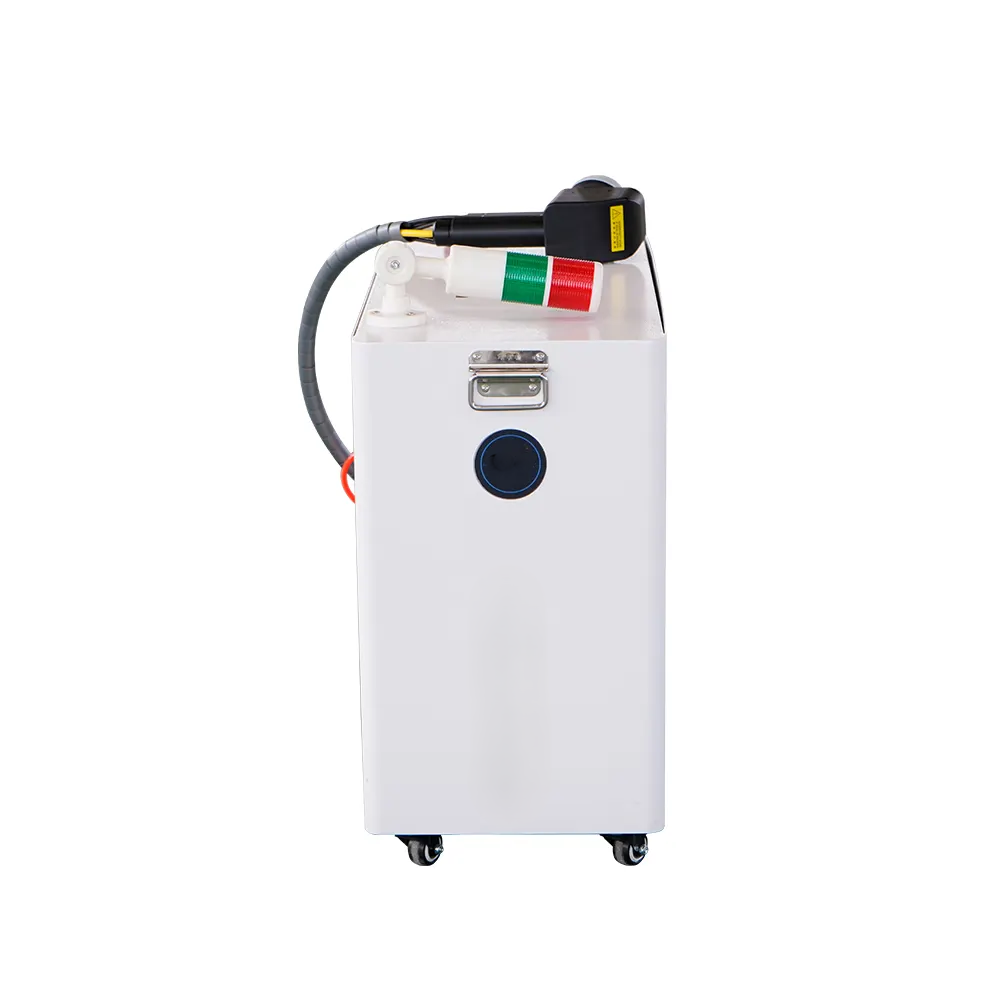
Medical technology has undergone remarkable transformation over the past decades, and among the most significant innovations is the application of pulsed laser systems in clinical practice. Unlike continuous-wave lasers that emit constant energy, a pulsed laser delivers high-intensity energy in extremely short bursts, allowing precise tissue interaction with minimal collateral damage. This controlled energy delivery has revolutionized numerous medical procedures, from dermatology to ophthalmology, making treatments safer, more effective, and less invasive. The ability of pulsed laser technology to target specific chromophores within tissues while preserving surrounding structures has opened new therapeutic possibilities that were previously unattainable with conventional surgical methods.
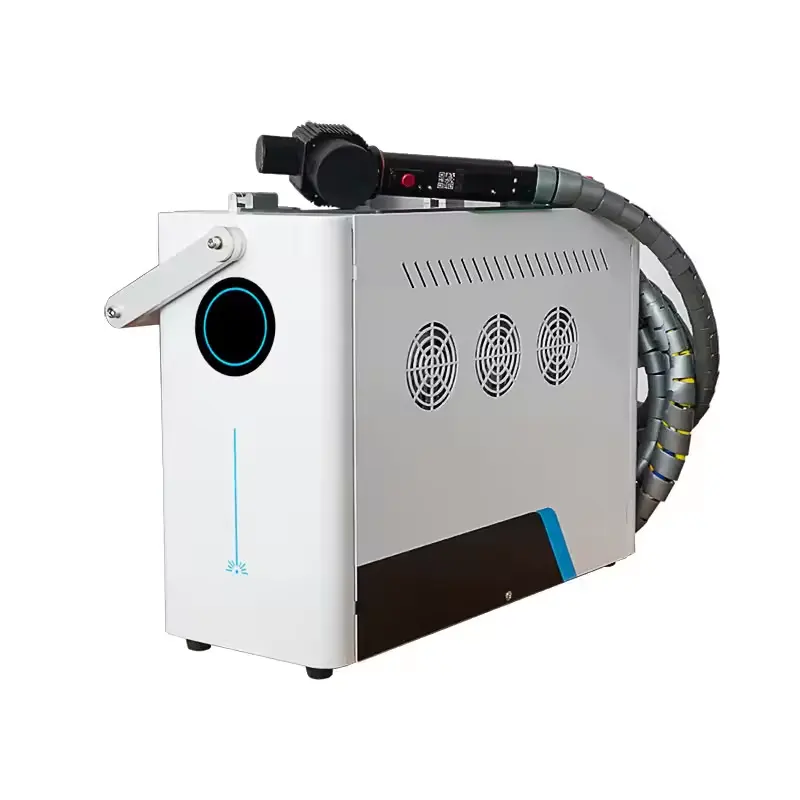
The medical field has embraced pulsed laser applications across multiple specialties, driven by the technology's unique capacity to deliver therapeutic effects without extensive tissue trauma. This article explores the top five medical applications where pulsed laser systems have become indispensable tools, examining the scientific principles behind each application, the clinical benefits they provide, and the practical considerations for their implementation. From removing unwanted pigmentation to correcting vision defects, these applications demonstrate how pulsed laser technology has fundamentally changed patient care standards and outcomes in modern medicine.
Dermatological Treatment and Skin Rejuvenation
Pigmented Lesion Removal and Tattoo Elimination
One of the most widespread applications of pulsed laser technology in medicine involves the treatment of pigmented lesions and the removal of unwanted tattoos. The pulsed laser operates on the principle of selective photothermolysis, where ultrashort pulses of laser energy target melanin or tattoo ink particles with extreme precision. These pulses, typically measured in nanoseconds or picoseconds, generate intense heat that fragments the pigment particles into smaller pieces that the body's immune system can naturally eliminate. This mechanism allows dermatologists to treat conditions such as age spots, freckles, melasma, and professional or amateur tattoos without causing significant damage to surrounding skin tissue.
The effectiveness of pulsed laser treatment for pigmented lesions depends on several technical parameters, including wavelength selection, pulse duration, and energy density. Q-switched lasers, which produce extremely short pulses in the nanosecond range, have been the gold standard for tattoo removal for many years. These devices deliver energy so rapidly that the target particles shatter through a photoacoustic effect rather than thermal destruction alone. More recently, picosecond pulsed laser systems have emerged, offering even shorter pulse durations that can fragment pigment particles more efficiently, often requiring fewer treatment sessions and producing superior clearance rates with reduced risk of post-inflammatory hyperpigmentation.
Vascular Lesion Treatment and Rosacea Management
Beyond pigment-related conditions, pulsed laser systems excel in treating vascular abnormalities such as port-wine stains, spider veins, hemangiomas, and facial redness associated with rosacea. The pulsed laser used for vascular treatments typically emits wavelengths that are preferentially absorbed by hemoglobin within blood vessels. When the laser energy is absorbed, it converts to heat within the targeted vessel, causing coagulation and eventual closure of the abnormal blood vessel while preserving the overlying skin. The pulsed delivery is critical here because it allows sufficient energy to reach the target vessel while giving surrounding tissues time to dissipate heat between pulses, minimizing thermal injury to non-target structures.
Pulsed dye lasers operating at wavelengths around 595 nanometers have become the treatment of choice for many vascular lesions due to their high selectivity for oxyhemoglobin. The pulse duration can be adjusted to match the thermal relaxation time of the target vessel, ensuring that heat remains confined to the vascular structure long enough to achieve therapeutic coagulation. For deeper or larger vessels, longer-wavelength pulsed laser systems, such as those operating at 1064 nanometers, can penetrate more deeply into the dermis. Physicians often customize treatment parameters based on vessel size, depth, and patient skin type to optimize outcomes while minimizing adverse effects such as purpura or scarring.
Ophthalmological Procedures and Vision Correction
Refractive Surgery and Corneal Reshaping
The application of pulsed laser technology in ophthalmology has transformed vision correction procedures, with excimer lasers becoming the cornerstone of modern refractive surgery. These pulsed laser systems emit ultraviolet light with wavelengths around 193 nanometers, capable of precisely removing microscopic layers of corneal tissue through a process called photoablation. Each pulse of the excimer laser breaks molecular bonds in the corneal collagen without generating significant heat, allowing surgeons to reshape the cornea with submicron precision. This level of accuracy has made procedures like LASIK and PRK highly predictable and safe, enabling millions of patients to reduce or eliminate their dependence on corrective lenses.
The pulsed nature of excimer lasers is essential to their clinical success in refractive surgery. By delivering energy in discrete pulses rather than continuously, these systems minimize thermal damage to surrounding corneal tissue and allow for extremely controlled tissue removal. Modern excimer pulsed laser platforms incorporate sophisticated eye-tracking systems and wavefront-guided ablation patterns that can correct not only common refractive errors like myopia, hyperopia, and astigmatism, but also higher-order aberrations that affect visual quality. The pulse repetition rate, typically ranging from 200 to 1000 Hertz, determines treatment speed, while pulse energy and beam profile govern ablation precision and smoothness of the resulting corneal surface.
Posterior Capsulotomy and Secondary Cataract Treatment
Another critical ophthalmological application of pulsed laser technology addresses a common complication following cataract surgery called posterior capsule opacification. After the clouded natural lens is removed during cataract surgery and replaced with an artificial intraocular lens, the remaining lens capsule can become cloudy over time, causing vision to deteriorate again. Nd:YAG pulsed laser capsulotomy provides a non-invasive solution to this problem by creating a precise opening in the clouded posterior capsule, restoring clear vision without requiring additional surgery. The procedure can be performed in an office setting within minutes, offering immediate visual improvement with minimal discomfort.
The Nd:YAG pulsed laser operates at 1064 nanometers and delivers energy in extremely short, high-energy pulses that create a photodisruptive effect within the target tissue. When focused on the posterior capsule, these pulses generate a localized plasma formation that mechanically disrupts the tissue, creating a clean opening through which light can pass unobstructed. The pulsed delivery is crucial because it concentrates energy temporally and spatially, allowing tissue disruption at the focal point while minimizing energy deposition in surrounding structures like the retina or intraocular lens. This precision has made YAG laser capsulotomy one of the most commonly performed laser procedures in ophthalmology, with an excellent safety profile and high patient satisfaction rates.
Urological Stone Fragmentation and Lithotripsy
Holmium Laser Lithotripsy Mechanism
Urological applications of pulsed laser technology have revolutionized the treatment of kidney stones and ureteral calculi through a procedure known as laser lithotripsy. The holmium:YAG pulsed laser, operating at a wavelength of 2100 nanometers, has become the preferred tool for fragmenting urinary stones during minimally invasive endoscopic procedures. This wavelength is strongly absorbed by water, causing rapid vaporization and the creation of a vapor bubble that expands and collapses, generating mechanical shockwaves that fragment the stone into smaller pieces. The pulsed nature of the holmium laser allows for controlled stone fragmentation without excessive heat buildup, protecting delicate ureteral and renal tissue from thermal injury.
The effectiveness of pulsed laser lithotripsy depends on optimizing pulse energy, frequency, and fiber diameter to match stone composition and size. Hard stones like calcium oxalate monohydrate require higher energy settings to achieve efficient fragmentation, while softer stones may be pulverized more easily at lower settings. Modern holmium pulsed laser systems offer adjustable parameters that allow urologists to employ different lithotripsy techniques, including fragmentation, where larger stones are broken into pieces for basket extraction, and dusting, where high-frequency, lower-energy pulses reduce stones to fine particles that can pass spontaneously. This versatility has made pulsed laser lithotripsy applicable to stones in various locations throughout the urinary tract, from the kidney to the bladder.
Advantages Over Alternative Stone Treatment Methods
Compared to alternative approaches such as extracorporeal shock wave lithotripsy or mechanical stone fragmentation devices, pulsed laser lithotripsy offers several distinct advantages that have driven its widespread adoption in urology. The precision of pulsed laser energy delivery allows treatment of stones in difficult anatomical locations, including lower pole calyces and proximal ureters, where other modalities may struggle. Additionally, pulsed laser systems can effectively fragment stones of any composition, whereas some stone types are resistant to shock wave lithotripsy. The ability to visualize stone fragmentation directly through an endoscope while delivering pulsed laser energy ensures complete stone clearance and reduces the likelihood of residual fragments that could serve as niduses for recurrent stone formation.
The safety profile of pulsed laser lithotripsy has also contributed to its preference among urological surgeons. Because the holmium pulsed laser energy is delivered through flexible fibers that can navigate tortuous anatomy, and because the energy absorption is limited to a very shallow depth, the risk of perforation or significant tissue injury is minimal when proper technique is employed. Post-procedure complications such as ureteral stricture or bleeding are rare, and most patients can be discharged the same day or within 24 hours of treatment. The combination of high stone-free rates, versatility across stone types and locations, and favorable safety characteristics has established pulsed laser lithotripsy as the gold standard for endoscopic stone management in contemporary urological practice.
Dental Hard Tissue and Soft Tissue Procedures
Erbium Laser Applications in Cavity Preparation
Dentistry has incorporated pulsed laser technology to enhance both hard tissue and soft tissue procedures, offering alternatives to traditional mechanical drilling and scalpel-based surgeries. Erbium family lasers, particularly Er:YAG systems operating at 2940 nanometers, have gained prominence for cavity preparation and caries removal due to their strong absorption by water and hydroxyapatite, the primary mineral component of tooth enamel and dentin. When the pulsed laser energy is absorbed by tissue water, it causes explosive vaporization that removes decayed tooth structure with minimal heat generation. This mechanism reduces patient discomfort, often eliminating the need for local anesthesia in superficial to moderate cavity preparations, and produces a surface that bonds well with modern adhesive dental materials.
The pulse parameters of erbium lasers in dental applications are carefully optimized to achieve efficient hard tissue ablation while preserving tooth structure. Pulse durations in the microsecond range and energy densities above the ablation threshold ensure clean removal of carious tissue without causing thermal damage to the pulp or surrounding healthy tooth structure. The pulsed delivery also generates characteristic popping sounds as tissue water explosively vaporizes, which some patients find less anxiety-producing than the high-pitched whine of traditional dental drills. Studies have demonstrated that pulsed laser cavity preparation can result in less microfracturing of enamel margins compared to mechanical burs, potentially improving the longevity of dental restorations by providing better marginal seal and reduced microleakage.
Soft Tissue Surgery and Gingival Procedures
Beyond hard tissue applications, pulsed laser systems have transformed soft tissue dental surgery, including gingivectomy, frenectomy, and treatment of oral lesions. Diode lasers and Nd:YAG pulsed laser devices operating at wavelengths well-absorbed by hemoglobin and melanin can precisely cut and coagulate gingival tissue with minimal bleeding and excellent hemostasis. The thermal effects of pulsed laser energy seal small blood vessels and nerve endings during cutting, reducing intraoperative bleeding and post-operative pain compared to scalpel-based techniques. Additionally, the bactericidal effects of laser energy may reduce the risk of post-surgical infection, promoting faster healing and reducing the need for systemic antibiotics in many cases.
The precision afforded by pulsed laser delivery in soft tissue dental procedures allows for conservative tissue removal and improved aesthetic outcomes. In crown lengthening procedures, for example, a pulsed laser can remove excess gingival tissue and reshape the gum line with minimal trauma to underlying bone, reducing post-operative swelling and discomfort. The lack of mechanical vibration and pressure during pulsed laser soft tissue surgery makes these procedures more comfortable for anxious patients, and the reduced need for sutures in many laser procedures simplifies post-operative care. These advantages have led to increased adoption of pulsed laser technology in periodontics, pediatric dentistry, and cosmetic dental practices where patient comfort and aesthetic outcomes are paramount considerations.
Oncological and Surgical Applications
Photodynamic Therapy and Tumor Ablation
Cancer treatment has benefited significantly from pulsed laser technology through applications in photodynamic therapy and direct tumor ablation. In photodynamic therapy, patients receive a photosensitizing agent that preferentially accumulates in malignant tissue, followed by exposure to pulsed laser light at specific wavelengths that activate the photosensitizer. This activation generates reactive oxygen species that destroy cancer cells through oxidative damage while sparing surrounding healthy tissue. Pulsed laser systems are particularly advantageous in photodynamic therapy because they can deliver high peak powers that efficiently activate photosensitizers while managing thermal effects that might otherwise damage normal tissue or reduce treatment efficacy.
For direct tumor ablation, high-energy pulsed laser systems can vaporize or coagulate tumor tissue in organs that are difficult to access surgically or in patients who are poor candidates for traditional surgery. Interstitial laser photocoagulation uses pulsed laser energy delivered through optical fibers inserted directly into tumors, causing localized hyperthermia that destroys malignant cells. The pulsed delivery mode allows control over the volume and shape of thermal damage, enabling physicians to conform the ablation zone to tumor boundaries while protecting critical adjacent structures. This application has shown promise in treating liver metastases, brain tumors, and prostate cancer, offering a minimally invasive alternative for patients where surgical resection carries excessive risk or where tumors are located in anatomically challenging positions.
Precision Surgical Cutting and Tissue Welding
Surgical specialties ranging from otolaryngology to gynecology have adopted pulsed laser systems for precision cutting and tissue welding applications. CO2 pulsed laser devices, for instance, enable surgeons to make extremely precise incisions with minimal thermal spread to adjacent tissues, reducing collateral damage and promoting faster healing with less scarring. The vaporization effect of pulsed CO2 laser energy on tissue water content allows for virtually bloodless cutting in vascular tissues, improving visualization of the surgical field and reducing operative time. In laryngeal surgery, pulsed laser systems permit delicate removal of vocal cord lesions while preserving the layered microstructure essential for normal voice production, an outcome difficult to achieve with cold steel instruments.
Emerging applications of pulsed laser technology in surgery include laser tissue welding, where carefully controlled pulsed energy can fuse tissue layers without sutures or staples. By delivering energy in pulses that cause protein denaturation and collagen cross-linking without excessive carbonization, surgeons can create strong tissue bonds in vascular, bowel, and nerve anastomoses. Although still evolving and not yet widely adopted, pulsed laser welding holds promise for reducing operative time, eliminating foreign body reactions to suture materials, and creating more flexible, physiological tissue repairs. The precise control over energy delivery afforded by modern pulsed laser systems is critical to achieving the narrow therapeutic window required for successful tissue fusion, balancing sufficient protein denaturation for bonding against excessive thermal damage that would weaken the weld or cause tissue necrosis.
FAQ
What makes pulsed laser technology safer than continuous-wave lasers in medical applications?
Pulsed laser systems deliver energy in discrete, high-intensity bursts separated by periods of no emission, allowing target tissues to absorb energy for therapeutic effect while giving surrounding tissues time to dissipate heat between pulses. This temporal confinement of energy minimizes thermal diffusion to non-target structures, reducing collateral damage and improving treatment precision. Continuous-wave lasers, by contrast, deliver constant energy that can cause progressive heat accumulation in surrounding tissues, increasing the risk of unintended thermal injury. The ability to control pulse duration, energy, and repetition rate in pulsed laser systems provides physicians with greater control over the biological effects produced, enabling treatments that would not be possible with continuous energy delivery.
How do physicians determine the appropriate pulsed laser parameters for different medical conditions?
Selection of pulsed laser parameters depends on multiple factors including the target chromophore, tissue depth, desired biological effect, and patient characteristics such as skin type or tissue pigmentation. Physicians consider the absorption spectrum of the target—whether melanin, hemoglobin, water, or another chromophore—and select a wavelength that maximizes target absorption while minimizing absorption by surrounding structures. Pulse duration is matched to the thermal relaxation time of the target, ensuring energy remains confined long enough to achieve the desired effect. Energy density is adjusted to exceed the threshold for the intended biological response while remaining below levels that would cause excessive tissue damage. Treatment protocols are typically based on published clinical studies and manufacturer guidelines, then fine-tuned based on individual patient response and treatment goals.
Are pulsed laser treatments in medicine covered by insurance plans?
Insurance coverage for pulsed laser medical procedures varies significantly depending on the specific application, medical necessity, and insurance plan details. Procedures deemed medically necessary, such as laser lithotripsy for kidney stones, YAG capsulotomy for posterior capsule opacification, or laser treatment of certain vascular lesions causing functional impairment, are typically covered by health insurance plans. Cosmetic applications of pulsed laser technology, including tattoo removal, treatment of benign pigmented lesions for aesthetic purposes, or laser skin rejuvenation, are generally not covered by insurance and are considered elective procedures paid out-of-pocket by patients. Refractive laser surgery for vision correction occupies a middle ground, with some insurance plans offering partial coverage or discounts, while many consider it an elective cosmetic procedure. Patients should verify coverage with their specific insurance provider before undergoing pulsed laser treatments.
What training do medical professionals need to operate pulsed laser systems safely?
Safe and effective operation of medical pulsed laser systems requires comprehensive training that combines theoretical knowledge of laser physics, tissue interactions, and safety principles with hands-on clinical experience under supervision. Most medical specialties that utilize pulsed laser technology offer structured training programs, often including didactic coursework covering laser fundamentals, wavelength selection, pulse parameter optimization, and potential complications. Practical training involves supervised patient treatments where physicians learn proper technique, eye protection protocols, and emergency management of adverse events. Many professional societies and laser manufacturers offer certification courses specific to particular laser systems or applications. Regulatory requirements for laser operator credentialing vary by jurisdiction, but most healthcare facilities mandate documented training and competency assessment before granting privileges for independent pulsed laser use. Ongoing continuing education helps practitioners stay current with evolving techniques and technologies in this rapidly advancing field.
Table of Contents
- Dermatological Treatment and Skin Rejuvenation
- Ophthalmological Procedures and Vision Correction
- Urological Stone Fragmentation and Lithotripsy
- Dental Hard Tissue and Soft Tissue Procedures
- Oncological and Surgical Applications
-
FAQ
- What makes pulsed laser technology safer than continuous-wave lasers in medical applications?
- How do physicians determine the appropriate pulsed laser parameters for different medical conditions?
- Are pulsed laser treatments in medicine covered by insurance plans?
- What training do medical professionals need to operate pulsed laser systems safely?