 EN
EN
 AR
AR
 FR
FR
 DE
DE
 JA
JA
 KO
KO
 RU
RU
 ES
ES


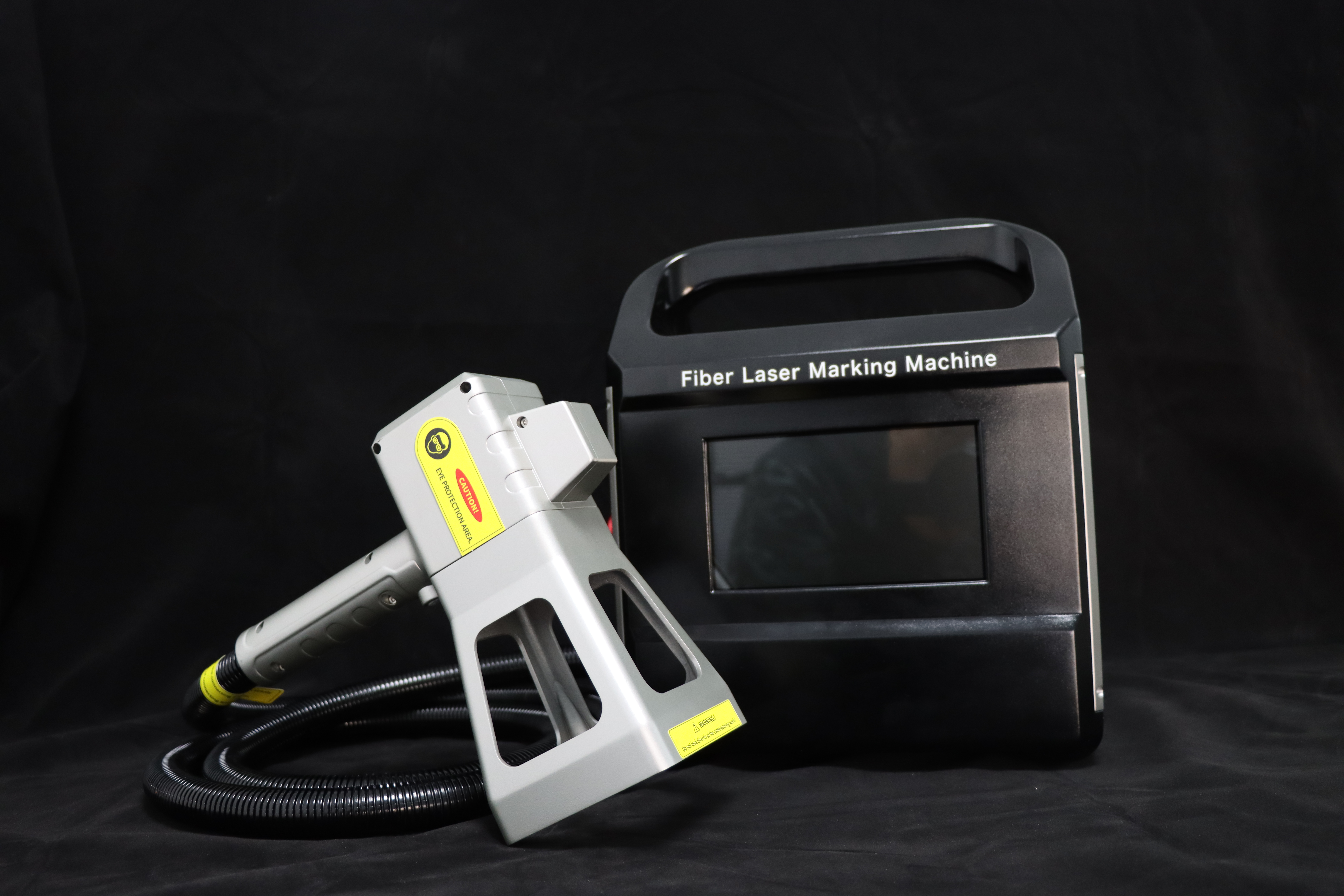
The laser marking industry is experiencing unprecedented transformation as we approach 2025, driven by technological breakthroughs, evolving manufacturing demands, and increasing sustainability requirements. These emerging trends are fundamentally reshaping how manufacturers approach laser marking applications across diverse industries, from automotive and aerospace to electronics and medical devices. Understanding these pivotal developments is crucial for businesses seeking to maintain competitive advantages and optimize their marking processes.
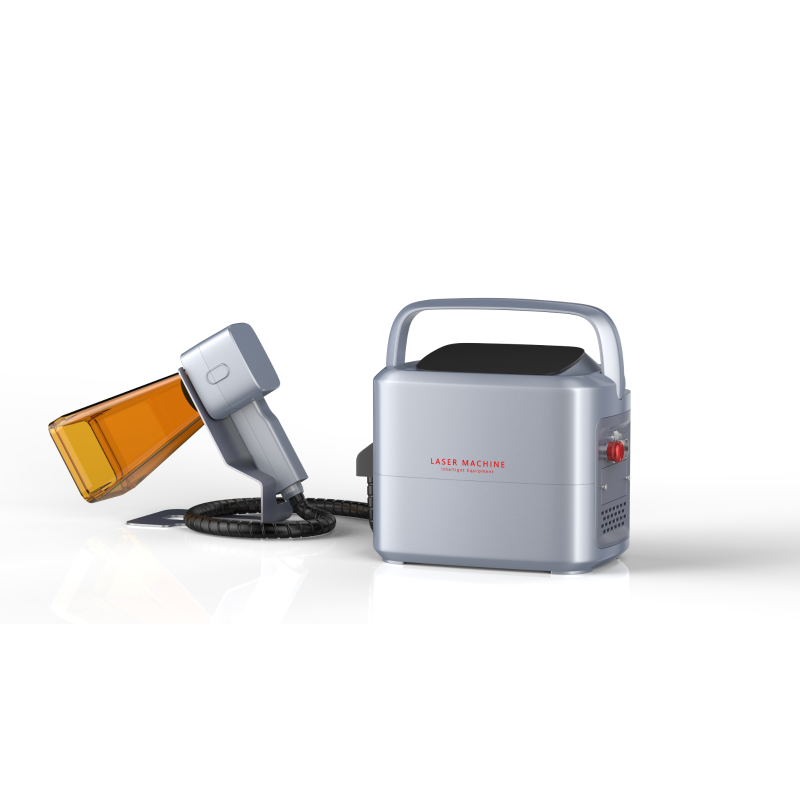
The convergence of artificial intelligence, advanced material science, and precision manufacturing requirements is creating a perfect storm of innovation within the laser marking sector. These trends represent more than incremental improvements; they signify a fundamental shift toward smarter, more efficient, and environmentally conscious marking solutions that will define the industry landscape for years to come.
Advanced Fiber Laser Integration and Performance Enhancement
Ultra-High Speed Marking Capabilities
Modern laser marking systems are achieving unprecedented marking speeds through advanced fiber laser technology integration. Manufacturers are implementing high-frequency pulse modulation techniques that enable marking rates exceeding 10,000 characters per minute while maintaining exceptional quality standards. This dramatic speed improvement directly addresses the growing demand for high-volume production environments where throughput efficiency determines profitability.
The evolution toward ultra-high speed marking involves sophisticated beam control systems that optimize power delivery and pulse timing. These systems utilize advanced galvanometer scanning technologies that minimize settling time between marking positions, resulting in seamless continuous marking operations. Industries requiring extensive serial number marking, date coding, and traceability applications benefit significantly from these speed enhancements.
Quality consistency remains paramount despite increased marking speeds. Advanced laser marking platforms now incorporate real-time quality monitoring systems that adjust parameters automatically to maintain uniform mark depth, contrast, and legibility across extended production runs. This combination of speed and quality represents a fundamental advancement in manufacturing efficiency.
Enhanced Power Efficiency and Thermal Management
Energy efficiency has become a critical consideration in laser marking system design, with manufacturers developing solutions that reduce power consumption by up to 40% compared to traditional marking technologies. Advanced thermal management systems prevent overheating while maintaining consistent marking performance throughout extended operation cycles.
Innovative cooling technologies, including liquid cooling systems and advanced heat sink designs, enable continuous operation without performance degradation. These thermal management improvements extend component lifespan and reduce maintenance requirements, contributing to lower total cost of ownership for laser marking equipment.
Smart power management algorithms automatically adjust laser output based on material properties and marking requirements, optimizing energy consumption while ensuring mark quality standards. This intelligent power control reduces operational costs and supports sustainability initiatives across manufacturing operations.
Artificial Intelligence Integration and Smart Process Control
Machine Learning-Driven Quality Optimization
Artificial intelligence integration represents one of the most significant trends transforming laser marking operations. Machine learning algorithms analyze marking patterns, material responses, and quality outcomes to automatically optimize laser parameters for consistent results. These AI-driven systems learn from each marking operation, continuously improving performance and reducing defect rates.
Predictive quality control systems utilize computer vision and pattern recognition to identify potential marking defects before they occur. By analyzing real-time marking data, these systems can predict when parameter adjustments are necessary to maintain quality standards, reducing waste and improving overall equipment effectiveness.
Advanced laser marking systems now incorporate adaptive learning capabilities that adjust to different material batches, environmental conditions, and production requirements without manual intervention. This autonomous optimization reduces operator dependency and ensures consistent marking quality across varying production conditions.
Predictive Maintenance and Equipment Monitoring
AI-powered predictive maintenance systems monitor laser marking equipment health in real-time, analyzing performance data to predict potential failures before they occur. These systems track component wear patterns, power output variations, and thermal performance to schedule maintenance activities proactively, minimizing unexpected downtime.
Smart diagnostic tools provide detailed equipment performance analytics, enabling maintenance teams to optimize service schedules and component replacement timing. This data-driven approach to maintenance management extends equipment lifespan and reduces operational disruptions in high-volume production environments.
Remote monitoring capabilities allow technical support teams to diagnose laser marking system issues remotely, providing immediate troubleshooting assistance and reducing service response times. This connectivity enhancement is particularly valuable for manufacturers operating multiple production facilities or remote manufacturing locations.
Advanced Material Processing and Compatibility Expansion
Multi-Material Marking Capabilities
The expansion of laser marking compatibility to include challenging materials represents a significant industry trend. Advanced laser systems now successfully mark on materials previously considered difficult or impossible to process, including certain plastics, composites, and specialized alloys used in aerospace and medical applications.
Adaptive wavelength technologies enable laser marking systems to automatically adjust output characteristics based on material properties, ensuring optimal marking results across diverse substrate types. This versatility eliminates the need for multiple marking systems in facilities processing various materials, reducing equipment costs and operational complexity.
Surface preparation and post-processing integration capabilities enhance marking quality on challenging materials. Advanced laser marking systems incorporate surface conditioning techniques that prepare materials for optimal mark reception, while integrated cleaning systems remove debris and oxidation that could compromise mark quality.
Nanoscale Precision and Microscopic Marking
Precision requirements in electronics, medical devices, and miniaturized components drive demand for nanoscale laser marking capabilities. Advanced focusing systems and beam shaping technologies enable marking features measured in micrometers while maintaining exceptional edge definition and contrast ratios.
Ultra-precision positioning systems incorporate piezoelectric actuators and closed-loop feedback control to achieve positioning accuracy within nanometer tolerances. This precision enables marking of microscopic features, QR codes, and identification marks on components where space constraints are critical.
Specialized laser marking systems designed for microscopic applications utilize advanced optics and beam delivery systems optimized for small feature marking. These systems maintain mark quality consistency even when processing features approaching the diffraction limits of laser wavelengths.
Sustainability and Environmental Compliance Initiatives
Eco-Friendly Marking Processes
Environmental sustainability has become a primary driver in laser marking technology development. Manufacturers are developing laser marking processes that eliminate hazardous chemicals, reduce waste generation, and minimize environmental impact throughout the marking lifecycle. These eco-friendly approaches align with increasingly stringent environmental regulations and corporate sustainability goals.
Chemical-free marking processes utilize laser energy to create permanent marks without requiring consumable inks, solvents, or etching chemicals. This elimination of consumables reduces ongoing operational costs while eliminating chemical waste disposal requirements and associated environmental compliance burdens.
Energy-efficient laser marking systems incorporate renewable energy compatibility, advanced power management, and reduced power consumption designs that support carbon footprint reduction initiatives. These systems contribute to LEED certification requirements and environmental stewardship programs across manufacturing facilities.
Circular Economy and Recyclability Support
Laser marking technologies are evolving to support circular economy initiatives through enhanced traceability and recycling compatibility. Advanced marking techniques create permanent identification codes that survive recycling processes, enabling better material tracking and recovery throughout product lifecycles.
Biodegradable and recyclable substrate compatibility ensures laser marking processes do not compromise material recyclability. Specialized marking parameters and techniques preserve material properties while creating necessary identification marks, supporting sustainable manufacturing practices.
Extended producer responsibility compliance drives demand for laser marking systems capable of creating detailed product information, recycling instructions, and material composition data directly on products. These comprehensive marking capabilities support regulatory compliance while facilitating end-of-life material recovery.
Industry 4.0 Integration and Smart Manufacturing
IoT Connectivity and Data Integration
Internet of Things connectivity transforms laser marking systems into intelligent manufacturing nodes that communicate seamlessly with enterprise resource planning systems, quality management platforms, and production control networks. This integration enables real-time production monitoring, automated quality reporting, and seamless traceability throughout manufacturing processes.
Cloud-based data analytics platforms aggregate laser marking performance data from multiple systems and facilities, providing comprehensive insights into production efficiency, quality trends, and equipment utilization patterns. These analytics support data-driven decision making and continuous improvement initiatives across manufacturing operations.
Standardized communication protocols ensure laser marking systems integrate smoothly with existing manufacturing execution systems and automated production lines. This compatibility reduces integration complexity and enables rapid deployment of laser marking solutions within established manufacturing environments.
Automated Quality Assurance and Traceability
Automated quality assurance systems integrate vision inspection, barcode verification, and database connectivity to ensure every marked component meets quality standards and traceability requirements. These systems automatically reject defective parts and update tracking databases without manual intervention.
Blockchain integration enables secure, immutable traceability records that track components from raw material through final assembly and field service. This comprehensive traceability supports quality investigations, warranty management, and regulatory compliance requirements across complex supply chains.
Real-time quality reporting systems provide immediate feedback on marking quality, production rates, and system performance to quality assurance teams and production managers. This immediate visibility enables rapid response to quality issues and supports continuous improvement initiatives.
FAQ
What are the most significant laser marking trends for 2025?
The most significant laser marking trends for 2025 include artificial intelligence integration for automated quality optimization, ultra-high speed fiber laser systems, advanced material compatibility expansion, sustainability-focused eco-friendly processes, and comprehensive Industry 4.0 connectivity with IoT integration and real-time analytics capabilities.
How is artificial intelligence changing laser marking operations?
Artificial intelligence revolutionizes laser marking through machine learning algorithms that automatically optimize marking parameters, predictive maintenance systems that prevent equipment failures, computer vision quality inspection that identifies defects in real-time, and adaptive process control that adjusts to varying materials and environmental conditions without manual intervention.
What sustainability benefits do modern laser marking systems provide?
Modern laser marking systems support sustainability through chemical-free marking processes that eliminate hazardous consumables, energy-efficient designs that reduce power consumption by up to 40%, recyclability-compatible marking techniques that preserve material properties, and comprehensive traceability capabilities that support circular economy initiatives and extended producer responsibility compliance.
How do Industry 4.0 capabilities enhance laser marking operations?
Industry 4.0 capabilities enhance laser marking through IoT connectivity that enables real-time production monitoring and remote diagnostics, cloud-based analytics that provide comprehensive performance insights across multiple facilities, automated quality assurance with vision inspection and database integration, and blockchain traceability that creates secure, immutable records throughout product lifecycles.