 EN
EN
 AR
AR
 FR
FR
 DE
DE
 JA
JA
 KO
KO
 RU
RU
 ES
ES


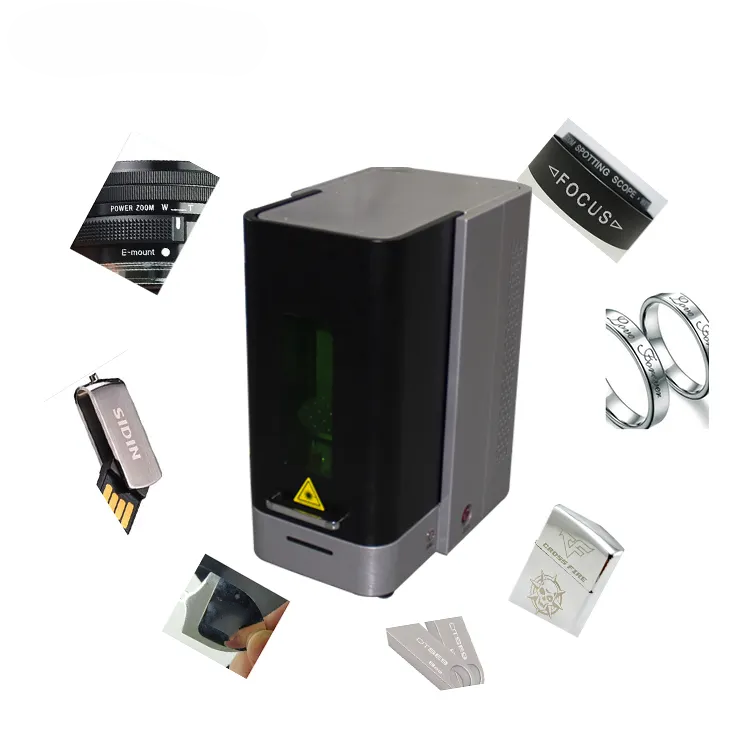
The precise nature of modern manufacturing demands permanent identification solutions that maintain clarity, durability, and efficiency across diverse materials and applications. Laser marking has emerged as the definitive technology for creating high-contrast, permanent marks on metals, plastics, ceramics, and composites without compromising material integrity or introducing consumable costs.
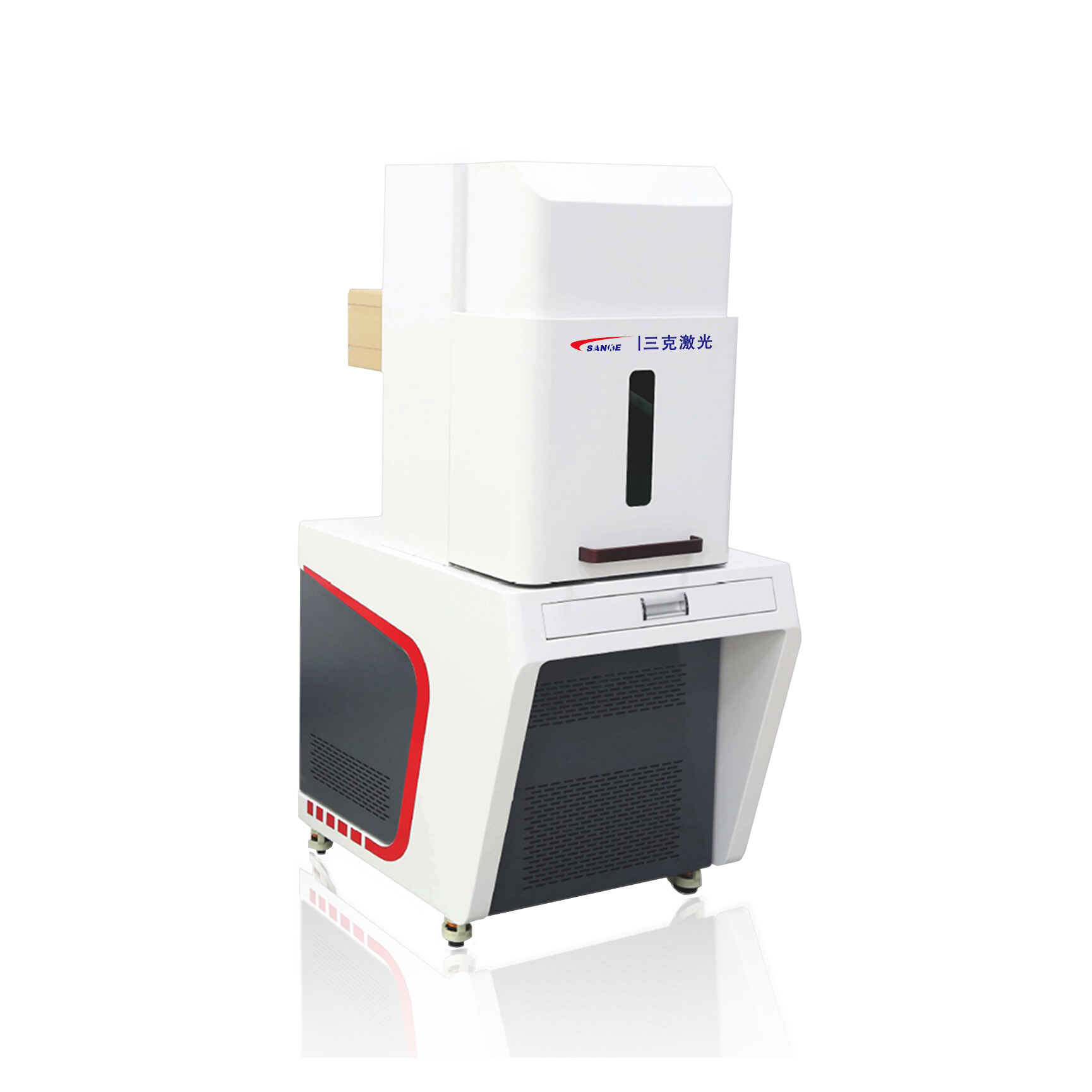
Understanding how laser marking functions reveals why this technology has revolutionized product identification, traceability, and branding across industries from aerospace to electronics. The process leverages concentrated light energy to create permanent alterations at the molecular level, delivering unmatched precision and repeatability while eliminating the maintenance requirements and ongoing costs associated with traditional marking methods.
Core Laser Marking Process Mechanics
Laser Beam Generation and Focusing
The laser marking process begins with the generation of a highly concentrated beam of coherent light within the laser source. This beam originates from the stimulated emission of photons within the laser medium, whether solid-state crystals, fiber optic cores, or gas chambers. The resulting light exhibits exceptional spatial and temporal coherence, meaning all photons travel in the same direction with synchronized wave patterns.
Advanced optical systems then focus this coherent light into an extremely small spot size, typically measuring between 20 to 100 micrometers in diameter. The focusing assembly includes precision lenses and mirrors that concentrate the laser energy to power densities exceeding several megawatts per square centimeter. This concentration enables the laser marking system to deliver sufficient energy density to alter material properties without affecting surrounding areas.
Beam steering mechanisms control the precise positioning and movement of the focused laser spot across the workpiece surface. Galvanometer-driven mirrors provide rapid, accurate positioning with speeds reaching several meters per second, while maintaining positional accuracy within micrometers. This combination of intense focus and precise control forms the foundation of effective laser marking operations.
Material Interaction Mechanisms
When the focused laser beam contacts the target material, several distinct physical processes occur depending on the material composition and laser parameters. The concentrated energy causes rapid heating of the material surface, leading to thermal effects that create permanent visual contrast through various mechanisms including oxidation, carbonization, foaming, or ablation.
For metallic materials, laser marking typically induces controlled oxidation or annealing processes that alter the surface reflectivity and color without removing material. The precise control of laser power and exposure time allows operators to achieve consistent color changes ranging from light gold to deep black, depending on the specific alloy and processing parameters selected.
Polymer materials respond to laser marking through carbonization processes that create dark marks within light-colored substrates, or through foaming mechanisms that generate light marks on dark materials. The thermal effects remain confined to the immediate interaction zone, preserving the structural integrity and mechanical properties of the surrounding material.
Laser Marking System Components and Operation
Laser Source Technologies
Modern laser marking systems employ various laser technologies optimized for different material types and marking requirements. Fiber lasers dominate industrial applications due to their exceptional reliability, energy efficiency, and superior beam quality. These systems generate laser light through rare-earth-doped optical fibers, producing wavelengths around 1060 nanometers that provide excellent absorption in metals and many engineering plastics.
CO2 laser systems operate at 10,600 nanometer wavelengths, making them ideal for organic materials including wood, paper, leather, and many polymer compositions. The longer wavelength enables efficient energy absorption in materials with high carbon content, while the relatively gentle heating characteristics prevent thermal damage to sensitive substrates.
UV laser marking systems utilize short wavelengths around 355 nanometers to achieve cold marking effects on materials sensitive to thermal processing. This technology excels in applications requiring minimal heat-affected zones, such as marking thin films, delicate electronic components, or materials prone to thermal distortion during conventional laser marking processes.
Control Systems and Software Integration
Sophisticated control systems coordinate all aspects of the laser marking process, from beam positioning to power modulation and timing synchronization. These systems integrate real-time feedback mechanisms that monitor marking quality and adjust parameters automatically to maintain consistent results across production runs.
Advanced software platforms enable operators to design complex marking patterns, import CAD files, and establish automated marking sequences that integrate seamlessly with manufacturing workflows. The software manages laser power profiles, marking speeds, and repetition rates to optimize mark quality while maximizing throughput for specific material and design combinations.
Vision systems increasingly complement laser marking installations, providing real-time verification of mark quality and position accuracy. These integrated solutions ensure every marked part meets specified requirements while documenting the marking process for quality assurance and traceability purposes.
Laser Marking Applications and Material Compatibility
Industrial Applications Across Sectors
Automotive manufacturing relies extensively on laser marking for component identification, traceability, and quality control throughout the supply chain. Engine components, transmission parts, and safety-critical assemblies receive permanent laser marks that survive harsh operating environments while providing clear identification for maintenance and recall procedures. The automotive industry particularly values the ability of laser marking to create marks that withstand exposure to oils, coolants, and temperature extremes.
Electronics and semiconductor industries utilize laser marking for component identification, date coding, and brand marking on circuit boards, connectors, and electronic housings. The precision capabilities of laser marking enable clear marking on miniature components without affecting electrical performance or thermal characteristics. UV laser marking proves especially valuable for marking sensitive electronic materials that cannot tolerate thermal processing.
Medical device manufacturing demands the highest standards of mark permanence, biocompatibility, and traceability. Laser marking provides the necessary combination of durability and precision required for surgical instruments, implantable devices, and diagnostic equipment. The process creates marks that survive sterilization procedures while maintaining legibility throughout the device lifecycle.
Material-Specific Marking Characteristics
Stainless steel responds exceptionally well to laser marking, producing high-contrast marks through controlled oxidation and annealing processes. The chromium content in stainless steel enables the creation of various colors and contrast levels by adjusting laser parameters, making it possible to achieve both functional identification marks and decorative surface treatments.
Aluminum alloys require carefully optimized laser marking parameters to achieve consistent contrast without compromising surface finish or corrosion resistance. The high thermal conductivity of aluminum demands precise control of laser power and exposure time to create permanent marks while avoiding excessive heat buildup that could affect material properties.
Engineering plastics including polyamides, polycarbonates, and polyoxymethylene exhibit varying responses to laser marking depending on their specific formulations and additive content. Many engineering plastics contain additives specifically designed to enhance laser marking contrast, enabling the creation of high-quality marks with minimal thermal effects on surrounding material.
Operational Benefits and Performance Advantages
Production Efficiency and Cost Benefits
Laser marking systems deliver exceptional operational efficiency through their contactless processing approach and elimination of consumable materials. Unlike ink-based or mechanical marking methods, laser marking requires no replacement parts, inks, or cutting tools, reducing ongoing operational costs while eliminating supply chain dependencies for consumable materials.
The rapid processing speeds achievable with modern laser marking systems enable integration into high-volume production lines without creating bottlenecks. Marking cycles typically complete within seconds, while the systems operate continuously with minimal maintenance requirements. This combination of speed and reliability translates to lower per-unit marking costs and improved overall equipment effectiveness.
Energy efficiency represents another significant advantage of laser marking technology. Modern fiber laser systems convert electrical energy to useful laser output with efficiencies exceeding 30%, while requiring minimal cooling and support infrastructure. The reduced energy consumption contributes to lower operating costs and smaller environmental footprint compared to alternative marking technologies.
Quality and Durability Characteristics
The permanent nature of laser marking ensures mark durability that withstands environmental exposure, chemical contact, and mechanical wear throughout the product lifecycle. Laser marks maintain their contrast and legibility even after extended exposure to UV radiation, temperature cycling, and corrosive environments that would compromise printed or etched identification marks.
Precision capabilities of laser marking systems enable the creation of extremely fine details and complex patterns with dimensional accuracy measured in micrometers. This precision supports applications requiring high-density information encoding, such as two-dimensional barcodes, while maintaining excellent readability for automated scanning systems.
Repeatability and consistency of laser marking processes ensure uniform mark quality across large production volumes. Computer-controlled laser systems eliminate variations associated with manual operations or mechanical wear, producing identical marks on every part while maintaining statistical process control standards required for critical applications.
FAQ
What types of materials can be effectively marked using laser marking technology?
Laser marking technology works effectively on a wide range of materials including metals like stainless steel, aluminum, titanium, and brass, various plastics and polymers, ceramics, glass, leather, wood, and many composite materials. The key is selecting the appropriate laser wavelength and parameters for each specific material type to achieve optimal contrast and mark quality.
How does laser marking compare to traditional marking methods in terms of durability?
Laser marking produces significantly more durable marks than traditional methods like printing, stamping, or etching. Laser marks are created by permanently altering the material at the molecular level, making them resistant to fading, wearing, chemical exposure, and environmental conditions that typically degrade printed or surface-applied markings over time.
Can laser marking systems integrate with existing manufacturing automation systems?
Modern laser marking systems are designed for seamless integration with manufacturing automation systems through standard industrial communication protocols, programmable logic controllers, and conveyor interfaces. They can receive marking instructions from manufacturing execution systems, coordinate with robotics, and provide real-time status feedback to maintain optimal production flow.
What maintenance requirements are associated with laser marking equipment?
Laser marking systems require minimal maintenance compared to traditional marking equipment. Regular maintenance typically involves cleaning optical components, checking beam alignment, and replacing protective windows when necessary. Most modern systems include diagnostic capabilities that monitor performance and alert operators to maintenance needs, with many components designed for thousands of hours of operation between service intervals.
Table of Contents
- Core Laser Marking Process Mechanics
- Laser Marking System Components and Operation
- Laser Marking Applications and Material Compatibility
- Operational Benefits and Performance Advantages
-
FAQ
- What types of materials can be effectively marked using laser marking technology?
- How does laser marking compare to traditional marking methods in terms of durability?
- Can laser marking systems integrate with existing manufacturing automation systems?
- What maintenance requirements are associated with laser marking equipment?