 EN
EN
 AR
AR
 FR
FR
 DE
DE
 JA
JA
 KO
KO
 RU
RU
 ES
ES


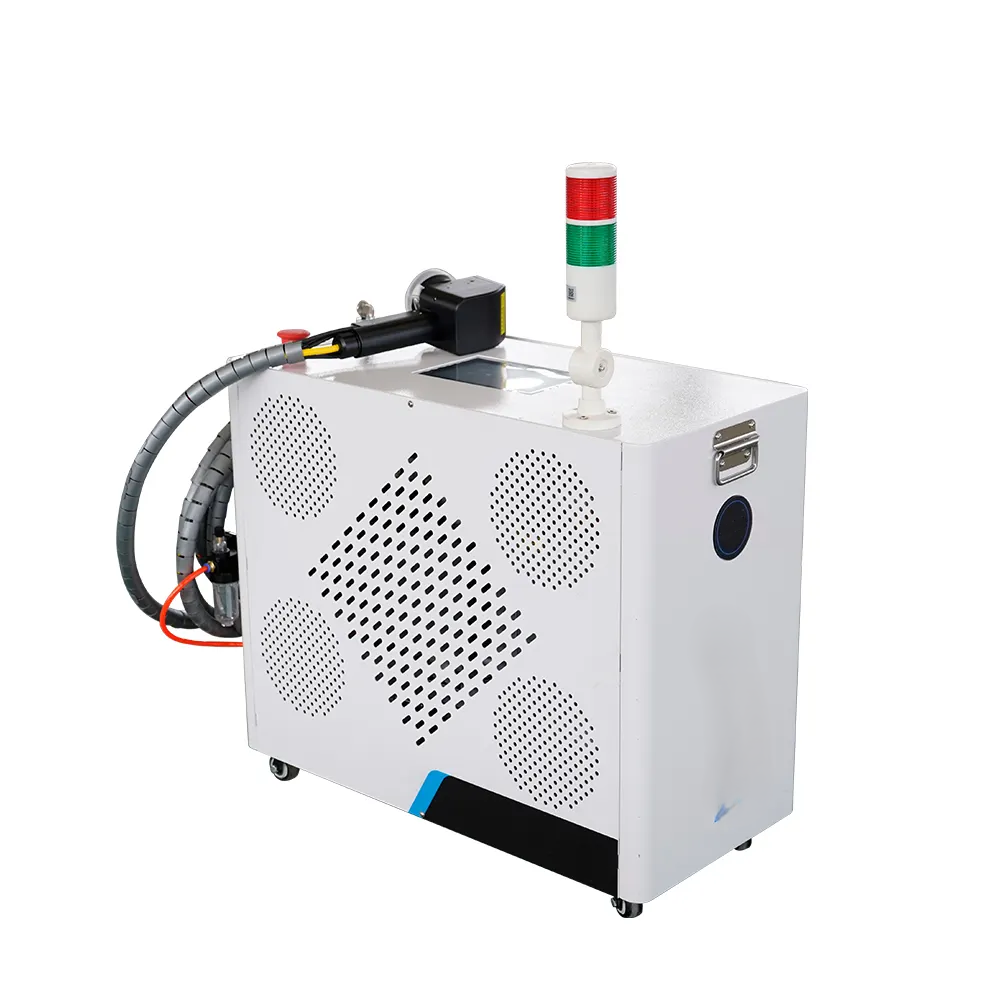
The choice between pulsed laser and continuous wave laser systems fundamentally depends on your specific application requirements, material properties, and desired outcomes. While both technologies offer distinct advantages, understanding their operational differences is crucial for making an informed decision that aligns with your manufacturing needs and quality expectations.
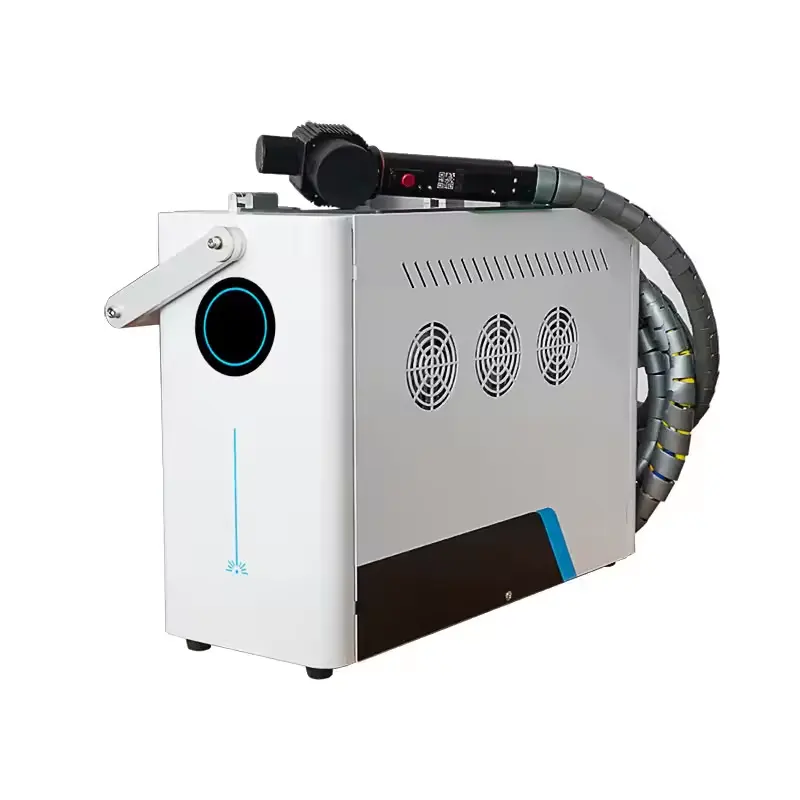
The effectiveness of each laser type varies significantly based on factors such as material thickness, heat sensitivity, processing speed requirements, and precision demands. Pulsed laser technology excels in applications requiring precise control over heat input and minimal thermal damage, while continuous wave systems offer advantages in high-speed processing and deep penetration applications.
Understanding Laser Operation Modes
Pulsed Laser Technology Fundamentals
A pulsed laser delivers energy in discrete bursts or pulses, allowing for precise control over power delivery timing. Each pulse contains concentrated energy that can achieve extremely high peak powers while maintaining relatively low average power output. This operational characteristic makes pulsed laser systems particularly effective for applications requiring controlled heat input and minimal thermal distortion.
The pulse duration, frequency, and energy per pulse can be precisely controlled, enabling fine-tuned optimization for specific materials and applications. Modern pulsed laser systems can generate pulse durations ranging from nanoseconds to milliseconds, with frequencies adjustable from single pulses to several kilohertz.
Peak power density in pulsed laser operations often exceeds continuous wave systems by orders of magnitude, enabling efficient processing of reflective materials and achieving precise material removal rates. This high peak power characteristic allows pulsed laser technology to overcome threshold energy requirements for various industrial processes.
Continuous Wave Laser Characteristics
Continuous wave lasers provide steady, uninterrupted energy output, delivering consistent power levels throughout the entire processing duration. This operational mode enables sustained heating and deep penetration capabilities, making continuous systems ideal for applications requiring significant material removal or thick section processing.
The constant energy delivery of continuous wave systems typically results in higher average power output compared to pulsed laser alternatives, translating to faster processing speeds for compatible applications. Heat accumulation occurs naturally during continuous operation, which can be advantageous for certain welding and cutting applications.
Continuous wave laser systems generally offer simpler control mechanisms and potentially lower initial equipment costs, as they require less sophisticated pulse generation and timing electronics compared to advanced pulsed laser systems.
Heat Input and Thermal Management Comparison
Thermal Control Advantages of Pulsed Systems
Pulsed laser technology provides superior thermal control through intermittent energy delivery, allowing heat dissipation between pulses. This characteristic significantly reduces the heat-affected zone and minimizes thermal distortion in processed materials, making pulsed laser systems ideal for precision applications on heat-sensitive components.
The ability to control pulse duration and frequency enables precise thermal management, preventing overheating while maintaining sufficient energy density for effective processing. Advanced pulsed laser systems can adjust thermal input parameters in real-time based on material response and processing feedback.
Material integrity preservation becomes significantly easier with pulsed laser technology, as the controlled heat input prevents metallurgical changes that could compromise component strength or dimensional stability. This thermal management capability proves particularly valuable in aerospace and medical device manufacturing applications.
Continuous Wave Heat Characteristics
Continuous wave laser systems generate sustained heating patterns that promote deeper heat penetration and material softening. While this characteristic enables efficient processing of thick materials, it also increases the risk of thermal damage in heat-sensitive applications.
Heat accumulation in continuous wave processing can lead to larger heat-affected zones and potential thermal distortion, requiring careful process parameter optimization and sometimes additional cooling measures. However, this sustained heating can be advantageous for applications requiring thermal treatment or stress relief.
The predictable heating pattern of continuous wave systems simplifies thermal modeling and process planning, enabling consistent results across similar components and materials when proper parameters are established.
Application Suitability and Performance Characteristics
Precision Processing Applications
Precision manufacturing applications consistently favor pulsed laser technology due to its superior control over energy delivery and minimal thermal impact. Micromachining, electronics manufacturing, and medical device production benefit from the precise material removal and reduced heat-affected zones achievable with pulsed laser systems.
Complex geometries and delicate materials require the controlled energy delivery that pulsed laser systems provide. The ability to process materials without significant thermal distortion enables manufacturing of components with tight tolerances and critical dimensional requirements.
Surface treatment applications, including cleaning, texturing, and selective material removal, achieve superior results with pulsed laser technology due to the precise control over processing depth and minimal substrate damage.
High-Speed and Heavy-Duty Applications
Continuous wave laser systems excel in applications requiring high material removal rates and deep penetration capabilities. Thick section cutting, heavy welding, and rapid processing operations benefit from the sustained energy output and higher average power levels available with continuous systems.
Production environments prioritizing throughput over precision often favor continuous wave technology for its ability to maintain consistent processing speeds without the inherent timing limitations of pulsed laser systems. Material thickness capabilities typically exceed those achievable with comparable pulsed laser systems.
Continuous wave processing proves particularly effective for applications where heat input benefits material properties, such as certain welding applications requiring deep fusion zones and stress relief heating.
Cost Considerations and Economic Factors
Initial Investment and Equipment Costs
Pulsed laser systems typically require higher initial investment due to the sophisticated electronics needed for pulse generation, timing control, and power modulation. Advanced pulse control systems, frequency generators, and precision timing circuits contribute to increased equipment costs compared to continuous wave alternatives.
However, the precision capabilities of pulsed laser technology often justify higher equipment costs through reduced material waste, improved quality outcomes, and elimination of secondary processing requirements. Long-term cost analysis should consider these operational benefits alongside initial purchase prices.
Maintenance requirements for pulsed laser systems may be more complex due to additional electronic components, but modern systems demonstrate excellent reliability when properly maintained and operated within specified parameters.
Operational Cost Analysis
Energy consumption patterns differ significantly between pulsed laser and continuous systems, with pulsed technology often achieving better energy efficiency for precision applications. The ability to deliver energy only when needed reduces overall power consumption while maintaining processing effectiveness.
Consumable costs, including optical components and maintenance items, vary based on operating conditions and application requirements. Pulsed laser systems may experience reduced wear on optical components due to lower average power operation, potentially extending component life.
Process efficiency improvements achieved through pulsed laser precision can significantly impact overall production costs by reducing rework, material waste, and quality control requirements.
Material Compatibility and Processing Capabilities
Material Response to Pulsed Energy
Different materials respond uniquely to pulsed laser energy delivery, with many advanced materials showing improved processing characteristics under pulsed conditions. Reflective materials often process more effectively with pulsed laser technology due to the high peak power densities achievable during pulse events.
Composite materials and thermally sensitive substrates benefit from the controlled heat input of pulsed laser systems, enabling processing without delamination or thermal degradation. The ability to process these challenging materials expands manufacturing capabilities and application possibilities.
Thin materials and coatings achieve superior processing results with pulsed laser technology, as the controlled energy delivery prevents breakthrough damage and maintains substrate integrity throughout the processing operation.
Continuous Wave Material Interactions
Continuous wave laser processing excels with materials requiring sustained heating for optimal results, including certain metals that benefit from thermal cycling and stress relief. The steady energy input promotes uniform heating and consistent material response across processing zones.
Thick materials and heavy sections process effectively under continuous wave conditions, as the sustained energy delivery enables complete penetration and uniform heating throughout material thickness. Processing speeds for compatible materials often exceed those achievable with pulsed laser systems.
Materials with high thermal conductivity may require the sustained energy input of continuous wave systems to achieve effective processing, as rapid heat dissipation can prevent adequate energy accumulation during pulsed operations.
FAQ
Which laser type provides better precision for delicate materials?
Pulsed laser systems provide significantly better precision for delicate materials due to their controlled energy delivery and minimal thermal impact. The ability to deliver high peak power in short bursts allows precise material removal while preventing thermal damage to surrounding areas, making pulsed lasers ideal for electronics, medical devices, and other precision applications.
Can continuous wave lasers achieve the same quality as pulsed systems?
Continuous wave lasers can achieve excellent quality for appropriate applications, particularly those involving thick materials or requiring deep penetration. However, for applications requiring minimal heat-affected zones and precise thermal control, pulsed laser technology generally provides superior quality outcomes due to its controlled energy delivery characteristics.
What factors determine the cost-effectiveness of each laser type?
Cost-effectiveness depends on your specific application requirements, including precision needs, material types, production volumes, and quality standards. Pulsed laser systems may have higher initial costs but often provide better long-term value for precision applications through reduced waste and improved quality, while continuous wave systems may be more cost-effective for high-volume, less precision-critical applications.
How do processing speeds compare between pulsed and continuous lasers?
Processing speeds vary significantly based on application requirements and material characteristics. Continuous wave lasers typically achieve faster processing speeds for compatible applications due to their sustained energy output, while pulsed laser systems may process more slowly but often eliminate secondary processing requirements through superior initial quality, potentially reducing overall production time.