 EN
EN
 AR
AR
 FR
FR
 DE
DE
 JA
JA
 KO
KO
 RU
RU
 ES
ES



Understanding laser drilling costs represents a critical financial decision for manufacturers evaluating precision machining investments. The initial capital expenditure for laser drilling equipment ranges from $150,000 to over $2 million, depending on power output, automation level, and specialized features required for specific applications. However, the true cost analysis extends far beyond equipment purchase price to include operational expenses, maintenance requirements, productivity gains, and long-term return on investment calculations that determine the financial viability of laser drilling implementation.
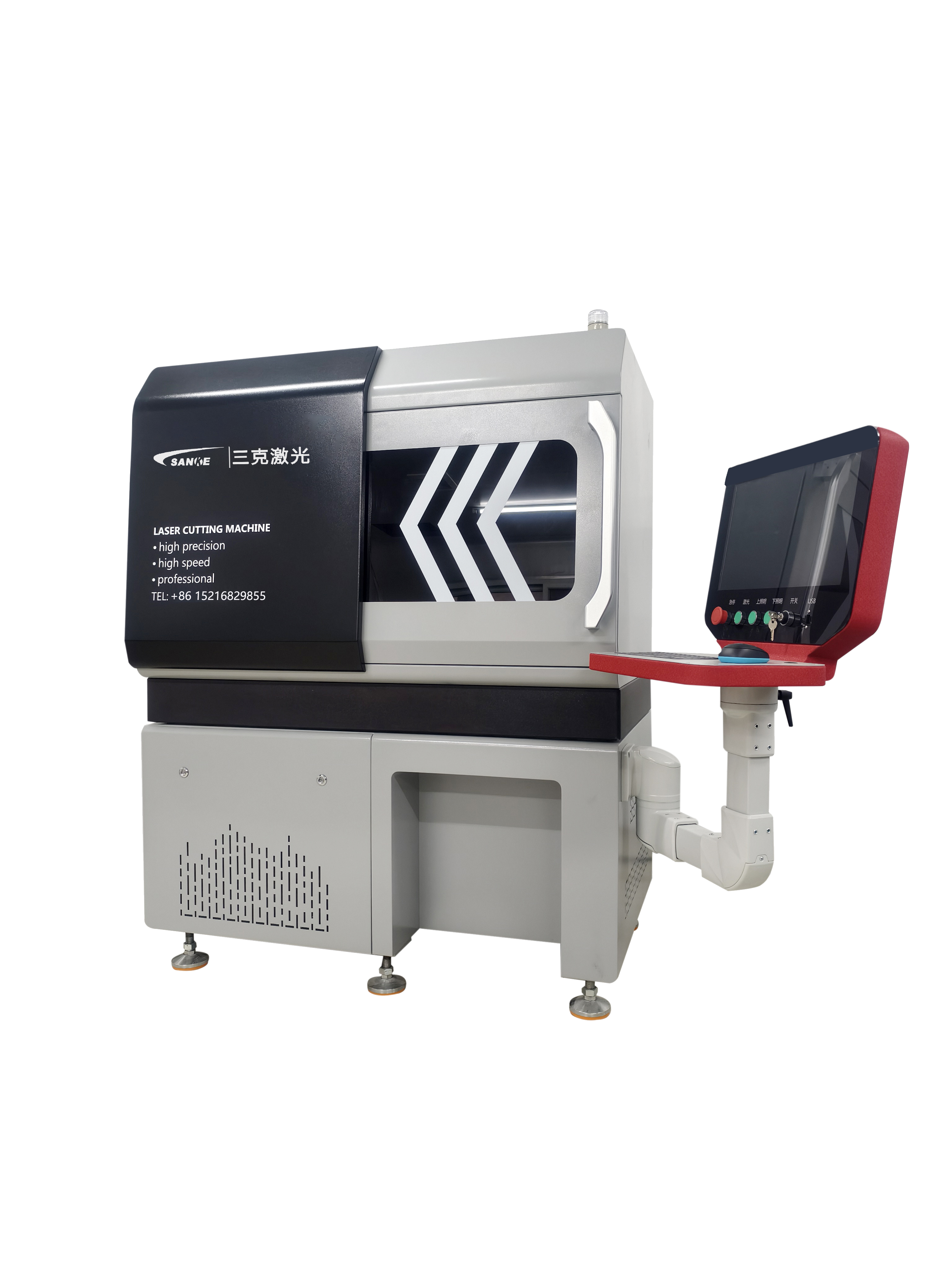
Calculating the return on investment for laser drilling systems requires comprehensive analysis of direct cost savings, productivity improvements, quality enhancements, and reduced waste compared to conventional drilling methods. Modern laser drilling technology delivers precision capabilities that eliminate secondary operations, reduce material waste by up to 40%, and achieve drilling speeds 5-10 times faster than mechanical alternatives. These performance advantages translate into measurable cost reductions and revenue increases that typically justify the investment within 18-36 months for high-volume manufacturing operations.
Equipment Investment Analysis
Initial Capital Requirements
The capital investment for laser drilling equipment varies significantly based on system specifications and application requirements. Entry-level laser drilling systems suitable for prototype development and low-volume production typically cost between $150,000 and $300,000. These systems provide adequate power for drilling holes up to 1mm diameter in materials like printed circuit boards, medical devices, and precision components.
Mid-range laser drilling systems designed for industrial production environments range from $300,000 to $800,000. These systems offer higher power output, advanced beam control, automated positioning systems, and integration capabilities for manufacturing lines. The increased investment enables drilling larger diameter holes, processing thicker materials, and achieving higher throughput rates essential for competitive manufacturing operations.
High-end laser drilling systems for aerospace, automotive, and specialized industrial applications can exceed $2 million in total investment. These premium systems incorporate multiple laser sources, sophisticated beam shaping technology, real-time process monitoring, and automated quality control systems. The substantial investment reflects the precision requirements and productivity demands of critical manufacturing applications where drilling accuracy directly impacts product performance and safety.
Financing and Acquisition Options
Equipment financing strategies significantly impact the total cost of laser drilling implementation and cash flow management. Direct purchase provides the lowest total cost but requires substantial upfront capital investment. Many manufacturers utilize equipment financing or leasing arrangements that spread the investment over 3-7 years, enabling cash flow preservation for operational expenses and working capital requirements.
Lease-to-own agreements offer flexibility for companies evaluating laser drilling technology without full commitment to purchase. Monthly lease payments typically range from 2-4% of equipment value, allowing gradual transition from evaluation to ownership based on proven performance results. This approach enables risk mitigation while building operational experience with laser drilling processes before final investment commitment.
Equipment service contracts and maintenance agreements add 8-15% annually to the total cost of ownership but provide predictable operating expenses and protection against unexpected repair costs. Comprehensive service agreements include preventive maintenance, emergency repair services, software updates, and technical support that ensure consistent laser drilling performance and minimize production disruptions.
Operational Cost Structure
Energy and Utility Expenses
Laser drilling systems consume significant electrical power, with operating costs directly proportional to laser power output and utilization rates. A typical 500-watt laser drilling system consumes approximately 2-3 kW total power including cooling systems, resulting in electricity costs of $0.15-0.25 per hour at standard industrial rates. Higher power systems proportionally increase energy consumption, making utility cost analysis essential for accurate ROI calculations.
Cooling system requirements add substantial operational costs for high-power laser drilling applications. Water-cooled systems require chilled water circulation, filtration, and temperature control that can double the base energy consumption. Air-cooled systems eliminate water requirements but may limit laser power and duty cycle capabilities, requiring careful analysis of cooling costs versus performance limitations for specific applications.
Compressed air and assist gas costs represent additional operational expenses often overlooked in initial cost calculations. Laser drilling processes typically require clean, dry compressed air or inert gases like nitrogen for optimal cut quality and process stability. Gas consumption rates vary from 10-50 cubic feet per hour depending on application requirements, adding $20-100 daily to operating costs for continuous production operations.
Maintenance and Consumables
Regular maintenance requirements for laser drilling systems include optical component cleaning, beam path alignment, and consumable replacement that directly impact operating costs and system availability. Laser optics require periodic replacement every 6-24 months depending on operating conditions, with costs ranging from $2,000-15,000 per replacement cycle. Proper maintenance scheduling minimizes unexpected failures and extends component service life.
Consumable materials including protective films, nozzles, and filtration components require ongoing replacement based on production volume and material processing requirements. Monthly consumable costs typically range from $500-2,000 for active production systems, varying significantly based on drilling volume, material types, and process parameters. Accurate tracking of consumable usage enables precise cost allocation and process optimization opportunities.
Preventive maintenance labor costs include both internal technician time and external service provider fees for specialized procedures beyond operator capabilities. Internal maintenance activities typically require 4-8 hours weekly for cleaning, calibration, and routine inspections. External service visits for major maintenance procedures cost $1,500-5,000 per visit, scheduled quarterly or semi-annually based on system utilization and manufacturer recommendations.
Productivity and Efficiency Gains
Throughput Improvements
Laser drilling delivers substantial productivity advantages compared to conventional mechanical drilling methods, with drilling speeds 5-10 times faster for typical applications. A laser drilling system can complete 1,000 holes per hour in 0.5mm diameter applications, compared to 100-200 holes per hour achievable with mechanical drilling. This dramatic speed improvement enables higher production volumes, reduced cycle times, and improved manufacturing capacity utilization.
The elimination of tool wear and replacement cycles provides consistent drilling performance throughout production runs without speed degradation or quality deterioration. Mechanical drilling requires frequent tool changes, re-sharpening, and setup adjustments that interrupt production flow and reduce effective utilization rates. Laser drilling maintains constant performance characteristics, enabling uninterrupted production runs and predictable scheduling for delivery commitments.
Multi-axis positioning and automated material handling integration enable simultaneous drilling operations and reduced part handling time. Advanced laser drilling systems can process multiple parts concurrently or drill complex hole patterns without manual repositioning, further multiplying productivity gains. These automation capabilities reduce labor requirements and enable lights-out manufacturing operations for extended production periods.
Quality and Waste Reduction
Laser drilling produces superior hole quality with minimal heat-affected zones, eliminating deburring and secondary finishing operations required for mechanical drilling. The precision beam control achieves hole tolerances within ±0.005mm consistently, reducing scrap rates and rework costs. Quality improvements translate directly into cost savings through reduced material waste and elimination of secondary processing steps.
The non-contact laser drilling process eliminates workpiece distortion and clamping stress that can cause rejection in thin or delicate materials. Mechanical drilling forces can damage sensitive components or cause dimensional variations that result in scrapped parts. Laser drilling processing preserves part integrity and dimensional accuracy, particularly valuable for high-value materials and precision components where scrap costs significantly impact profitability.
Process repeatability and consistency reduce statistical process control requirements and inspection costs associated with variable drilling quality. Laser drilling parameters remain constant throughout production runs, eliminating the quality variations inherent in tool wear and mechanical system degradation. Reduced inspection requirements and consistent quality enable lean manufacturing practices and improved production flow.
ROI Calculation Methodology
Direct Cost Comparison Analysis
Calculating return on investment for laser drilling begins with direct cost comparison between laser and conventional drilling methods for specific production volumes. The analysis includes equipment depreciation, operating costs, labor requirements, and material utilization efficiency to determine the cost per hole for each drilling method. Laser drilling typically achieves cost parity with mechanical methods at production volumes exceeding 50,000 holes annually.
Labor cost analysis reveals significant savings potential through reduced operator requirements and skill level demands for laser drilling operations. Mechanical drilling requires skilled machinists for setup, tool management, and quality control, while laser drilling operators focus primarily on material loading and basic system monitoring. The reduction in skilled labor requirements and associated wage rates contributes substantial savings to the ROI calculation.
Tooling and consumable cost comparisons demonstrate long-term advantages for laser drilling in high-volume applications. Mechanical drilling requires continuous investment in drill bits, cutting tools, and replacement components that scale directly with production volume. Laser drilling consumable costs remain relatively fixed regardless of hole quantity, creating increasing cost advantages as production volumes grow.
Revenue Enhancement Opportunities
Laser drilling capabilities enable access to new markets and applications that generate additional revenue streams beyond cost savings. The precision and flexibility of laser drilling systems support prototyping services, custom drilling patterns, and specialized materials processing that command premium pricing. These revenue opportunities contribute significantly to ROI calculations and business growth potential.
Reduced lead times and improved delivery reliability create competitive advantages that support pricing premiums and customer retention. Laser drilling eliminates tool procurement delays, reduces setup times, and provides scheduling flexibility that enables faster customer response and shorter delivery commitments. These service improvements often justify higher pricing and contribute to revenue growth beyond direct cost savings.
Quality improvements and consistency enable pursuit of higher-value applications in aerospace, medical, and precision electronics markets where drilling tolerance requirements exceed mechanical drilling capabilities. The ability to serve premium market segments with demanding quality requirements provides access to higher margin opportunities that accelerate ROI achievement and support business expansion.
FAQ
What is the typical payback period for laser drilling equipment investment?
The payback period for laser drilling equipment typically ranges from 18-36 months for high-volume manufacturing applications, depending on production volumes, material costs, and labor savings achieved. Companies processing over 100,000 holes annually often achieve payback within 24 months through combined cost savings and productivity improvements. Lower volume applications may require 3-5 years to achieve full ROI, making careful analysis of production forecasts essential for investment decisions.
How do maintenance costs compare between laser drilling and conventional methods?
Laser drilling maintenance costs are typically 30-50% lower than mechanical drilling systems over the equipment lifecycle. While laser systems require specialized optical maintenance and consumables, the elimination of cutting tool replacement, spindle maintenance, and mechanical wear components reduces overall maintenance expenses. Predictable maintenance schedules and longer component service life enable better cost planning and reduced unexpected repair expenses.
What production volume justifies laser drilling investment?
Laser drilling investment becomes financially justified when annual production volumes exceed 50,000-100,000 holes, depending on hole size, material type, and quality requirements. Higher volume applications achieve economies of scale that favor laser drilling economics, while lower volumes may not generate sufficient cost savings to justify the initial investment. Applications requiring superior quality or precision may justify laser drilling at lower volumes due to elimination of secondary operations and reduced scrap rates.
Can laser drilling systems process multiple material types to maximize utilization?
Modern laser drilling systems provide excellent versatility for processing diverse materials including metals, ceramics, polymers, and composites within the same equipment platform. This flexibility enables manufacturers to maximize equipment utilization across multiple product lines and applications, improving ROI through shared fixed costs and reduced capital investment per application. Material changeover typically requires only parameter adjustments rather than physical tooling changes, supporting efficient multi-material production scheduling.
Table of Contents
- Equipment Investment Analysis
- Operational Cost Structure
- Productivity and Efficiency Gains
- ROI Calculation Methodology
-
FAQ
- What is the typical payback period for laser drilling equipment investment?
- How do maintenance costs compare between laser drilling and conventional methods?
- What production volume justifies laser drilling investment?
- Can laser drilling systems process multiple material types to maximize utilization?