 EN
EN
 AR
AR
 FR
FR
 DE
DE
 JA
JA
 KO
KO
 RU
RU
 ES
ES


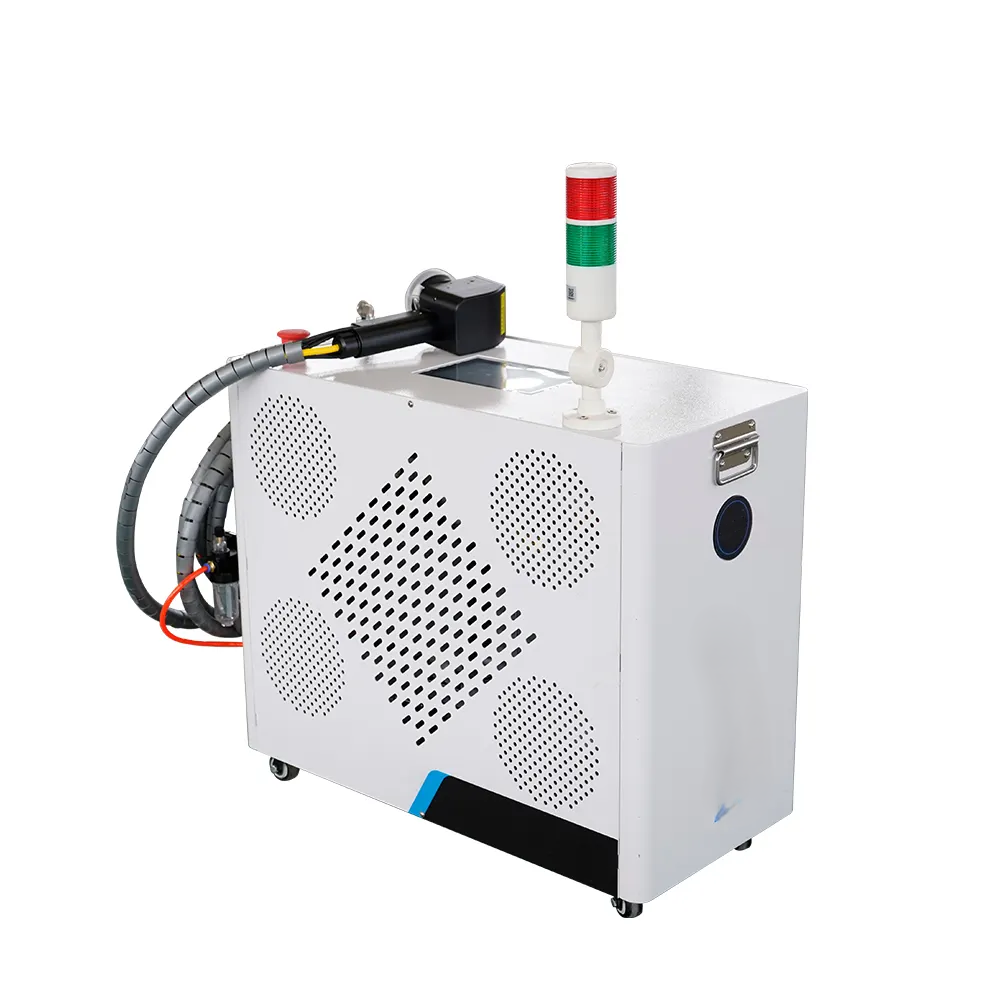
Industrial manufacturing demands precision, efficiency, and reliability in every process, making the selection of laser technology crucial for operational success. Pulsed laser systems have emerged as the gold standard for industrial applications where controlled energy delivery, minimal heat-affected zones, and precise material processing are essential requirements.
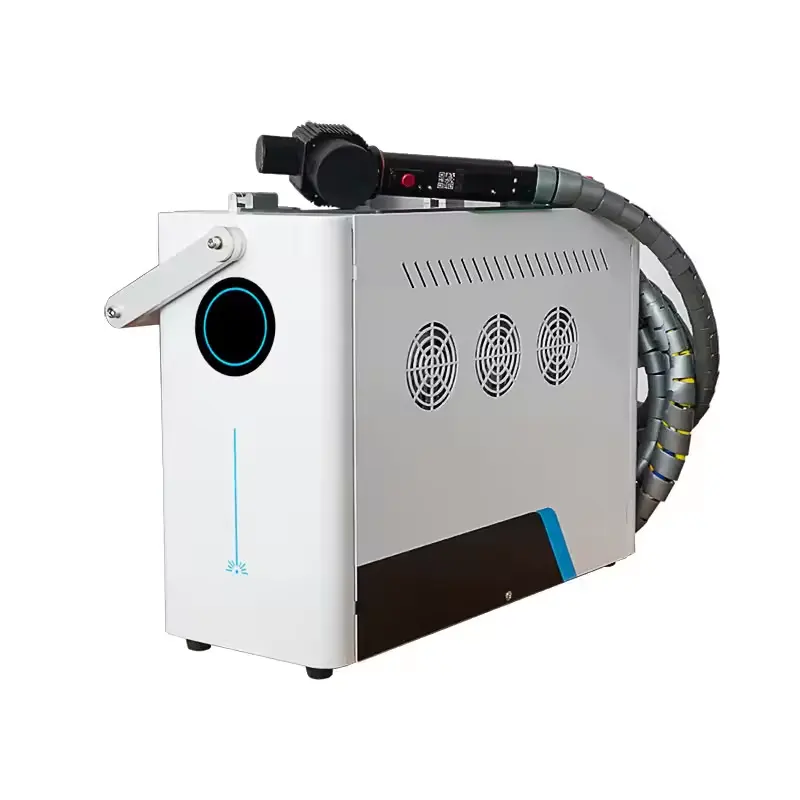
The superiority of pulsed laser technology in industrial environments stems from its ability to deliver concentrated energy in controlled bursts, enabling manufacturers to achieve exceptional results across welding, cutting, cleaning, and marking operations. Unlike continuous wave lasers, pulsed laser systems offer unmatched versatility and precision that directly translates to improved product quality and reduced operational costs.
Core Performance Characteristics of Superior Pulsed Laser Systems
Peak Power Delivery and Energy Control
The most effective pulsed laser systems distinguish themselves through their peak power capabilities and energy control mechanisms. High-quality industrial pulsed laser systems deliver peak powers ranging from several kilowatts to hundreds of kilowatts, depending on the application requirements. This concentrated energy delivery allows for rapid material processing while maintaining precise control over the heat-affected zone.
Energy control in premium pulsed laser systems involves sophisticated pulse shaping capabilities that enable operators to customize pulse duration, frequency, and energy distribution. Advanced systems feature pulse widths adjustable from nanoseconds to milliseconds, providing the flexibility needed for diverse industrial applications from delicate electronics manufacturing to heavy-duty automotive welding.
The ability to modulate pulse parameters in real-time represents a critical advantage in modern industrial environments. Superior pulsed laser systems incorporate feedback control mechanisms that automatically adjust energy delivery based on material properties and processing conditions, ensuring consistent results across production runs.
Beam Quality and Focusing Capabilities
Exceptional beam quality stands as a fundamental characteristic that separates industrial-grade pulsed laser systems from standard alternatives. The best systems maintain beam quality factors (M²) close to 1.0, ensuring optimal focusing capabilities and consistent energy density distribution across the work surface. This superior beam quality enables precise material processing with minimal collateral damage to surrounding areas.
Advanced focusing systems in top-tier pulsed laser equipment incorporate adaptive optics and real-time beam correction mechanisms. These features compensate for thermal lensing effects and maintain consistent focal spot size throughout extended operation periods. The result is improved processing consistency and reduced maintenance requirements in demanding industrial environments.
Multi-axis focusing capabilities represent another crucial advancement in modern pulsed laser systems. The ability to dynamically adjust focus position and spot size during operation enables complex three-dimensional processing tasks that would be impossible with conventional laser technologies.
Industrial Application Optimization Features
Material Processing Versatility
The most capable pulsed laser systems demonstrate exceptional versatility across diverse material types and processing applications. Advanced systems effectively process metals, ceramics, polymers, composites, and specialized industrial materials with consistent quality and precision. This versatility eliminates the need for multiple specialized laser systems, reducing capital investment and operational complexity.
Material-specific optimization algorithms built into superior pulsed laser systems automatically adjust processing parameters based on material identification and thickness measurements. These intelligent systems recognize material properties through integrated sensors and automatically configure pulse duration, frequency, and power levels for optimal processing results.
The ability to seamlessly transition between different materials and processes within the same production cycle represents a significant competitive advantage. Leading pulsed laser systems maintain processing quality consistency even when switching between dissimilar materials, ensuring uninterrupted production flow and maintaining stringent quality standards.
Process Integration and Automation Capabilities
Modern industrial environments demand pulsed laser systems that integrate seamlessly with existing production infrastructure and automation systems. The best systems feature comprehensive connectivity options including industrial communication protocols, robotic integration interfaces, and real-time process monitoring capabilities that enable full integration into Industry 4.0 manufacturing environments.
Advanced process control systems in premium pulsed laser equipment provide real-time feedback and adjustment capabilities that optimize processing parameters continuously. These systems monitor key process indicators such as plasma characteristics, temperature distribution, and material response, making automatic adjustments to maintain optimal processing conditions.
Predictive maintenance capabilities integrated into sophisticated pulsed laser systems reduce unplanned downtime and extend equipment lifespan. These systems continuously monitor component health, predict maintenance requirements, and provide early warning indicators that enable proactive maintenance scheduling.
Technology Architecture and System Design Excellence
Laser Source Technology and Reliability
The foundation of any exceptional pulsed laser system lies in its laser source technology and overall system reliability. Premium industrial systems utilize advanced diode-pumped solid-state laser sources that provide superior stability, longevity, and consistent output characteristics. These sources typically offer operational lifespans exceeding 100,000 hours with minimal performance degradation.
Thermal management systems in high-quality pulsed laser equipment ensure consistent performance across varying environmental conditions and extended operation periods. Advanced cooling systems, temperature monitoring, and thermal compensation mechanisms maintain optimal operating conditions that preserve laser performance and extend component lifespan.
Redundancy and fault-tolerance features built into superior pulsed laser systems minimize production disruption risks. Multiple laser source configurations, backup power supplies, and automatic failover mechanisms ensure continuous operation even in the event of component failures or maintenance requirements.
Control System Sophistication and User Interface
The control system architecture of premium pulsed laser systems incorporates advanced processing capabilities that enable complex process optimization and real-time adaptation. High-performance computing platforms integrated into these systems provide the processing power necessary for sophisticated beam control algorithms and real-time process monitoring.
Intuitive user interfaces in leading pulsed laser systems simplify operation while providing comprehensive process control and monitoring capabilities. Touch-screen interfaces with graphical process visualization enable operators to monitor system performance, adjust parameters, and troubleshoot issues efficiently without extensive specialized training.
Remote monitoring and control capabilities integrated into modern pulsed laser systems enable centralized management of multiple systems across different production locations. These capabilities support distributed manufacturing operations and enable expert technical support regardless of geographical location.
Performance Validation and Quality Assurance
Process Monitoring and Quality Control Integration
Superior pulsed laser systems incorporate comprehensive process monitoring capabilities that ensure consistent quality output and enable real-time process optimization. Advanced monitoring systems track key process parameters including energy delivery, temperature distribution, material response characteristics, and geometric accuracy throughout the processing operation.
Integrated quality control systems in premium pulsed laser equipment provide immediate feedback on process results and automatically adjust parameters to maintain quality standards. These systems utilize advanced sensor technologies including high-speed cameras, spectroscopic analysis, and dimensional measurement capabilities to verify process results in real-time.
Statistical process control integration enables pulsed laser systems to maintain tight quality tolerances while optimizing processing speed and efficiency. Historical process data analysis capabilities identify trends and optimization opportunities that continuously improve overall system performance and product quality.
Compliance and Certification Standards
The most reliable pulsed laser systems meet or exceed relevant international safety and performance standards including IEC, ANSI, and CE certification requirements. Compliance with these standards ensures safe operation in industrial environments and demonstrates the manufacturer's commitment to quality and safety.
Industry-specific certifications such as automotive quality standards (IATF 16949), aerospace requirements (AS9100), and medical device regulations (ISO 13485) validate the suitability of pulsed laser systems for demanding applications. These certifications provide assurance that systems meet the stringent requirements of regulated industries.
Environmental compliance features in advanced pulsed laser systems include emission control systems, energy efficiency optimization, and waste minimization capabilities that support sustainable manufacturing practices while meeting environmental regulations.
FAQ
What pulse frequency range is optimal for different industrial applications?
The optimal pulse frequency for pulsed laser systems varies significantly based on application requirements. For precision welding applications, frequencies between 10-100 Hz typically provide the best balance of heat control and processing speed. Cleaning applications often benefit from higher frequencies of 10-50 kHz to achieve efficient material removal without surface damage. Marking and engraving operations generally require frequencies in the 1-20 kHz range for optimal contrast and detail resolution.
How do pulsed laser systems compare to continuous wave lasers for industrial processing?
Pulsed laser systems offer superior control over heat input compared to continuous wave lasers, making them ideal for applications requiring minimal thermal distortion or precise material removal. The concentrated energy delivery of pulsed systems enables processing of heat-sensitive materials and thin sections that would be damaged by continuous wave systems. However, continuous wave systems may offer higher average power output for applications requiring rapid bulk material removal where heat management is less critical.
What maintenance requirements should be expected with industrial pulsed laser systems?
Regular maintenance for pulsed laser systems typically includes optical component cleaning and alignment verification every 500-1000 operating hours, cooling system maintenance quarterly, and comprehensive system calibration annually. Advanced systems with predictive maintenance capabilities provide specific guidance on component replacement timing based on actual usage patterns and performance monitoring data. Proper maintenance scheduling typically extends system lifespan to 10-15 years of reliable industrial operation.
Can pulsed laser systems be retrofitted into existing production lines?
Most modern pulsed laser systems are designed with integration flexibility that enables retrofitting into existing production infrastructure. Standard industrial communication interfaces, modular mounting systems, and flexible beam delivery options facilitate integration with existing automation equipment and production workflows. However, successful integration requires careful assessment of power requirements, safety systems, and process flow compatibility to ensure optimal performance and regulatory compliance.
Table of Contents
- Core Performance Characteristics of Superior Pulsed Laser Systems
- Industrial Application Optimization Features
- Technology Architecture and System Design Excellence
- Performance Validation and Quality Assurance
-
FAQ
- What pulse frequency range is optimal for different industrial applications?
- How do pulsed laser systems compare to continuous wave lasers for industrial processing?
- What maintenance requirements should be expected with industrial pulsed laser systems?
- Can pulsed laser systems be retrofitted into existing production lines?