 EN
EN
 AR
AR
 FR
FR
 DE
DE
 JA
JA
 KO
KO
 RU
RU
 ES
ES


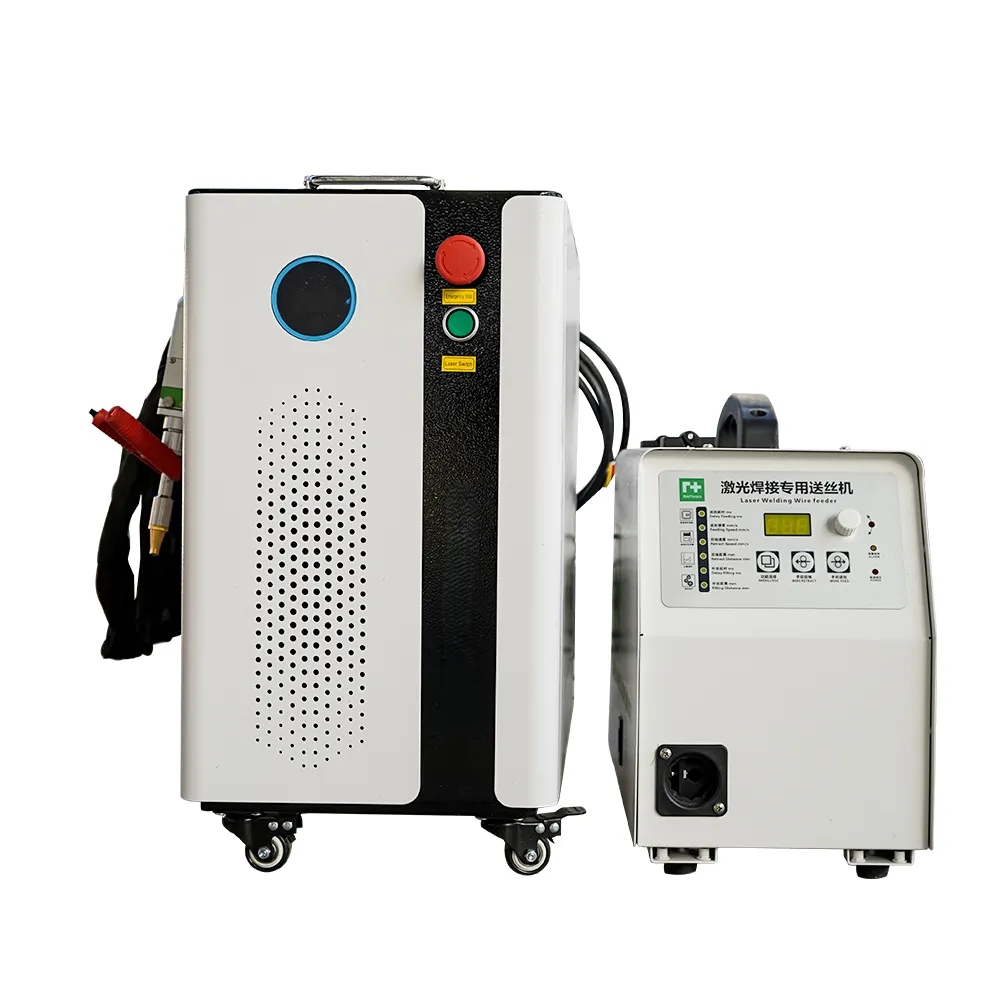
Modern industrial operations increasingly rely on advanced surface preparation technologies to maintain equipment efficiency and extend operational lifespan. Among these innovations, laser surface treatment has emerged as a revolutionary method that combines precision, environmental friendliness, and operational efficiency. This cutting-edge technology represents a significant advancement over traditional surface cleaning methods, offering manufacturers unprecedented control over surface preparation processes while reducing operational costs and environmental impact.
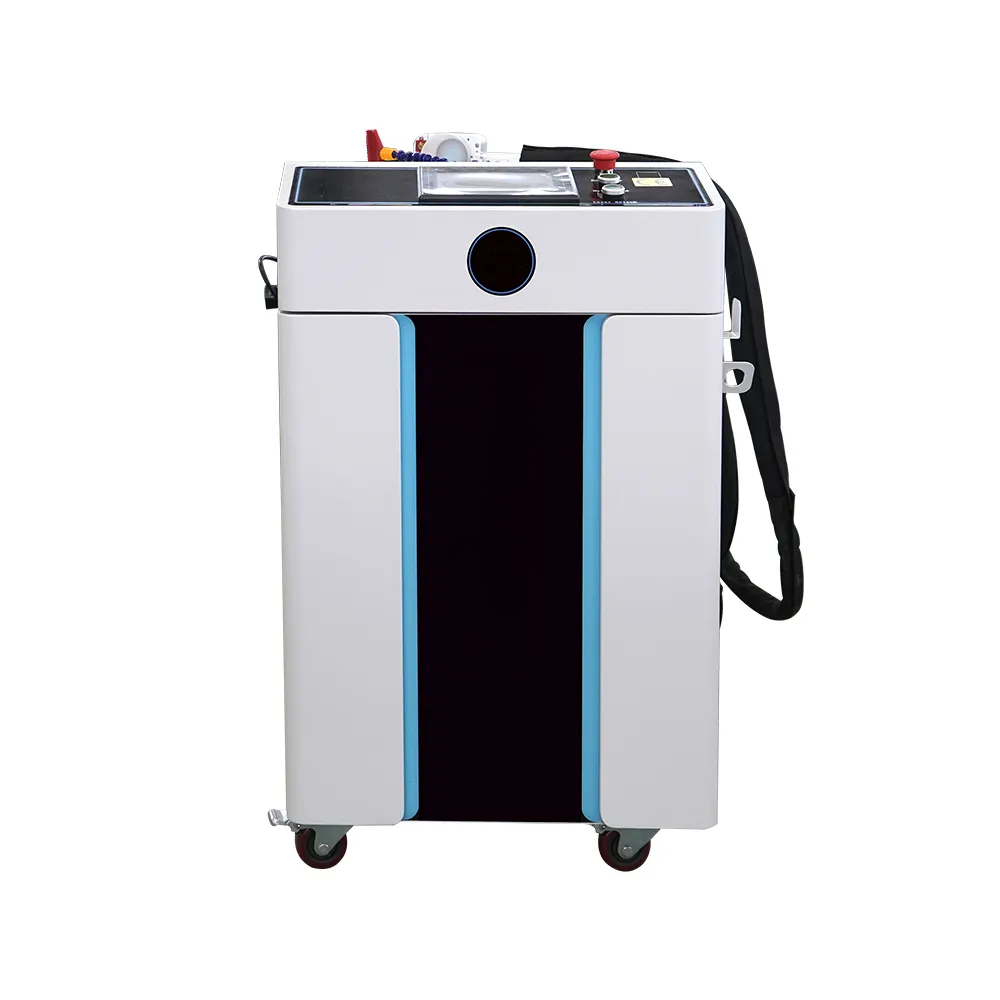
Understanding Laser Surface Treatment Technology
Fundamental Principles of Laser Cleaning
Laser surface treatment operates through a sophisticated process of selective photonic energy absorption that precisely removes contaminants without damaging the underlying substrate. The technology utilizes focused laser beams to create rapid thermal expansion in surface contaminants, effectively vaporizing rust, paint, oils, and other unwanted materials. This process ensures that the base material remains intact while achieving superior surface cleanliness compared to conventional methods.
The precision of laser surface treatment allows for microscopic control over material removal, making it ideal for applications requiring exact specifications. Unlike abrasive methods that can alter surface topology, laser cleaning maintains the original surface characteristics while removing only targeted contaminants. This selectivity makes the technology particularly valuable in aerospace, automotive, and precision manufacturing industries where surface integrity is paramount.
Technological Advantages Over Conventional Methods
Traditional surface preparation methods such as sandblasting, chemical stripping, and manual scraping present numerous limitations including environmental hazards, material waste, and inconsistent results. Laser surface treatment eliminates these concerns by providing a non-contact, chemical-free cleaning process that generates minimal waste. The technology operates without consumable materials, reducing long-term operational costs and eliminating the need for hazardous chemical disposal.
The automation potential of laser surface treatment systems enables consistent, repeatable results that meet strict quality standards. Modern systems incorporate advanced feedback mechanisms that automatically adjust power levels and scanning patterns based on real-time surface analysis, ensuring optimal cleaning performance across varying material conditions and contaminant types.
Industrial Applications and Market Sectors
Aerospace and Defense Applications
The aerospace industry has embraced laser surface treatment for critical component maintenance and preparation procedures. Aircraft engines, structural components, and precision instruments require surface treatments that preserve dimensional accuracy while removing contaminants. Laser systems provide the necessary precision to clean complex geometries and sensitive materials without risk of dimensional changes or structural compromise.
Defense applications particularly benefit from the portability and efficiency of modern laser surface treatment equipment. Field maintenance operations can utilize handheld systems to restore equipment functionality without requiring extensive facility infrastructure or hazardous material handling protocols.
Automotive Manufacturing and Restoration
Automotive manufacturers utilize laser surface treatment for both production line operations and restoration projects. The technology enables precise paint removal, weld preparation, and surface texturing operations that support high-volume manufacturing requirements. Classic car restoration projects particularly benefit from the gentle nature of laser cleaning, which preserves original metal surfaces while removing decades of accumulated contaminants.
Modern automotive production lines integrate laser surface treatment systems for tire mold cleaning, engine component preparation, and body panel surface texturing. These applications demonstrate the versatility and scalability of laser technology across diverse manufacturing environments and production volumes.
Equipment Selection and Specification Considerations
Power Requirements and Performance Parameters
Selecting appropriate laser surface treatment equipment requires careful consideration of power requirements, beam characteristics, and operational parameters. Higher power systems provide faster processing speeds and can handle thicker contaminant layers, while lower power systems offer greater precision for delicate applications. Understanding the relationship between laser power, pulse duration, and material removal rates is essential for optimizing system performance.
Beam quality and focusing capabilities directly impact treatment effectiveness and operational efficiency. Advanced systems incorporate variable beam shaping technology that allows operators to adjust spot sizes and intensity profiles for specific applications. This flexibility enables single systems to handle diverse cleaning requirements without requiring multiple specialized tools.
Mobility and Installation Options
Modern laser surface treatment systems range from portable handheld units to large-scale automated installations. Handheld systems provide maximum flexibility for field operations and complex geometries, while stationary systems offer higher throughput for production environments. Hybrid systems combine the benefits of both approaches, featuring modular designs that support multiple operational configurations.
Installation considerations include power requirements, ventilation needs, and safety systems integration. Proper facility planning ensures optimal system performance while maintaining compliance with workplace safety regulations and environmental standards. Advanced systems incorporate integrated fume extraction and filtration systems that simplify installation requirements and reduce facility modification costs.
Cost Analysis and Return on Investment
Initial Investment and Equipment Costs
The initial investment in laser surface treatment equipment varies significantly based on system capabilities, power levels, and automation features. Entry-level handheld systems typically range from moderate to substantial investments, while high-power automated systems represent significant capital expenditures. However, the long-term operational savings often justify the initial investment through reduced consumable costs and increased productivity.
Equipment financing options and leasing programs make laser surface treatment technology accessible to businesses of various sizes. Many manufacturers offer comprehensive packages that include training, maintenance support, and performance guarantees, reducing the total cost of ownership and accelerating return on investment timelines.
Operational Cost Savings and Efficiency Gains
Laser surface treatment eliminates many recurring costs associated with traditional cleaning methods, including abrasive materials, chemical solvents, and waste disposal fees. The technology also reduces labor requirements through faster processing speeds and automated operation capabilities. These operational efficiencies typically result in payback periods ranging from several months to a few years, depending on application intensity and system utilization rates.
Environmental compliance benefits provide additional cost savings through reduced regulatory compliance requirements and elimination of hazardous waste streams. Companies utilizing laser surface treatment often qualify for environmental incentives and certifications that enhance their market competitiveness and customer appeal.
Safety Protocols and Regulatory Compliance
Workplace Safety Standards
Implementing laser surface treatment technology requires comprehensive safety protocols that protect operators and maintain workplace safety standards. Proper eye protection, ventilation systems, and operator training programs are essential components of safe laser operation. Modern systems incorporate multiple safety interlocks and automatic shutdown features that prevent accidental exposure and ensure compliance with occupational safety regulations.
Regular safety audits and equipment maintenance procedures maintain optimal safety performance while extending system lifespan. Establishing clear operational procedures and emergency response protocols ensures consistent safety compliance across all operational scenarios and personnel changes.
Environmental Impact and Sustainability
Laser surface treatment technology supports environmental sustainability goals through elimination of chemical solvents and reduction of waste generation. The process produces minimal environmental impact compared to traditional methods, making it an attractive option for companies pursuing green manufacturing initiatives. Energy efficiency improvements in modern laser systems further reduce operational carbon footprints while maintaining high performance levels.
Regulatory agencies increasingly recognize laser surface treatment as a preferred alternative to chemical-based cleaning methods. This recognition supports long-term operational sustainability and reduces risks associated with changing environmental regulations and compliance requirements.
Future Developments and Technology Trends
Emerging Technologies and Innovations
Ongoing research and development in laser surface treatment technology focuses on improving system efficiency, expanding application capabilities, and reducing operational costs. Advanced beam shaping technologies, intelligent control systems, and improved laser sources promise to enhance performance while simplifying operation requirements. These innovations will likely expand the accessibility and applicability of laser cleaning technology across new market sectors.
Integration with artificial intelligence and machine learning capabilities enables predictive maintenance, automatic parameter optimization, and quality control enhancements. These smart technologies will further improve operational efficiency and reduce the skill requirements for effective system operation.
Market Growth and Industry Adoption
The laser surface treatment market continues expanding as more industries recognize the technology's advantages over conventional methods. Growing environmental awareness, stricter regulatory requirements, and increasing automation demands drive market growth across multiple sectors. This expansion supports continued technology development and cost reductions that benefit end users.
Industry partnerships between laser manufacturers and application specialists accelerate technology adoption by providing comprehensive solutions and support services. These collaborations ensure optimal system implementation and maximize return on investment for businesses adopting laser surface treatment technology.
FAQ
What types of materials can be effectively cleaned using laser surface treatment
Laser surface treatment effectively removes rust, paint, oils, oxides, and various contaminants from metals including steel, aluminum, titanium, and specialized alloys. The technology works particularly well on substrates that can absorb laser energy differently than the contaminants being removed. However, certain materials like plastics or composites may require specialized laser parameters and careful testing to ensure substrate protection during the cleaning process.
How does laser surface treatment compare to sandblasting in terms of cost and effectiveness
While laser surface treatment systems require higher initial investment than sandblasting equipment, they eliminate ongoing costs for abrasive materials, waste disposal, and surface restoration. Laser systems also provide superior precision, eliminate environmental hazards, and reduce labor requirements. Most businesses experience cost savings within 12-24 months of implementation, particularly in applications requiring frequent cleaning operations or strict surface quality standards.
What maintenance requirements are necessary for laser surface treatment equipment
Laser surface treatment systems require regular maintenance including optical component cleaning, cooling system servicing, and periodic calibration checks. Most modern systems incorporate self-diagnostic capabilities that monitor performance parameters and alert operators to maintenance needs. Typical maintenance intervals range from monthly cleaning procedures to annual comprehensive inspections, with total maintenance costs typically representing 5-10% of annual operational expenses.
Can laser surface treatment systems be integrated into existing production lines
Yes, laser surface treatment systems can be successfully integrated into existing production environments through modular designs and flexible installation options. Integration typically requires coordination of power supplies, ventilation systems, and safety interlocks with existing infrastructure. Many manufacturers offer turnkey integration services that include system design, installation, and operator training to ensure seamless implementation into current operational workflows.
Table of Contents
- Understanding Laser Surface Treatment Technology
- Industrial Applications and Market Sectors
- Equipment Selection and Specification Considerations
- Cost Analysis and Return on Investment
- Safety Protocols and Regulatory Compliance
- Future Developments and Technology Trends
-
FAQ
- What types of materials can be effectively cleaned using laser surface treatment
- How does laser surface treatment compare to sandblasting in terms of cost and effectiveness
- What maintenance requirements are necessary for laser surface treatment equipment
- Can laser surface treatment systems be integrated into existing production lines