 EN
EN
 AR
AR
 FR
FR
 DE
DE
 JA
JA
 KO
KO
 RU
RU
 ES
ES


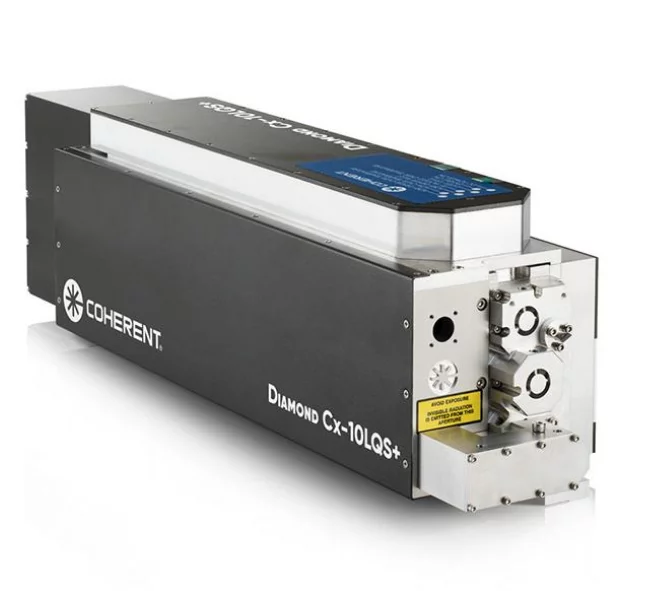
Modern manufacturing demands unprecedented precision, and laser drilling technology has emerged as the cornerstone of advanced production processes. Industries ranging from aerospace to electronics rely on laser drilling systems to create microscopic holes with tolerances measured in micrometers. This sophisticated technology transforms how manufacturers approach complex drilling applications, offering unmatched accuracy and repeatability that traditional mechanical drilling methods simply cannot achieve.
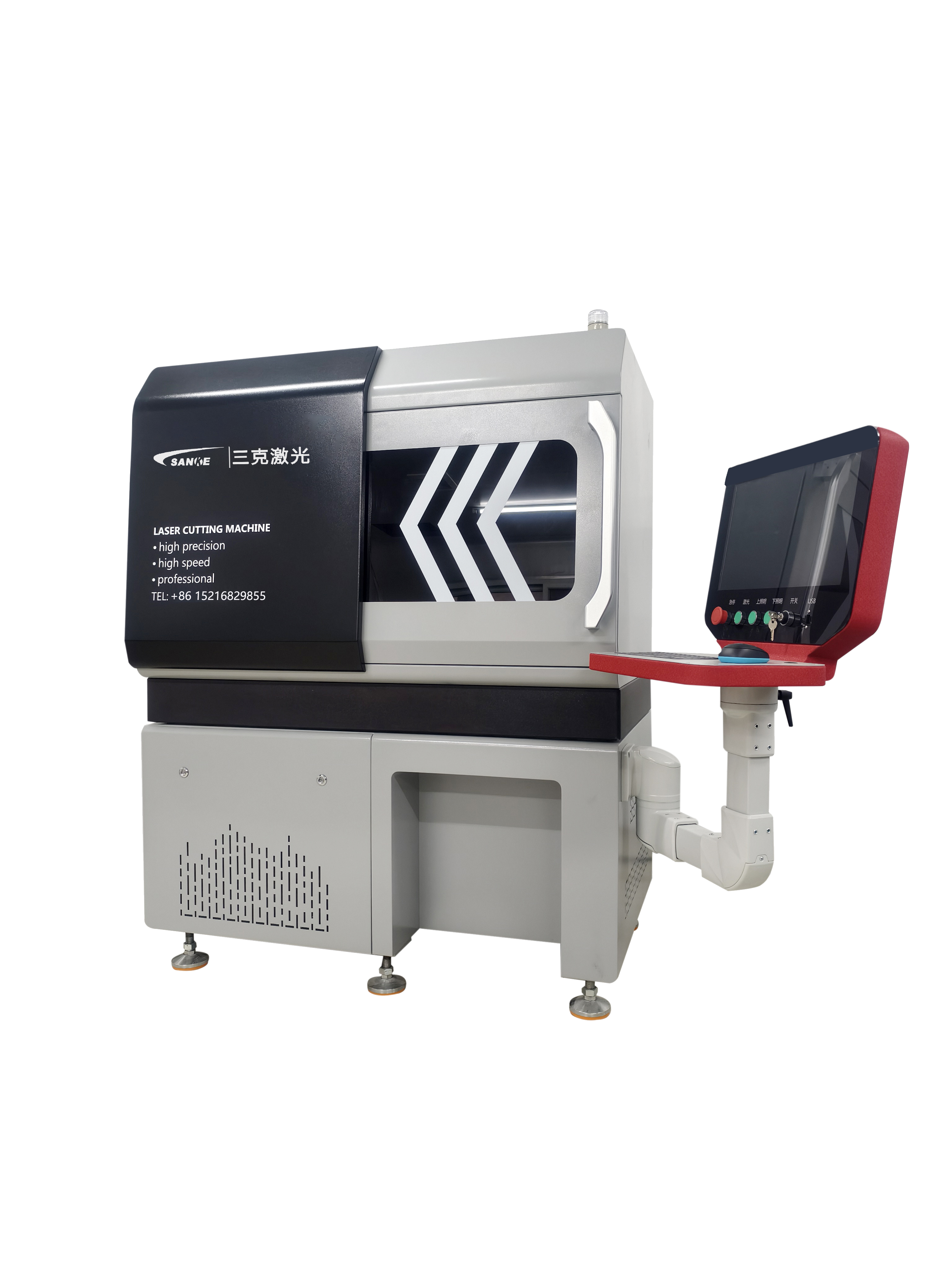
Understanding Laser Drilling Technology Fundamentals
Core Principles of Laser Drilling Operations
Laser drilling operates on the fundamental principle of focused light energy conversion into thermal energy, creating controlled material removal through vaporization or ablation. The process begins when a high-powered laser beam concentrates intense energy onto a specific point on the workpiece surface. This concentrated energy rapidly heats the material beyond its vaporization point, causing it to transform from solid to gas almost instantaneously. The precision of laser drilling depends on several critical factors including beam quality, power density, pulse duration, and material properties.
The beam delivery system plays a crucial role in determining drilling quality and efficiency. Modern laser drilling systems utilize sophisticated optics to maintain beam collimation and focus throughout the drilling process. Beam divergence must be carefully controlled to ensure consistent hole geometry, while pulse parameters require precise timing to achieve optimal material removal rates. Advanced systems incorporate real-time monitoring to adjust parameters dynamically based on material feedback and drilling progress.
Types of Laser Sources for Drilling Applications
Different laser types offer unique advantages for specific drilling applications, with each technology providing distinct characteristics in terms of wavelength, power output, and pulse structure. Solid-state lasers, including Nd:YAG and fiber lasers, dominate industrial laser drilling applications due to their excellent beam quality and reliability. These systems typically operate at wavelengths around 1064 nanometers, providing optimal absorption characteristics for most metallic materials and many polymers.
Carbon dioxide lasers operate at longer wavelengths of approximately 10.6 micrometers, making them particularly effective for drilling organic materials, ceramics, and certain plastics. The longer wavelength provides different material interaction characteristics, often resulting in smoother hole edges and reduced thermal damage in heat-sensitive materials. Ultraviolet lasers, operating at wavelengths below 400 nanometers, excel in precision drilling of delicate materials where minimal heat-affected zones are critical.
Industrial Applications and Market Sectors
Aerospace Manufacturing Requirements
The aerospace industry represents one of the most demanding sectors for laser drilling technology, requiring holes with exceptional precision, consistency, and quality. Turbine engine components, particularly cooling holes in turbine blades, demand exact specifications where even minor deviations can significantly impact performance and safety. Laser drilling systems designed for aerospace applications must maintain tolerances within ±5 micrometers while processing challenging materials including superalloys, titanium, and advanced composites.
Aircraft manufacturers utilize laser drilling for creating thousands of cooling holes in engine components, where traditional drilling methods would be prohibitively time-consuming or impossible due to complex geometries. The non-contact nature of laser drilling eliminates tool wear concerns and enables processing of hardened materials without compromising hole quality. Additionally, the ability to drill angled holes and complex patterns without mechanical repositioning significantly reduces manufacturing time and costs.
Electronics and Semiconductor Manufacturing
Electronics manufacturing relies heavily on laser drilling for creating via holes in printed circuit boards, semiconductor packaging applications, and flexible electronics production. The miniaturization trend in electronics demands increasingly smaller holes with higher aspect ratios, pushing the boundaries of what traditional drilling methods can achieve. Modern laser drilling systems can create holes as small as 10 micrometers in diameter while maintaining excellent sidewall quality and minimal thermal damage to surrounding circuitry.
The semiconductor industry specifically benefits from laser drilling capabilities in wafer processing, where precise through-silicon vias enable advanced three-dimensional chip architectures. These applications require exceptional cleanliness and contamination control, making laser drilling an ideal choice due to its non-contact processing nature. The ability to process multiple layers simultaneously while maintaining registration accuracy makes laser drilling indispensable for next-generation electronic device manufacturing.
Technical Specifications and Performance Parameters
Power Requirements and Beam Characteristics
Successful laser drilling operations depend on carefully matched power specifications to material properties and desired hole characteristics. Peak power requirements typically range from several kilowatts for thin materials to hundreds of kilowatts for thick sections or high-speed processing. The relationship between average power and peak power becomes critical when determining processing speeds and thermal effects, with pulsed laser drilling systems offering superior control over heat input compared to continuous wave operations.
Beam quality, measured by the beam parameter product or M-squared factor, directly influences the minimum achievable spot size and drilling precision. High-quality beams with M-squared values approaching 1.1 enable tighter focus and better drilling resolution, while lower quality beams may be acceptable for larger hole applications where maximum precision is less critical. Beam pointing stability and power stability specifications must also meet stringent requirements to ensure consistent hole placement and dimensions across production runs.
Processing Speed and Throughput Considerations
Manufacturing efficiency demands careful optimization of laser drilling parameters to achieve maximum throughput while maintaining quality standards. Processing speed depends on multiple factors including material thickness, hole diameter, required quality level, and system configuration. Advanced laser drilling systems can achieve drilling rates exceeding 1000 holes per second for thin materials, while thicker sections may require several seconds per hole depending on depth and diameter requirements.
Throughput optimization involves balancing pulse energy, repetition rate, and beam positioning speed to minimize total cycle time. Modern systems incorporate predictive algorithms to optimize tool paths and minimize non-productive time between drilling locations. The integration of high-speed galvanometer scanning systems enables rapid beam positioning without mechanical motion, significantly improving overall system productivity for applications requiring multiple holes per part.
Quality Control and Measurement Standards
Dimensional Accuracy and Tolerance Management
Achieving consistent dimensional accuracy in laser drilling requires comprehensive understanding of process variables and their interactions with material properties. Hole diameter control typically achieves tolerances within ±2 micrometers for optimized systems, while depth control can be maintained within ±1% of target values through proper process development. These precision levels exceed what most mechanical drilling processes can achieve, particularly in difficult-to-machine materials or complex geometries.
Edge quality specifications often include requirements for minimal burr formation, controlled taper angles, and smooth sidewall finish. Laser drilling parameters must be optimized to minimize recast layer thickness and heat-affected zone extent while maintaining acceptable drilling speeds. Advanced process control systems monitor real-time drilling parameters and adjust settings automatically to compensate for material variations or tool degradation effects.
Surface Finish and Microstructural Considerations
Surface finish quality in laser drilling applications directly impacts component performance, particularly in aerospace and medical device manufacturing where surface roughness can affect fatigue life and corrosion resistance. Typical surface roughness values for optimized laser drilling processes range from 1 to 5 micrometers Ra, depending on material type and processing parameters. Post-processing treatments may be required for applications demanding superior surface finish quality.
Microstructural changes in the heat-affected zone require careful consideration for applications involving high-stress loading or corrosive environments. Laser drilling processes generate rapid heating and cooling cycles that can alter material properties near the hole surface. Proper parameter selection and post-processing treatments can minimize these effects while maintaining the benefits of precision drilling capabilities. Advanced metallurgical analysis helps establish optimal processing windows for critical applications.
System Selection and Implementation Guidelines
Matching System Capabilities to Application Requirements
Selecting the optimal laser drilling system requires thorough analysis of specific application requirements, production volumes, and quality specifications. Material compatibility represents the primary consideration, as different laser wavelengths and power levels provide varying effectiveness across different material types. Metallic materials generally respond well to near-infrared wavelengths, while ceramics and polymers may require different wavelength selections for optimal results.
Production volume requirements significantly influence system selection, with high-volume applications benefiting from automated material handling and multi-station processing capabilities. Single-piece or prototype applications may be better served by flexible systems optimized for quick setup and changeover. The total cost of ownership analysis should include not only initial equipment investment but also operating costs, maintenance requirements, and expected system lifespan under specific production conditions.
Integration with Manufacturing Systems
Modern laser drilling systems must integrate seamlessly with existing manufacturing infrastructure, including material handling systems, quality inspection equipment, and production scheduling software. Industry 4.0 principles emphasize connectivity and data exchange capabilities, enabling real-time production monitoring and predictive maintenance scheduling. These integration requirements often influence system selection as much as core drilling performance specifications.
Automation capabilities become increasingly important for high-volume production environments where manual loading and unloading operations represent significant cost factors. Advanced systems incorporate vision systems for automatic part recognition and positioning, reducing setup time and improving repeatability. The ability to process multiple part types without extensive reconfiguration provides valuable flexibility for manufacturers serving diverse market segments.
Future Developments and Emerging Technologies
Advanced Beam Shaping and Control Technologies
Emerging developments in beam shaping technology promise to revolutionize laser drilling capabilities through improved process control and expanded application possibilities. Spatial light modulators and adaptive optics systems enable dynamic beam profile modification, allowing optimization of energy distribution for specific drilling requirements. These technologies can create custom beam shapes that maximize drilling efficiency while minimizing unwanted thermal effects.
Temporal pulse shaping represents another frontier in laser drilling advancement, with ultra-short pulse lasers enabling cold processing of materials previously considered unsuitable for laser drilling. Femtosecond and picosecond pulse durations minimize heat conduction, resulting in extremely precise material removal with minimal thermal damage. These capabilities open new possibilities for drilling in sensitive materials including biological tissues, advanced polymers, and delicate electronic components.
Artificial Intelligence and Process Optimization
Artificial intelligence integration in laser drilling systems promises significant improvements in process optimization, quality control, and predictive maintenance capabilities. Machine learning algorithms can analyze vast amounts of processing data to identify optimal parameter combinations for specific applications, reducing development time and improving consistency. These systems continuously learn from production experience, automatically adjusting parameters to maintain quality standards despite material variations or environmental changes.
Predictive analytics capabilities enable proactive maintenance scheduling and process optimization, reducing unexpected downtime and maintaining consistent production quality. Advanced systems can predict potential quality issues before they occur, allowing corrective action to prevent defective parts from being produced. The integration of artificial intelligence with traditional process control systems represents a significant step forward in manufacturing automation and efficiency.
FAQ
What materials can be processed using laser drilling technology
Laser drilling technology can process an extensive range of materials including metals, ceramics, polymers, composites, and glass. Metallic materials such as stainless steel, aluminum, titanium, and superalloys respond well to near-infrared laser wavelengths. Ceramic materials including alumina, zirconia, and silicon carbide require higher power densities but achieve excellent results. Polymer materials from simple plastics to advanced engineering thermoplastics can be drilled with appropriate wavelength selection and parameter optimization.
How does laser drilling compare to traditional mechanical drilling methods
Laser drilling offers several significant advantages over traditional mechanical drilling, including the ability to create extremely small holes, process hard or brittle materials, and achieve superior dimensional accuracy. Unlike mechanical drilling, laser drilling involves no tool wear, eliminates the risk of tool breakage, and can create complex hole geometries including angled holes and curved paths. However, mechanical drilling may be more cost-effective for simple applications in soft materials where precision requirements are less stringent.
What factors determine the cost of laser drilling systems
The cost of laser drilling systems depends on several key factors including laser power requirements, beam quality specifications, automation level, and precision capabilities. High-power systems with superior beam quality command premium pricing but offer correspondingly higher processing speeds and better quality results. Additional cost factors include the complexity of beam delivery systems, sophistication of control software, integration requirements, and support service levels. Total cost of ownership calculations should include operating costs, maintenance requirements, and expected system productivity over its operational lifetime.
How can manufacturers optimize laser drilling processes for their specific applications
Process optimization for laser drilling requires systematic evaluation of multiple parameters including pulse energy, repetition rate, beam focus position, and assist gas selection. Manufacturers should conduct thorough material testing to establish optimal parameter windows, considering both quality requirements and production efficiency goals. Continuous monitoring of process outputs and statistical analysis of results enables ongoing optimization and quality improvement. Working closely with experienced laser system suppliers provides valuable expertise in parameter development and troubleshooting for challenging applications.