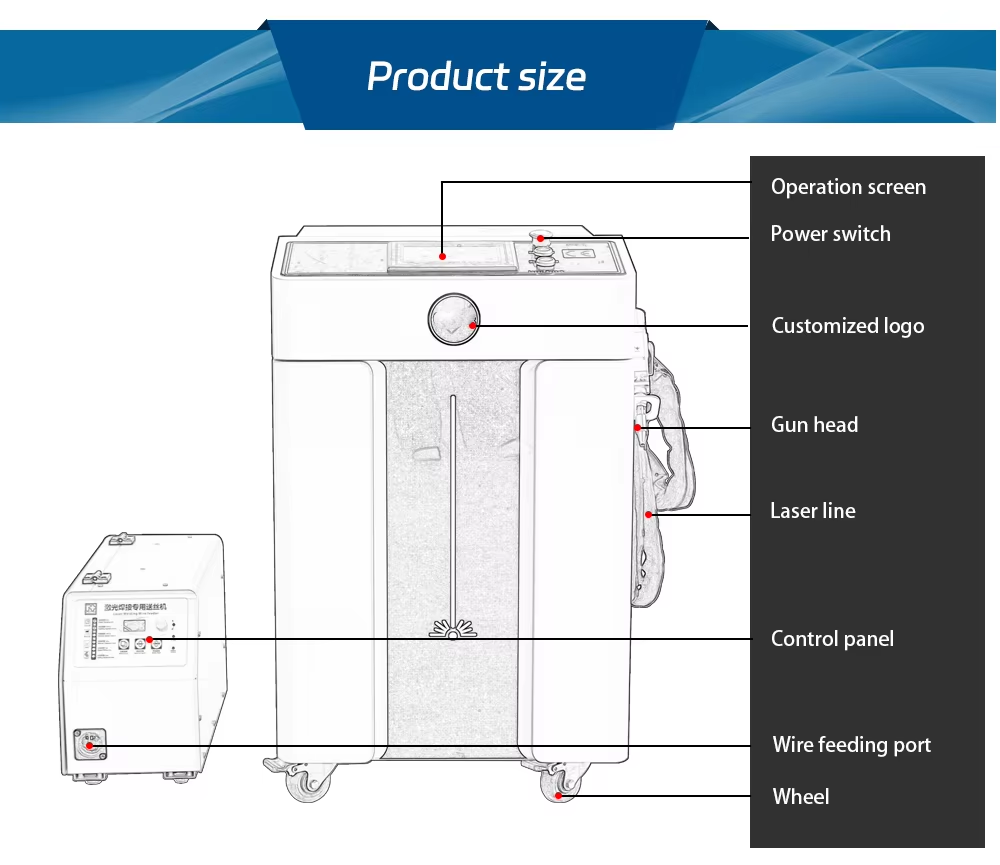
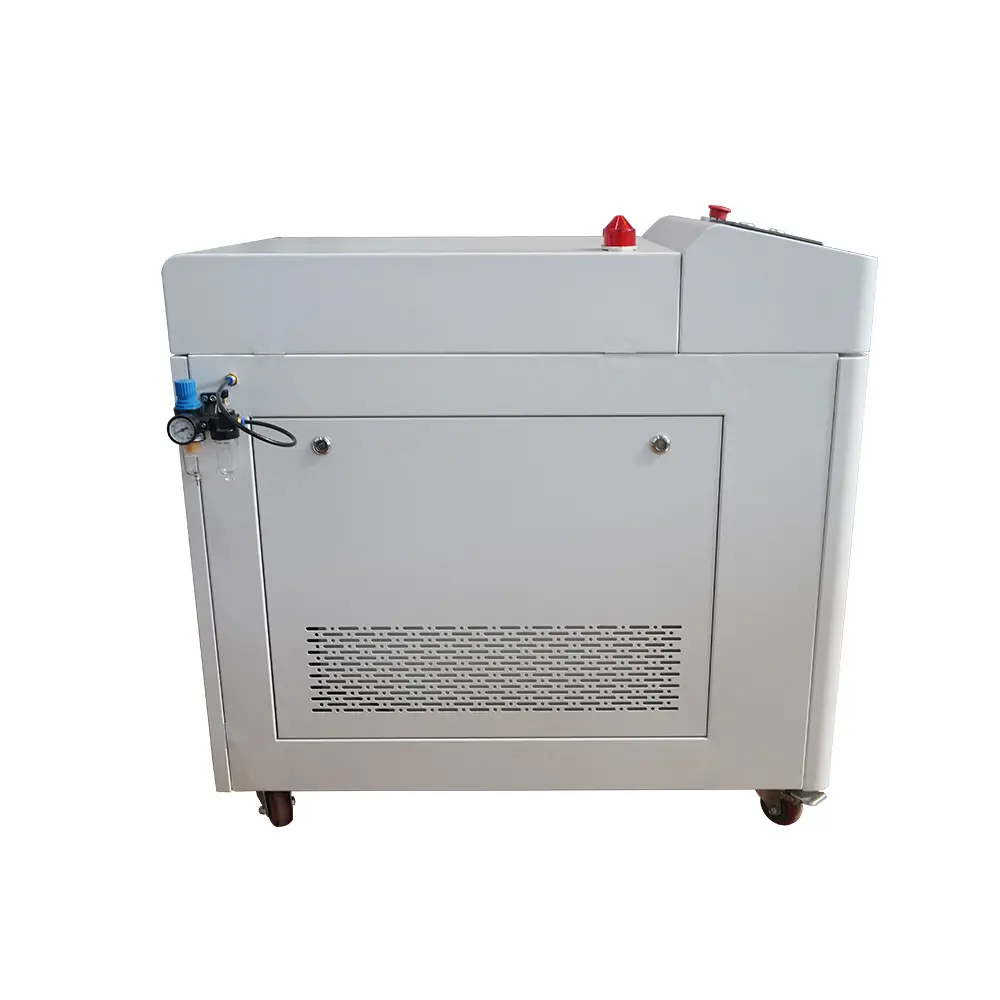
continuous wave laser applications
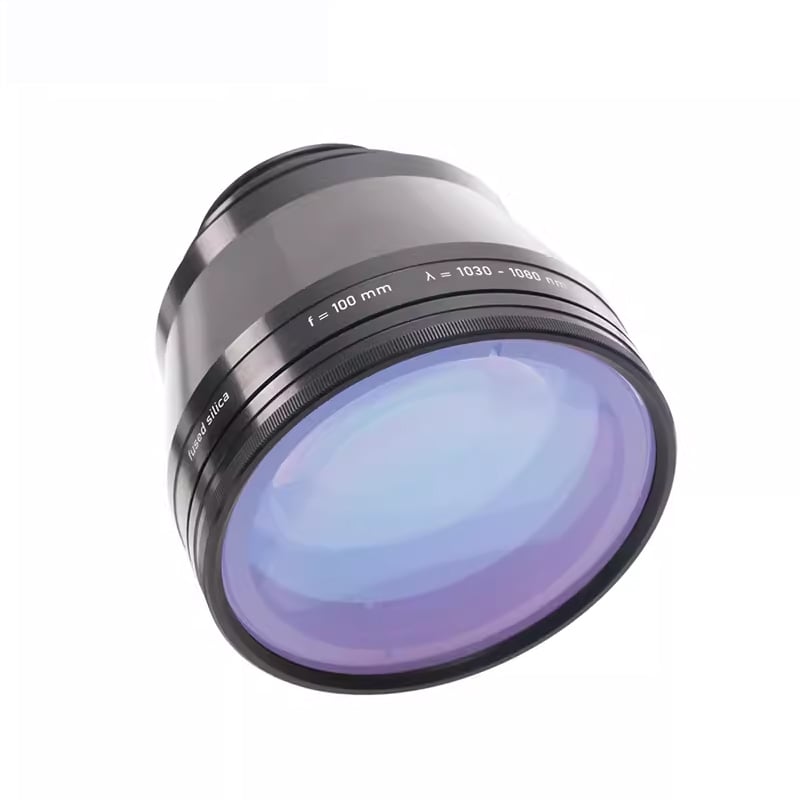
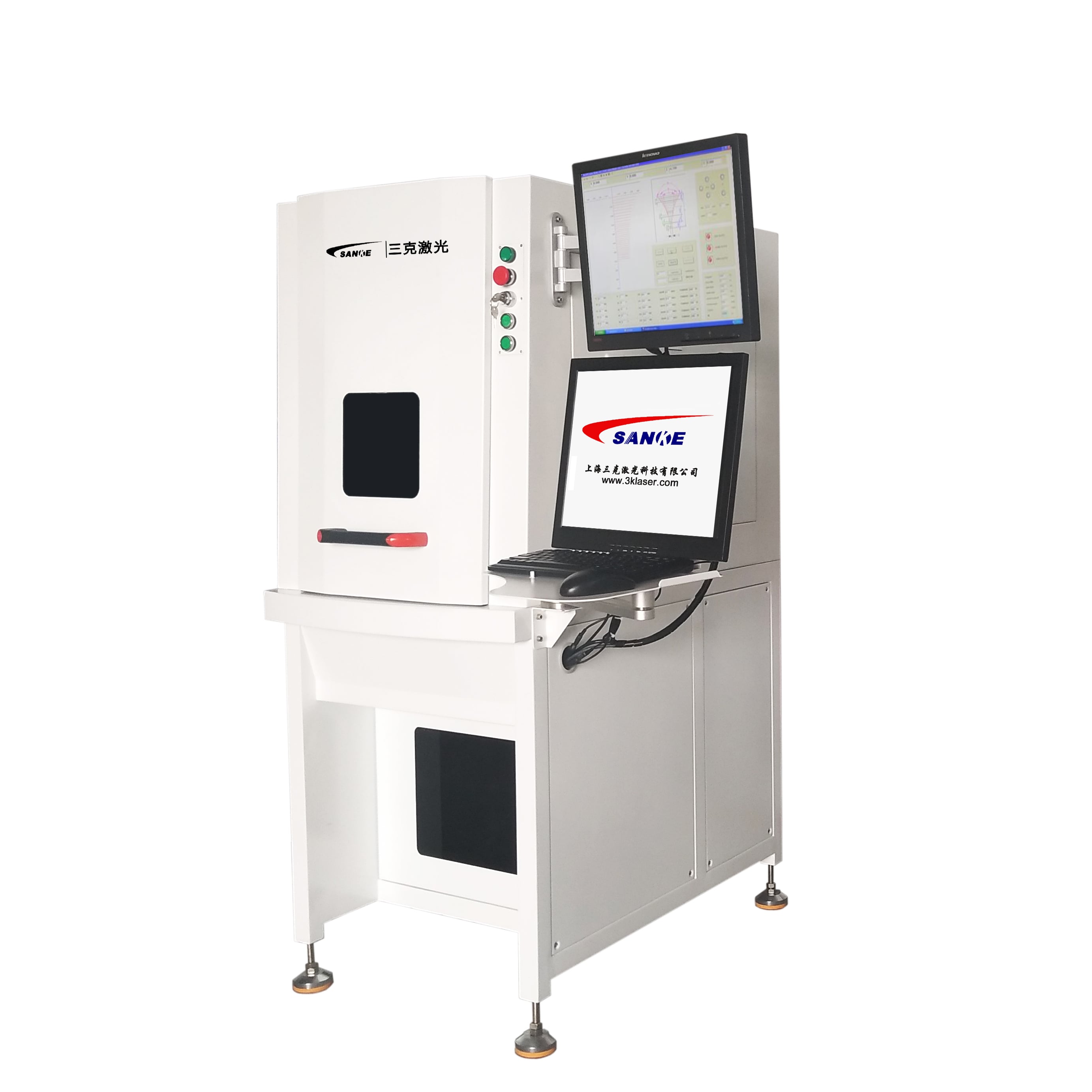
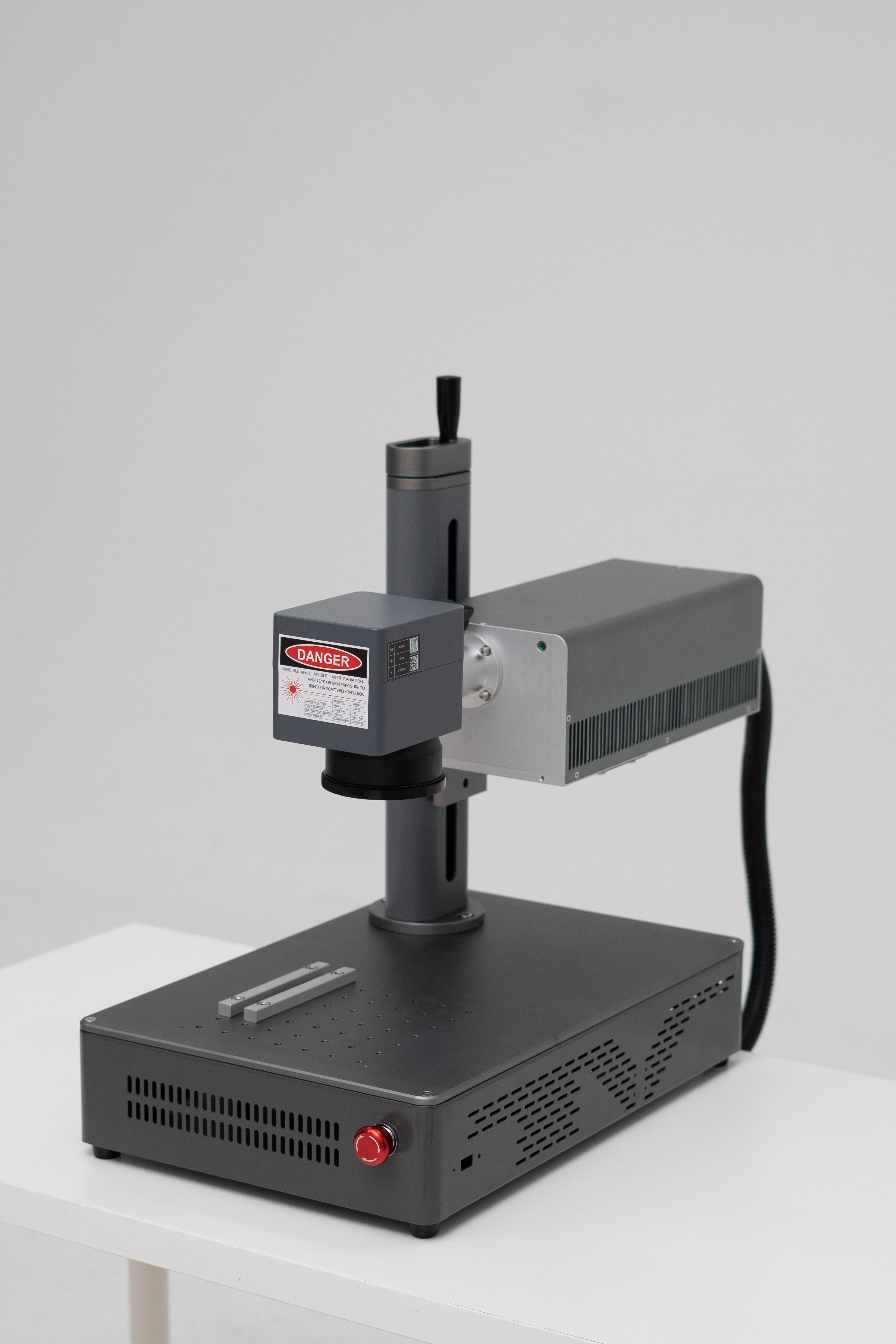
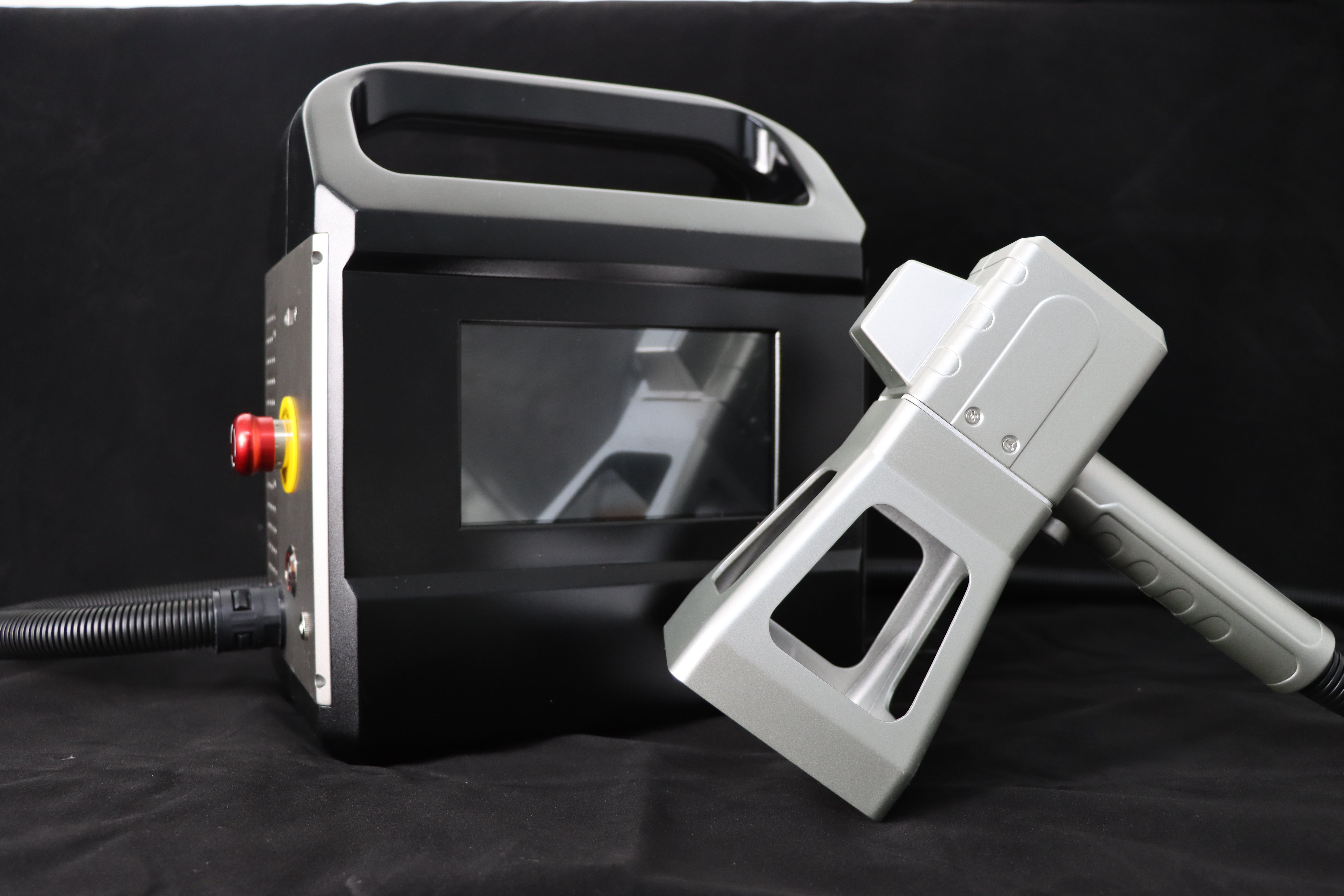
Continuous wave laser applications have revolutionized numerous industries by delivering uninterrupted, stable laser output that enables precise and efficient operations across diverse sectors. Unlike pulsed lasers that emit energy in bursts, continuous wave lasers maintain constant beam emission, making them ideal for applications requiring sustained power delivery and exceptional control. These sophisticated systems find extensive use in manufacturing, medical procedures, telecommunications, scientific research, and materials processing. The primary functions of continuous wave laser applications include cutting, welding, engraving, spectroscopy, optical pumping, and surgical interventions. Their technological features encompass stable wavelength output, adjustable power levels, excellent beam quality, and reliable long-term performance. Industries leverage continuous wave laser applications for metal fabrication, where consistent heat input ensures clean welds and precise cuts without thermal distortion. Medical professionals utilize these systems for photodynamic therapy, ophthalmology, and dermatological treatments where controlled tissue interaction is paramount. In telecommunications, continuous wave laser applications enable fiber optic signal transmission over vast distances with minimal signal degradation. Research laboratories depend on these lasers for spectroscopy, interferometry, and quantum experiments requiring stable coherent light sources. The versatility of continuous wave laser applications stems from their ability to operate across various wavelengths, from ultraviolet to infrared, accommodating different material interactions and process requirements. Modern continuous wave laser applications incorporate advanced cooling systems, precision optics, and sophisticated control electronics that ensure consistent performance and extended operational lifespan, making them indispensable tools in contemporary industrial and scientific environments.
 EN
EN
 AR
AR
 FR
FR
 DE
DE
 JA
JA
 KO
KO
 RU
RU
 ES
ES