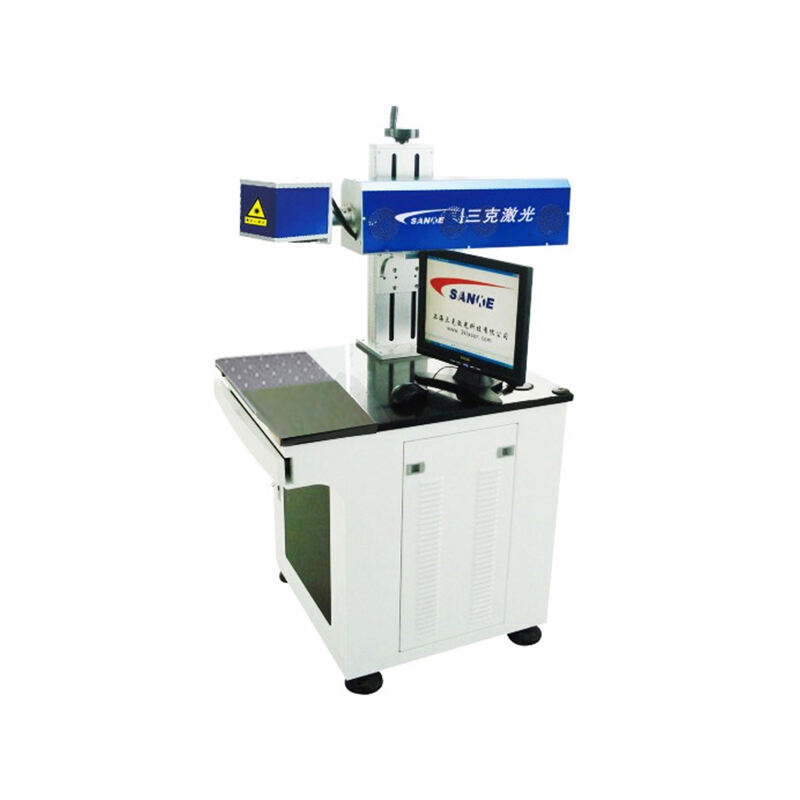
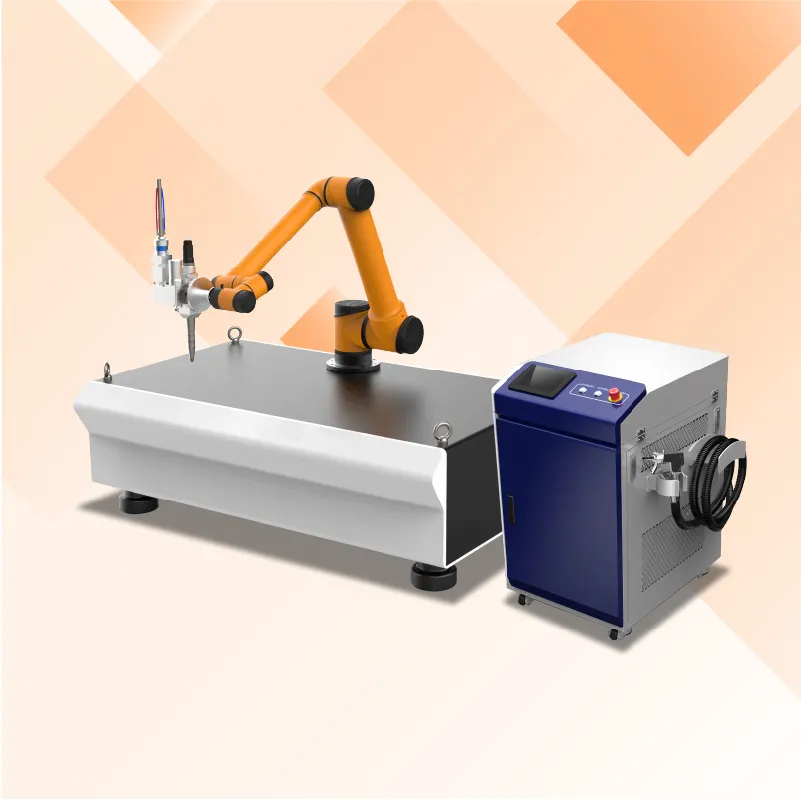
laser microhole drilling-0

Advanced Laser Microhole Drilling Technology - Precision Manufacturing Solutions

Get a Free Quote

Our representative will contact you soon.
Email
Name
Company Name
Message
0/1000

laser microhole drilling

Laser microhole drilling represents a cutting-edge manufacturing technology that utilizes focused laser beams to create extremely small, precise holes in various materials. This advanced process employs high-intensity laser pulses to vaporize or melt material at specific locations, enabling the creation of holes with diameters ranging from micrometers to millimeters. The technology operates through controlled laser energy delivery, where the beam's power, duration, and focus are meticulously adjusted to achieve desired hole characteristics. The main functions of laser microhole drilling include producing cooling holes in turbine blades, creating filtration apertures in medical devices, manufacturing injection nozzles for automotive applications, and forming ventilation holes in electronic components. The technological features of this process encompass exceptional precision control, minimal heat-affected zones, and the ability to process a wide range of materials including metals, ceramics, polymers, and composites. The system's computer-controlled operation ensures consistent hole quality and positioning accuracy, while its non-contact nature eliminates tool wear and mechanical stress on workpieces. Laser microhole drilling finds extensive applications across aerospace industries for turbine engine components, medical device manufacturing for surgical instruments and implants, automotive sector for fuel injection systems, electronics industry for circuit boards and connector manufacturing, and textile industry for creating breathable fabrics. The process enables manufacturers to achieve hole geometries that would be impossible or extremely challenging with conventional drilling methods, including tapered holes, blind holes, and holes with specific entry and exit characteristics. This technology's flexibility allows for rapid prototyping and production scaling, making it invaluable for both research and development phases and high-volume manufacturing operations across diverse industrial sectors.

Popular Products

Laser microhole drilling delivers exceptional precision that traditional mechanical drilling methods cannot match, allowing manufacturers to create holes with tolerances measured in micrometers rather than millimeters. This extraordinary accuracy stems from the laser beam's focused energy delivery, which can be controlled with computer-assisted precision to ensure consistent hole dimensions across thousands of parts. The technology eliminates the need for physical drill bits, preventing tool wear issues that commonly plague conventional drilling operations and result in dimensional variations over time. The absence of mechanical contact during the drilling process means there is no physical stress applied to the workpiece, which is particularly beneficial when working with delicate materials or thin substrates that might crack or deform under traditional drilling pressure. The speed of laser microhole drilling significantly surpasses conventional methods, with the ability to create hundreds of holes per second depending on material thickness and hole specifications. This rapid processing capability translates directly into reduced manufacturing costs and improved production throughput for businesses. The technology offers remarkable versatility in material compatibility, successfully drilling through metals, ceramics, glass, plastics, and composite materials that might pose challenges for traditional drilling techniques. Heat-affected zones remain minimal due to the laser's precise energy control, preserving the material's structural integrity around each hole and maintaining consistent mechanical properties throughout the workpiece. The process generates clean holes with smooth walls and precise entry points, often eliminating the need for secondary finishing operations that add time and cost to manufacturing processes. Laser microhole drilling systems can create complex hole patterns and geometries, including angled holes, tapered configurations, and holes with varying diameters along their depth, providing design flexibility that mechanical drilling cannot achieve. The technology's repeatability ensures that every hole meets exact specifications, reducing quality control concerns and material waste. Environmental benefits include reduced consumption of cutting fluids and elimination of metal shavings, creating a cleaner manufacturing environment while reducing disposal costs and environmental impact.

Latest News

How do I ensure the safety of operators when using a laser drilling machine?

19

Nov

How do I ensure the safety of operators when using a laser drilling machine?

Laser drilling machines have revolutionized precision manufacturing across industries, offering unparalleled accuracy and efficiency for creating micro-holes in various materials. However, the powerful laser beams used in these systems pose significa...
View More
How do handheld laser cleaning machines contribute to environmentally friendly cleaning practices?

19

Nov

How do handheld laser cleaning machines contribute to environmentally friendly cleaning practices?

Modern industrial cleaning practices are undergoing a revolutionary transformation as companies seek more sustainable and environmentally conscious solutions. Traditional cleaning methods often rely on harsh chemicals, abrasive materials, and process...
View More
What are the advantages of using a laser welding machine over traditional welding methods?

19

Nov

What are the advantages of using a laser welding machine over traditional welding methods?

Modern manufacturing processes continue to evolve with technological advancements, and welding technology stands at the forefront of this transformation. Among the most significant developments in recent years is the emergence of the laser welding ma...
View More
How Do Different Laser Sources Impact the Efficiency of Industrial Processes?

19

Nov

How Do Different Laser Sources Impact the Efficiency of Industrial Processes?

Industrial manufacturing has undergone a revolutionary transformation with the integration of advanced laser technology, where different laser sources serve as the cornerstone of precision processing across numerous sectors. The selection of appropri...
View More

Get a Free Quote

Our representative will contact you soon.
Email
Name
Company Name
Message
0/1000

laser microhole drilling

Unmatched Precision and Quality Control

Unmatched Precision and Quality Control

The precision capabilities of laser microhole drilling technology set it apart from all conventional drilling methods, delivering hole accuracies that can be measured in fractions of micrometers. This exceptional precision stems from the laser system's ability to focus energy into an extremely small spot size, typically ranging from 10 to 100 micrometers, while maintaining consistent beam quality throughout the drilling process. The computer-controlled positioning systems work in conjunction with advanced beam delivery optics to ensure that each hole is placed exactly where specified, with positional accuracies often exceeding 99.9 percent. This level of precision becomes critically important in applications such as aerospace turbine blade manufacturing, where cooling holes must be positioned with absolute accuracy to ensure optimal engine performance and safety. The quality control benefits extend beyond simple dimensional accuracy to include consistent hole wall characteristics, uniform entry and exit profiles, and predictable taper angles when required. Unlike mechanical drilling, which can produce burrs, rough surfaces, or dimensional variations due to tool wear, laser microhole drilling maintains consistent quality from the first hole to the millionth hole in a production run. The process parameters can be precisely controlled and monitored in real-time, allowing for immediate corrections if any variations are detected. This level of control enables manufacturers to achieve Six Sigma quality standards more easily and reduces the need for extensive quality inspection procedures. The technology's ability to maintain consistent hole diameter throughout the material thickness is particularly valuable for applications requiring specific flow characteristics, such as fuel injection nozzles or medical device filtration systems. Advanced laser systems can even compensate for material variations or thickness changes automatically, ensuring that hole quality remains constant regardless of minor workpiece variations. This precision and quality control capability translates into reduced scrap rates, improved product performance, and enhanced customer satisfaction across all applications where laser microhole drilling is employed.
Superior Material Compatibility and Versatility

Superior Material Compatibility and Versatility

Laser microhole drilling demonstrates exceptional versatility in processing a vast array of materials that would challenge or be impossible for conventional drilling methods to handle effectively. This technology successfully processes hardened steels, exotic alloys, ceramics, glass, polymers, composites, and even delicate materials like thin films or foils without causing structural damage or dimensional distortion. The laser's energy can be precisely tuned to match the material's absorption characteristics, ensuring optimal drilling efficiency regardless of the substrate being processed. For metallic materials, the laser parameters can be adjusted to minimize heat-affected zones while maximizing drilling speed, preserving the material's metallurgical properties in the areas surrounding each hole. When working with ceramics or glass, the controlled energy delivery prevents cracking or chipping that commonly occurs with mechanical drilling methods, maintaining the material's structural integrity throughout the process. Composite materials, which often present challenges due to their layered construction and varying material properties, can be drilled cleanly without delamination or fiber pullout issues that plague traditional drilling approaches. The technology's ability to process materials of varying thicknesses, from ultra-thin films measuring mere micrometers to substrates several millimeters thick, provides manufacturers with unprecedented flexibility in product design and material selection. Temperature-sensitive materials benefit from the laser's minimal heat input and rapid processing speed, which prevents thermal damage that might occur with slower conventional drilling methods. The non-contact nature of laser drilling eliminates concerns about tool compatibility with chemically aggressive materials or those with abrasive properties that would quickly wear down mechanical cutting tools. This material versatility enables manufacturers to explore new design possibilities and material combinations that were previously impractical due to drilling limitations. The technology's adaptability extends to processing materials with complex geometries or curved surfaces, where mechanical drilling would require specialized fixtures or might be entirely impossible to implement effectively.
Enhanced Production Efficiency and Cost Effectiveness

Enhanced Production Efficiency and Cost Effectiveness

Laser microhole drilling technology revolutionizes manufacturing efficiency by delivering unprecedented processing speeds while simultaneously reducing operational costs across multiple aspects of production. Modern laser drilling systems can create thousands of holes per minute, dramatically outpacing conventional drilling methods that might require several seconds per hole. This speed advantage becomes even more pronounced when considering that laser systems can often drill multiple holes simultaneously using beam splitting techniques or by rapidly scanning between multiple positions faster than mechanical systems can physically move. The elimination of tool wear represents a significant cost reduction factor, as mechanical drill bits require frequent replacement, especially when processing hard materials or maintaining tight tolerances over extended production runs. Laser systems operate continuously without degradation in hole quality, maintaining consistent performance throughout their operational life while requiring minimal maintenance beyond routine cleaning and calibration procedures. Setup times are dramatically reduced compared to conventional drilling operations, as laser systems require no tool changes, can switch between different hole sizes instantaneously through software control, and can accommodate varying material thicknesses without mechanical adjustments. The technology's ability to drill complex hole patterns in a single setup eliminates multiple handling steps, reducing labor costs and minimizing opportunities for positioning errors or workpiece damage. Energy efficiency represents another significant advantage, as modern laser systems convert electrical energy to useful drilling energy more efficiently than mechanical systems that require motors, gearboxes, and other mechanical components. The precision and repeatability of laser drilling reduce quality control costs by minimizing the need for extensive inspection procedures and virtually eliminating scrap due to dimensional variations. Secondary operations such as deburring or hole finishing are often unnecessary with laser drilling, further reducing processing time and associated labor costs. The technology's flexibility allows for rapid product changes and prototyping without the tooling costs associated with conventional drilling setups, enabling manufacturers to respond quickly to market demands or design modifications while maintaining cost-effective production volumes.

Get a Free Quote

Our representative will contact you soon.
Email
Name
Company Name
Message
0/1000