laser drilling system-0

Laser Drilling System - Precision Manufacturing

Get a Free Quote

Our representative will contact you soon.
Email
Name
Company Name
Message
0/1000

laser drilling system

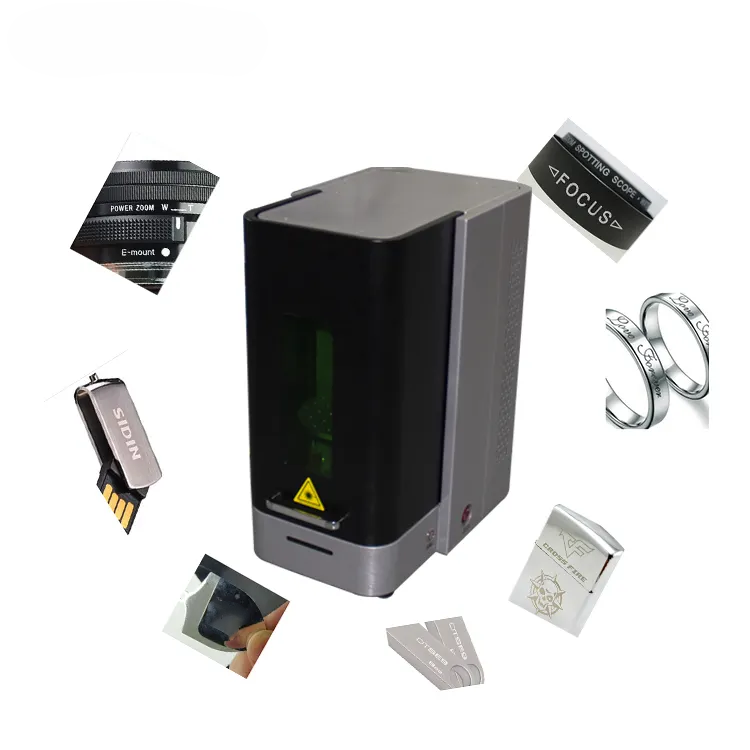
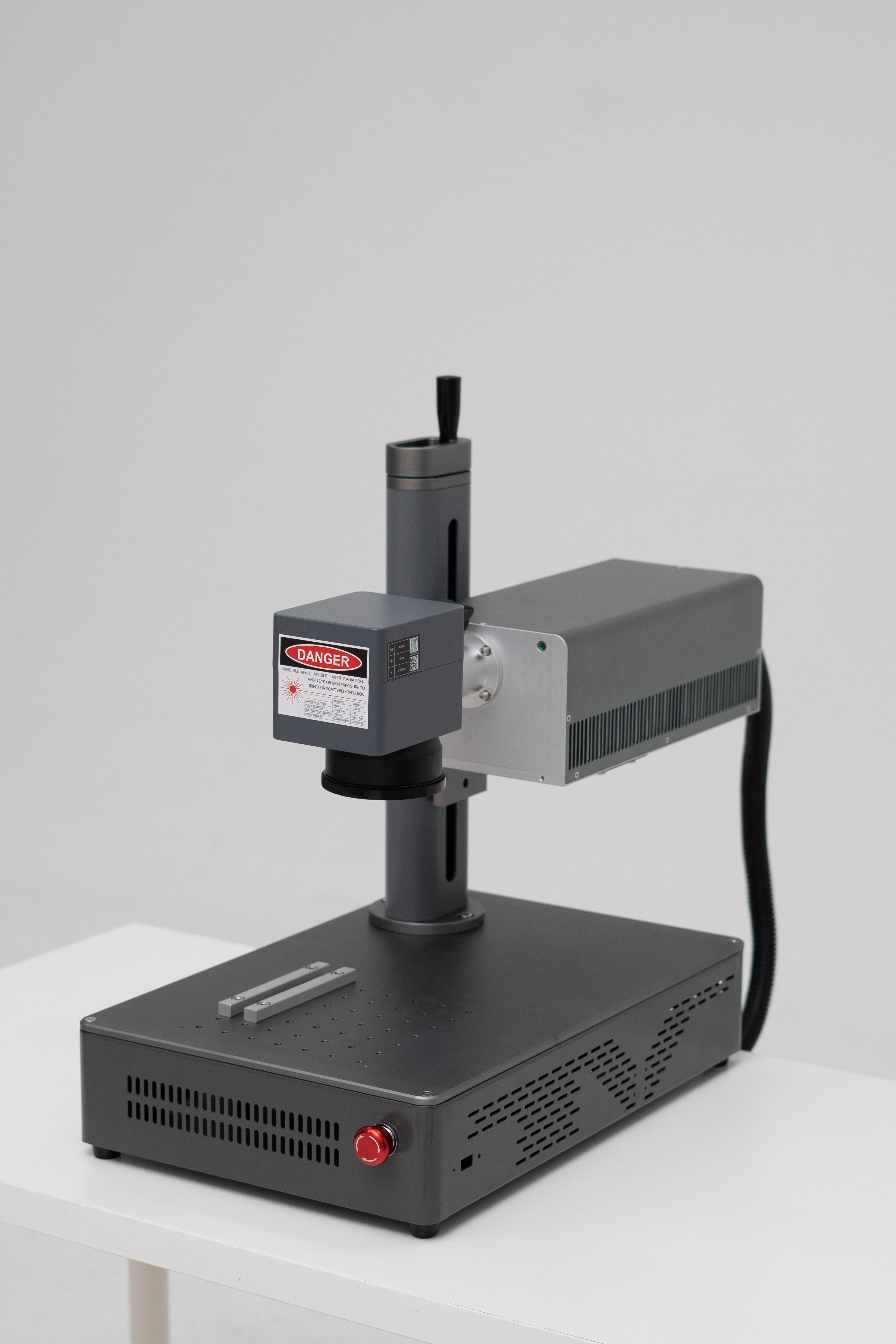
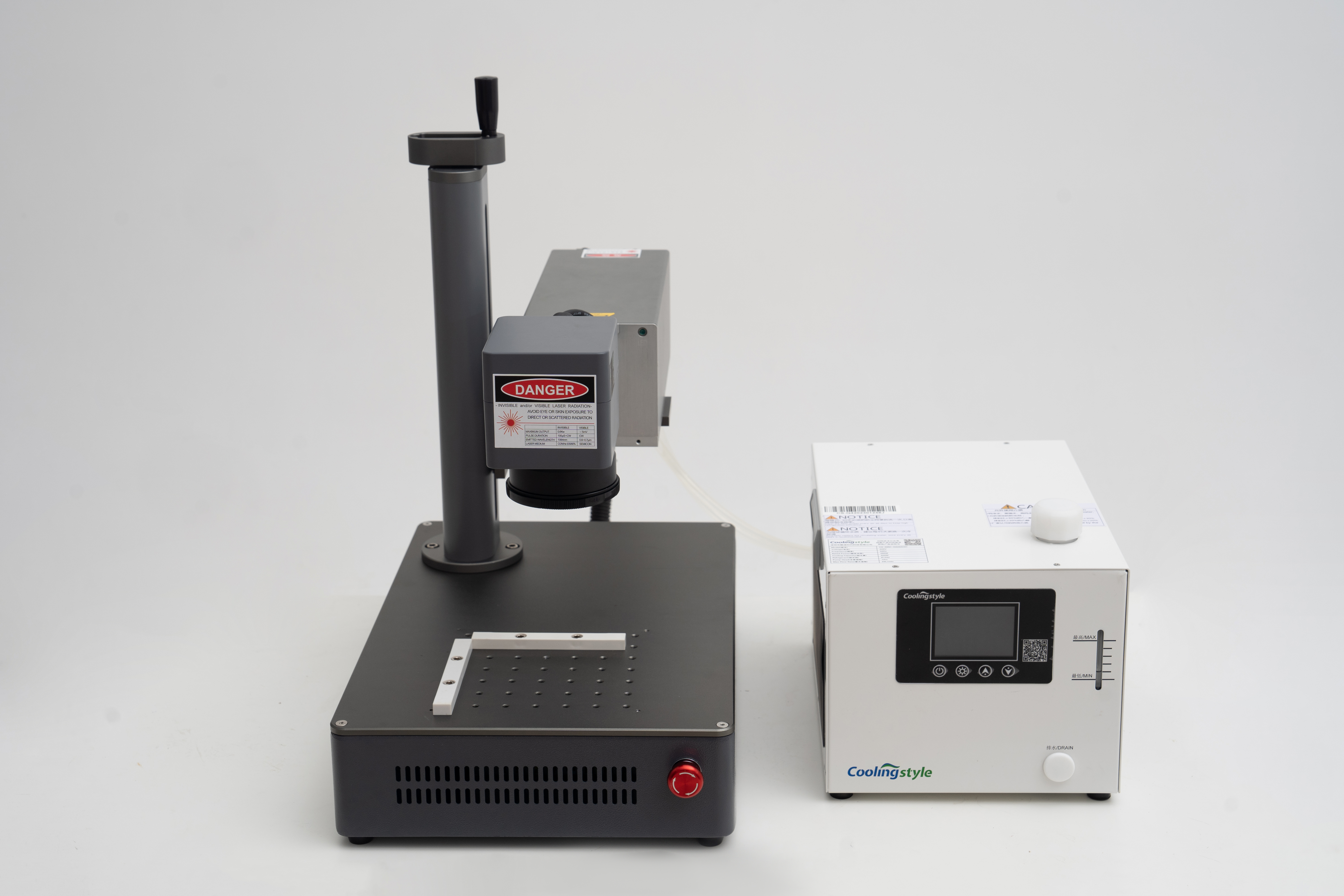
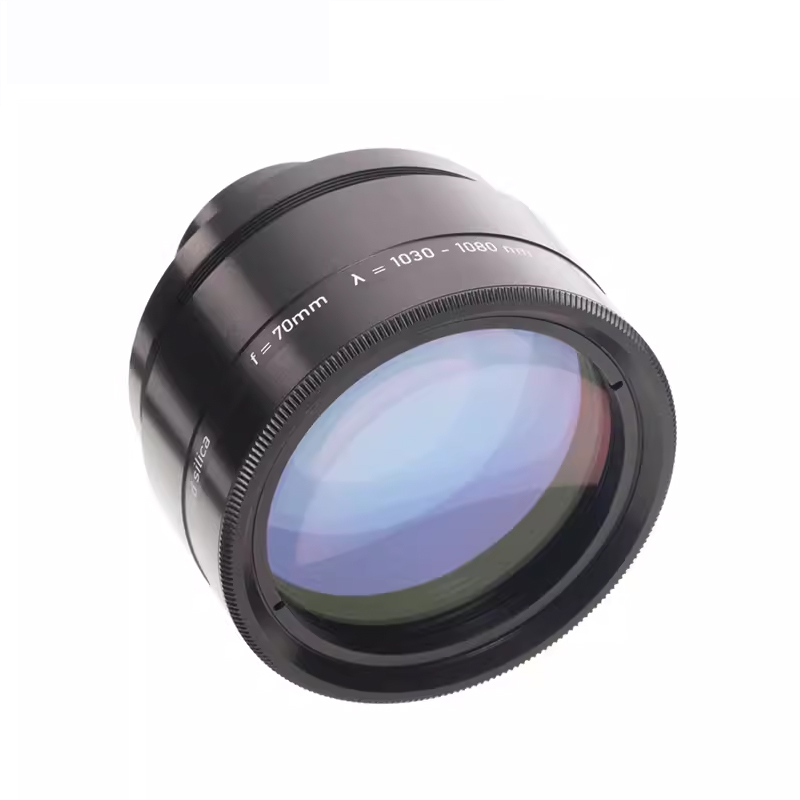
A laser drilling system is an advanced precision manufacturing solution that uses focused laser beams to create holes in various materials with exceptional accuracy and consistency. This technology employs high-powered laser sources to vaporize or melt material at specific points, forming precise holes with diameters ranging from micrometers to several millimeters. The laser drilling system incorporates computer-controlled positioning stages, optical focusing components, and monitoring systems to ensure optimal drilling performance. The main functions include creating micro-holes in circuit boards, drilling cooling holes in turbine blades, producing injection nozzles, and forming through-holes in medical devices. Technological features encompass non-contact processing that eliminates tool wear, high-speed operation capable of drilling thousands of holes per minute, and the ability to process heat-sensitive materials without thermal damage to surrounding areas. Modern laser drilling systems integrate real-time quality monitoring, automated defect detection, and adaptive power control to maintain consistent hole quality throughout production runs. Applications span multiple industries including electronics manufacturing for printed circuit boards and flexible circuits, aerospace for turbine component cooling holes, automotive for fuel injection systems, medical device production for catheter holes and surgical instruments, and jewelry making for intricate designs. The versatility of a laser drilling system makes it indispensable for industries requiring micro-machining capabilities and precise hole formation in challenging materials.

New Products

Investing in a laser drilling system delivers substantial operational benefits that directly impact your production efficiency and product quality. The non-contact nature of laser processing means zero tool wear, eliminating costly bit replacements and reducing maintenance downtime that typically plagues mechanical drilling operations. You achieve faster production speeds because a laser drilling system can complete drilling operations in milliseconds, significantly increasing throughput compared to traditional methods. The precision capabilities allow you to create holes as small as 10 microns with positional accuracy within micrometers, enabling you to manufacture products with tighter tolerances and enhanced functionality. Material versatility gives you the flexibility to drill through metals, ceramics, plastics, composites, and even delicate substrates without switching equipment or tools. This adaptability reduces capital investment requirements and simplifies your production workflow. The laser drilling system operates with minimal heat-affected zones, preserving material properties around drilled holes and reducing rejection rates caused by thermal distortion or cracking. You gain better process control through programmable parameters that ensure consistent hole quality across entire production batches, reducing quality inspection time and improving overall product reliability. Energy efficiency translates to lower operational costs since laser systems consume less power than conventional mechanical drilling setups. The clean processing environment eliminates debris and swarf generation, reducing cleanup requirements and creating safer working conditions. Automation integration capabilities enable you to incorporate the laser drilling system into existing production lines seamlessly, facilitating Industry 4.0 implementation and remote monitoring. These practical advantages combine to lower your total cost of ownership while enhancing product quality and manufacturing flexibility.

Latest News

What is a Laser Engraving Machine and How Does It Work?

20

Apr

What is a Laser Engraving Machine and How Does It Work?

A laser engraving machine represents one of the most precise and versatile tools in modern manufacturing and crafting industries. These sophisticated devices utilize focused laser beams to permanently mark, engrave, or cut various materials with exce...
View More
How does the maintenance of precision laser cutting machines impact their longevity and performance, and what are some tips for effective machine maintenance?

20

Apr

How does the maintenance of precision laser cutting machines impact their longevity and performance, and what are some tips for effective machine maintenance?

Precision laser cutting machines represent a significant investment for manufacturing facilities, and their proper maintenance directly correlates with operational efficiency, production quality, and equipment lifespan. These sophisticated systems re...
View More
How Laser Marking Works: Process & Benefits Explained

20

Apr

How Laser Marking Works: Process & Benefits Explained

The precise nature of modern manufacturing demands permanent identification solutions that maintain clarity, durability, and efficiency across diverse materials and applications. Laser marking has emerged as the definitive technology for creating hig...
View More
Custom Marking and Engraving: Materials & Techniques

29

Jun

Custom Marking and Engraving: Materials & Techniques

Custom marking and engraving operations form the backbone of industrial identification, traceability, and branding across manufacturing sectors. Understanding which materials respond best to specific marking and engraving techniques determines both t...
View More

Get a Free Quote

Our representative will contact you soon.
Email
Name
Company Name
Message
0/1000

laser drilling system

Unmatched Precision and Repeatability

Unmatched Precision and Repeatability

The laser drilling system delivers exceptional precision that mechanical drilling methods simply cannot match, making it the ideal choice for applications requiring microscopic hole dimensions and exact positioning. Advanced beam control technology focuses laser energy to spot sizes as small as a few microns, enabling you to create ultra-fine holes with diameter tolerances measured in single-digit micrometers. Computer-controlled positioning systems ensure that each hole is placed exactly where specified, with repeatability across thousands or millions of drilling cycles. This precision eliminates the variability inherent in mechanical drilling caused by bit runout, wear, and deflection. The laser drilling system maintains consistent hole geometry throughout production runs, ensuring that the first hole matches the ten-thousandth hole in diameter, roundness, and depth. This repeatability reduces scrap rates and quality control challenges, directly improving your manufacturing yield and profitability. For industries like electronics manufacturing where circuit board hole misalignment can cause assembly failures, or aerospace where cooling hole positioning affects turbine performance, this precision becomes mission-critical. The ability to drill angled holes, tapered profiles, and complex geometries further expands design possibilities that would be impossible or cost-prohibitive with conventional drilling techniques.
Superior Material Compatibility

Superior Material Compatibility

The laser drilling system excels at processing an extraordinarily wide range of materials, from soft polymers to ultra-hard ceramics, without requiring tool changes or specialized bits for each substrate. This versatility stems from the fundamental physics of laser-material interaction, where focused photon energy is absorbed by the material and converted to heat, enabling controlled vaporization regardless of material hardness. You can drill through stainless steel, titanium, tungsten carbide, alumina ceramics, sapphire, silicon wafers, polyimide films, FR4 circuit boards, and composite laminates using the same laser drilling system with only parameter adjustments. This capability eliminates the need for maintaining inventories of different drill bits sized for various materials, reducing tooling costs and simplifying production planning. The non-contact process means delicate or brittle materials that would crack or shatter under mechanical drilling pressure can be processed successfully. Reflective materials like copper and aluminum, which pose challenges for some laser systems, can be drilled effectively with appropriate wavelength selection and pulse characteristics. The laser drilling system also handles multi-layer materials efficiently, drilling through stacks of dissimilar materials in a single operation. This material flexibility future-proofs your manufacturing capability, allowing you to adapt to new materials and product designs without major equipment investments.
Minimal Thermal Impact and Clean Processing

Minimal Thermal Impact and Clean Processing

The laser drilling system achieves remarkably clean hole formation with minimal thermal damage to surrounding material, preserving the structural integrity and performance characteristics of your workpieces. Advanced pulsed laser technology delivers energy in extremely short bursts measured in nanoseconds or picoseconds, removing material through ablation before significant heat can conduct into adjacent areas. This controlled energy delivery creates narrow heat-affected zones typically measuring only a few microns wide, far smaller than the thermal damage caused by mechanical friction drilling or continuous laser processes. The result is holes with clean edges free from melting, recast layers, micro-cracks, and thermal stress that could compromise material strength or cause premature failure in service. For applications involving heat-sensitive polymers, composite materials with matrix resins, or components with precision-manufactured surface treatments, this minimal thermal impact is essential to maintain product specifications. The laser drilling system generates virtually no mechanical stress, vibration, or deflection forces that could deform thin workpieces or damage partially assembled components. Processing occurs in a remarkably clean manner without creating chips, burrs, or debris that require secondary deburring operations. This eliminates post-processing steps, reduces handling, and accelerates production throughput while maintaining cleaner work environments and reducing disposal costs associated with drilling waste materials.

Get a Free Quote

Our representative will contact you soon.
Email
Name
Company Name
Message
0/1000