 EN
EN
 AR
AR
 FR
FR
 DE
DE
 JA
JA
 KO
KO
 RU
RU
 ES
ES


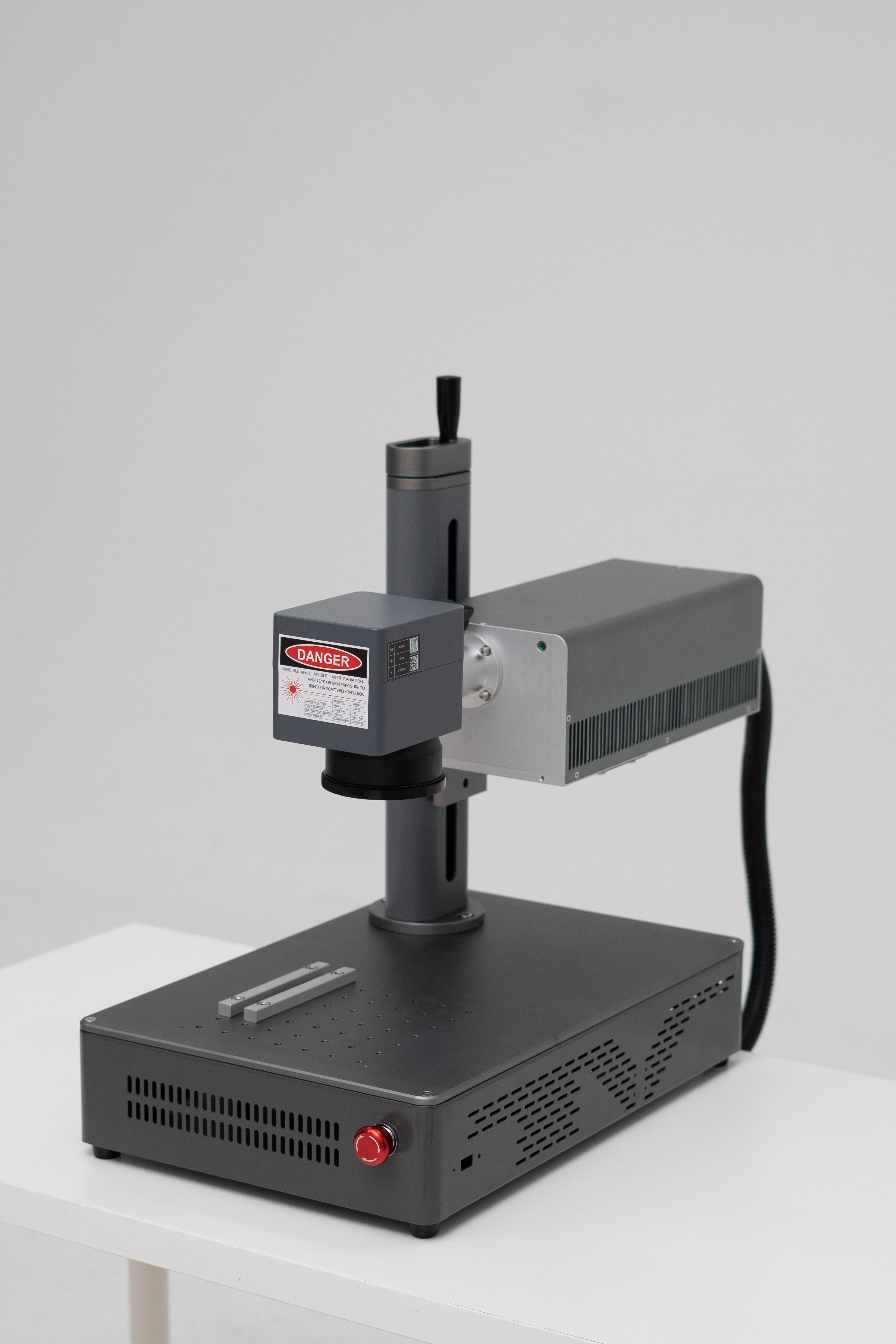
Custom marking and engraving operations form the backbone of industrial identification, traceability, and branding across manufacturing sectors. Understanding which materials respond best to specific marking and engraving techniques determines both the longevity of the mark and the efficiency of the production process. This guide examines the core materials suitable for marking and engraving while exploring the technical methods that deliver permanent, high-contrast results across diverse substrates.
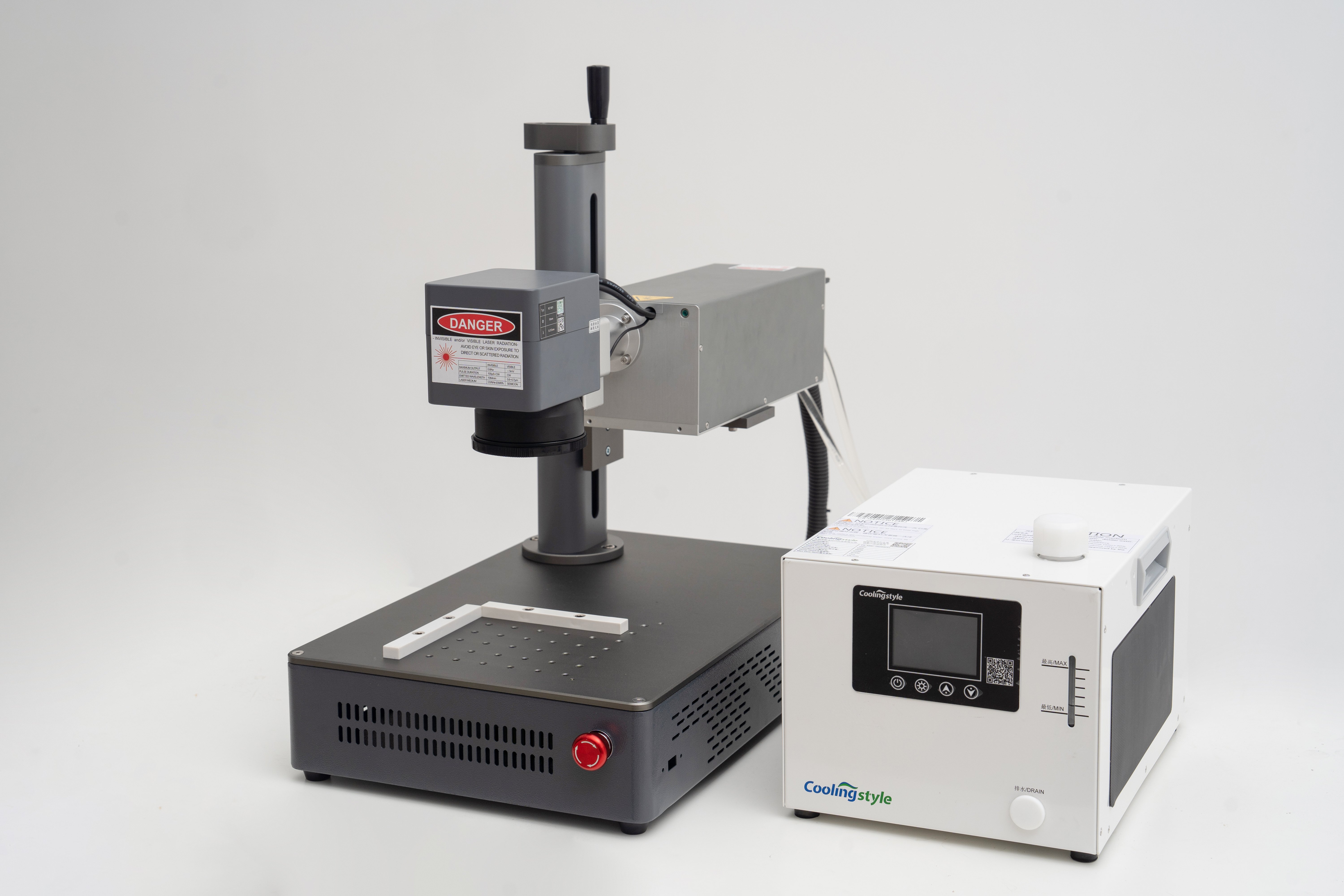
The selection of marking and engraving methods depends on material hardness, thermal sensitivity, surface finish requirements, and the depth of mark needed. Metals, polymers, ceramics, and composite materials each interact differently with mechanical, chemical, and energy-based marking and engraving processes. Manufacturers must align technique selection with substrate properties to avoid thermal distortion, surface cracking, or inadequate mark permanence that compromises part traceability.
Materials Compatible with Marking and Engraving Processes
Metallic Substrates for Marking and Engraving
Metals represent the most common category for industrial marking and engraving due to their structural stability and ability to accept permanent marks. Stainless steel, aluminum, titanium, brass, and tool steels respond well to both mechanical and laser-based marking and engraving methods. Stainless steel alloys offer excellent contrast when laser marking and engraving is applied, as the heat-affected zone creates oxidation patterns that produce dark, readable marks without material removal. Aluminum substrates are ideal for deep mechanical marking and engraving because the softer alloy allows controlled cutting without excessive tool wear.
Hardened tool steels and titanium alloys require higher-energy marking and engraving techniques to achieve sufficient depth and contrast. Laser systems operating at specific wavelengths can anneal the surface layer of these materials, producing color changes through controlled oxidation rather than ablation. This approach to marking and engraving on hard metals preserves dimensional accuracy while creating marks resistant to wear and corrosion. Brass and copper alloys also accept marking and engraving well, though their high thermal conductivity demands careful energy control to prevent excessive heat spread during laser operations.
Polymer and Plastic Materials
Thermoplastics and thermosetting polymers present unique challenges for marking and engraving due to their lower melting points and varying composition. ABS, polycarbonate, polyamide, and acrylic materials are frequently subjected to marking and engraving for consumer products, medical devices, and automotive components. Laser marking and engraving on polymers typically involves either surface carbonization or foaming, depending on the polymer's filler content and pigmentation. Dark marks on light plastics are achieved through localized charring, while light marks on dark plastics result from subsurface foaming that reflects light.
Mechanical marking and engraving methods such as rotary engraving work well on softer polymers but risk introducing stress fractures in brittle materials like polycarbonate. Chemical etching represents another marking and engraving option for certain polymers, using controlled solvent exposure to create recessed marks. The choice between laser, mechanical, and chemical marking and engraving for plastics hinges on production volume, mark permanence requirements, and the need to avoid subsurface stress that could compromise part integrity over time.
Ceramics, Glass, and Composite Materials
Technical ceramics and glass substrates demand specialized marking and engraving approaches due to their brittleness and high hardness. Laser marking and engraving on glass involves controlled micro-cracking or surface ablation that creates frosted or etched appearances. Ceramics used in electronics, aerospace, and medical implants require marking and engraving methods that do not introduce defects or alter surface chemistry. Diamond-scribe mechanical marking and engraving can be applied to certain ceramic substrates, though laser systems offer better control over mark depth and consistency.
Composite materials such as carbon fiber reinforced polymers and fiberglass laminates present complex marking and engraving challenges because their multi-phase structure responds unevenly to energy input. Laser marking and engraving on composites must be calibrated to avoid delamination while achieving sufficient contrast. Marking and engraving depth on composites is typically kept shallow to preserve structural integrity, with color additives or contrasting backing layers often used to enhance readability without deep material removal.
Technical Methods for Marking and Engraving
Laser-Based Marking and Engraving Systems
Laser technology dominates modern industrial marking and engraving due to its non-contact nature, precision, and adaptability across material types. Fiber lasers, CO2 lasers, and UV lasers each serve distinct marking and engraving applications based on wavelength and material interaction. Fiber lasers operating at 1064 nanometers excel in marking and engraving metals and engineering plastics, delivering high-speed marking with minimal thermal input. CO2 lasers at 10,600 nanometers are preferred for organic materials, coated metals, and polymers where surface absorption is higher.
UV lasers enable cold marking and engraving by breaking molecular bonds through photochemical reactions rather than thermal processes, making them suitable for heat-sensitive polymers and medical-grade plastics. The depth of laser marking and engraving is controlled through pulse duration, repetition rate, and focal point positioning. Annealing, etching, and ablation represent the three primary laser marking and engraving modes, each producing different visual and tactile results. Industrial laser marking and engraving systems integrate galvanometer scanners for rapid beam positioning, enabling complex graphics and serialized data matrices at production line speeds.
Mechanical and Rotary Marking and Engraving
Mechanical methods for marking and engraving employ physical cutting tools to remove material or displace it through controlled pressure. Rotary engraving machines use carbide or diamond-tipped cutters that follow programmed paths to create raised or recessed marks. This form of marking and engraving is well-suited to signage, nameplates, and control panels where tactile marks improve readability. Depth consistency in mechanical marking and engraving depends on tool sharpness, spindle speed, and feed rate, with harder materials requiring slower cutting speeds to prevent tool breakage.
Dot peen marking and engraving represents another mechanical approach, using a hardened stylus to create dot matrix patterns through rapid impacts. This method for marking and engraving is common in automotive and aerospace applications where deep, permanent marks are required for part traceability. Dot peen systems apply controlled force to displace material rather than remove it, resulting in marks that withstand surface treatments and harsh environments. The spacing and depth of dots in mechanical marking and engraving affect both readability and the stress introduced into the substrate.
Chemical and Electrochemical Marking and Engraving
Chemical etching and electrochemical marking offer alternative marking and engraving methods for applications where mechanical stress or thermal input must be avoided. Chemical marking and engraving involves applying resist masks to the substrate, then exposing unprotected areas to acidic or alkaline solutions that dissolve material. This technique is used for intricate marking and engraving on metals, circuit boards, and decorative items. Etch depth is controlled through solution concentration, temperature, and exposure time, with deeper marking and engraving requiring longer immersion periods.
Electrochemical marking and engraving uses electrical current to accelerate material removal in the presence of an electrolyte solution. A shaped electrode or stencil is pressed against the substrate while current passes through the electrolyte, selectively dissolving metal to create marks. This form of marking and engraving produces smooth, burr-free edges and can be applied to hardened steels and stainless alloys without mechanical or thermal stress. Electrochemical marking and engraving is particularly effective for marking and engraving on curved surfaces and thin-walled components where other methods might cause distortion.
Technique Selection Strategy for Marking and Engraving Applications
Matching Process to Material and Mark Requirements
Effective marking and engraving begins with analyzing the substrate's physical properties and the functional requirements of the mark. Materials with high thermal conductivity such as copper benefit from pulsed laser marking and engraving that minimizes heat diffusion, while brittle ceramics require low-impact methods that avoid micro-cracking. The intended mark permanence also guides technique selection for marking and engraving, with deep mechanical marks offering superior longevity on wear surfaces compared to surface-only laser annealing.
Production volume influences marking and engraving method economics, as laser systems offer higher throughput for serialized marking despite higher capital costs. Mechanical marking and engraving provides cost-effective solutions for low-volume custom work where setup time is less critical. Surface finish preservation is another factor in marking and engraving decisions, with non-ablative laser methods maintaining smoothness while chemical etching can introduce roughness that affects subsequent coating adhesion. Regulatory requirements for mark legibility and permanence in medical, aerospace, and automotive sectors often mandate specific marking and engraving techniques that meet industry standards.
Optimizing Mark Contrast and Readability
Achieving high-contrast marking and engraving improves machine readability for barcodes and data matrices while enhancing human legibility in identification applications. Contrast in marking and engraving results from differences in surface reflectivity, color, or texture between the marked area and the surrounding substrate. Laser marking and engraving on anodized aluminum removes the oxide layer to reveal the base metal, creating light marks on dark backgrounds. Conversely, laser marking and engraving on bare stainless steel generates dark oxide layers that contrast against the polished surface.
Mechanical marking and engraving creates contrast through shadowing effects in recessed areas, with deeper cuts producing stronger visual separation. Chemical marking and engraving can be combined with subsequent coloring steps to fill etched regions with contrasting pigments, enhancing readability without increasing mark depth. For outdoor or harsh-environment marking and engraving, contrast permanence must be considered, as surface treatments and weathering can reduce mark visibility over time. Testing marking and engraving methods under accelerated aging conditions ensures long-term readability in demanding applications.
FAQ
What determines the best marking and engraving technique for a specific material?
The best marking and engraving technique depends on material hardness, thermal sensitivity, required mark depth, production volume, and environmental exposure. Metals typically accept laser or mechanical marking and engraving, while polymers may require gentler laser parameters or chemical methods. Evaluating the substrate's response to test marking and engraving at various parameters reveals the optimal approach for balancing mark quality, speed, and cost.
How does laser marking and engraving differ from mechanical methods in terms of mark permanence?
Laser marking and engraving produces marks through material alteration or removal without physical contact, resulting in stress-free marks with consistent depth. Mechanical marking and engraving involves tool contact that can introduce subsurface stress but typically achieves deeper penetration. For applications requiring extreme wear resistance, deeper mechanical marking and engraving often outlasts shallow laser marks, though laser methods offer superior precision for fine details and complex graphics.
Can marking and engraving be applied to coated or treated surfaces without damage?
Marking and engraving on coated surfaces requires careful technique selection to avoid delamination or coating failure. Laser marking and engraving can selectively remove thin coatings to reveal contrasting underlayers, while mechanical marking and engraving may fracture brittle coatings. Electrochemical marking and engraving works well on certain metallic coatings by selectively etching through the layer. Testing marking and engraving on sample coated parts ensures compatibility before full production implementation.