 EN
EN
 AR
AR
 FR
FR
 DE
DE
 JA
JA
 KO
KO
 RU
RU
 ES
ES


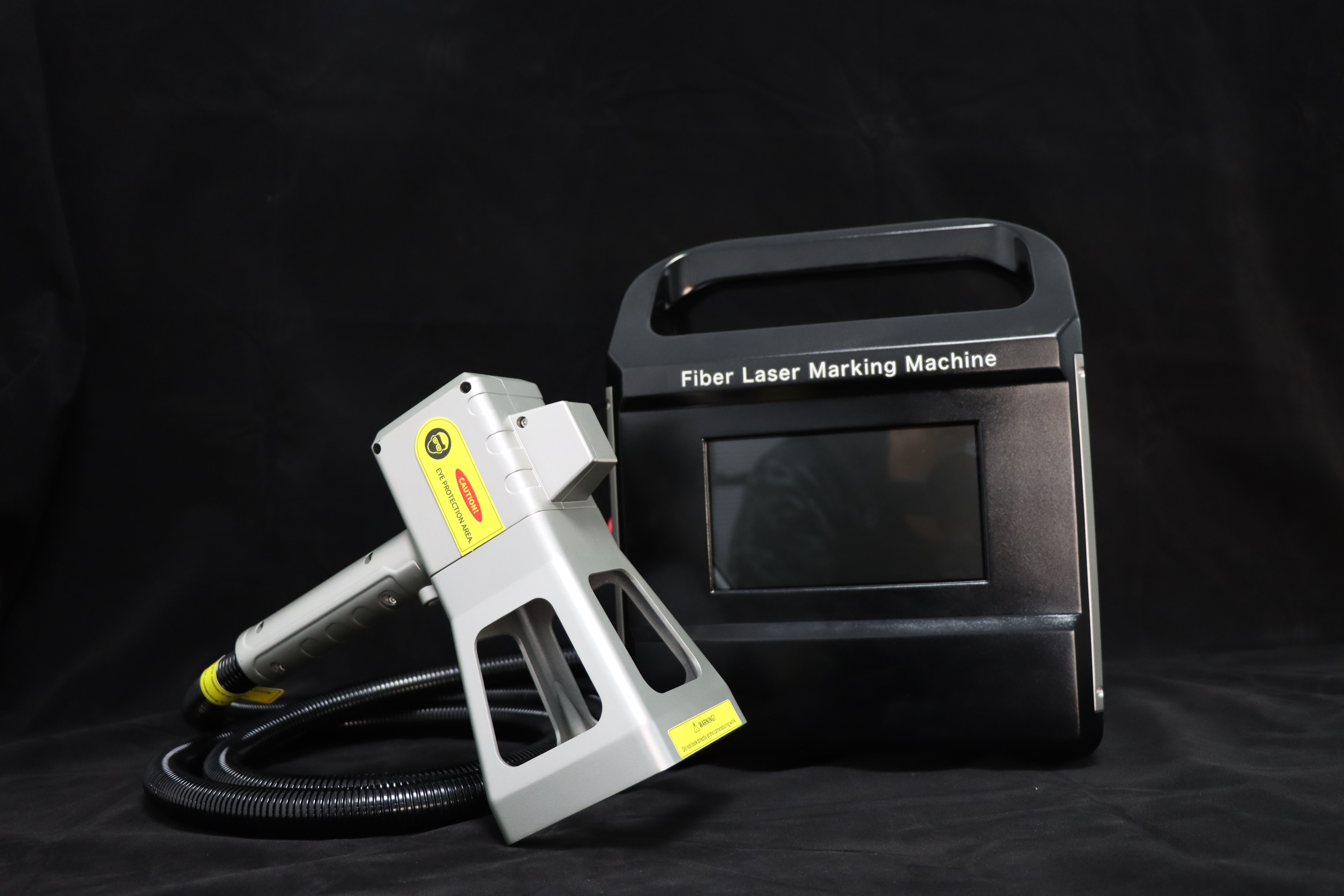
Selecting the best laser micromachining equipment for precision work requires understanding both the technical capabilities of modern systems and the specific demands of your manufacturing environment. Industrial applications ranging from medical device fabrication to electronics manufacturing depend on laser micromachining equipment that delivers consistent accuracy at microscopic scales. The right laser micromachining equipment transforms complex manufacturing challenges into repeatable, cost-effective processes while maintaining tight tolerances that traditional machining methods cannot achieve.
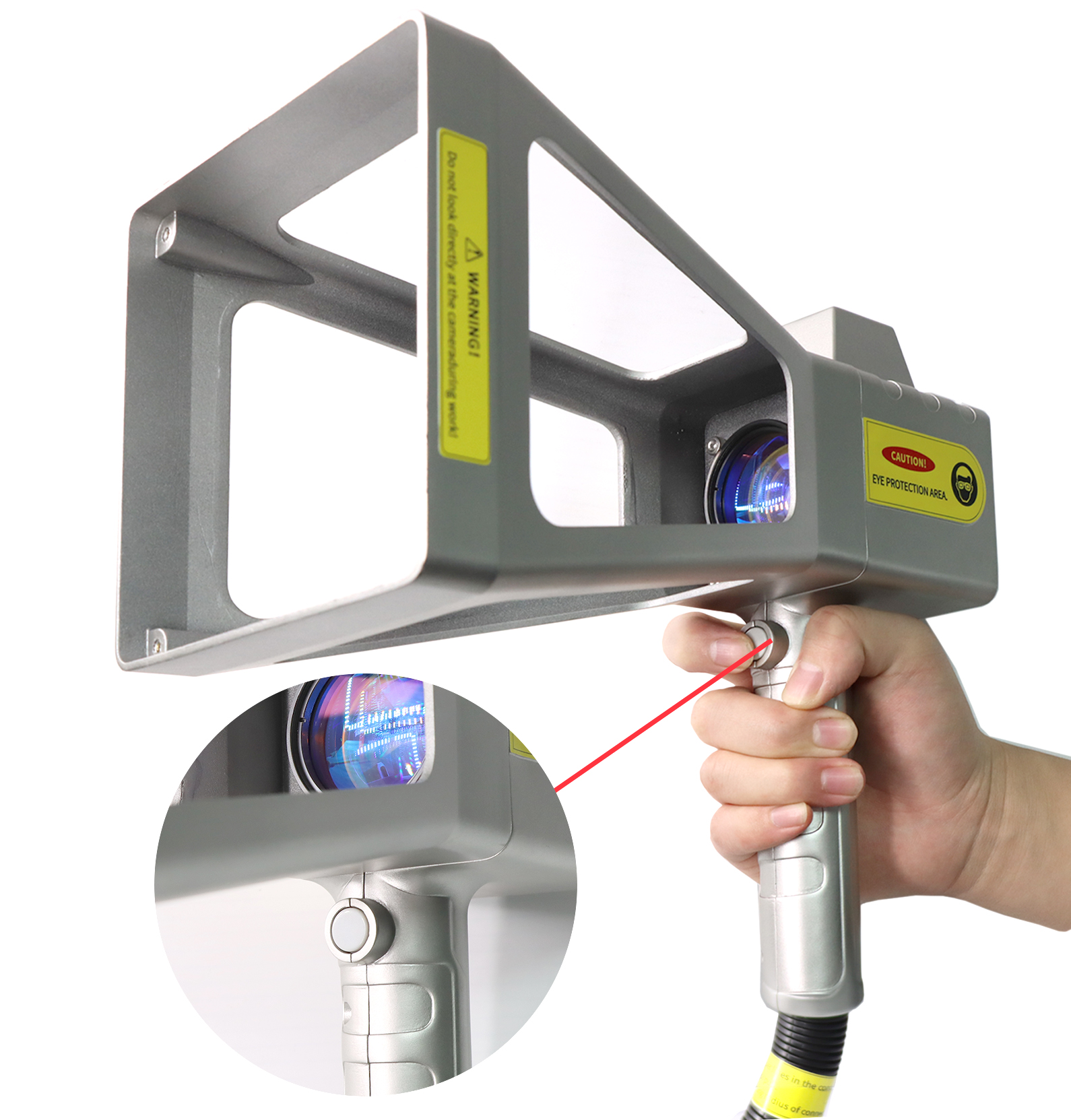
Modern laser micromachining equipment integrates advanced beam control, precision motion systems, and real-time monitoring to execute intricate material removal operations. When evaluating laser micromachining equipment, manufacturers must consider wavelength compatibility with target materials, pulse duration characteristics, beam quality metrics, and positioning accuracy. The best laser micromachining equipment combines these technical specifications with robust software interfaces and flexible fixturing options that accommodate diverse production requirements without compromising throughput or quality.
Critical Performance Specifications in Laser Micromachining Equipment
Beam Quality and Focusing Capabilities
The optical performance of laser micromachining equipment directly determines achievable feature resolution and edge quality. High-quality laser micromachining equipment maintains beam parameter products below 2.0 mm-mrad, enabling focus spot sizes under 10 micrometers for ultra-fine feature creation. Superior laser micromachining equipment incorporates adaptive optics and beam shaping components that compensate for thermal lensing effects during extended processing cycles. Manufacturers requiring submicron precision should prioritize laser micromachining equipment with closed-loop beam monitoring systems that verify focal position and intensity distribution in real time.
Pulse Control and Material Interaction
Advanced laser micromachining equipment offers programmable pulse duration ranging from nanoseconds to femtoseconds, allowing precise control over heat-affected zones and material removal rates. The best laser micromachining equipment for precision work utilizes ultrashort pulse technology that minimizes thermal damage while maximizing processing efficiency. Industrial-grade laser micromachining equipment provides pulse frequency modulation up to several megahertz, enabling process optimization across different material types. When processing thermally sensitive substrates, laser micromachining equipment with femtosecond pulse capability prevents microcracking and maintains dimensional accuracy within ±2 micrometers.
Motion System Precision and Repeatability
Positioning accuracy separates adequate laser micromachining equipment from systems capable of truly precise work. Professional laser micromachining equipment integrates linear motor stages or air-bearing motion systems achieving positional repeatability within ±0.5 micrometers across the entire work envelope. The most capable laser micromachining equipment combines multi-axis synchronization with sub-millisecond settling times, ensuring consistent feature placement even during high-speed scanning operations. Manufacturers should verify that laser micromachining equipment specifications include both unidirectional and bidirectional repeatability measurements, as bidirectional performance often reveals motion control limitations not apparent in single-direction testing.
Application-Specific Selection Criteria for Laser Micromachining Equipment
Material Compatibility and Process Flexibility
Different manufacturing sectors demand laser micromachining equipment optimized for specific material interactions. Medical device manufacturers require laser micromachining equipment capable of processing biocompatible metals, polymers, and ceramics without introducing surface contamination. Electronics fabrication benefits from laser micromachining equipment that handles thin-film materials, silicon substrates, and flexible circuits with minimal debris generation. Versatile laser micromachining equipment accommodates wavelength switching or multiple beam paths, enabling single-platform processing of dissimilar materials. When evaluating laser micromachining equipment, request material-specific process demonstrations that replicate actual production conditions rather than relying solely on published specification sheets.
Production Environment Integration
The best laser micromachining equipment for precision work integrates seamlessly into existing manufacturing workflows through standardized communication protocols and modular fixture designs. Industrial laser micromachining equipment should support both standalone operation and integration with automated material handling systems for scalable production. Modern laser micromachining equipment provides Ethernet-based control interfaces compatible with factory information systems, enabling real-time process monitoring and quality data collection. Companies transitioning to laser micromachining equipment from conventional processes benefit from systems offering graphical programming interfaces that reduce operator training time while maintaining process repeatability.
Quality Assurance and Process Monitoring
Advanced laser micromachining equipment incorporates in-process monitoring capabilities that detect processing anomalies before they result in rejected parts. High-end laser micromachining equipment features coaxial vision systems providing real-time verification of feature dimensions and surface quality during machining operations. The most sophisticated laser micromachining equipment integrates plasma emission spectroscopy or acoustic monitoring that correlates process signatures with material removal rates, enabling closed-loop power adjustments. Manufacturers pursuing zero-defect production should prioritize laser micromachining equipment with automated inspection algorithms that flag dimensional deviations exceeding predefined tolerances without requiring post-process metrology.
Operational Considerations and Long-Term Performance
Maintenance Requirements and Consumable Costs
Total cost of ownership for laser micromachining equipment extends well beyond initial capital investment to include consumables, maintenance schedules, and system uptime. Reliable laser micromachining equipment utilizes sealed laser sources requiring minimal operator intervention beyond scheduled optical cleaning and gas replenishment. Industrial laser micromachining equipment with modular component architecture reduces mean time to repair by enabling rapid replacement of beam delivery optics and motion system elements. When comparing laser micromachining equipment options, obtain detailed consumable cost projections based on expected annual processing hours, as high-power laser micromachining equipment may incur substantial expenses for protective windows and focusing lenses.
Safety Systems and Regulatory Compliance
Professional-grade laser micromachining equipment incorporates comprehensive safety interlocks, fume extraction interfaces, and beam containment structures meeting international laser safety standards. The best laser micromachining equipment for precision work provides Class 1 enclosed operation preventing inadvertent exposure during normal production activities. Manufacturers operating laser micromachining equipment in regulated industries must verify that systems include documentation packages supporting equipment validation and process qualification requirements. Advanced laser micromachining equipment features access control logging and parameter lock-out functions that prevent unauthorized process modifications while maintaining audit trails for quality system compliance.
Scalability and Technology Upgrade Paths
Forward-thinking investments in laser micromachining equipment consider future capability expansion through field-upgradable laser sources, motion systems, and control software. Modular laser micromachining equipment architectures allow manufacturers to begin with baseline configurations and incrementally add processing capabilities as production requirements evolve. The most adaptable laser micromachining equipment supports software-defined functionality updates that introduce new process algorithms and quality monitoring features without hardware modifications. Companies planning long-term utilization of laser micromachining equipment should evaluate vendor upgrade roadmaps and installed base support commitments, as laser technology advances may render inflexible systems obsolete within five-year depreciation cycles.
FAQ
What accuracy levels can modern laser micromachining equipment achieve?
High-precision laser micromachining equipment routinely achieves positioning accuracy within ±1 micrometer and feature repeatability within ±2 micrometers across typical work envelopes. Advanced laser micromachining equipment utilizing interferometric position feedback and thermal compensation maintains submicron accuracy even during extended production runs. The actual precision of laser micromachining equipment depends on material properties, feature geometry, and environmental control, with controlled-atmosphere installations achieving tighter tolerances than standard shop-floor conditions.
How does pulse duration affect material processing with laser micromachining equipment?
Pulse duration in laser micromachining equipment directly influences heat-affected zone dimensions and surface quality. Nanosecond-pulse laser micromachining equipment provides efficient material removal but may introduce thermal stress in sensitive substrates. Picosecond and femtosecond laser micromachining equipment minimizes heat transfer to surrounding material, enabling processing of thermally fragile components without microcracking or dimensional distortion. Selecting appropriate pulse duration for specific laser micromachining equipment applications requires balancing processing speed against thermal damage constraints and desired edge quality.
What maintenance intervals should manufacturers expect for laser micromachining equipment?
Maintenance schedules for laser micromachining equipment vary by laser source type and operating intensity. Fiber-based laser micromachining equipment typically requires minimal maintenance beyond quarterly optical inspections and annual calibration verification. Gas laser micromachining equipment demands more frequent attention including tube replacement intervals ranging from 2000 to 10000 operating hours depending on power levels. All laser micromachining equipment benefits from daily fume extraction system verification and weekly motion system lubrication checks. Establishing preventive maintenance protocols for laser micromachining equipment maximizes uptime and preserves long-term positioning accuracy essential for precision applications.