 EN
EN
 AR
AR
 FR
FR
 DE
DE
 JA
JA
 KO
KO
 RU
RU
 ES
ES


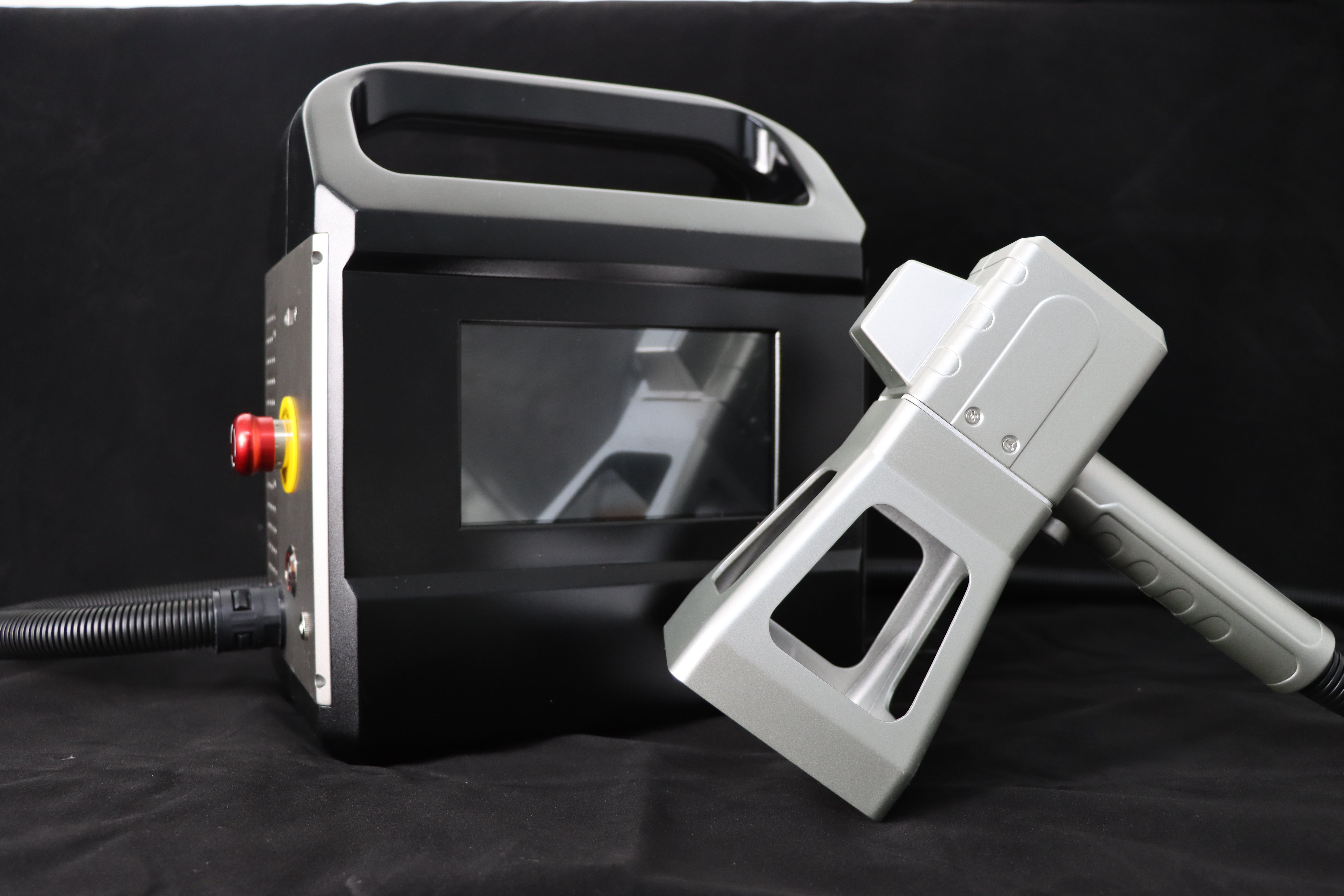
In precision manufacturing, laser micromachining equipment has become an essential tool for industries that demand extreme accuracy at microscale levels. From medical devices to semiconductors and aerospace components, laser micromachining equipment enables manufacturers to process delicate materials with tolerances measured in micrometers. As production requirements grow more demanding, understanding what this technology offers — and why it matters — is critical for any engineering or procurement team evaluating advanced manufacturing solutions.
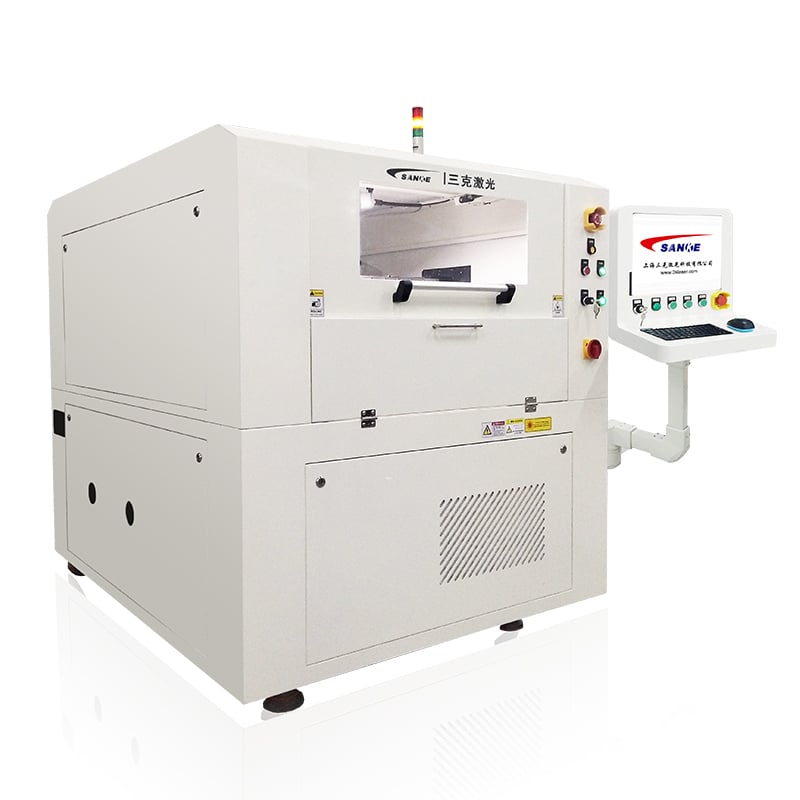
Laser micromachining equipment uses focused laser beams to cut, drill, engrave, or ablate materials at an incredibly fine scale. Unlike conventional mechanical machining, laser micromachining equipment operates without physical contact, eliminating tool wear and reducing the risk of mechanical stress on fragile workpieces. This makes laser micromachining equipment particularly well-suited for high-value components where dimensional accuracy and surface integrity are non-negotiable. The following sections explore the core features and practical benefits that define modern laser micromachining equipment.
Core Features of Laser Micromachining Equipment
Precision Beam Control and Focusing Systems
One of the most defining features of laser micromachining equipment is its advanced beam delivery and focusing capability. High-quality laser micromachining equipment uses precision optical assemblies, galvanometric scanners, and advanced focusing lenses to direct energy onto extremely small areas. The spot size achievable by laser micromachining equipment can range from a few microns to tens of microns, allowing intricate patterns and fine cuts that no mechanical tool can replicate. This level of control makes laser micromachining equipment ideal for applications such as micro-hole drilling, thin-film patterning, and micro-slot cutting.
Modern laser micromachining equipment also integrates real-time monitoring systems that adjust focus and beam intensity dynamically during processing. This ensures consistent output quality even across complex geometries or uneven surfaces. When evaluating laser micromachining equipment, the quality of the beam control system is often the single most important technical specification to assess.
Laser Source Variety and Material Compatibility
Laser micromachining equipment is available with a range of laser sources, including ultraviolet, green, and infrared wavelengths, as well as pulsed and ultrashort-pulse configurations such as picosecond and femtosecond lasers. The choice of laser source within a laser micromachining equipment platform directly determines which materials can be processed and at what quality level. Ultrashort-pulse laser micromachining equipment, for example, minimizes heat-affected zones, making it the preferred choice for heat-sensitive substrates like glass, polymers, and biological materials. Infrared laser micromachining equipment, on the other hand, is well-suited for metals and thicker substrates where deeper ablation or cutting is required.
This versatility means laser micromachining equipment can serve a wide variety of industries without requiring separate dedicated systems for each material type. Selecting laser micromachining equipment with a compatible laser source for your target material is a fundamental step in system specification.
Key Benefits of Laser Micromachining Equipment
Non-Contact Processing and Reduced Material Stress
The non-contact nature of laser micromachining equipment is one of its most commercially significant advantages. Because laser micromachining equipment removes material through photonic energy rather than mechanical force, there is no physical stress transferred to the workpiece. This is especially valuable when processing brittle materials like ceramics, silicon wafers, or thin optical films, where even slight mechanical contact could cause cracking or deformation. Laser micromachining equipment preserves the structural integrity of the component while still achieving precise material removal.
In production environments, the non-contact feature of laser micromachining equipment also means lower maintenance cycles. There are no cutting tools to replace, no coolant systems to manage, and no contact-wear variables that affect tolerances over time. This directly reduces operational costs and improves consistency across production runs, making laser micromachining equipment a highly cost-effective solution over its operational lifespan.
High Repeatability and Scalability in Production
Laser micromachining equipment delivers exceptional repeatability, which is a critical requirement in regulated industries such as medical device manufacturing and electronics. Once a process program is established on laser micromachining equipment, the same parameters can be applied to thousands of components with minimal deviation. This repeatability makes laser micromachining equipment an ideal platform for both prototyping and full-scale production without requiring significant process reconfiguration between phases.
Scalability is another practical benefit of laser micromachining equipment. As production volumes increase, laser micromachining equipment can be integrated into automated production lines with robotic loading and unloading systems, inline inspection, and ERP connectivity. This makes laser micromachining equipment a future-ready investment for manufacturers planning to scale operations while maintaining tight quality control.
Application Areas Where Laser Micromachining Equipment Excels
Medical Devices and Life Sciences
The medical device industry relies heavily on laser micromachining equipment to produce components such as stents, catheters, surgical needles, and microfluidic chips. These components require features at the micron level and must meet rigorous biocompatibility and dimensional standards. Laser micromachining equipment can produce these features without introducing contamination or thermal damage, which is a critical advantage in clean-room environments. The ability of laser micromachining equipment to process both metallic and polymeric medical-grade materials with equal precision makes it indispensable in this sector.
Electronics and Semiconductor Fabrication
In electronics manufacturing, laser micromachining equipment is used for wafer dicing, via drilling in printed circuit boards, and thin-film scribing. The submicron accuracy of laser micromachining equipment allows semiconductor manufacturers to create finer circuit features and increase component density without sacrificing yield. As component miniaturization continues to drive the electronics industry, laser micromachining equipment becomes increasingly central to achieving the next generation of product performance benchmarks. The speed and precision of laser micromachining equipment also support higher throughput, which is essential in semiconductor fabs where output volume directly affects profitability.
FAQ
What types of materials can laser micromachining equipment process?
Laser micromachining equipment can process a broad range of materials including metals, ceramics, glass, polymers, silicon, and composite materials. The specific laser source configuration within the laser micromachining equipment determines the optimal material match, and many systems are designed with selectable parameters to handle multiple substrate types on a single platform.
How does laser micromachining equipment differ from standard laser cutting machines?
While standard laser cutting machines are optimized for cutting sheet metal or thick materials at higher power levels, laser micromachining equipment is engineered specifically for precision at the microscale. Laser micromachining equipment uses shorter pulse durations, tighter beam focus, and finer motion control to achieve feature sizes and tolerances that industrial laser cutters cannot match. The two systems serve distinct application ranges and should not be considered interchangeable.
Is laser micromachining equipment suitable for high-volume production?
Yes, laser micromachining equipment is highly suitable for high-volume production when integrated into an automated workflow. Modern laser micromachining equipment platforms support fast scan speeds, automated workpiece handling, and continuous operation cycles that enable consistent throughput at scale. Many manufacturers use laser micromachining equipment as a core production asset rather than a prototyping tool, precisely because of its speed, repeatability, and process stability across large production batches.