 EN
EN
 AR
AR
 FR
FR
 DE
DE
 JA
JA
 KO
KO
 RU
RU
 ES
ES


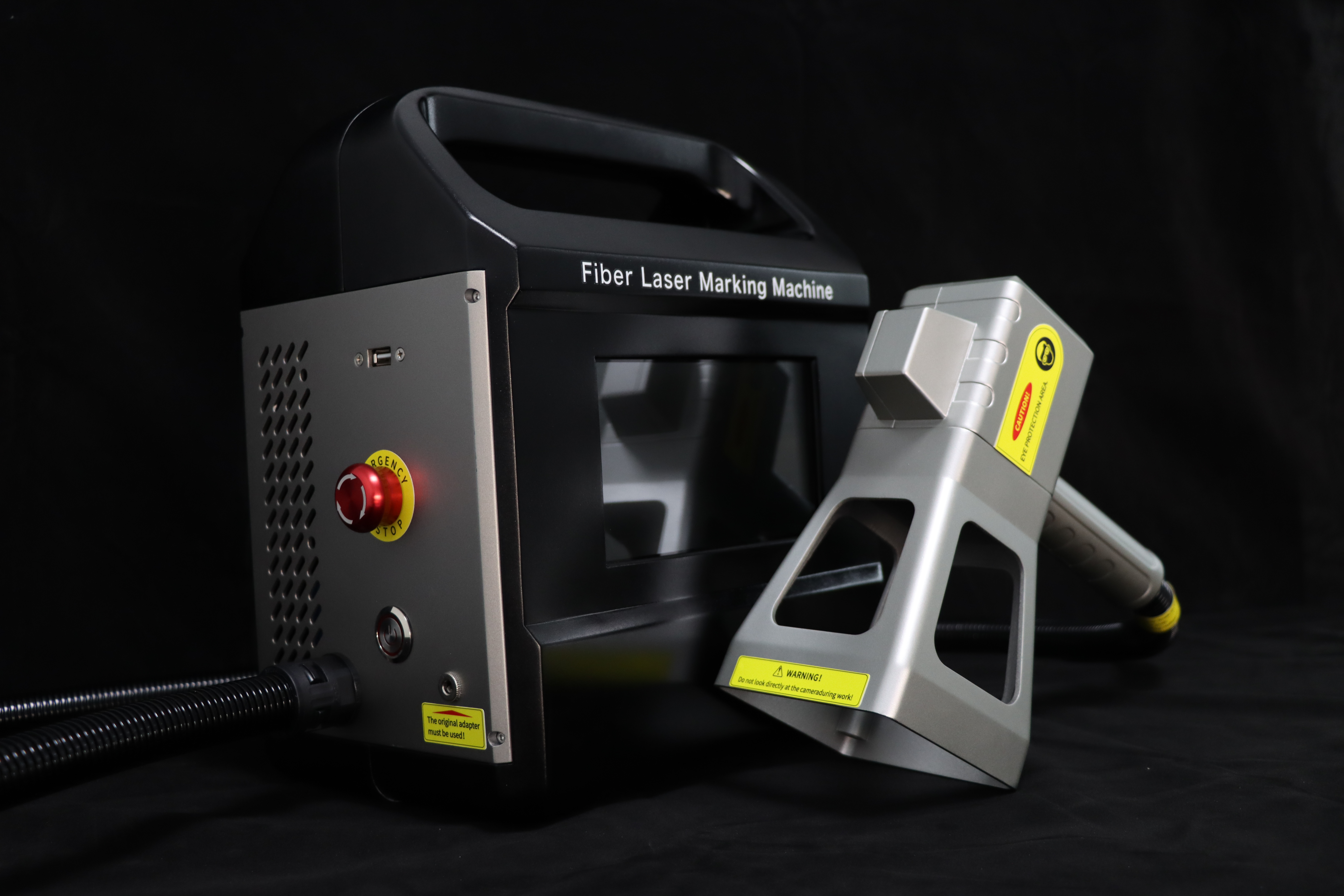
The precision manufacturing industry relies heavily on advanced laser micromachining equipment to achieve tolerances and surface finishes impossible through conventional machining methods. Organizations across automotive, aerospace, electronics, and medical device sectors depend on quality laser micromachining equipment to remain competitive and meet increasingly demanding customer specifications. Understanding the landscape of laser micromachining equipment manufacturers helps procurement teams, engineering departments, and production managers identify solutions that match their specific operational requirements and long-term growth objectives
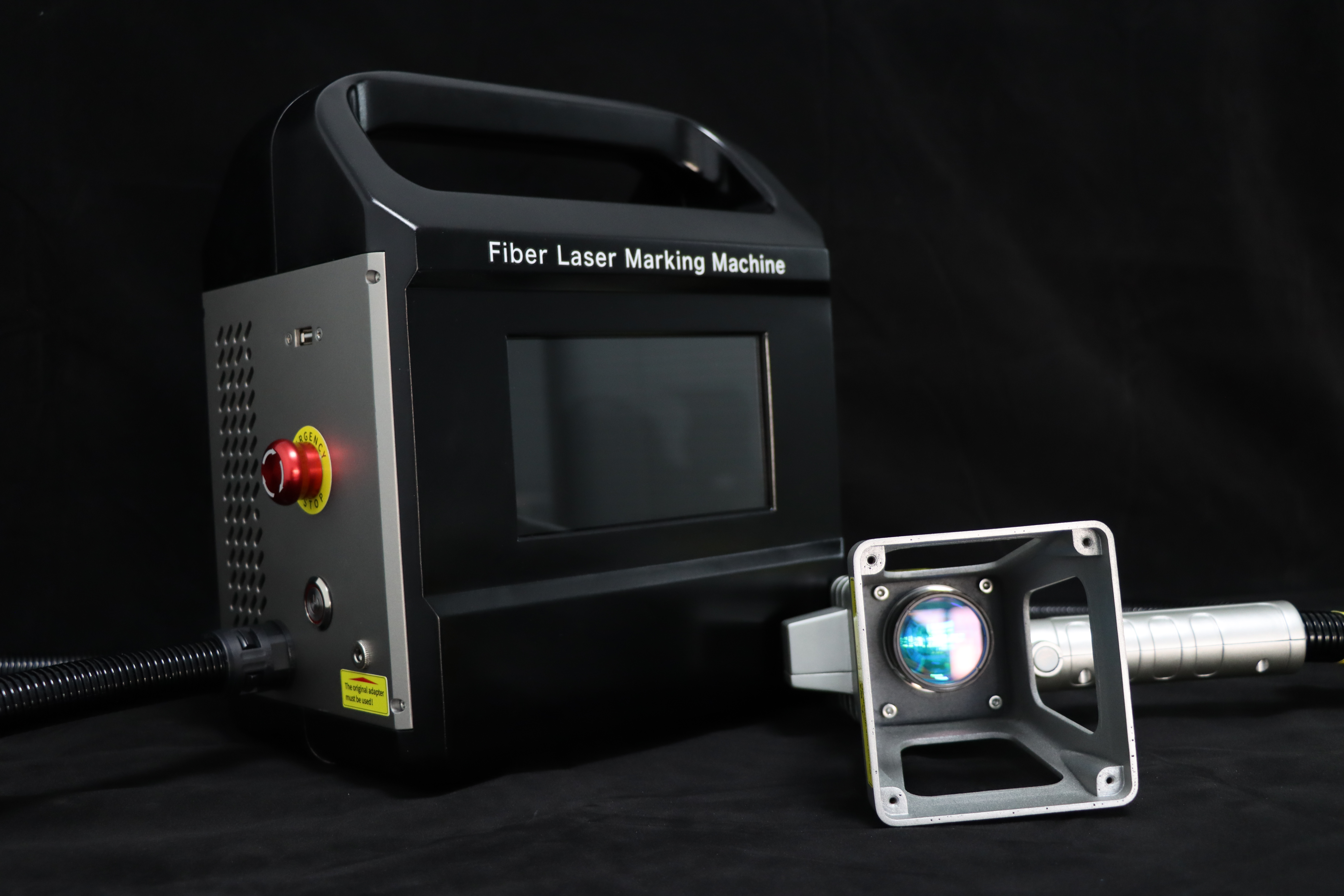
Selecting the right laser micromachining equipment manufacturer is not merely a purchasing decision but a strategic partnership that influences production capacity, quality consistency, and innovation capability. Leading manufacturers combine advanced technology, extensive application expertise, comprehensive support systems, and proven reliability in delivering laser micromachining equipment solutions that drive measurable business outcomes and operational excellence.
Core Technology and Capabilities in Laser Micromachining Equipment
Laser Source Technologies
Modern laser micromachining equipment utilizes multiple laser source technologies, each optimized for specific material groups and application requirements. Fiber laser systems dominate many industrial applications due to their electrical efficiency, compact footprint, and exceptional beam quality. CO2 laser systems remain essential for organic material processing where longer wavelengths provide superior absorption characteristics. Ultraviolet and solid-state laser micromachining equipment serves specialized markets requiring minimal thermal affect zones and exceptional edge quality. Leading manufacturers invest continuously in laser source innovation to expand the material compatibility range of their laser micromachining equipment portfolios.
Precision Motion Control Systems
The positioning accuracy and repeatability of laser micromachining equipment depend critically on sophisticated motion control architectures. Multi-axis galvanometric scanning systems enable rapid beam repositioning without mechanical stage movement, dramatically increasing processing speed for laser micromachining equipment applications. Precision XY stages with sub-micron repeatability ensure consistent feature placement across production runs. Advanced laser micromachining equipment incorporates real-time feedback systems, adaptive optical alignment, and thermal compensation to maintain dimensional accuracy throughout extended production cycles and varying environmental conditions.
Selection Criteria for Laser Micromachining Equipment Manufacturers
Production Capacity and Throughput
Manufacturing operations require laser micromachining equipment capable of meeting current production volumes while accommodating forecasted demand growth. Processing speed, material handling efficiency, and automated feature capability directly impact the return on investment timeline for laser micromachining equipment. Manufacturers offering modular laser micromachining equipment architectures allow capacity scaling without complete system replacement. Examine whether laser micromachining equipment suppliers provide clear performance metrics, realistic processing time estimates, and capacity planning guidance aligned with your production roadmap.
Material Compatibility and Application Scope
Different laser micromachining equipment configurations excel with specific material families including metals, ceramics, polymers, composites, and semiconductors. Comprehensive laser micromachining equipment manufacturers maintain expertise across diverse materials and can recommend optimal processing parameters for your specific applications. The breadth of materials supported by laser micromachining equipment directly influences your ability to serve diverse customer requirements and enter new market segments. Evaluate whether laser micromachining equipment portfolios include necessary wavelengths, beam delivery options, and material handling systems for your complete product portfolio.
Quality Assurance and Consistency
Consistent output quality distinguishes premium laser micromachining equipment manufacturers from commodity suppliers. Advanced laser micromachining equipment incorporates real-time monitoring, automated quality verification, and statistical process control capabilities that prevent defective parts from reaching customers. Integration of laser micromachining equipment with enterprise quality management systems enables traceability, statistical analysis, and continuous improvement workflows. Manufacturing organizations increasingly demand laser micromachining equipment that generates detailed process documentation, validates specifications automatically, and supports regulatory compliance across FDA, ISO, and aerospace quality frameworks.
Support Infrastructure and Long-Term Partnership Value
Technical Support and Applications Engineering
Exceptional laser micromachining equipment manufacturers provide embedded applications engineering throughout the customer lifecycle, from initial feasibility assessment through production optimization. Experienced laser micromachining equipment teams understand material behavior, processing physics, and optimization techniques that transform adequate results into competitive advantages. Access to dedicated applications engineers ensures that your laser micromachining equipment investment delivers continuous productivity improvements and enables rapid response to changing customer requirements. Leading manufacturers maintain knowledge management systems, process libraries, and technical documentation that accelerate learning curves and reduce time-to-proficiency for your operations team.
Maintenance, Spare Parts, and Equipment Longevity
Total cost of ownership extends far beyond initial equipment purchase price for laser micromachining equipment investments. Proactive maintenance programs, readily available spare parts, and transparent pricing for laser micromachining equipment consumables protect against unexpected downtime and budget overruns. Premier laser micromachining equipment manufacturers maintain distributed spare parts inventory, offer predictive maintenance services, and provide upgrade paths that extend system life and capability. Evaluate manufacturer track records for equipment reliability, average time-to-repair, spare parts availability, and support responsiveness in your geographic region.
Training and Workforce Development
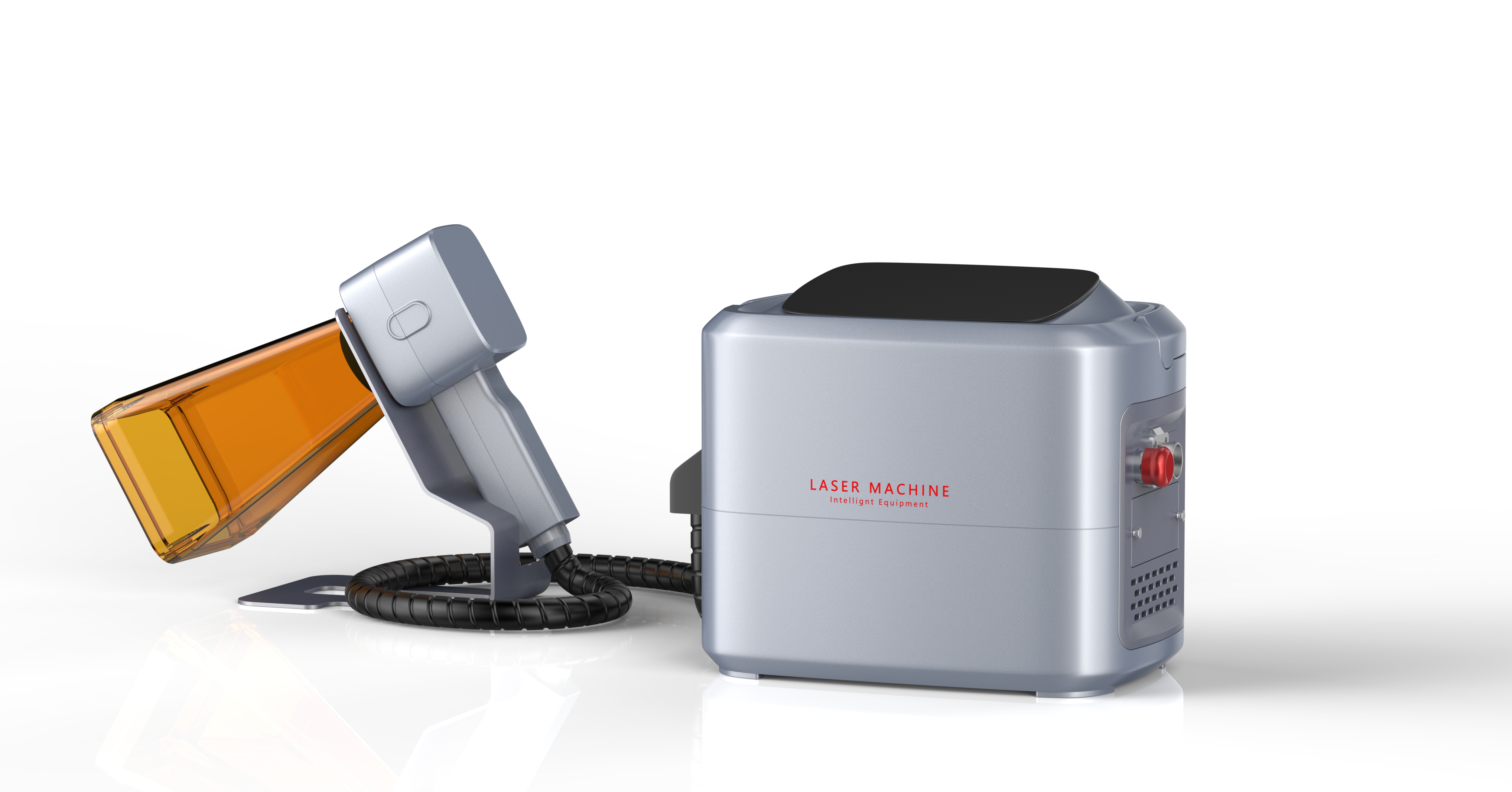
Maximizing laser micromachining equipment performance requires skilled operators and maintenance technicians who understand system capabilities and optimization principles. Comprehensive training programs for laser micromachining equipment accelerate competency development and reduce the learning curve during installation and startup phases. Leading manufacturers offer onsite training, certification programs, online resources, and continuing education that build organizational expertise over time. Investment in workforce development through structured laser micromachining equipment training programs ensures sustainable productivity gains and positions your organization for long-term manufacturing excellence.
Industry Applications and Market Segments
Precision Medical Device Manufacturing
The medical device industry relies extensively on laser micromachining equipment for manufacturing surgical instruments, implants, catheters, and diagnostic components requiring exceptional precision and clean edges. Laser micromachining equipment delivers the dimensional accuracy and surface finish quality demanded by complex geometries and biocompatible material requirements. Sterile processing environments and regulatory compliance frameworks drive demand for laser micromachining equipment that minimizes material handling, reduces contamination risk, and generates complete process documentation for traceability.
Aerospace and Defense Applications
Aerospace manufacturing depends on laser micromachining equipment for drilling cooling holes in turbine blades, cutting complex composites, and processing specialized alloys that resist conventional machining. Mission-critical applications demand laser micromachining equipment with exceptional reliability, reproducibility, and precision that ensure performance specifications and structural integrity. Manufacturers in this sector prioritize laser micromachining equipment suppliers with proven expertise, quality certifications, and long-term reliability records.
Electronics and Semiconductor Processing
Electronics manufacturing utilizes laser micromachining equipment for circuit board drilling, fine feature patterning, and precision cutting of semiconductor wafers and advanced substrates. High-speed laser micromachining equipment enables manufacturing of densely packed circuit patterns and ultra-fine geometries required by modern computing and communication devices. Continuous technology advancement in this sector drives demand for laser micromachining equipment manufacturers committed to innovation and next-generation capability development.
FAQ
What distinguishes top laser micromachining equipment manufacturers from competitors?
Leading laser micromachining equipment manufacturers combine advanced technology platforms, comprehensive applications expertise, proven reliability, strong customer support infrastructure, and continuous innovation commitments. They invest significantly in research and development, maintain global service networks, provide extensive training programs, and deliver consistent quality across all laser micromachining equipment systems. These manufacturers understand diverse industry requirements and provide solutions tailored to specific production challenges rather than one-size-fits-all approaches.
How should organizations evaluate total cost of ownership for laser micromachining equipment?
Total cost of ownership analysis for laser micromachining equipment must extend beyond equipment purchase price to include training, spare parts, maintenance, support services, consumables, facility modifications, and expected equipment lifespan. Calculate cost per processed part or unit time across the complete system lifecycle. Request transparent pricing from laser micromachining equipment manufacturers for all consumables, spare parts, and support services. Compare maintenance requirements, reliability metrics, and upgrade pathways that influence long-term equipment value and operational sustainability.
What implementation timeline should organizations expect when deploying laser micromachining equipment?
Laser micromachining equipment implementation typically spans three to six months from order placement through full production deployment, depending on system complexity, facility modifications, and training requirements. Initial phases include site preparation, equipment delivery, installation, and system calibration. Subsequent phases involve operator training, process development, trial production runs, and quality validation. Leading laser micromachining equipment manufacturers provide detailed project timelines, laser micromachining equipment milestones, and dedicated project management support to ensure smooth implementation and rapid production readiness.