 EN
EN
 AR
AR
 FR
FR
 DE
DE
 JA
JA
 KO
KO
 RU
RU
 ES
ES


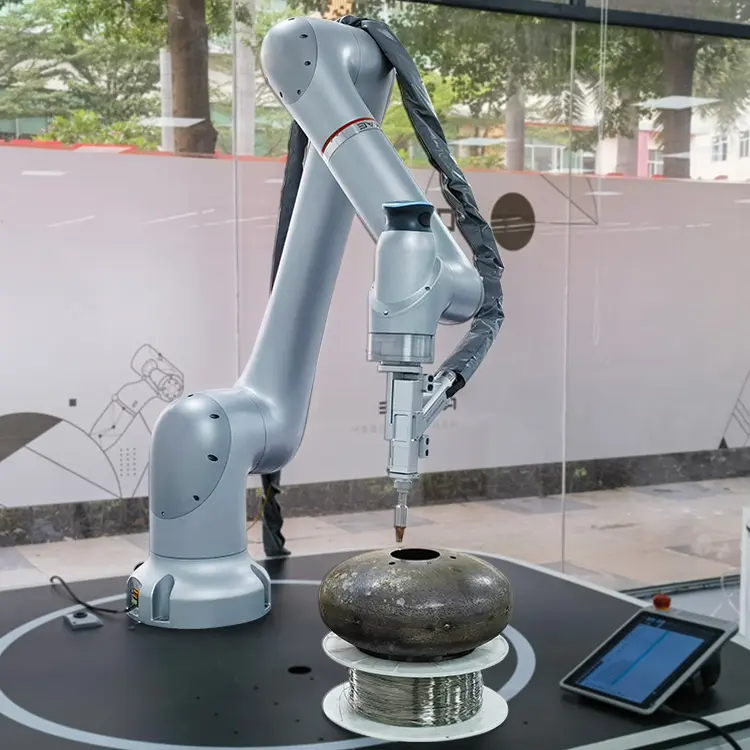
A laser welding robot represents one of the most significant technological advances in modern manufacturing and fabrication processes. These sophisticated systems combine precision laser technology with robotic automation to deliver consistent, high-quality welds at speeds and accuracies that manual welding cannot match. Understanding how a laser welding robot operates is essential for manufacturers seeking to improve production efficiency, reduce defects, and maintain competitive advantage in increasingly demanding industrial markets.
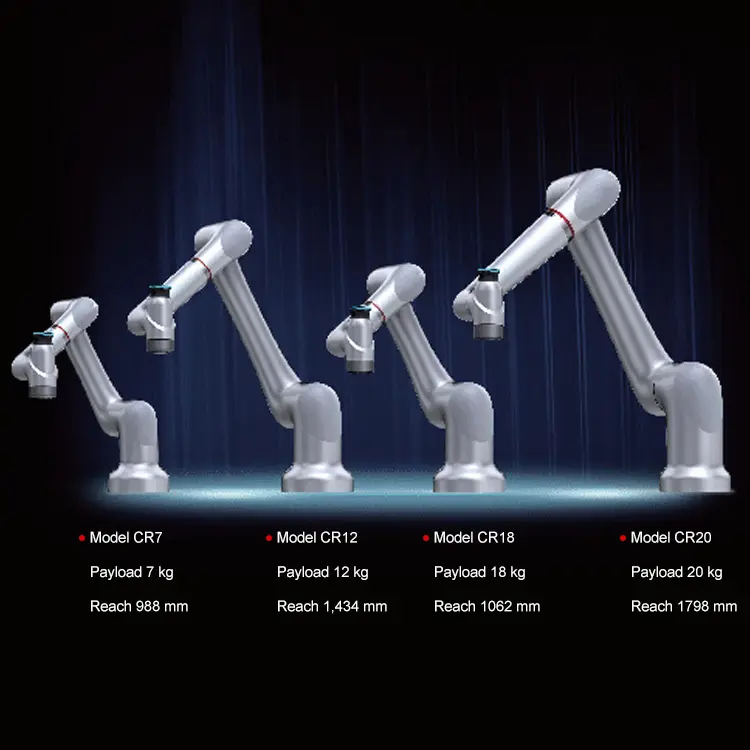
The fundamental advantage of a laser welding robot lies in its ability to execute precise, repeatable welds with minimal human intervention. Unlike traditional arc welding methods, laser welding robot systems use focused laser beams to melt and join metal materials with exceptional accuracy. This technology has revolutionized industries ranging from automotive and aerospace to medical device manufacturing and electronics, where precision and consistency are non-negotiable requirements for product quality and safety.
Core Components of Laser Welding Robot Systems
Laser Source and Beam Delivery
The laser welding robot system begins with a high-powered laser source, typically a fiber laser, solid-state laser, or CO2 laser depending on application requirements. The laser source generates coherent light that travels through optical fiber cables or beam delivery arms to the welding head mounted on the robotic arm. The laser welding robot must maintain precise beam alignment throughout the welding process to ensure consistent penetration and weld quality. Advanced laser welding robot designs incorporate beam focusing optics that concentrate the laser energy into a small spot, creating intense heat that melts the base metals and any filler material instantly.
Robotic Arm and Motion Control
The robotic component of a laser welding robot provides multi-axis motion control that positions the welding head with micrometer-level precision. Most laser welding robot systems feature six or more axes of motion, allowing the robotic arm to approach weld joints from optimal angles and maintain precise standoff distances throughout the process. The laser welding robot's motion control system uses advanced sensors and feedback mechanisms to track the weld joint, adjust positioning in real-time, and compensate for variations in component geometry. This precision enables a laser welding robot to execute complex welding patterns that would be extremely difficult or impossible to achieve manually.
How Laser Welding Robot Technology Operates
The Welding Process Mechanics
When a laser welding robot begins welding, the focused laser beam strikes the joint surface and rapidly heats the base metals to their melting point. The laser welding robot's energy delivery creates a molten pool that fuses the base materials together without requiring additional filler metal in many applications. The laser welding robot maintains precise control over beam power, pulse duration, and travel speed to achieve optimal weld penetration and minimal heat-affected zone. As the laser welding robot moves along the joint path, the molten metal cools and solidifies behind the beam, forming a strong metallurgical bond. The speed and precision of a laser welding robot's process significantly reduce thermal distortion compared to traditional welding methods, which is particularly valuable when working with thin materials or heat-sensitive components.
Integration with Manufacturing Systems
Modern laser welding robot installations integrate seamlessly with factory automation systems through advanced vision and sensor technology. The laser welding robot uses cameras and laser triangulation sensors to locate components precisely, detect joint positions, and verify weld placement before beginning the welding sequence. A laser welding robot system can adapt its welding parameters in real-time based on sensory feedback, allowing it to handle minor variations in part positioning or material properties. This adaptive capability makes a laser welding robot far more flexible than older fixed-sequence automation systems, enabling manufacturers to handle product variations without extensive reprogramming or tooling changes.
Industrial Applications and Performance Benefits
Automotive and Aerospace Manufacturing
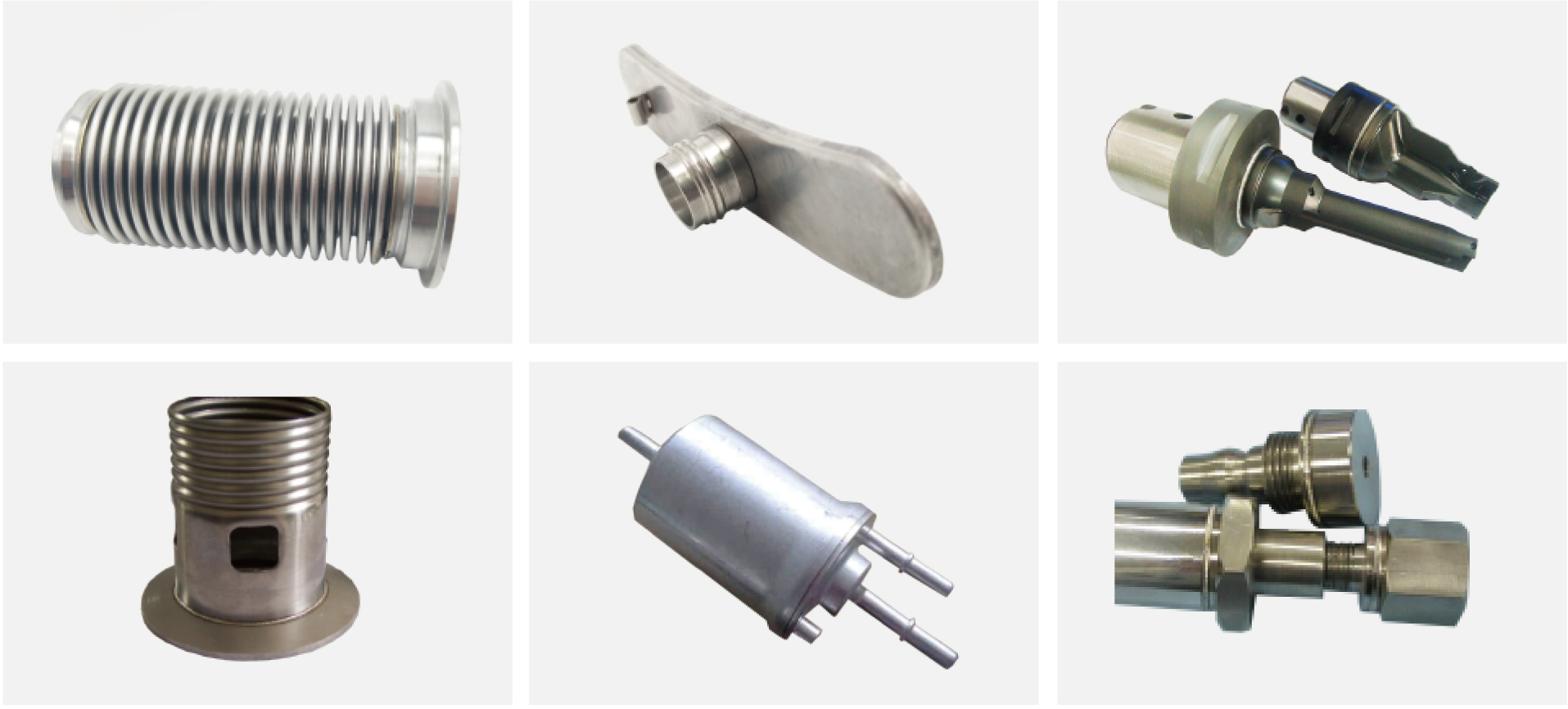
The automotive industry has embraced laser welding robot technology for joining battery enclosures, fuel system components, and structural assemblies where weld quality directly impacts vehicle safety and performance. A laser welding robot delivers the repeatability and precision required for high-volume production while maintaining the tight dimensional tolerances that automotive specifications demand. In aerospace applications, a laser welding robot excels at joining titanium alloys, aluminum composites, and specialized materials that are difficult to weld using conventional methods. The laser welding robot's ability to produce consistent, defect-free welds reduces inspection requirements, rework, and scrap rates, directly improving production profitability.
Quality Assurance and Cost Effectiveness
A laser welding robot produces welds with superior surface finish and minimal spatter compared to arc welding alternatives, reducing or eliminating secondary finishing operations. The laser welding robot's consistent heat input means reduced warping and distortion in completed assemblies, which is essential for maintaining dimensional accuracy in precision-engineered products. Because a laser welding robot operates with such high precision, manufacturers can optimize joint design and material thickness, potentially reducing overall component weight and material costs. The initial investment in a laser welding robot system is offset by improvements in throughput, reduced defect rates, improved product quality, and lower labor costs over the system's operational lifetime.
FAQ
What types of materials can a laser welding robot join?
A laser welding robot can weld most metallic materials including aluminum, steel, stainless steel, titanium, and various alloys. The specific laser wavelength and power settings required depend on the material's reflectivity and thermal properties. A laser welding robot excels particularly with materials that are difficult to weld using conventional methods, such as dissimilar metal combinations where thermal mismatch would cause excessive distortion with traditional arc welding. Some materials like copper and its alloys require specialized laser systems, but modern laser welding robot technology continues to expand the range of weldable materials and thicknesses.
How does a laser welding robot differ from traditional robotic welding?
Traditional robotic welding systems typically use arc welding processes that require filler wire and produce larger heat-affected zones. A laser welding robot offers superior precision, faster welding speeds, and minimal thermal distortion because the laser energy is concentrated in a tiny spot. A laser welding robot eliminates spatter and fumes associated with arc processes, creating safer working environments and reducing post-weld cleaning requirements. The laser welding robot's non-contact process means no tool wear from electrode consumption, reducing maintenance needs and operational costs compared to arc welding automation.
What is the typical ROI timeline for implementing a laser welding robot system?
ROI timelines for a laser welding robot system typically range from two to five years depending on production volume, labor cost structures, and the complexity of welding operations being automated. High-volume production environments see faster payback because a laser welding robot spreads capital investment across more units. A laser welding robot's improved quality and reduced scrap contribute significantly to financial justification beyond direct labor savings. Manufacturers should evaluate total cost of ownership including maintenance, programming, operator training, and facility modifications when assessing the financial impact of implementing a laser welding robot system.