 EN
EN
 AR
AR
 FR
FR
 DE
DE
 JA
JA
 KO
KO
 RU
RU
 ES
ES


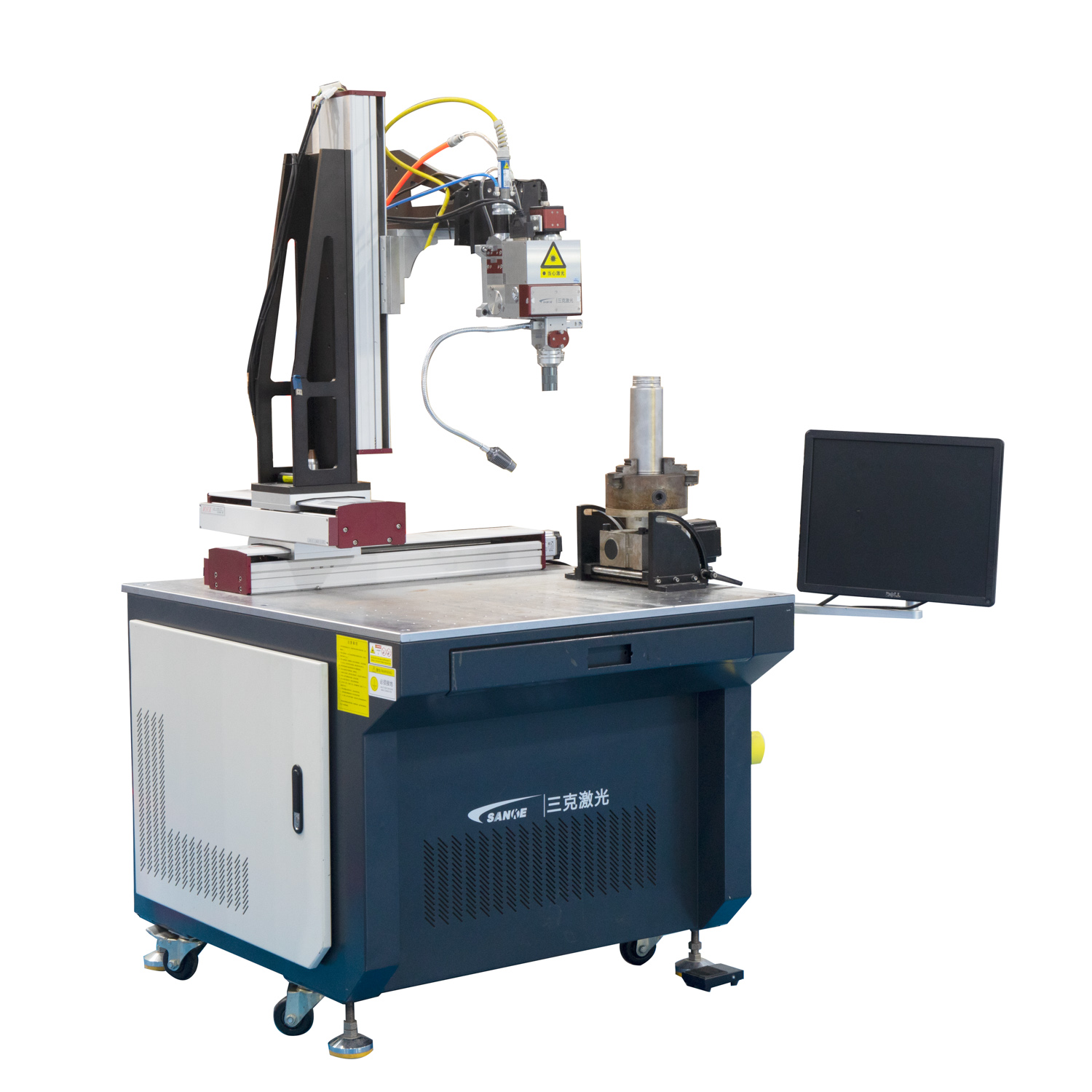
Understanding the financial impact of adopting a laser welding robot has become critical for manufacturing operations seeking competitive advantage. The decision to invest in a laser welding robot involves complex cost considerations, long-term value projections, and operational efficiency gains that directly affect profitability. Modern laser welding robot systems have evolved significantly, offering improved precision, reduced material waste, and faster production cycles compared to traditional welding methods. This comprehensive cost analysis examines the true financial picture behind implementing a laser welding robot in contemporary manufacturing environments.
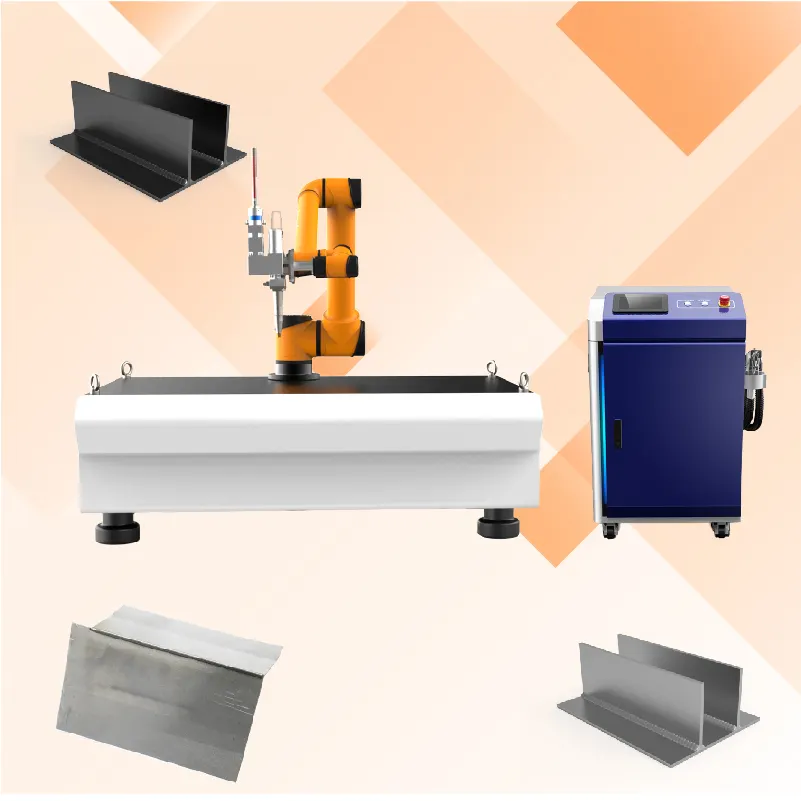
A laser welding robot represents a substantial capital investment, but the return on investment timeline and operational benefits often justify the expenditure within two to four years. The actual cost of a laser welding robot depends on system capacity, integration requirements, automation features, and your specific production environment. Calculating ROI for a laser welding robot requires examining both direct acquisition costs and indirect benefits including labor reduction, quality improvements, and throughput gains.
Understanding Laser Welding Robot Pricing Structure
Capital Investment Components
The laser welding robot pricing typically includes the robotic arm assembly, laser source unit, welding optics, motion control software, and integration services. Entry-level laser welding robot systems start around fifty to one hundred twenty thousand dollars, while advanced multi-axis laser welding robot platforms can exceed five hundred thousand dollars depending on specifications. The laser welding robot cost breakdown generally allocates thirty to forty percent toward the laser source, twenty to thirty percent for the robotic arm and positioning system, fifteen to twenty percent for welding heads and optical components, and the remainder for software, controls, and integration labor.
Installation and Setup Expenses
Beyond the base laser welding robot purchase price, installation costs include facility preparation, electrical infrastructure upgrades, cooling system integration, and safety enclosure construction. Most manufacturers underestimate the total laser welding robot cost by failing to account for integration expenses, which typically add fifteen to thirty percent above equipment pricing. Staff training on laser welding robot operation and maintenance requires both initial setup time and ongoing technical support subscriptions, typically ranging from five to fifteen thousand dollars annually.
Calculating True Return on Investment for Laser Welding Robot Systems
Labor Cost Reduction Analysis
The most immediate laser welding robot ROI benefit emerges from labor reduction. A laser welding robot operates continuously across multiple shifts without fatigue, replacement, or benefits costs, effectively replacing two to three full-time welding operators. In regions with average welding labor costs of fifty to seventy dollars per hour, a laser welding robot cost recovery accelerates significantly. Annual labor savings from a single laser welding robot typically range from one hundred twenty to two hundred thousand dollars, creating substantial financial leverage against the initial equipment investment.
Quality and Waste Reduction Benefits
A laser welding robot delivers consistent bead quality and weld penetration that manual welding cannot match, reducing defect rates by sixty to eighty percent. This quality improvement directly impacts the laser welding robot ROI calculation through reduced rework costs, fewer customer returns, and lower warranty expenses. Material waste reduction from improved precision means a laser welding robot's efficient material utilization recovers five to fifteen percent of raw material costs annually. The combination of quality improvements and waste reduction often accounts for twenty to thirty percent of the total laser welding robot ROI value over a five-year period.
Production Efficiency and Throughput Impact
Speed and Cycle Time Advantages
A laser welding robot completes welds thirty to fifty percent faster than skilled manual welders, compressing production cycles and increasing output per facility. This speed advantage translates to higher revenue from existing floor space without expansion costs, making the laser welding robot cost per unit produced significantly lower than traditional methods. For manufacturers processing high-volume orders, the laser welding robot throughput advantage often enables earlier order completion and improved customer satisfaction scores that generate repeat business.
Scalability and Production Flexibility
A laser welding robot system adapts to multiple product designs through software reprogramming without physical reconfiguration, enabling rapid production switches and shorter changeover times. This flexibility advantage distinguishes laser welding robot investments in industries serving diverse customer specifications. The ability to reprogram a laser welding robot for new designs in hours rather than days means manufacturing operations can respond faster to market demands and custom orders, creating competitive advantages beyond simple cost reduction.
Total Cost of Ownership Framework
Maintenance and Operating Expenses
Annual maintenance for a laser welding robot typically costs three to seven percent of the original equipment investment, significantly lower than cumulative labor expenses over equivalent production periods. Laser tube replacement, optical component cleaning, and robotic joint servicing represent predictable, budgetable expenses that support continuous operation reliability. A well-maintained laser welding robot achieves operational availability exceeding ninety-five percent, minimizing unplanned downtime and maintaining consistent production schedules that justify the laser welding robot cost investment.
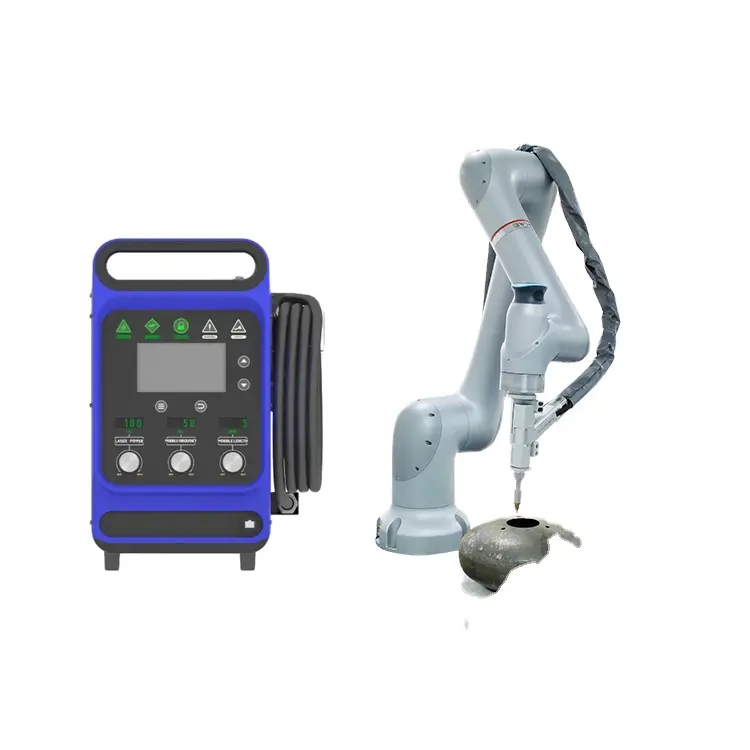
Energy and Consumables Evaluation
Operating a laser welding robot consumes three to six kilowatts during active welding cycles, with cooling system operation adding supplementary energy demand. Monthly energy costs for continuous laser welding robot operation typically range from five hundred to fifteen hundred dollars depending on local electricity rates and production volume. Welding gas consumption and laser optics maintenance represent additional consumable costs, but these expenses remain substantially lower than equivalent labor costs for manual welding operations.
Practical ROI Calculator Methodology
Establishing Your Baseline Metrics
Begin your laser welding robot ROI analysis by documenting current production costs, including direct labor, material waste, quality issues, and facility overhead allocated to welding operations. Calculate your average welding cost per part and multiply by annual production volume to establish a baseline expense. Your laser welding robot payback period equals total investment cost divided by annual savings from labor, materials, and quality improvements minus annual operating costs of the laser welding robot system.
Scenario-Based Projection Framework
Conservative laser welding robot ROI calculations typically show complete cost recovery within three to four years for operations with significant production volume. Optimistic projections, incorporating quality improvements and production acceleration, demonstrate payback within eighteen to twenty-four months in high-volume applications. Most manufacturers experience positive laser welding robot ROI within the first two to three years, with continuing financial benefits extending across ten to fifteen years of equipment life.
FAQ
What is the average laser welding robot cost in 2025?
Current market pricing for a laser welding robot ranges from approximately eighty thousand dollars for compact entry-level systems to four hundred fifty thousand dollars for advanced multi-axis platforms with integrated material handling. Most production-oriented laser welding robot installations fall in the one hundred fifty to three hundred thousand dollar range, including basic integration and initial staff training. Final laser welding robot cost depends heavily on your specific welding requirements, production volume, integration complexity, and desired automation features.
How quickly does a laser welding robot pay for itself?
A laser welding robot typically achieves full cost recovery through labor and efficiency savings within two to three years for medium to high-volume production environments. Low-volume specialized manufacturing may experience four to five year payback periods, while high-volume continuous operations often recover laser welding robot investment within twelve to eighteen months. The precise payback timeline depends on your current labor costs, production volume, quality issues, and material waste rates that the laser welding robot addresses.
Does laser welding robot ROI justify the initial investment for small manufacturers?
Small manufacturers benefit from laser welding robot ROI when annual welding labor costs exceed fifty thousand dollars and production consistency requirements justify the quality improvements. For operations with fewer than ten welding employees, a laser welding robot cost may exceed achievable savings, but shared-capacity models or contract manufacturing partnerships can improve ROI viability. Entry-level laser welding robot systems with simplified integration now enable smaller manufacturers to access automation benefits previously available only to large-scale producers, making the investment increasingly accessible across diverse operation sizes.