 EN
EN
 AR
AR
 FR
FR
 DE
DE
 JA
JA
 KO
KO
 RU
RU
 ES
ES


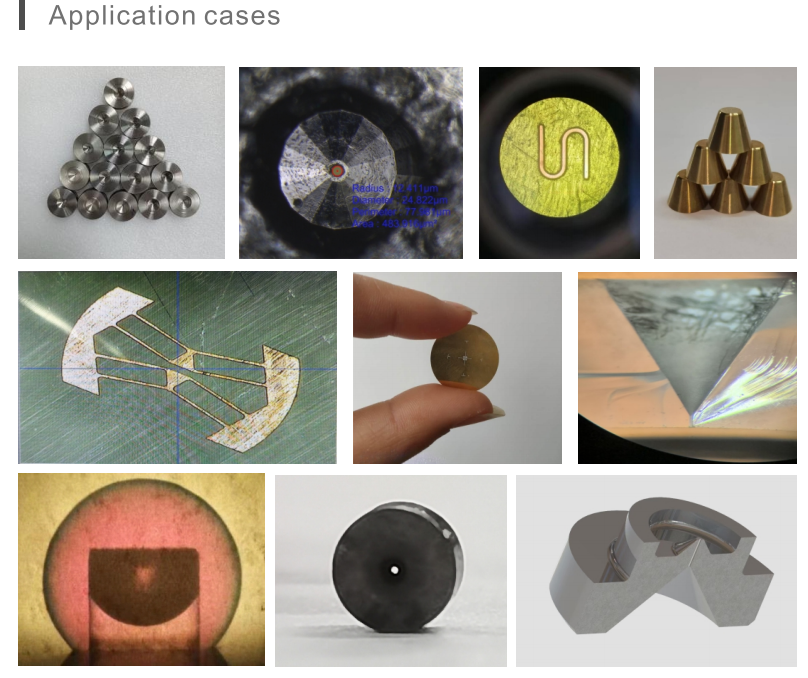
Die drilling stands as a critical manufacturing process that demands precision, expertise, and careful technique execution. Whether you work in aerospace, automotive, medical device manufacturing, or general industrial production, understanding modern die drilling approaches directly impacts your production quality, costs, and equipment lifespan. This comprehensive 2025 guide explores the essential techniques, best practices, and strategic considerations that manufacturing professionals need to master die drilling operations successfully.
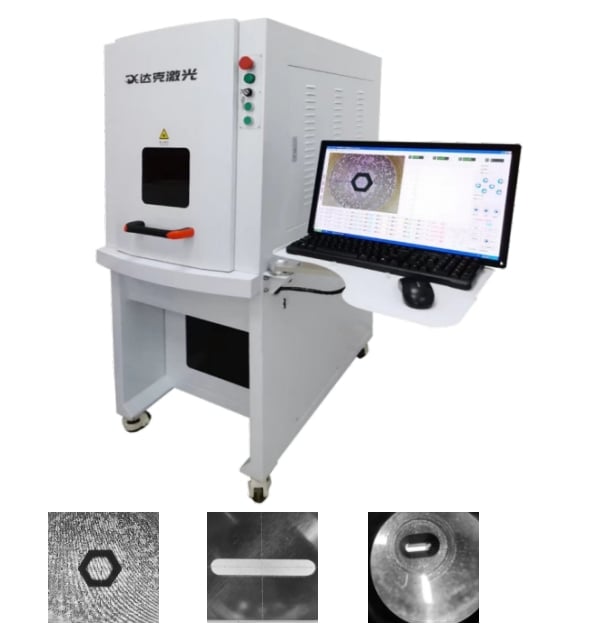
Die drilling involves creating precise holes through or into dies used in stamping, forming, and molding operations. The process requires balancing speed, accuracy, and tool longevity while managing material-specific challenges. Modern die drilling combines traditional mechanical approaches with advanced technology solutions, allowing manufacturers to achieve tighter tolerances and faster cycle times than ever before.
Understanding Die Drilling Fundamentals
Core Die Drilling Principles
Die drilling differs from conventional drilling because dies often feature hardened steel, complex geometries, and demanding tolerance requirements. The fundamental challenge in die drilling lies in managing heat generation, tool deflection, and surface finish quality simultaneously. Successful die drilling operations start with understanding your specific die material composition, hardness rating, and hole placement criticality. Each die drilling application presents unique constraints that determine which technique combination will deliver optimal results.
Material Considerations in Die Drilling
The die material directly influences your die drilling strategy selection. Tool steel dies require different approaches than aluminum or copper-based dies. Die drilling in hardened steel demands slower spindle speeds, premium cutting fluids, and frequent tool monitoring to prevent breakage. Conversely, die drilling through softer materials allows faster feeds and speeds but introduces different surface finish challenges. Understanding your die's specific material properties enables you to optimize die drilling parameters for maximum efficiency and tool life.
Essential Die Drilling Techniques
Precision Positioning and Setup
Accurate die drilling begins with precise workholding and positioning. Die drilling operations require dies to be secured firmly in machining centers or specialized drilling fixtures to prevent vibration and runout. Modern die drilling setups utilize digital measuring systems and laser-guided positioning to ensure holes land exactly where designed. Proper setup reduces die drilling errors that become expensive when discovered during die commissioning or production tryout phases.
Tool Selection and Geometry
Selecting the right cutting tool makes or breaks your die drilling success. Solid carbide drills dominate modern die drilling applications because they withstand high temperatures and maintain sharp edges longer than high-speed steel tools. Gun-drilled holes represent an advanced die drilling technique where long, slender drills create deep holes with minimal deflection. For die drilling applications involving interrupted cuts or unusual angles, specialized tool coatings like TiN, TiAlN, or AlCrN extend tool life dramatically compared to uncoated die drilling tools.
Cutting Fluid Strategy
Cutting fluid selection proves critical in die drilling because it removes heat, improves chip evacuation, and extends tool life. Die drilling with synthetic or semi-synthetic fluids typically outperforms mineral oil-based options when drilling hardened dies. The die drilling fluid must reach the cutting zone effectively, meaning proper through-spindle coolant systems or flood cooling setups enhance die drilling results. Many manufacturers discover that upgrading their die drilling coolant delivery system yields better results than changing tools or speeds alone.
Advanced Die Drilling Optimization
Speed and Feed Rate Optimization
Die drilling performance depends heavily on selecting appropriate spindle speeds and feed rates for your specific material and tool combination. General die drilling guidelines suggest starting conservative with hardened steel—typically 500 to 1000 RPM—then monitoring results before increasing speeds. Feed rates during die drilling should produce continuous chips rather than powder-like debris; this indicator tells you the die drilling parameters are generating proper cutting action. Manufacturers using real-time die drilling monitoring systems can adjust speeds automatically, maintaining optimal die drilling conditions throughout hole completion.
Temperature Management
Excessive heat during die drilling causes tool breakage, dimensional inaccuracy, and premature tool wear. Controlling die drilling temperature requires coordinating multiple factors: cutting fluid flow rate, spindle speed, feed rate, and tool geometry work together. When die drilling hardened dies, many shops observe that reducing spindle speed by 20 percent while slightly increasing feed rate actually improves die drilling results by generating better chip formation and reducing heat concentration. Thermal imaging during die drilling trials reveals whether your current setup generates excessive heat that requires adjustment.
Hole Accuracy and Surface Finish
Die drilling hole accuracy depends on tool deflection, spindle runout, and fixture rigidity—controllable factors that directly impact your final die drilling results. Surface finish quality from die drilling influences subsequent operations like tapping, threading, or assembly fitting. Modern die drilling often involves finish passes at reduced feeds to improve surface quality without extending cycle time excessively. When die drilling intersecting holes or complex patterns, sequential hole strategies prevent die drilling errors where earlier holes create stress relief that shifts subsequent hole positions.
Die Drilling Best Practices for 2025
Quality Control During Die Drilling
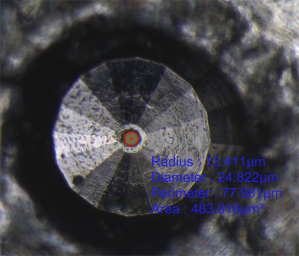
Regular inspection during die drilling prevents costly scrap and rework. Measuring first holes and every fifth hole during long die drilling runs catches tool wear trends before parts go out of tolerance. Modern die drilling setups integrate automated in-process measurement that pauses die drilling operations when dimensional drift appears, allowing tool replacement or parameter adjustment before damage occurs. This proactive die drilling quality approach costs less than discovering problems after dies ship to production.
Tool Management and Maintenance
Systematic tool management extends die drilling tool life and reduces per-hole costs. Establishing die drilling tool life limits based on actual observation rather than manufacturer recommendations ensures consistent hole quality. Rotating between multiple drill sets during production runs allows proper die drilling tool cooling, extending overall tool life. Cleaning die drilling tools regularly and storing them properly prevents chipping damage that reduces future die drilling effectiveness.
Process Documentation and Repeatability
Documenting successful die drilling parameters creates institutional knowledge that improves future jobs. Recording spindle speed, feed rate, cutting fluid type and flow rate, tool information, and results from each die drilling project builds a database for similar future work. When die drilling similar materials or hole sizes appears on upcoming schedules, your documented die drilling parameters provide an excellent starting point, reducing setup time and early trial-and-error phases.
FAQ
What cutting fluid works best for die drilling hardened steel?
Synthetic or semi-synthetic coolants specifically formulated for ferrous metal die drilling typically deliver superior results compared to mineral-based options. These die drilling coolants maintain better lubricity at the elevated temperatures generated during die drilling operations, provide improved chip evacuation, and often extend die drilling tool life by 30 to 50 percent. Consulting with your coolant supplier about die drilling applications ensures you select a product optimized for your specific die material and tool type.
How do you prevent die drilling tool breakage?
Die drilling tool breakage typically results from excessive spindle runout, inadequate workholding during die drilling, or too-aggressive feed rates combined with inappropriate speeds. Ensuring your die drilling spindle runout stays below 0.005 inches, securing dies firmly without distortion, and using quality solid carbide die drilling tools reduces breakage dramatically. Additionally, incorporating through-spindle coolant systems during die drilling keeps tools cooler and stronger, making breakage less likely even when challenging materials are involved.
Can die drilling be used for non-round holes?
While traditional rotary die drilling creates round holes, specialized techniques enable non-round hole creation in dies. Laser-assisted die drilling, EDM (electrical discharge machining), and multi-axis machining with non-traditional cutting tools can produce square, rectangular, or complex-shaped holes. For simple non-round holes, many manufacturers use die drilling to create pilot holes, then finish shapes using specialized cutting tools or grinding processes. The choice depends on your specific geometry, required tolerance, and production volume considerations.