 EN
EN
 AR
AR
 FR
FR
 DE
DE
 JA
JA
 KO
KO
 RU
RU
 ES
ES


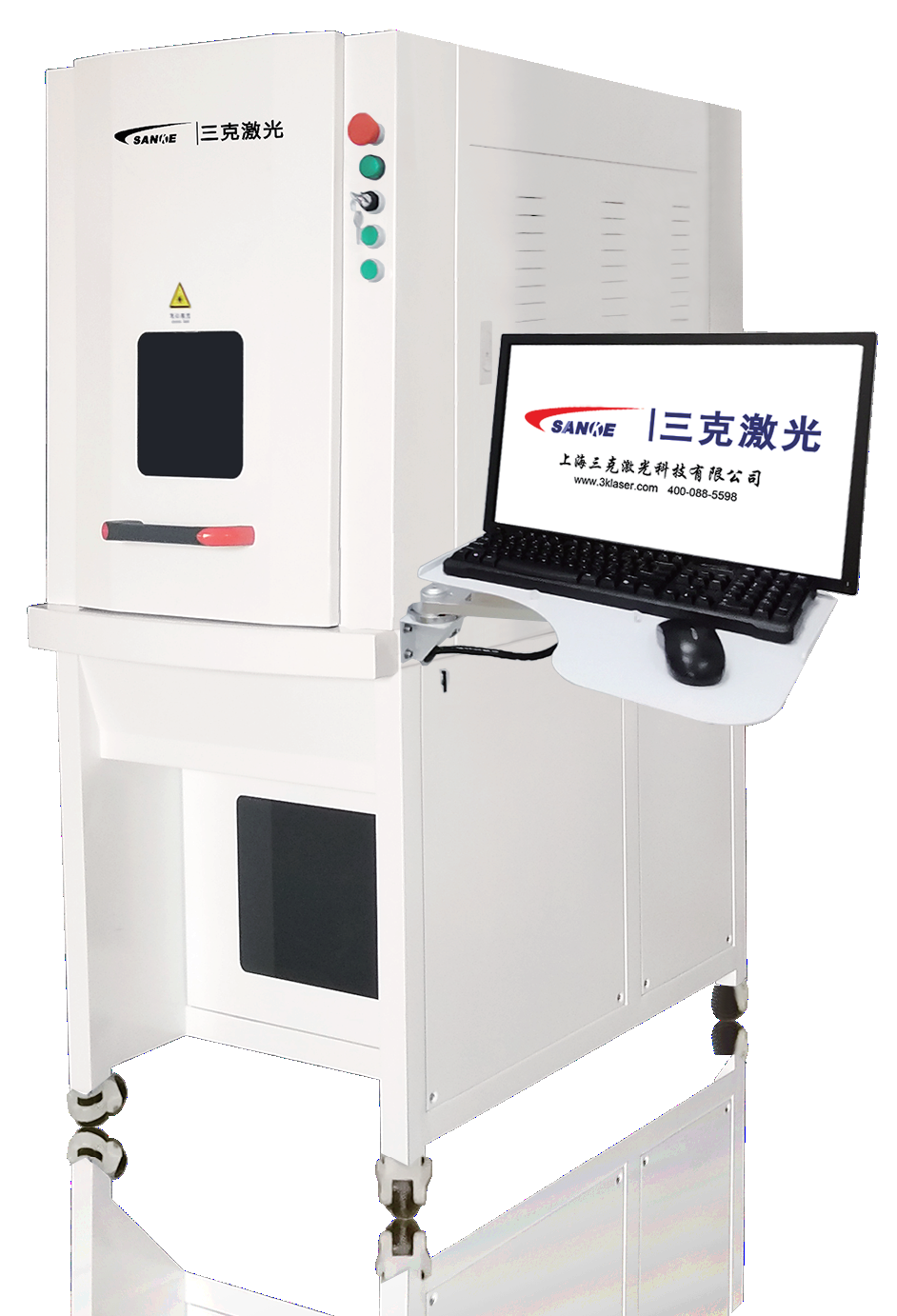
Die drilling represents a critical manufacturing process that demands specialized equipment and expert technique to achieve the precision required in modern industrial applications. Whether you work in automotive, aerospace, medical device manufacturing, or tooling industries, understanding die drilling fundamentals and selecting appropriate die drilling tools directly impacts production quality, cycle time, and cost efficiency. Die drilling combines mechanical force, rotational speed, and carefully engineered tooling to create precise holes in die materials, metal components, and complex geometries where conventional drilling falls short.
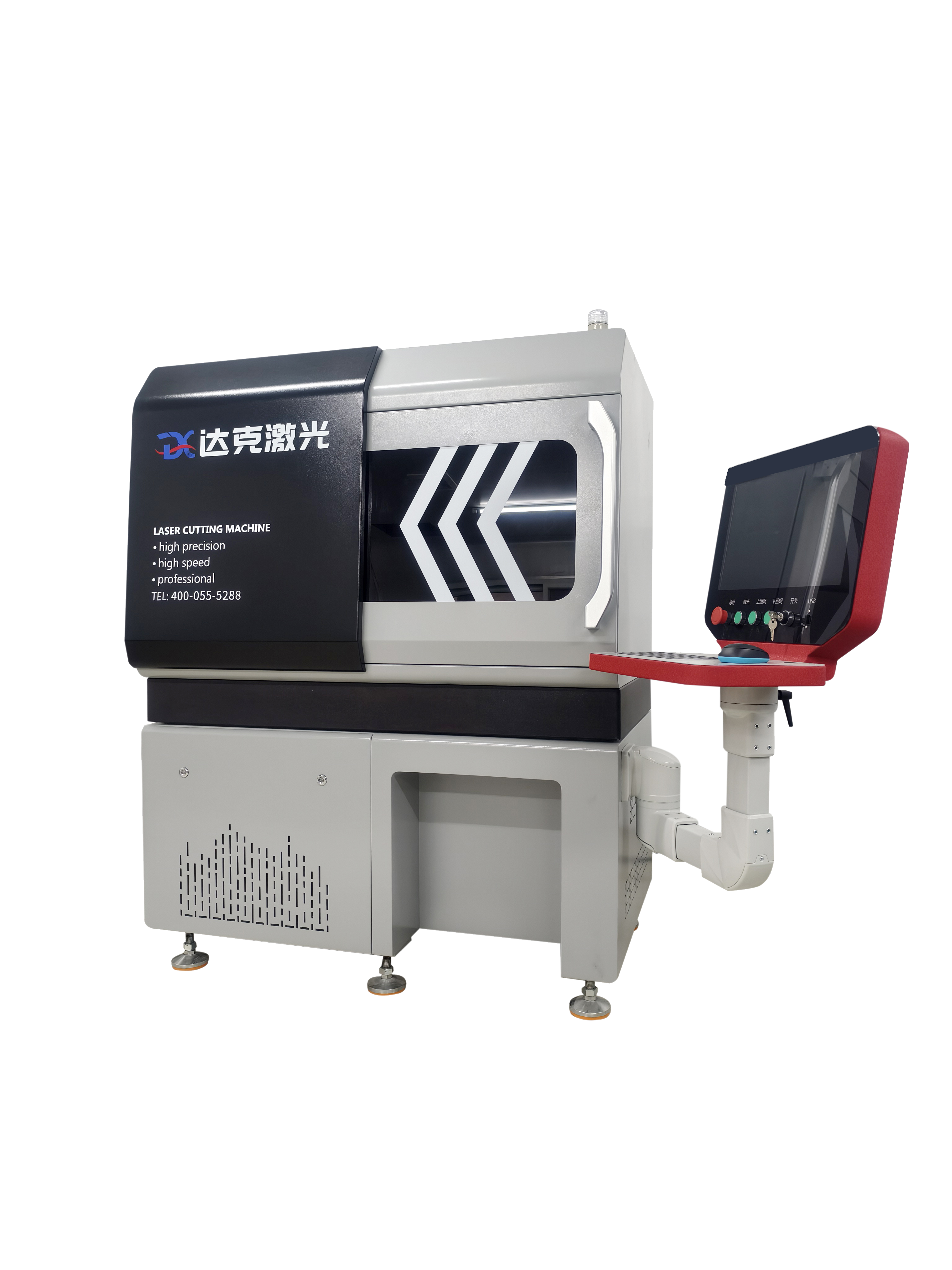
Success with die drilling depends not only on machine capability but also on tool selection, material preparation, coolant strategy, and operator knowledge. Die drilling applications range from creating small-diameter cooling holes in turbine components to drilling precise registration holes in plastic injection molds, stamping dies, and complex metal assemblies. The precision, repeatability, and surface finish achievable through die drilling make it indispensable for industries where tolerance control directly affects product performance and customer satisfaction.
Core Equipment Types for Die Drilling
CNC Precision Drilling Machines
Computer-controlled drilling machines form the backbone of modern die drilling operations. These machines combine spindle speeds ranging from 3,000 to 25,000 RPM with programmable positioning accuracy measured in microns, enabling consistent hole placement across complex die surfaces. Die drilling on CNC platforms eliminates manual positioning variables and allows operators to drill multiple holes in predetermined sequences, maintaining geometric relationships critical to die function and component assembly. Advanced CNC systems include automated tool changers, real-time coolant delivery systems, and integrated measurement capabilities that verify hole depth and diameter during production.
Modern CNC die drilling machines feature taper spindles (typically ISO30 or larger), rigid tool holding systems, and reinforced cast-iron beds designed to absorb vibration during die drilling operations. The machine's ability to maintain spindle runout below 0.005 inches directly correlates with hole accuracy and surface finish quality. CNC platforms also enable die drilling of angled holes, counterbores, and complex three-dimensional patterns that would be impossible to execute manually.
Specialized Die Drilling Head Systems
Dedicated die drilling heads represent engineered solutions for high-volume and specialized die drilling applications. Drilling heads mounted on transfer machines, multi-axis platforms, or custom fixtures handle die drilling in production environments where throughput and consistency outweigh flexibility requirements. Modular die drilling head designs allow customization of spindle orientation, tool geometry, and coolant delivery for specific die drilling tasks like cluster drilling, angled approaches, or deep-hole penetration.
These specialized die drilling systems incorporate precision gearboxes, servo-controlled feed mechanisms, and integrated coolant-through-spindle delivery to optimize die drilling performance on materials ranging from aluminum alloys to hardened tool steel. Modular construction of die drilling heads facilitates quick changeover when production shifts between different die drilling operations or component designs.
Tool Selection and Optimization for Die Drilling
Carbide and HSS Tool Materials
Carbide drill bits represent the preferred choice for most die drilling operations due to superior hardness, heat resistance, and longevity compared to high-speed steel alternatives. Die drilling carbide tools maintain cutting-edge sharpness through extended production runs, reducing tool change frequency and associated downtime. The material composition of die drilling carbide tools typically includes tungsten carbide particles in cobalt binder, engineered to withstand the mechanical stresses and thermal cycling inherent to die drilling processes.
High-speed steel die drilling tools offer cost advantages for lower-volume die drilling applications or when drilling softer materials like aluminum or copper alloys. HSS die drilling tools provide greater impact tolerance during die drilling startup and prove more forgiving when die drilling interrupted cuts or dealing with material inconsistencies. The choice between carbide and HSS for die drilling depends on die drilling volume, material type, spindle speed capability, and overall cost-per-hole economics.
Geometric Optimization and Coatings
Die drilling tool geometry directly influences performance, with point angle, flute configuration, and relief angles customized for specific die drilling applications. Standard 118-degree point angles work well for general die drilling, while 135-degree geometries provide superior performance for die drilling in harder materials or when die drilling automated CNC production. Coolant delivery geometry in die drilling tools channels fluid precisely to the cutting edges, reducing friction and extending tool life during die drilling operations.
Advanced coatings applied to die drilling tools including titanium nitride (TiN), aluminum oxide (Al2O3), and multi-layer combinations significantly enhance die drilling performance. These coatings reduce adhesion between cutting material and workpiece during die drilling, lower friction at tool-material interfaces, and improve heat dissipation during die drilling cycles. Die drilling tools with advanced coatings demonstrate 50-300 percent longer tool life compared to uncoated alternatives, making them economical for high-volume die drilling applications.
Die Drilling Process Parameters and Best Practices
Spindle Speed and Feed Rate Optimization
Die drilling success depends critically on selecting appropriate spindle speeds and feed rates matched to material properties, tool geometry, and machine capability. For die drilling in steel alloys, spindle speeds typically range from 800 to 3,000 RPM, while aluminum alloys accommodate 2,000 to 8,000 RPM depending on hole diameter and depth. Feed rates during die drilling vary inversely with spindle speed and material hardness, with precision die drilling requiring precise feed control to prevent deflection, chatter, or premature tool failure.
Calculating die drilling feed rates involves material type, hole diameter, tool material, and desired surface finish. Die drilling in 0.100-inch diameter holes through hardened steel might employ 0.002-0.005 inches per revolution, while die drilling larger 0.25-inch holes in aluminum could tolerate 0.008-0.015 inches per revolution. Modern CNC systems enable die drilling with constant surface speed algorithms that automatically adjust spindle speed as drill diameter changes during die drilling operations.
Coolant Strategy and Heat Management
Effective coolant delivery represents one of the most critical factors determining die drilling tool life and hole quality. Through-spindle coolant systems deliver fluid directly to die drilling cutting edges, removing chips, reducing friction, and managing thermal expansion during die drilling operations. Die drilling without adequate coolant cooling results in rapid tool wear, potential tool breakage, dimensional growth due to thermal expansion, and compromised surface finish in die drilling holes.
Coolant selection for die drilling balances lubricity, cooling capacity, chip evacuation, and material compatibility. Die drilling operations on aluminum alloys benefit from high-lubricity coolants that reduce tool adhesion, while die drilling in steel often employs higher-water-content fluids optimized for cooling capacity. Proper coolant concentration, filtration, and management extend die drilling tool life by 30-50 percent and maintain consistent hole dimensions throughout production runs.
FAQ
What materials are most commonly subjected to die drilling?
Die drilling finds application across diverse materials including hardened tool steel in injection molds and stamping dies, aluminum alloys in aerospace components, stainless steel in medical devices, and brass or copper in electrical applications. Die drilling on hardened materials (60+ Rockwell hardness) requires carbide tools and aggressive coolant delivery, while die drilling in softer alloys accommodates higher speeds and feed rates. Material properties directly influence die drilling tool selection, spindle speed parameters, and coolant strategy.
How does die drilling maintain hole tolerance in precision manufacturing?
Die drilling achieves tight tolerance control through rigid machine platforms with minimal spindle runout, precise feed-rate control, and specialized tool geometry designed for dimensional accuracy. CNC programming ensures repeatable die drilling positioning and depth control across hundreds or thousands of holes, while automated tool measurement systems verify die drilling accuracy in real time. Coolant management and thermal stability prevent dimensional drift caused by tool expansion during extended die drilling production runs.
What factors determine die drilling tool life and replacement frequency?
Die drilling tool longevity depends on spindle speed, feed rate, coolant effectiveness, material hardness, hole depth, and tool material selection. Carbide die drilling tools typically outlast HSS alternatives by 5-10 times, particularly in high-volume applications where die drilling occurs continuously. Monitoring die drilling torque, spindle current, or hole surface finish provides early warning of tool wear, allowing proactive tool replacement before die drilling quality degradation or tool breakage occurs.