 EN
EN
 AR
AR
 FR
FR
 DE
DE
 JA
JA
 KO
KO
 RU
RU
 ES
ES


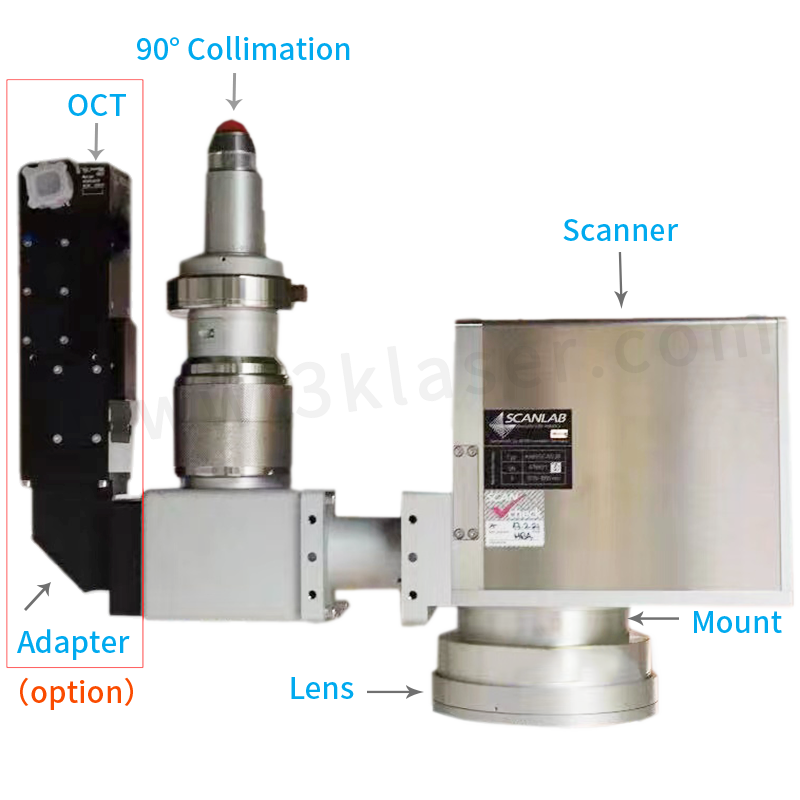
Understanding die drilling cost analysis is essential for manufacturers who need to balance production efficiency with financial constraints. Whether you operate a small fabrication shop or a large industrial facility, controlling drilling expenses directly impacts your bottom line and competitive positioning. Die drilling cost analysis involves examining labor costs, equipment maintenance, material waste, and production timeline variables that collectively determine your actual drilling expenses per unit.
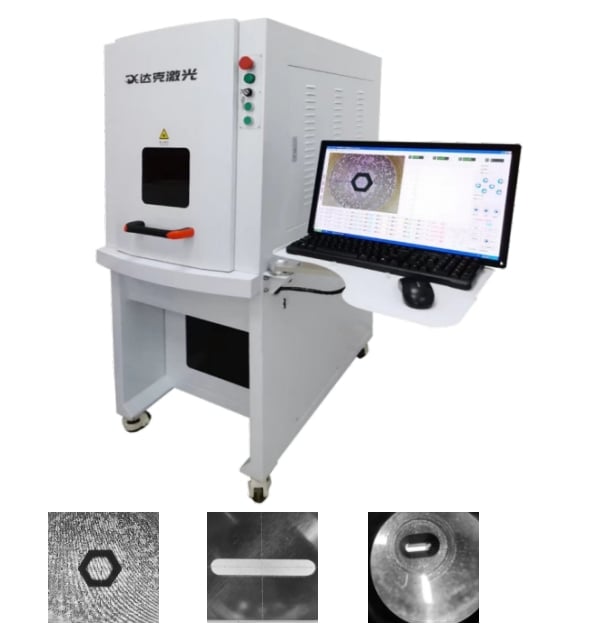
Conducting a thorough die drilling cost analysis requires examining multiple operational variables and understanding how different drilling methods, tool selections, and process parameters affect your total cost structure. By implementing structured cost analysis methodologies, manufacturers can identify hidden expenses, eliminate inefficiencies, and develop realistic budget projections that support long-term profitability and operational planning.
Key Cost Components in Die Drilling Operations
Equipment and Machinery Investment
Your initial equipment investment represents one of the largest cost factors in die drilling operations. When performing die drilling cost analysis, you must account for the purchase price, installation costs, and ongoing maintenance expenses associated with your drilling machines. Precision drilling equipment varies significantly in capability and expense, ranging from basic manual systems to advanced automated platforms equipped with multiple spindles and integrated cooling systems. The choice of drilling technology directly influences your hourly operating costs and production capacity, making equipment selection a critical element of comprehensive die drilling cost analysis.
Beyond the purchase price, your die drilling cost analysis should include depreciation schedules, equipment financing costs, and long-term replacement planning. High-precision drilling systems may require specialized maintenance, calibration services, and replacement components that add substantially to operating expenses. Understanding these secondary costs ensures your die drilling cost analysis captures the true total cost of ownership rather than relying on simplified purchase price assumptions.
Labor and Operator Expertise
Labor costs represent a significant portion of your die drilling cost analysis, particularly in operations requiring skilled technicians and continuous operator supervision. Highly trained drilling operators command higher wages but deliver better precision, faster throughput, and reduced material scrap rates, which ultimately improves your overall cost efficiency. When calculating die drilling cost analysis figures, distinguish between operator wages, setup time, and production monitoring costs, as these categories scale differently with production volume and drilling complexity.
Your die drilling cost analysis should also account for training and development investments needed to maintain operator competency and safe working practices. Ongoing technical training, safety certifications, and skill advancement programs represent ongoing labor costs that affect your total drilling expense structure.
Material Costs and Waste Management
Raw Material Consumption and Scrap Rates
Material expenses constitute a critical component of die drilling cost analysis, encompassing both the raw workpiece costs and the material lost during drilling operations. Die drilling generates significant scrap material through chips, shavings, and material removal processes, which means your actual material cost per finished component exceeds the raw material purchase price. An effective die drilling cost analysis identifies your specific scrap rates, monitors chip disposal costs, and calculates the true material consumption including waste factors specific to your drilling processes.
Different drilling methods produce varying scrap rates and material quality outcomes. Your die drilling cost analysis should compare traditional drilling against advanced techniques to determine which approach delivers optimal material efficiency for your specific applications. Precision drilling technology can significantly reduce material waste, which directly reduces the per-unit material cost component of your die drilling cost analysis.
Tooling and Cutting Tool Expenses
Cutting tools, drills, and specialized drilling instruments represent ongoing operational expenses that directly impact die drilling cost analysis calculations. Tool life varies based on material hardness, drilling speed parameters, coolant quality, and drilling technique, meaning your tool replacement frequency significantly influences total drilling costs. When conducting die drilling cost analysis, establish baseline tool life expectations for your specific materials and track actual performance to identify optimization opportunities.
Tool maintenance, resharpening, and replacement scheduling require careful attention within your die drilling cost analysis framework. Some drilling operations benefit from tool life extension through optimized cooling systems or speed adjustments, while others require complete tool replacement to maintain precision and efficiency. Your die drilling cost analysis must distinguish between preventive tool maintenance that extends useful life and emergency tool failures that disrupt production schedules and increase costs.
Production Efficiency and Process Optimization
Setup Time and Production Scheduling
Setup time directly impacts your die drilling cost analysis because nonproductive hours consume labor costs and delay revenue-generating production. Complex drilling patterns or multiple-step processes require extended setup periods that reduce effective production time and increase per-unit costs. Your die drilling cost analysis should quantify setup time by job type and identify opportunities to standardize setups, reduce tool changeovers, or implement quick-change systems that minimize nonproductive hours.
Batch size and production scheduling decisions significantly influence the cost efficiency captured in your die drilling cost analysis. Smaller batches require more frequent setups and increase setup cost allocation per unit, while larger production runs distribute setup costs across more components. Analyzing the relationship between batch size and total cost through detailed die drilling cost analysis helps optimize your production scheduling decisions.
Quality Control and Rework Expenses
Quality failures and rework requirements add substantial costs that must be included in your comprehensive die drilling cost analysis. Drilling defects, precision errors, or surface finish problems requiring remediation or scrapping increase your true production cost significantly. Your die drilling cost analysis should track rejection rates, analyze root causes of quality failures, and identify process improvements that reduce rework expenses and material loss.
Implementing statistical process control and real-time quality monitoring helps identify drilling issues early, reducing catastrophic failures and expensive rework. Your die drilling cost analysis benefits from tracking first-pass yield rates and distinguishing between preventable quality issues and inherent process limitations, enabling targeted improvement efforts that deliver measurable cost reductions.
FAQ
What are the primary cost drivers in die drilling cost analysis?
Equipment investment, labor costs, material expenses including scrap, tooling costs, setup time, and quality control represent the primary cost drivers in die drilling cost analysis. Each factor contributes differently depending on your production volume, drilling complexity, and material specifications. Effective die drilling cost analysis identifies which cost components dominate your specific operation and targets those areas for optimization and cost reduction.
How can I reduce costs identified in die drilling cost analysis?
Cost reduction opportunities uncovered through die drilling cost analysis include optimizing drilling parameters to extend tool life, reducing setup time through standardization, implementing advanced drilling technology like die drilling cost analysis solutions that minimize material waste, improving first-pass yield rates, and training operators for maximum efficiency. Your specific cost reduction strategy should target the highest-cost components identified in your die drilling cost analysis to maximize return on improvement investments.
How often should I update my die drilling cost analysis?
Your die drilling cost analysis should be reviewed and updated quarterly or whenever significant operational changes occur, such as equipment upgrades, material changes, labor rate adjustments, or production volume shifts. Regular updates to your die drilling cost analysis ensure your cost projections remain accurate and enable timely identification of emerging cost trends or efficiency improvements that impact your profitability and budgeting decisions.