 EN
EN
 AR
AR
 FR
FR
 DE
DE
 JA
JA
 KO
KO
 RU
RU
 ES
ES



Die drilling stands as one of the most critical operations in modern manufacturing, directly influencing product quality, production efficiency, and overall cost management. Whether you work in aerospace, automotive, tooling, or general fabrication, mastering die drilling techniques can significantly improve your competitive position and operational performance. The process requires a deep understanding of material properties, cutting speeds, tool geometry, and machine calibration to achieve consistent results across high-volume production runs.
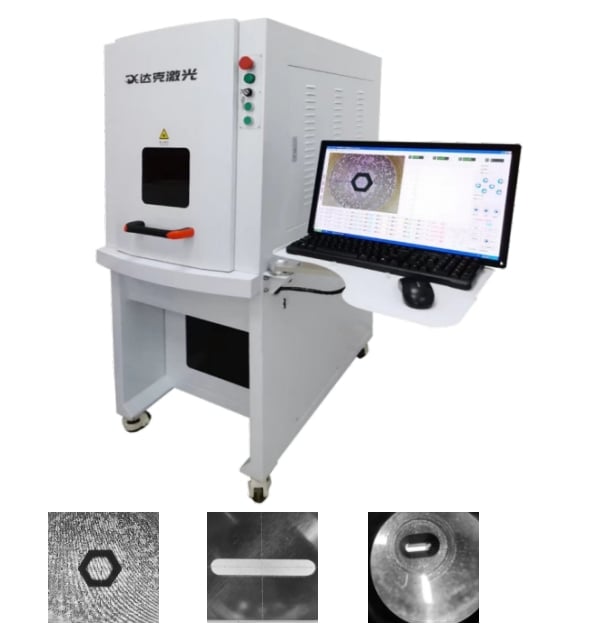
Successful die drilling combines precision equipment, proper technique, and continuous optimization. In 2025, manufacturers face increasing pressure to reduce cycle times while maintaining zero-defect output, making die drilling mastery more valuable than ever. This guide explores the fundamental principles, advanced strategies, and practical implementation methods that separate top-performing shops from the competition.
Understanding Die Drilling Fundamentals
Core Principles of Die Drilling
Die drilling refers to the process of creating precise holes through hardened die materials and tool steels using specialized cutting tools and controlled machining parameters. Unlike general drilling, die drilling demands exceptional accuracy because even micron-level deviations can compromise tool function and part performance. The process involves selecting appropriate drill geometries, calculating optimal cutting speeds and feed rates, and monitoring tool wear to prevent catastrophic failure or dimensional drift.
The physics of die drilling centers on heat generation, tool stress distribution, and chip evacuation. When a drill bit penetrates die material, friction creates substantial thermal energy that can weaken the tool's cutting edge and distort the workpiece. Understanding these thermal dynamics allows manufacturers to select cutting fluids, spindle speeds, and feed strategies that maintain tool integrity while achieving dimensional consistency. Modern die drilling also incorporates coolant delivery systems, vibration damping, and advanced tool coatings to extend tool life and improve surface finish.
Material Properties and Tool Selection
Different die materials respond differently to drilling operations, requiring tailored approaches for each application. Hardened tool steels, aluminum bronze, and specialty alloys each present unique challenges during die drilling. Tool steel grades with higher carbon content demand slower speeds and specialized tool geometries, while softer materials allow more aggressive parameters. Selecting the correct drill bit geometry—including point angle, flute design, and web thickness—is fundamental to effective die drilling.
Carbide drilling tools offer superior performance compared to high-speed steel for high-volume die drilling operations. Carbide tools maintain hardness at elevated temperatures and enable faster cutting speeds, reducing overall cycle time. Coated carbide tools introduce additional wear resistance through titanium nitride, aluminum oxide, or multi-layer coatings that further extend tool life. For critical die drilling applications, investment in premium tooling often pays dividends through improved repeatability and reduced scrap rates.
Optimizing Die Drilling Parameters and Techniques
Speed, Feed, and Coolant Strategy
Die drilling success depends on precise parameter selection that balances speed, feed rate, and coolant delivery. Cutting speed directly affects heat generation and tool wear progression, making this parameter critical to die drilling optimization. Feed rate controls chip thickness and load on the cutting edge; excessive feed causes tool breakage while insufficient feed generates heat without productive material removal. Manufacturers must establish die drilling speeds based on tool material, workpiece hardness, and hole depth to maximize tool life without compromising cycle time.
Coolant selection and delivery method significantly influence die drilling performance. Flood cooling works effectively for conventional drilling, but through-spindle coolant delivery provides superior heat evacuation and chip flushing in deep-hole die drilling operations. High-pressure coolant systems can reduce cycle time by 20 to 40 percent while extending tool life substantially. Water-soluble synthetics and semi-synthetics offer better cooling capacity than straight mineral oils, making them ideal for aggressive die drilling applications where thermal control determines success.
Tool Geometry and Wear Management
Tool geometry directly impacts die drilling reliability and hole quality. The point angle determines stress distribution at the cutting edge; standard 118-degree points work adequately for general drilling, but split-point geometry reduces startup torque and improves centering accuracy. Web thickness affects tool strength; thicker webs resist bending but generate higher cutting forces. For die drilling in hardened materials, optimized geometries with acute angles and reinforced margins ensure superior performance and extended tool life.
Monitoring tool wear represents a critical component of sustained die drilling excellence. Progressive flank wear develops gradually, allowing process adjustment before catastrophic failure occurs. Implementing tool life monitoring systems enables predictive tool changes that prevent scrap generation and maintain dimensional consistency throughout production runs. Regular tool inspection, coupled with documented wear patterns, helps manufacturers refine die drilling parameters and achieve optimal tool utilization without compromising part quality.
Advanced Die Drilling Implementation in Production
Machine Setup and Vibration Control
Die drilling machine setup profoundly influences drilling precision and tool reliability. Spindle runout must be minimized through proper chuck maintenance, collet inspection, and workholding verification. Even minor runout causes eccentric drilling that produces oversize holes and uneven tool wear, degrading die drilling quality across production. Establishing setup procedures with documented tolerances ensures consistent performance across multiple shifts and multiple machines within a facility.
Vibration damping improves die drilling performance significantly, especially in deep-hole applications where tool deflection increases. Boring bar stabilizers, spindle bearing maintenance, and proper machine calibration reduce chatter that undermines hole quality. Many modern CNC machines incorporate adaptive feed systems that automatically reduce speed when vibration exceeds preset thresholds, protecting tools and workpieces during challenging die drilling operations. Investing in vibration analysis during die drilling can identify machine issues that compromise multiple operations simultaneously.
Process Documentation and Continuous Improvement
Systematic documentation of die drilling parameters, tool performance, and quality outcomes creates the foundation for continuous improvement. Recording cutting speeds, feed rates, coolant types, tool life, and hole dimensional results enables data-driven optimization that increases efficiency and reduces scrap. Many manufacturers implement SPC (Statistical Process Control) specifically for die drilling operations, tracking drill diameter, straightness, and surface finish to identify process trends before defects reach customers.
Training operators and programmers on die drilling best practices ensures consistent application of optimized parameters across the organization. New employees often lack experience with specific die drilling challenges in hardened materials or complex hole patterns. Structured training programs combined with mentorship create organizational capability that translates directly into quality improvement and cycle time reduction. Regular process reviews with production teams drive innovation and adaptation as tooling technology and machine capabilities evolve.
FAQ
What is the primary challenge in die drilling operations?
The primary challenge in die drilling involves balancing speed and tool life while maintaining dimensional accuracy in hardened materials. Heat generation creates the core difficulty; excessive cutting speeds generate thermal stress that weakens cutting edges, while insufficient speeds extend cycle times uneconomically. Die drilling success requires finding the optimal parameter window where tool life remains acceptable and hole quality remains consistent. Choosing appropriate coolant systems and tool geometries helps manufacturers navigate this balance effectively.
How often should die drilling tools be replaced during production?
Tool replacement frequency depends on material hardness, hole depth, coolant effectiveness, and desired quality levels. In die drilling operations, tools typically run 500 to 2000 holes before replacement, though premium tooling with proper parameter optimization can extend this range significantly. Rather than replacing tools on fixed schedules, monitoring actual wear progression and maintaining tool performance within documented tolerances ensures optimal tool utilization. Some manufacturers implement predictive systems that track wear trends and recommend tool changes before quality degrades.
Can laser-based drilling supplement traditional die drilling methods?
Laser drilling and thermal drilling methods offer complementary capabilities to traditional mechanical die drilling, though each technology serves different applications. Laser drilling excels at creating very small holes, complex hole patterns, and geometries difficult for mechanical tools, while traditional die drilling remains superior for high-volume production of standard hole sizes requiring maximum tolerance control and surface finish. Many advanced manufacturing facilities employ die drilling techniques alongside laser systems to optimize production efficiency across diverse product portfolios. The integration of these technologies allows manufacturers to handle broader workpiece specifications and complex designs with competitive cycle times.