 EN
EN
 AR
AR
 FR
FR
 DE
DE
 JA
JA
 KO
KO
 RU
RU
 ES
ES


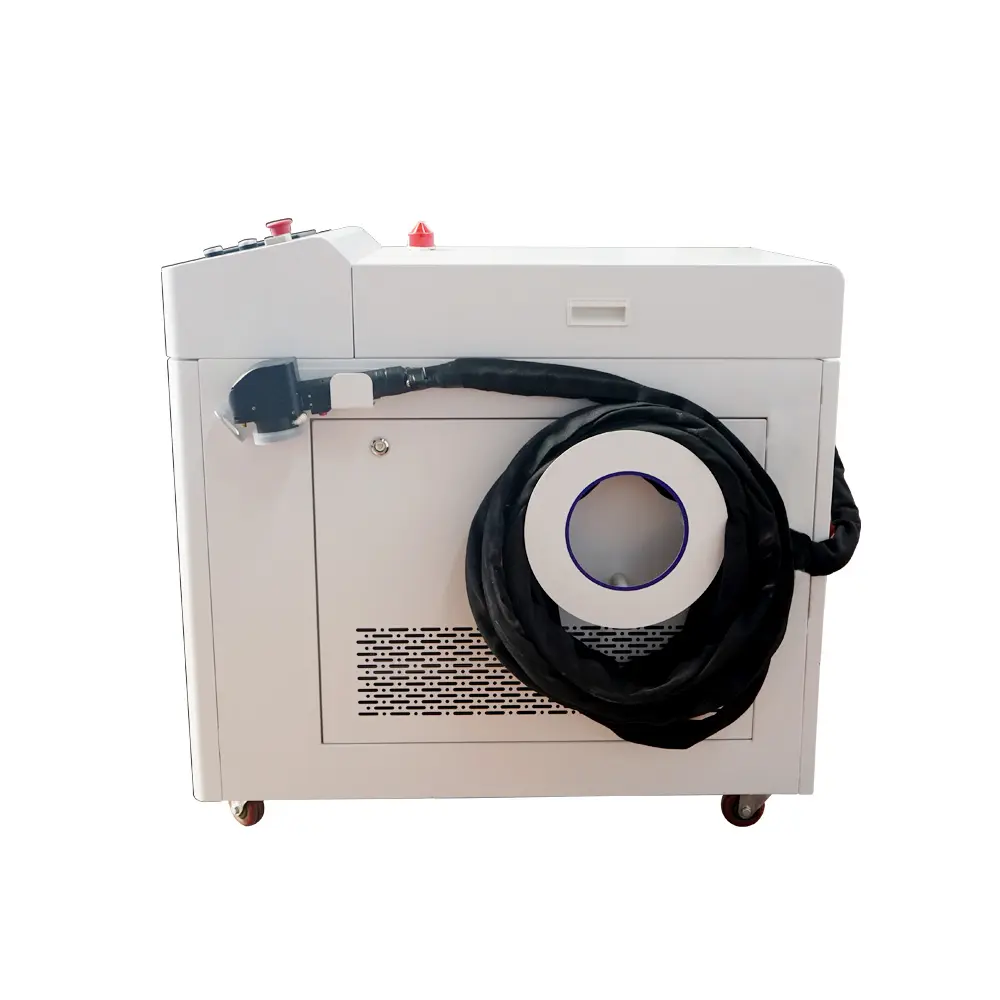
Die drilling problems represent one of the most persistent challenges in modern manufacturing and industrial production. Whether you operate a precision machine shop, automotive supplier, or specialized component manufacturer, die drilling problems can significantly impact production timelines, increase material waste, and reduce overall operational efficiency. Understanding the root causes of die drilling problems is essential for any facility looking to maintain competitive advantage and deliver high-quality products consistently.
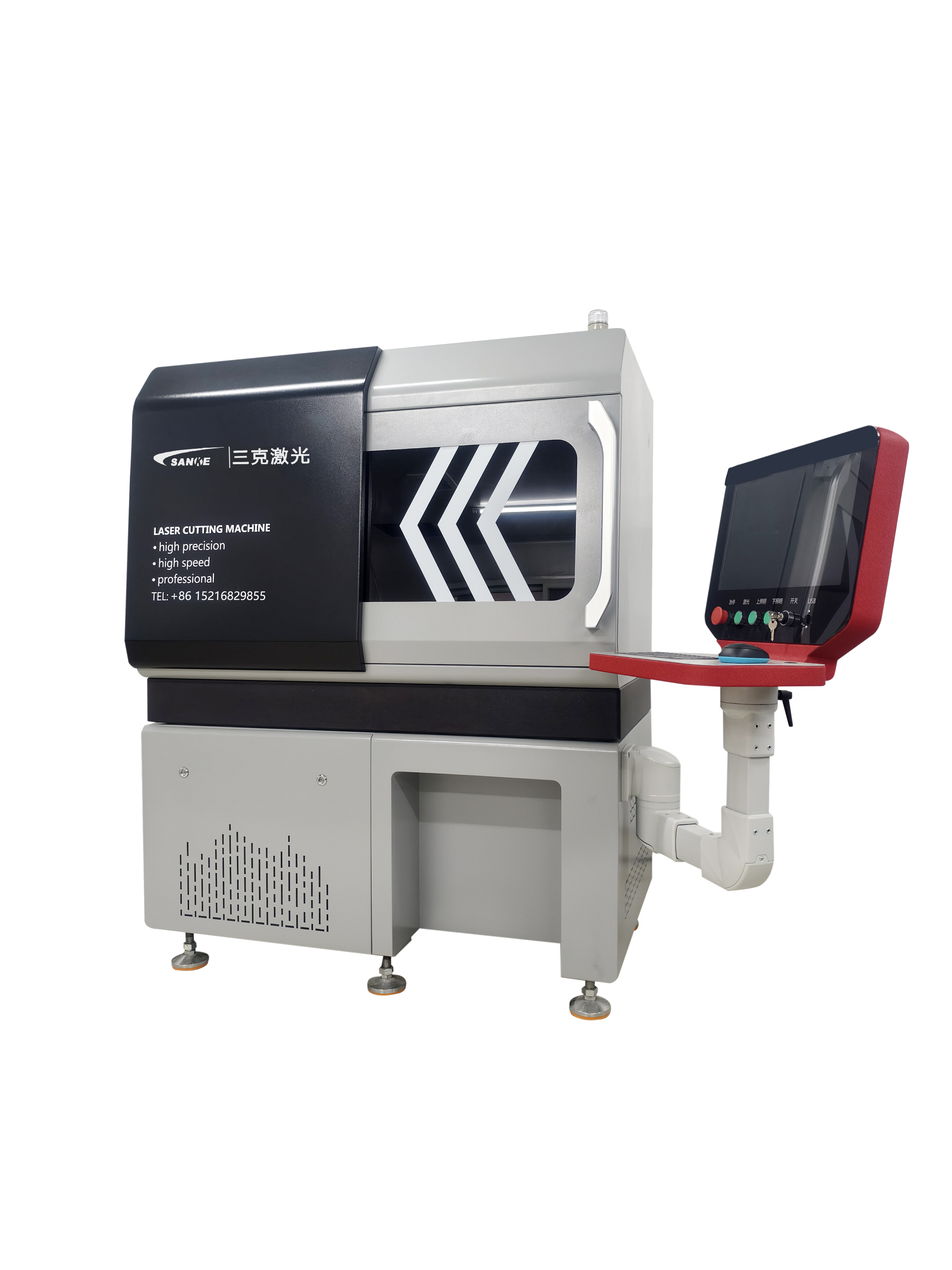
Die drilling problems often stem from a combination of equipment wear, improper setup, material characteristics, and operator technique. When die drilling problems go unaddressed, they cascade throughout your manufacturing process, leading to increased downtime, higher scrap rates, and customer dissatisfaction. This comprehensive guide explores the most common die drilling problems encountered in industrial settings and provides actionable solutions to resolve them effectively.
Identifying Common Die Drilling Problems in Manufacturing
Understanding the Root Causes of Die Drilling Problems
Die drilling problems typically fall into several categories based on their origin. Equipment-related die drilling problems include worn spindles, misaligned chucks, and deteriorating feed mechanisms that compromise drilling accuracy. Material-related die drilling problems arise when operators attempt to drill incompatible material types without proper adjustments to speed and feed rates. Environmental factors such as coolant degradation, inadequate ventilation, and temperature fluctuations can exacerbate existing die drilling problems and introduce new challenges. Temperature-induced die drilling problems are particularly common in facilities without proper thermal management systems.
Recognizing Visible Signs of Die Drilling Problems
Recognizing die drilling problems early prevents catastrophic failures and maintains production continuity. Visual indicators include chipped or broken drill bits, off-center holes, and rough hole surfaces that suggest die drilling problems are present. Auditory signals like unusual grinding sounds or vibration patterns often indicate active die drilling problems developing in the equipment. Metric changes such as increased cycle times, higher tool consumption rates, and dimensional variation in finished parts all point to underlying die drilling problems requiring immediate investigation and correction.
Primary Solutions for Resolving Die Drilling Problems
Equipment Maintenance and Calibration
Regular preventive maintenance is the most effective strategy for eliminating die drilling problems before they impact production. Scheduling routine spindle inspections, chuck replacements, and collet cleaning procedures reduces die drilling problems significantly. Precision calibration of machine axes ensures drilling accuracy and prevents the dimensional drift that creates die drilling problems. Investing in spindle runout testing equipment allows technicians to detect die drilling problems early, preventing expensive downtime and rework. Many modern facilities now employ condition monitoring systems specifically designed to alert operators when emerging die drilling problems require attention.
Optimizing Drilling Parameters and Processes
Die drilling problems frequently result from suboptimal speed and feed rate selections for specific materials and drill diameters. Establishing material-specific drilling parameter libraries eliminates die drilling problems caused by guesswork and trial-and-error approaches. Implementing proper coolant selection and application reduces die drilling problems related to heat buildup and chip evacuation. Advanced die drilling problems can be minimized through feed rate optimization that prevents excessive tool stress. Documenting successful parameter sets creates institutional knowledge that prevents die drilling problems from recurring across multiple shifts and operators.
Training and Operator Protocol Development
Operator technique directly influences the frequency and severity of die drilling problems encountered during production runs. Comprehensive training programs addressing die drilling problems help operators understand equipment limitations, proper tool handling, and parameter adjustment procedures. Establishing standardized work instructions reduces die drilling problems caused by inconsistent operator practices. Regular skill assessments ensure operators maintain competency in troubleshooting and recognizing early warning signs of die drilling problems. Mentoring relationships between experienced technicians and newer operators help transfer knowledge about preventing die drilling problems through practical demonstration and real-world experience.
Advanced Strategies for Minimizing Die Drilling Problems
Tool Selection and Material Compatibility
Die drilling problems intensify when inappropriate tool materials are paired with workpiece materials. Selecting specialized drill coatings for specific applications prevents die drilling problems related to rapid tool wear. Carbide drills reduce die drilling problems in harder materials like stainless steel and cast iron compared to high-speed steel alternatives. Understanding the metallurgical properties of both the drill and workpiece materials helps engineers anticipate and prevent die drilling problems. Tool geometry optimization, including point angle and flute design modifications, addresses specific die drilling problems unique to your material palette.
Implementing Quality Control Checkpoints
Systematic quality control procedures catch die drilling problems before parts reach downstream processes or customers. In-process inspection protocols immediately reveal die drilling problems that require corrective action. Coordinate measuring machine verification at production intervals detects die drilling problems affecting dimensional accuracy. Statistical process control charting reveals trends in die drilling problems that manual observation might miss. Root cause analysis following any die drilling problems creates continuous improvement opportunities and prevents recurrence.
Technology Integration and Monitoring Systems
Modern manufacturing leverages digital monitoring to detect die drilling problems in real-time before they impact production. Vibration sensors identify die drilling problems developing in spindle bearings and spindle alignment. Temperature monitoring systems alert operators when die drilling problems related to heat generation occur. Cycle time tracking software reveals unexpected die drilling problems by comparing actual performance against established baselines. Cloud-based data collection enables trend analysis across equipment and facilities to identify patterns in die drilling problems that might not appear in individual machine data.
FAQ
What are the most common causes of die drilling problems in precision manufacturing?
The most prevalent causes of die drilling problems include worn spindle bearings, incorrect spindle speeds for specific materials, improper coolant application, chuck misalignment, and dull drill bits that have exceeded their service life. Environmental factors like inadequate chip evacuation and temperature fluctuations also create significant die drilling problems. Operator inexperience in recognizing proper drilling conditions frequently leads to die drilling problems that could have been prevented with better training and awareness.
How can I reduce waste and rework caused by die drilling problems?
Reducing waste from die drilling problems requires implementing preventive maintenance schedules, establishing documented drilling parameter standards for each material type, and training operators to recognize early warning signs. Incorporating 100% in-process inspection catches die drilling problems before parts advance to next stages, preventing expensive rework. Using condition monitoring equipment allows technicians to address die drilling problems before they produce scrap parts. Regular tool lifecycle management ensures dies and drills are replaced before they create the quality issues associated with die drilling problems.
What investment is required to solve die drilling problems in an existing facility?
Addressing die drilling problems can range from minimal investment in training and process documentation to significant capital expenditure for advanced monitoring systems and equipment upgrades. Many die drilling problems can be solved immediately through improved maintenance practices and operator training at minimal cost. Moderate investments in measurement equipment and spindle diagnostic tools provide excellent returns by preventing die drilling problems early. Larger facilities may justify investment in automated monitoring systems that continuously detect emerging die drilling problems across multiple machines and alert technicians to required interventions before production impact occurs.