 EN
EN
 AR
AR
 FR
FR
 DE
DE
 JA
JA
 KO
KO
 RU
RU
 ES
ES


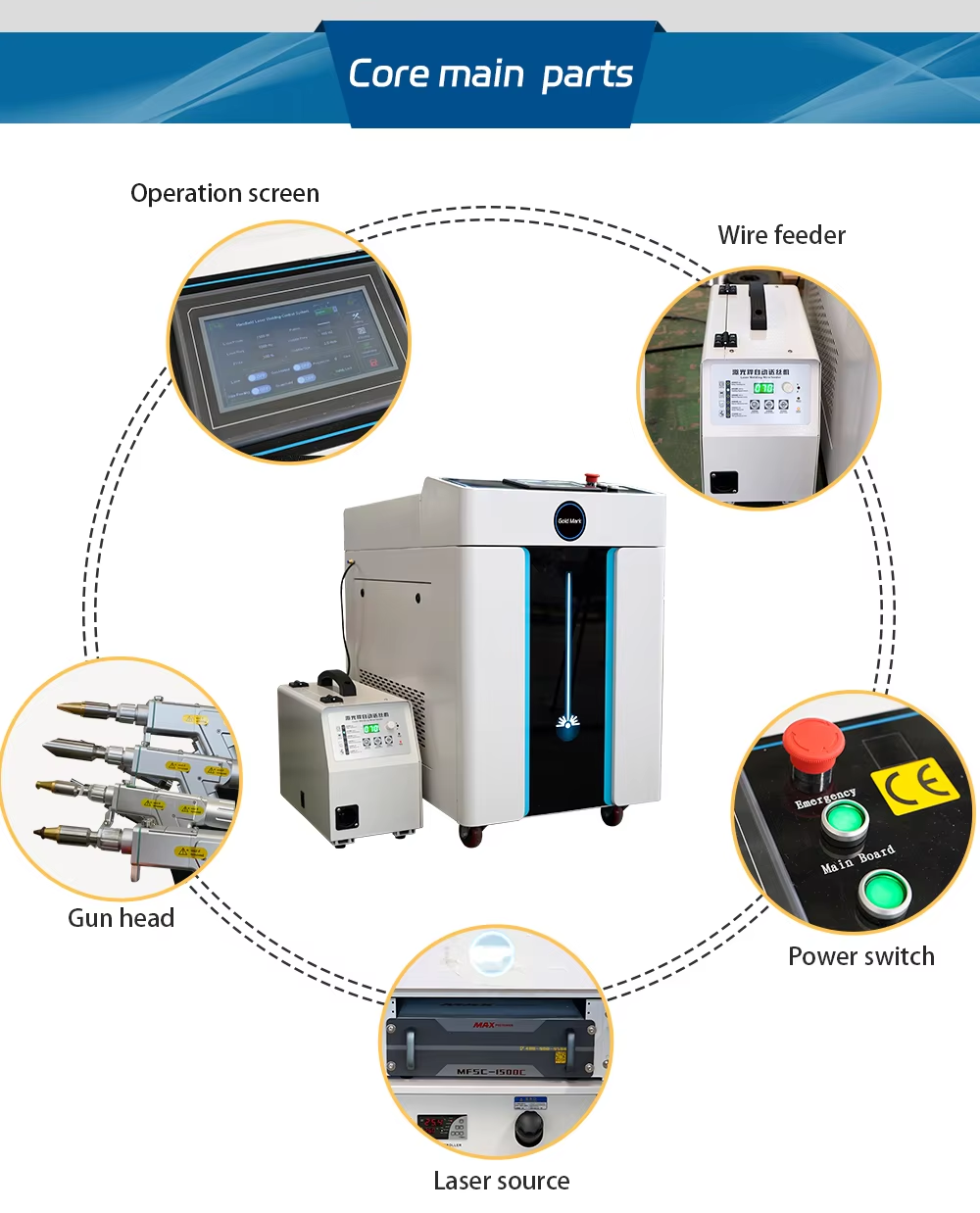
Selecting between die drilling vs CNC machining represents one of the most critical decisions in modern manufacturing. Both processes deliver precision results, yet they operate on fundamentally different principles and deliver distinct advantages depending on your production requirements. Understanding the nuances of die drilling vs CNC machining enables manufacturers to optimize costs, timelines, and quality outcomes. Whether you're producing high-volume components or custom prototypes, the choice between die drilling vs CNC machining directly impacts your bottom line and manufacturing efficiency.
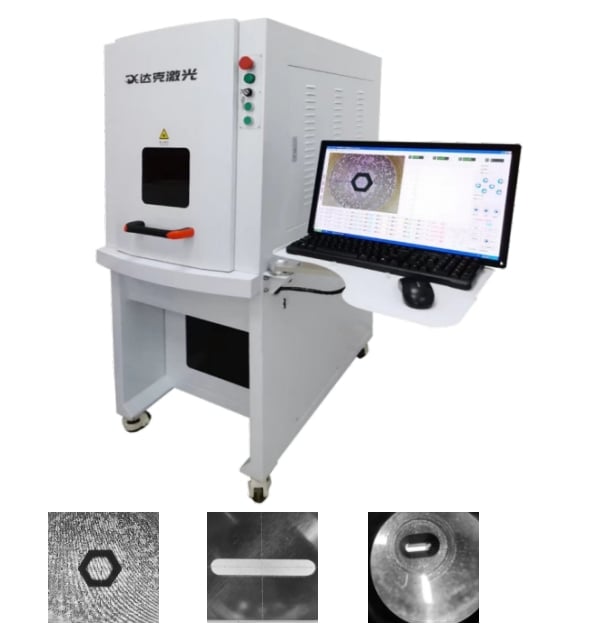
Die drilling vs CNC machining each excels in specific scenarios, and the optimal choice depends on volume, precision tolerance, material type, and budget constraints. Die drilling vs CNC machining have evolved significantly over recent decades, with modern equipment offering capabilities that blur traditional boundaries. This comprehensive guide explores the technical distinctions, cost structures, production capabilities, and real-world applications of die drilling vs CNC machining to help you make an informed decision that aligns with your manufacturing strategy.
Core Technical Differences Between Die Drilling vs CNC Machining
How Die Drilling vs CNC Machining Operate
Die drilling vs CNC machining employ contrasting methodologies to achieve precision holes and features. Die drilling uses specially shaped dies—hardened steel tools—that pierce or form holes through impact force, shearing, or progressive compression. The die drilling process relies on mechanical pressure applied in a single or staged motion, making it extraordinarily fast for high-volume production runs. Conversely, die drilling vs CNC machining differs fundamentally because CNC machining relies on computer numerical control to guide rotary cutting tools along programmed paths, removing material incrementally with precise coordinates and speeds.
Die drilling typically requires tooling development—custom dies must be engineered and manufactured before production begins. Once die drilling tooling exists, cycle times become remarkably efficient, often completing holes in fractions of a second. In contrast, die drilling vs CNC machining shows that CNC machines demand programming and tool setup but eliminate the need for custom tooling investment, allowing faster transitions between different designs and smaller batch quantities.
Material Compatibility and Hole Characteristics
Die drilling vs CNC machining produce different hole characteristics depending on material properties. Die drilling excels with softer metals like aluminum, copper, and mild steel, where impact force efficiently pierces through the material. Die drilling vs CNC machining diverges when handling brittle materials or composites—CNC drilling offers superior control for delicate materials prone to chipping or delamination. When precision die drilling vs CNC machining is evaluated for stainless steel or hardened alloys, CNC machining typically provides better control and surface finish, though specialized die drilling techniques can accommodate these materials with appropriate tooling geometry.
Hole edge quality represents another critical distinction in die drilling vs CNC machining. Die drilling often produces slight material deformation at entry and exit points due to mechanical shearing forces. Die drilling vs CNC machining shows that CNC drilling provides cleaner edges with minimal burring, particularly valuable for applications where secondary deburring adds cost and complexity. The surface finish within drilled holes also differs—die drilling vs CNC machining indicates that CNC methods typically achieve superior internal surface smoothness, beneficial for fluid flow applications or threaded holes.
Cost and Volume Considerations in Die Drilling vs CNC Machining
Tooling Investment and Amortization
Die drilling vs CNC machining presents dramatically different economic models based on production volume. Die drilling requires substantial upfront tooling investment—custom dies can cost thousands of dollars, depending on complexity and size. However, once die drilling tooling exists, unit costs plummet because die drilling executes so rapidly that labor and overhead per component diminish significantly. Die drilling vs CNC machining economics favor die drilling when producing volumes exceeding 100,000 units annually, as the tooling cost amortizes across many parts.
Die drilling vs CNC machining reverses the economic advantage at lower volumes. CNC machining eliminates tooling investment entirely—programs can be modified instantly for design changes, and die drilling vs CNC machining shows that CNC offers flexibility without penalty. For prototype runs, custom orders, or small production batches, die drilling vs CNC machining indicates that CNC machining delivers lower total cost. The break-even point between die drilling vs CNC machining typically occurs around 50,000 to 150,000 parts annually, depending on die drilling complexity and CNC hourly rates.
Production Speed and Throughput
Die drilling vs CNC machining demonstrates radical differences in cycle time performance. Die drilling processes ultra-high-volume production remarkably—single punch operations can complete holes in 0.5 to 2 seconds per component, enabling die drilling to achieve production rates exceeding 1,000 parts per hour. Die drilling vs CNC machining shows that high-speed CNC drilling typically requires 10 to 60 seconds per hole depending on depth, material, and tool wear patterns. For high-volume applications, die drilling vs CNC machining reveals that die drilling maintains a substantial speed advantage that translates directly to throughput and capital equipment efficiency.
However, die drilling vs CNC machining considerations must include setup time. Die drilling dies require mounting and calibration, consuming 30 minutes to several hours per setup. Die drilling vs CNC machining indicates that CNC machines need program loading and tool changes, typically requiring 15 to 45 minutes. Over shorter production runs, die drilling vs CNC machining shows that this setup time per unit becomes substantial, favoring CNC flexibility.
Design Flexibility and Production Adaptability
Design Modifications and Complexity
Die drilling vs CNC machining diverge significantly regarding design flexibility. Die drilling locks design parameters into physical tooling—changing hole size, location, or pattern requires new dies, consuming weeks and substantial cost. Die drilling vs CNC machining shows that design modifications with die drilling represent a serious commitment, appropriate only when designs reach production stability. Conversely, die drilling vs CNC machining indicates that CNC programming accepts design modifications instantly, allowing engineers to refine specifications without financial penalty or manufacturing delay.
Die drilling vs CNC machining also affects multi-feature capability. Die drilling specializes in repetitive identical holes with consistent spacing. Die drilling vs CNC machining reveals that CNC excels at irregular hole patterns, varying diameters, countersinks, and complex geometries within single components. Die drilling becomes impractical for components requiring diverse features, while die drilling vs CNC machining shows that CNC machines handle such complexity through programmed tool paths and automatic tool changes.
Batch Size Flexibility
Die drilling vs CNC machining economics shift dramatically with batch size variability. Die drilling demands predictable, sustained volume to justify tooling investment—sudden order reductions create financial strain because die drilling fixed costs remain regardless of production. Die drilling vs CNC machining indicates that CNC machines accommodate fluctuating demand gracefully, as variable cost decreases proportionally with reduced volume. For manufacturers serving markets with seasonal demand or customer orders varying unpredictably, die drilling vs CNC machining suggests CNC machining provides superior operational stability.
Die drilling vs CNC machining also presents different risk profiles. Die drilling concentrates risk—if tooling proves flawed after production begins, hundreds or thousands of scrap parts may result before corrections occur. Die drilling vs CNC machining shows that CNC allows validation of specifications on initial parts before committing production volume, reducing defect risk substantially.
Quality, Precision, and Application-Specific Advantages
Tolerance Achievement and Surface Quality
Die drilling vs CNC machining produces varying tolerance capabilities and surface characteristics. Die drilling achieves commercial tolerances effectively—typically ±0.5mm or ±0.03 inches—suitable for automotive, industrial, and consumer applications. Die drilling vs CNC machining indicates that CNC drilling delivers tighter tolerances, often ±0.1mm or better, supporting aerospace, medical device, and precision instrument requirements. For applications demanding hole location accuracy or size consistency within strict limits, die drilling vs CNC machining shows that CNC provides superior precision control.
Die drilling vs CNC machining also affects hole interior finish and edge condition. Die drilling produces rough interior surfaces and deformed edges that may require secondary operations—deburring, honing, or thermal stress relief. Die drilling vs CNC machining reveals that CNC typically eliminates or minimizes secondary processing, reducing component cost and manufacturing steps. In applications where die drilling creates internal stress concentrations affecting fatigue resistance, die drilling vs CNC machining indicates that CNC drilling produces mechanically superior results through reduced material damage.
Industry Application Scenarios
Die drilling vs CNC machining suit different industrial contexts based on process strengths. Die drilling excels in high-volume automotive stamping operations where identical holes appear across massive production runs—engine blocks, transmission cases, chassis components. Die drilling vs CNC machining shows that die drilling serves electronics manufacturing, appliance production, and consumer goods where unit cost reduction justifies tooling investment. Conversely, die drilling vs CNC machining indicates that CNC drilling dominates aerospace, medical device manufacturing, and specialized industrial applications demanding design flexibility and superior precision.
Die drilling vs CNC machining also reflects competitive differentiation. Contract manufacturers serving diverse customer bases benefit from die drilling vs CNC machining capabilities—CNC flexibility allows rapid customer onboarding without tooling delays. Die drilling vs CNC machining demonstrates that dedicated high-volume manufacturers achieve cost leadership through die drilling efficiency on stable, proven products. Understanding whether your business strategy emphasizes volume efficiency or design flexibility guides the optimal choice between die drilling vs CNC machining.
FAQ
When should I choose die drilling over CNC machining?
Choose die drilling vs CNC machining when producing high volumes exceeding 100,000 parts annually with stable, unchanged designs. Die drilling vs CNC machining favors die drilling for simple, repetitive hole patterns in soft metals where cost-per-unit becomes the primary metric. Die drilling vs CNC machining indicates die drilling when secondary operations pose no concern and production speed justifies substantial tooling investment.
What are the main limitations of die drilling compared to CNC machining?
Die drilling vs CNC machining reveals critical limitations—die drilling requires expensive custom tooling, demands design stability, cannot accommodate design modifications without new dies, and struggles with irregular hole patterns or complex features. Die drilling vs CNC machining shows that die drilling produces rougher interior surfaces and deformed edges requiring secondary processing. Die drilling concentrates financial risk if initial tooling proves flawed.
Can die drilling vs CNC machining handle specialized materials like composites or titanium?
Die drilling vs CNC machining indicates that specialized materials like composites and titanium demand different approaches. Die drilling struggles with composites due to delamination risk and irregular fiber orientation effects. Die drilling vs CNC machining shows that CNC machining provides superior control through adjustable speeds, feeds, and tool geometry optimized for material characteristics. Die drilling vs CNC machining suggests CNC machining when handling brittle, work-hardening, or fiber-reinforced materials requiring precision control.