 EN
EN
 AR
AR
 FR
FR
 DE
DE
 JA
JA
 KO
KO
 RU
RU
 ES
ES


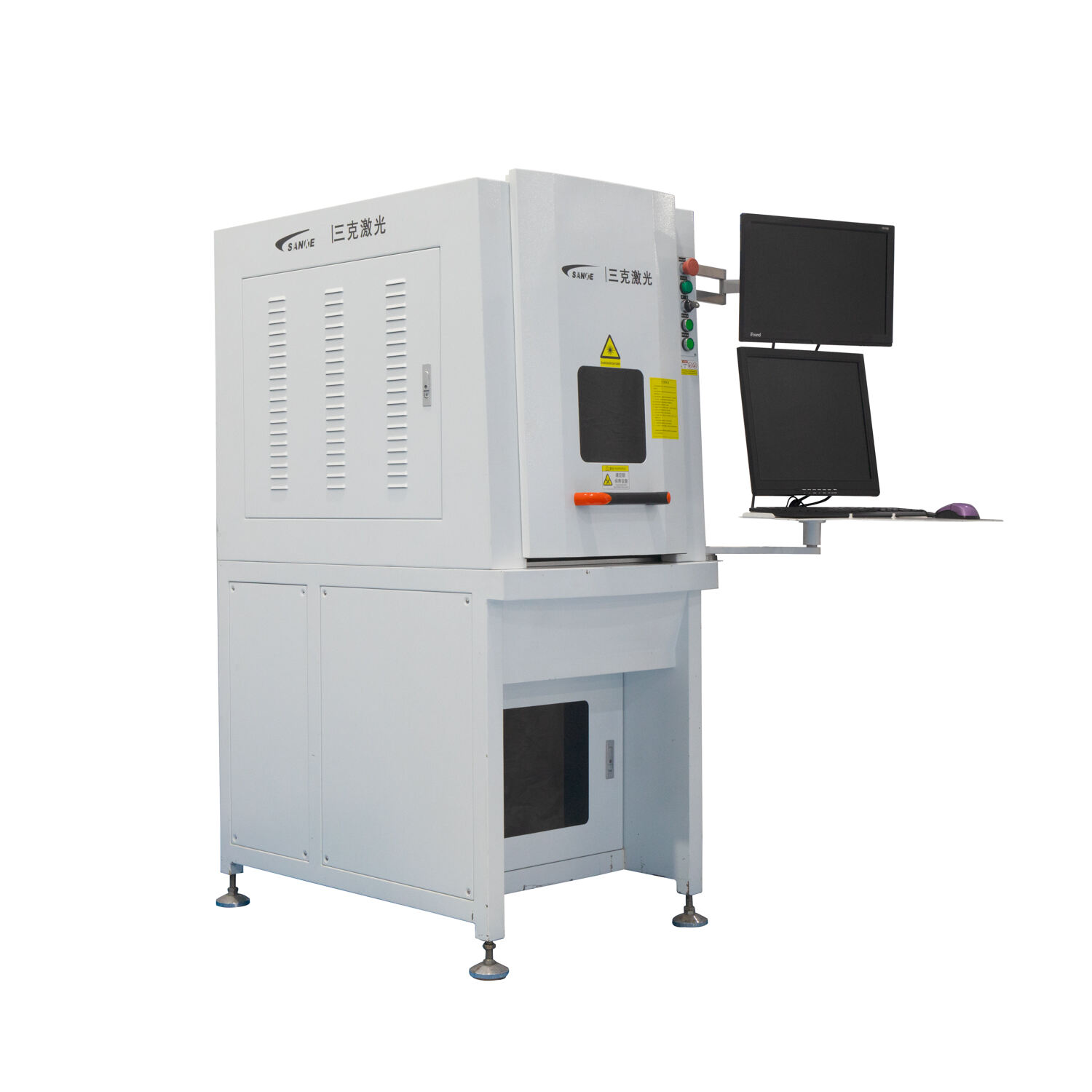
Proper maintenance of industrial laser drilling equipment represents one of the most critical factors determining operational efficiency and equipment longevity in modern manufacturing environments. When organizations invest in precision drilling technology, they expect consistent performance, minimal downtime, and extended operational life from their equipment. The relationship between maintenance practices and equipment performance extends far beyond simple cleaning routines, encompassing comprehensive preventive care strategies that directly influence productivity, accuracy, and total cost of ownership. Understanding these maintenance principles becomes essential for maximizing return on investment while ensuring reliable production capabilities.
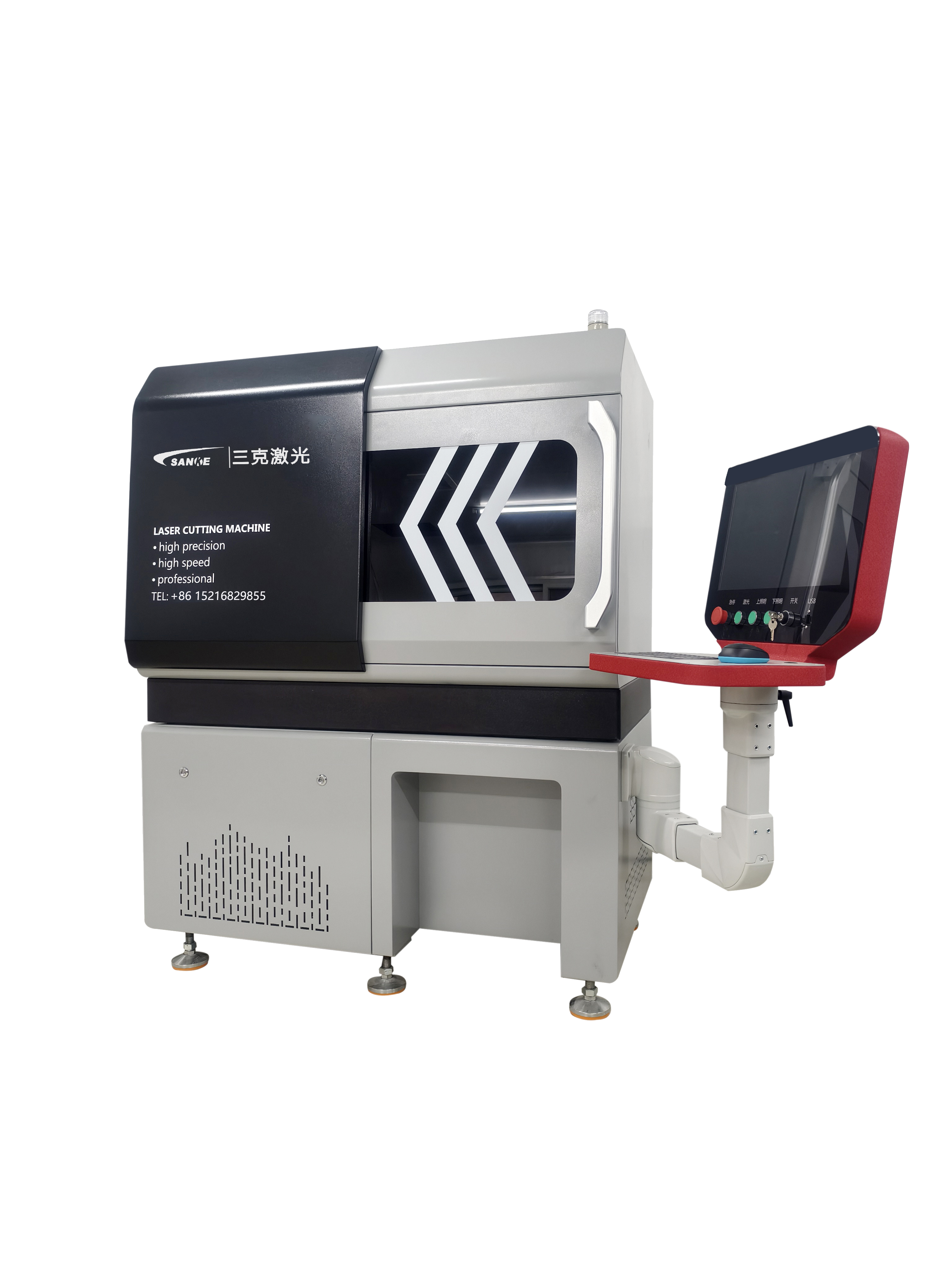
Fundamental Maintenance Components for Laser Drilling Systems
Optical System Care and Alignment
The optical components within laser drilling systems require meticulous attention to maintain peak performance levels. Laser mirrors, lenses, and beam delivery systems accumulate contaminants during operation, which can significantly degrade beam quality and drilling precision. Regular cleaning schedules using appropriate solvents and lint-free materials help preserve optical clarity and prevent thermal damage from absorbed contaminants. Proper alignment verification ensures that laser energy reaches the workpiece with maximum efficiency and consistency.
Thermal management of optical components plays an equally important role in maintaining system performance. Temperature fluctuations can cause optical elements to shift, resulting in beam drift and reduced drilling accuracy. Climate-controlled environments and proper cooling system maintenance help stabilize optical performance while preventing condensation that could damage sensitive components. Regular inspection protocols should include checking for physical damage, coating deterioration, and mounting stability to identify potential issues before they impact production quality.
Laser Source Maintenance Requirements
The laser source represents the heart of any drilling system and demands specialized maintenance attention to ensure consistent power output and beam characteristics. Different laser types, including fiber lasers, CO2 lasers, and solid-state systems, each present unique maintenance requirements that directly affect drilling performance. Fiber laser systems typically require less maintenance than traditional CO2 systems but still benefit from regular power monitoring and connector inspection to maintain optimal beam delivery.
Power calibration and stability monitoring provide essential insights into laser source health and performance trends. Regular power measurements at various output levels help identify gradual degradation patterns that might otherwise go unnoticed until significant performance loss occurs. Documentation of power readings, beam profile measurements, and operational parameters creates valuable baseline data for predicting maintenance needs and scheduling preventive interventions before critical failures occur.
Impact of Maintenance on Drilling Precision and Quality
Dimensional Accuracy and Consistency
Maintenance practices directly influence the dimensional accuracy and consistency that modern manufacturing processes demand from precision drilling operations. Clean optical systems ensure consistent beam focus and energy distribution, resulting in uniform hole geometries and predictable drilling characteristics. When maintenance schedules slip, accumulated contamination and component wear gradually degrade drilling precision, leading to increased variation in hole dimensions and surface quality.
Mechanical positioning systems within laser drilling machine setups require regular lubrication, calibration, and wear assessment to maintain positional accuracy. Servo motor performance, encoder accuracy, and mechanical backlash all contribute to overall drilling precision. Regular maintenance of these systems prevents gradual degradation that could compromise part quality and increase scrap rates in production environments.
Surface Quality and Heat Affected Zone Control
The quality of drilled surfaces and the extent of heat affected zones around drill holes depend heavily on proper laser system maintenance. Well-maintained optical systems deliver consistent beam profiles that produce clean, precise cuts with minimal thermal damage to surrounding material. Poor maintenance leads to beam degradation, irregular power distribution, and increased thermal input that creates larger heat affected zones and reduced surface quality.
Gas assist systems used in laser drilling applications also require regular maintenance to ensure proper flow rates and gas purity. Contaminated assist gases or inconsistent flow patterns can negatively impact drilling quality by reducing material removal efficiency and increasing thermal effects. Regular filter replacement, flow calibration, and gas purity monitoring help maintain optimal drilling conditions that produce superior surface finishes and dimensional control.
Preventive Maintenance Strategies for Extended Equipment Life
Scheduled Component Replacement Programs
Implementing structured component replacement programs based on operating hours, cycles completed, or calendar intervals helps prevent unexpected failures that could result in costly production downtime. Consumable items such as laser diodes, flashlamps, and optical elements have predictable service lives when operated within specified parameters. Proactive replacement of these components before failure ensures consistent performance and eliminates emergency repair situations that often require expedited parts procurement and extended downtime.
Documentation of component replacement history, performance trends, and failure patterns provides valuable data for optimizing maintenance intervals and identifying potential design improvements. This historical information helps maintenance teams predict future needs, budget for replacement parts, and schedule maintenance activities during planned production breaks to minimize operational disruption.
Environmental Control and Contamination Prevention
Maintaining proper environmental conditions around laser drilling equipment significantly extends component life and reduces maintenance requirements. Controlled temperature and humidity levels prevent condensation, thermal stress, and accelerated component aging. Air filtration systems remove airborne contaminants that could settle on optical surfaces or infiltrate sensitive electronic components, reducing cleaning frequency and preventing premature component degradation.
Regular facility maintenance, including HVAC system service, air filter replacement, and contamination source elimination, creates optimal operating conditions for precision laser equipment. Investment in environmental control systems often pays for itself through reduced maintenance costs, extended component life, and improved system reliability over the equipment's operational lifetime.
Cost-Benefit Analysis of Comprehensive Maintenance Programs
Direct Cost Savings and Operational Efficiency
Comprehensive maintenance programs generate measurable cost savings through reduced emergency repairs, minimized production downtime, and extended equipment life. Regular maintenance activities cost significantly less than emergency repairs, which often require premium pricing for expedited parts and after-hours service calls. Planned maintenance can be scheduled during off-production hours, eliminating the production losses associated with unexpected equipment failures during critical manufacturing periods.
Energy efficiency improvements resulting from proper maintenance also contribute to operational cost savings. Clean optical systems require less laser power to achieve desired drilling results, reducing electricity consumption and extending laser source life. Well-maintained motion systems operate more efficiently, consuming less power and generating less heat that must be removed by facility cooling systems.
Quality Consistency and Reduced Waste
Proper maintenance practices directly impact product quality consistency, reducing scrap rates and rework requirements that add significant costs to manufacturing operations. Stable laser drilling machine performance produces consistent hole dimensions, surface finishes, and geometric tolerances that meet customer specifications without extensive quality control interventions. This consistency reduces inspection requirements, speeds production throughput, and improves customer satisfaction through reliable product quality.
The predictable performance characteristics of well-maintained equipment enable more aggressive production scheduling and reduced safety margins in manufacturing processes. This operational confidence allows manufacturers to optimize cycle times, reduce work-in-process inventory, and improve overall equipment effectiveness metrics that directly impact profitability and competitiveness in demanding market conditions.
Advanced Monitoring and Predictive Maintenance Technologies
Real-Time Performance Monitoring Systems
Modern laser drilling systems increasingly incorporate sophisticated monitoring technologies that provide real-time feedback on system performance and component health. Power monitoring, beam quality assessment, and thermal imaging systems can detect gradual performance degradation before it impacts production quality. These monitoring systems enable condition-based maintenance approaches that optimize maintenance timing based on actual equipment condition rather than arbitrary calendar schedules.
Integration of monitoring data with maintenance management systems creates comprehensive equipment histories that support advanced analytics and predictive maintenance strategies. Machine learning algorithms can identify patterns in performance data that predict component failures weeks or months in advance, allowing maintenance teams to schedule interventions at optimal times while ensuring parts availability and minimizing production disruption.
Remote Diagnostics and Support Capabilities
Remote diagnostic capabilities enable equipment manufacturers and service providers to monitor laser drilling machine performance from distant locations, providing expert analysis and troubleshooting support without requiring on-site visits. This remote access capability accelerates problem resolution, reduces service costs, and provides access to specialized expertise that might not be available locally.
Predictive maintenance algorithms running on remote servers can analyze performance data from multiple similar machines to identify emerging failure patterns and develop improved maintenance recommendations. This collective intelligence approach helps optimize maintenance practices across entire fleets of equipment while continuously improving reliability and performance through shared learning experiences.
FAQ
How often should optical components in laser drilling systems be cleaned
Optical component cleaning frequency depends on operating environment and usage intensity, but most systems benefit from weekly inspection and cleaning as needed. High-volume production environments or dusty conditions may require more frequent cleaning, while clean room operations might extend intervals. The key is establishing regular inspection schedules and cleaning immediately when contamination is detected to prevent performance degradation.
What are the most common signs that laser drilling machine maintenance is overdue
Common indicators include reduced drilling speed, inconsistent hole quality, increased power requirements to achieve normal results, unusual noises from mechanical components, and error messages from control systems. Gradual changes in these parameters often signal developing maintenance needs before catastrophic failures occur.
Can preventive maintenance really extend laser drilling equipment lifespan significantly
Yes, comprehensive preventive maintenance programs typically extend equipment life by 30-50% compared to reactive maintenance approaches. Proper maintenance prevents minor issues from developing into major component failures while maintaining optimal operating conditions that reduce wear and stress on all system components.
What maintenance tasks can be performed by operators versus requiring specialized technicians
Operators can typically handle routine cleaning, basic inspections, consumable replacement, and parameter monitoring tasks with proper training. Complex optical alignments, laser source service, electronic repairs, and major component replacements generally require specialized technician expertise and appropriate safety certifications for safe and effective completion.
Table of Contents
- Fundamental Maintenance Components for Laser Drilling Systems
- Impact of Maintenance on Drilling Precision and Quality
- Preventive Maintenance Strategies for Extended Equipment Life
- Cost-Benefit Analysis of Comprehensive Maintenance Programs
- Advanced Monitoring and Predictive Maintenance Technologies
-
FAQ
- How often should optical components in laser drilling systems be cleaned
- What are the most common signs that laser drilling machine maintenance is overdue
- Can preventive maintenance really extend laser drilling equipment lifespan significantly
- What maintenance tasks can be performed by operators versus requiring specialized technicians