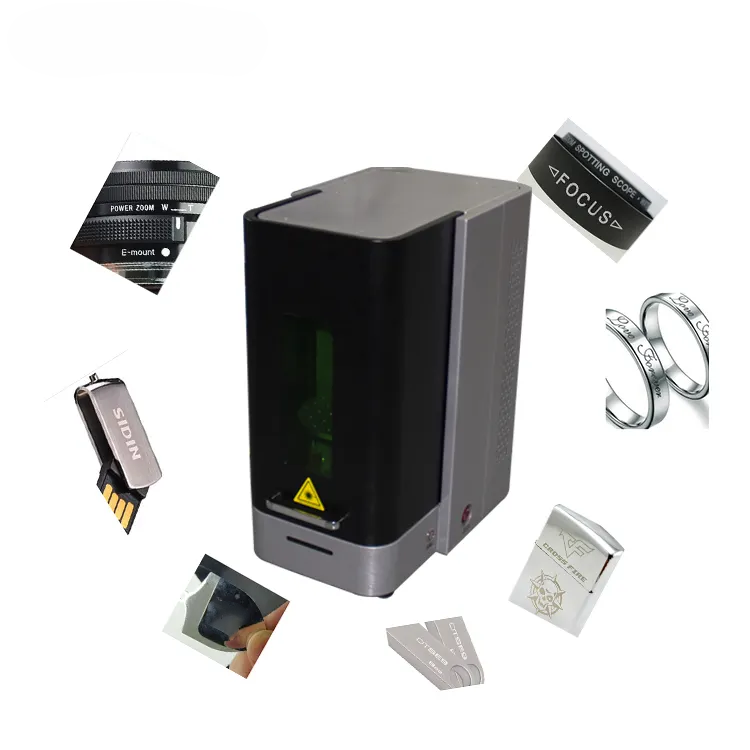
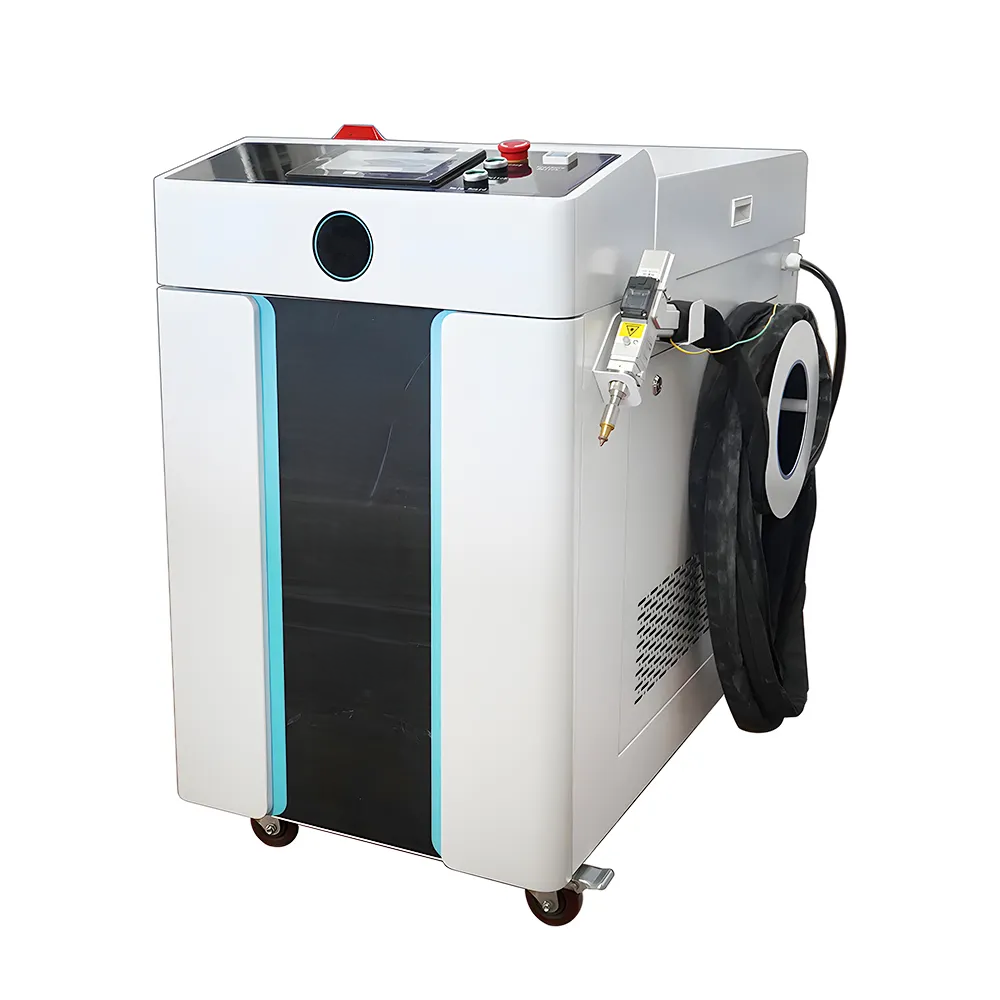
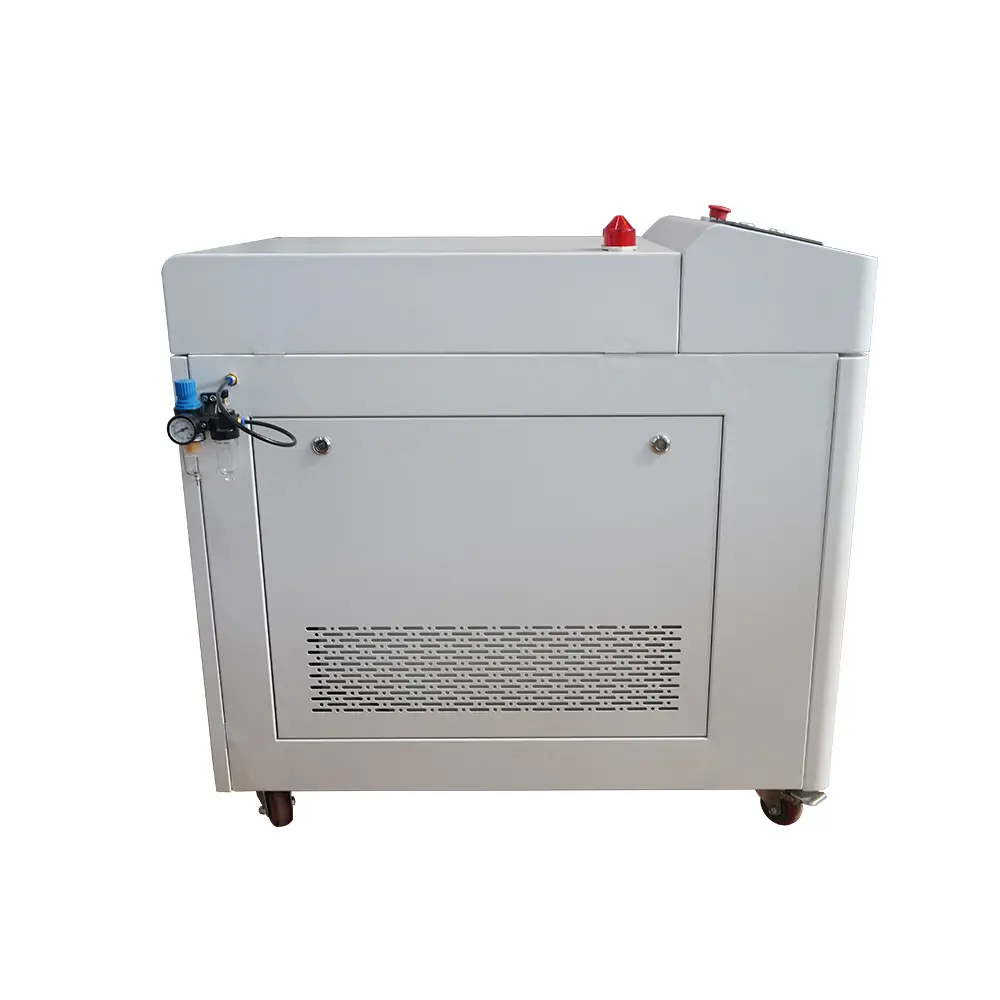
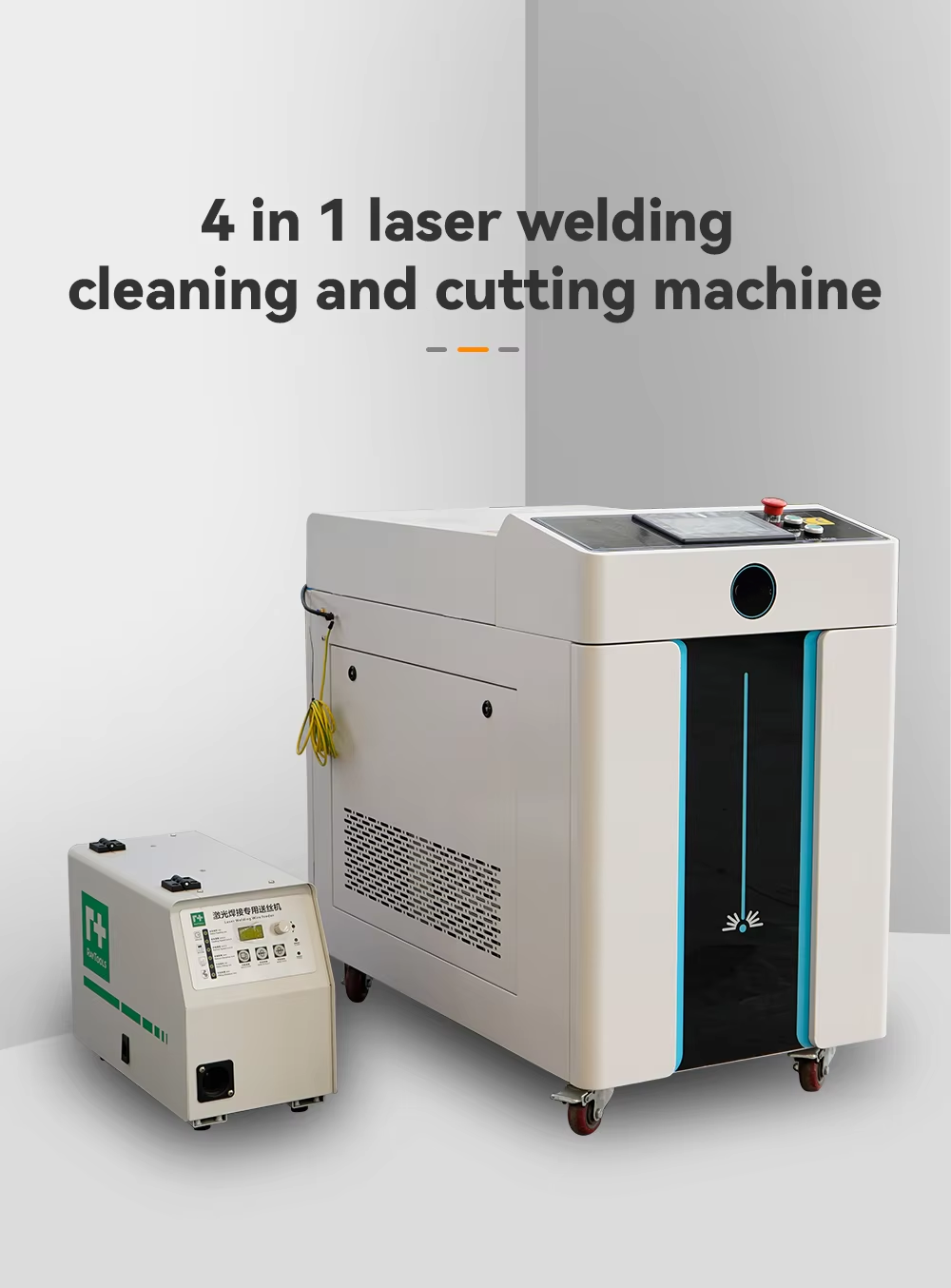
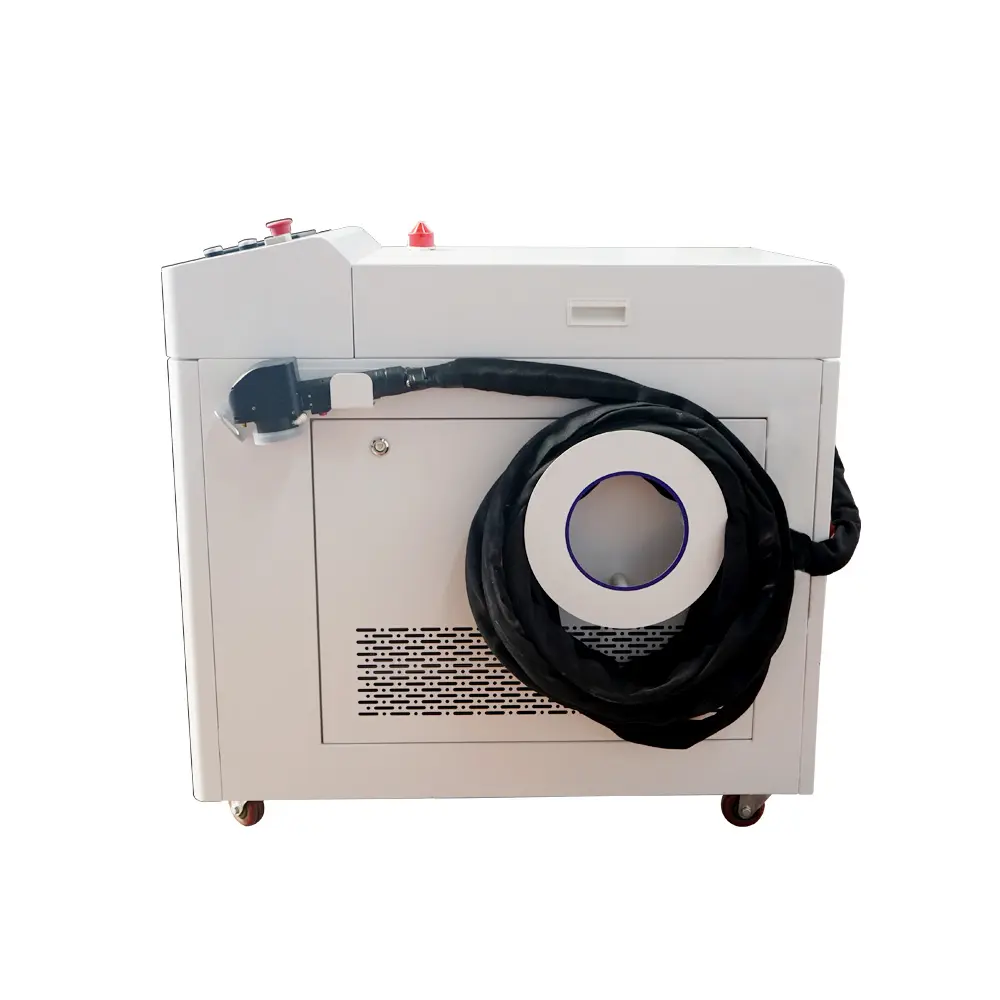
continuous wave fiber laser-0

Continuous Wave Fiber Laser Technology Solutions

Get a Free Quote

Our representative will contact you soon.
Email
Name
Company Name
Message
0/1000

continuous wave fiber laser

A continuous wave fiber laser is an advanced laser system that emits a steady, uninterrupted beam of light through optical fiber technology. Unlike pulsed lasers that release energy in short bursts, the continuous wave fiber laser maintains constant output power, making it ideal for applications requiring consistent energy delivery. This laser technology uses rare-earth-doped optical fibers as the gain medium, typically erbium, ytterbium, or thulium, which are pumped by diode lasers to generate the laser beam. The continuous wave fiber laser offers exceptional beam quality with near-diffraction-limited performance, enabling precise material processing and cutting operations. Its compact design integrates the laser source within flexible fiber optics, eliminating the need for complex mirror alignment systems found in traditional lasers. The technology features excellent thermal management due to the large surface-area-to-volume ratio of the fiber, allowing efficient heat dissipation during operation. Continuous wave fiber lasers are widely used in industrial manufacturing for metal cutting, welding, and surface treatment processes. They excel in medical applications including surgical procedures, dermatology treatments, and therapeutic interventions. The telecommunications industry relies on these lasers for signal transmission and amplification. Scientific research facilities utilize continuous wave fiber lasers for spectroscopy, microscopy, and precision measurement applications. The technology also serves defense sectors for range finding and targeting systems, while materials processing industries benefit from its capabilities in drilling, engraving, and marking operations across various substrates.

New Products

The continuous wave fiber laser delivers remarkable energy efficiency, converting electrical power to laser output at rates exceeding seventy percent, significantly reducing operational costs compared to conventional laser systems. This efficiency translates directly into lower electricity bills and reduced cooling requirements for your facility. The robust construction requires minimal maintenance since the sealed fiber design protects internal components from environmental contamination and mechanical stress. You will experience extended operational periods between service intervals, typically running thousands of hours without component replacement. The compact footprint saves valuable floor space in production environments, with most systems occupying a fraction of the area needed by traditional gas or crystal lasers. Installation becomes straightforward as the continuous wave fiber laser integrates seamlessly into existing manufacturing lines without extensive infrastructure modifications. The superior beam quality ensures consistent processing results with minimal material waste, improving your production yield and product quality. The technology adapts to diverse materials including metals, plastics, ceramics, and composites, providing versatility for multiple applications within a single investment. Rapid switching capabilities allow instant power adjustments, optimizing processing parameters for different tasks without equipment changes. The continuous wave fiber laser operates reliably across varying environmental conditions, maintaining stable performance despite temperature fluctuations or humidity changes. Remote operation and monitoring capabilities enable centralized control of multiple units, streamlining production management. The long operational lifespan, often exceeding ten years, ensures excellent return on investment while the modular design permits easy upgrades as your production requirements evolve. Safety features include integrated shielding and automated shutdown systems, protecting operators while maintaining compliance with international laser safety standards.

Tips And Tricks

What are the advantages of using a laser welding machine over traditional welding methods?

20

Apr

What are the advantages of using a laser welding machine over traditional welding methods?

Modern manufacturing processes continue to evolve with technological advancements, and welding technology stands at the forefront of this transformation. Among the most significant developments in recent years is the emergence of the laser welding ma...
View More
How does the maintenance of precision laser cutting machines impact their longevity and performance, and what are some tips for effective machine maintenance?

20

Apr

How does the maintenance of precision laser cutting machines impact their longevity and performance, and what are some tips for effective machine maintenance?

Precision laser cutting machines represent a significant investment for manufacturing facilities, and their proper maintenance directly correlates with operational efficiency, production quality, and equipment lifespan. These sophisticated systems re...
View More
How Laser Marking Works: Process & Benefits Explained

20

Apr

How Laser Marking Works: Process & Benefits Explained

The precise nature of modern manufacturing demands permanent identification solutions that maintain clarity, durability, and efficiency across diverse materials and applications. Laser marking has emerged as the definitive technology for creating hig...
View More
How Continuous Laser Cutting Transforms Manufacturing

20

May

How Continuous Laser Cutting Transforms Manufacturing

Modern manufacturing demands speed, precision, and consistency at a scale that traditional cutting methods simply cannot deliver. The emergence of continuous laser technology has fundamentally reshaped how fabricators, engineers, and production manag...
View More

Get a Free Quote

Our representative will contact you soon.
Email
Name
Company Name
Message
0/1000

continuous wave fiber laser

Unmatched Power Stability and Beam Consistency

Unmatched Power Stability and Beam Consistency

The continuous wave fiber laser maintains exceptional power stability throughout extended operation periods, delivering consistent beam characteristics that ensure uniform processing results. This stability stems from the inherent design of fiber-based gain media, which provides superior thermal management and reduces power fluctuations caused by temperature variations. The laser maintains output power within tight tolerances, typically below two percent deviation, enabling precise control over material interaction. This consistency proves critical in applications requiring exact penetration depths, such as medical procedures or precision welding operations. The beam profile remains Gaussian across the entire power range, ensuring predictable energy distribution at the focal point. Manufacturers benefit from reduced rejection rates as each processed part receives identical energy treatment. The continuous wave operation eliminates the thermal cycling associated with pulsed systems, extending component lifespan and reducing maintenance requirements. Quality control becomes simplified since process parameters remain stable across production runs, reducing the need for frequent recalibration. This reliability allows manufacturers to establish robust processing windows, improving production efficiency while maintaining stringent quality standards across diverse applications.
Superior Thermal Management and Operational Reliability

Superior Thermal Management and Operational Reliability

The continuous wave fiber laser incorporates advanced thermal management technology that enables sustained high-power operation without performance degradation. The fiber architecture provides an exceptional surface-area-to-volume ratio, facilitating efficient heat dissipation along the entire fiber length. This distributed cooling approach prevents localized hot spots that compromise beam quality in conventional laser systems. The technology operates reliably in ambient temperatures ranging from ten to forty degrees Celsius without external temperature control systems. Integrated monitoring systems track thermal conditions in real-time, automatically adjusting operation parameters to maintain optimal performance. The robust thermal design enables continuous operation for extended shifts without cool-down periods, maximizing production uptime. Manufacturing facilities benefit from predictable operational schedules without unexpected shutdowns caused by thermal overload. The continuous wave fiber laser withstands demanding industrial environments including those with dust, vibration, and electromagnetic interference. Component longevity increases substantially as thermal stress remains minimal throughout the operational cycle. This thermal stability translates into consistent processing quality, as beam characteristics remain unchanged regardless of duty cycle or ambient conditions, providing manufacturers with dependable performance for critical production applications.
Flexible Integration and Scalable Performance

Flexible Integration and Scalable Performance

The continuous wave fiber laser offers unparalleled integration flexibility, adapting seamlessly to diverse manufacturing environments and processing requirements. The fiber delivery system transmits the laser beam through flexible cables spanning tens of meters, enabling remote positioning of the laser source away from the processing area. This flexibility simplifies integration into robotic systems, gantry configurations, or confined spaces where traditional lasers cannot fit. The modular architecture allows power scaling from tens of watts to multiple kilowatts by simply upgrading the pump modules, protecting your initial investment as production demands increase. Multiple processing heads can operate simultaneously from a single laser source using beam splitting technology, multiplying throughput without proportional cost increases. The continuous wave fiber laser interfaces easily with existing control systems through standard industrial protocols, enabling coordinated operation with other manufacturing equipment. Software-controlled beam parameters permit rapid switching between applications, accommodating mixed production runs without manual reconfiguration. The technology supports both direct material processing and fiber-coupled delivery to specialized application heads, providing versatility for current needs while maintaining adaptability for future applications as your business evolves and diversifies.

Get a Free Quote

Our representative will contact you soon.
Email
Name
Company Name
Message
0/1000