 EN
EN
 AR
AR
 FR
FR
 DE
DE
 JA
JA
 KO
KO
 RU
RU
 ES
ES


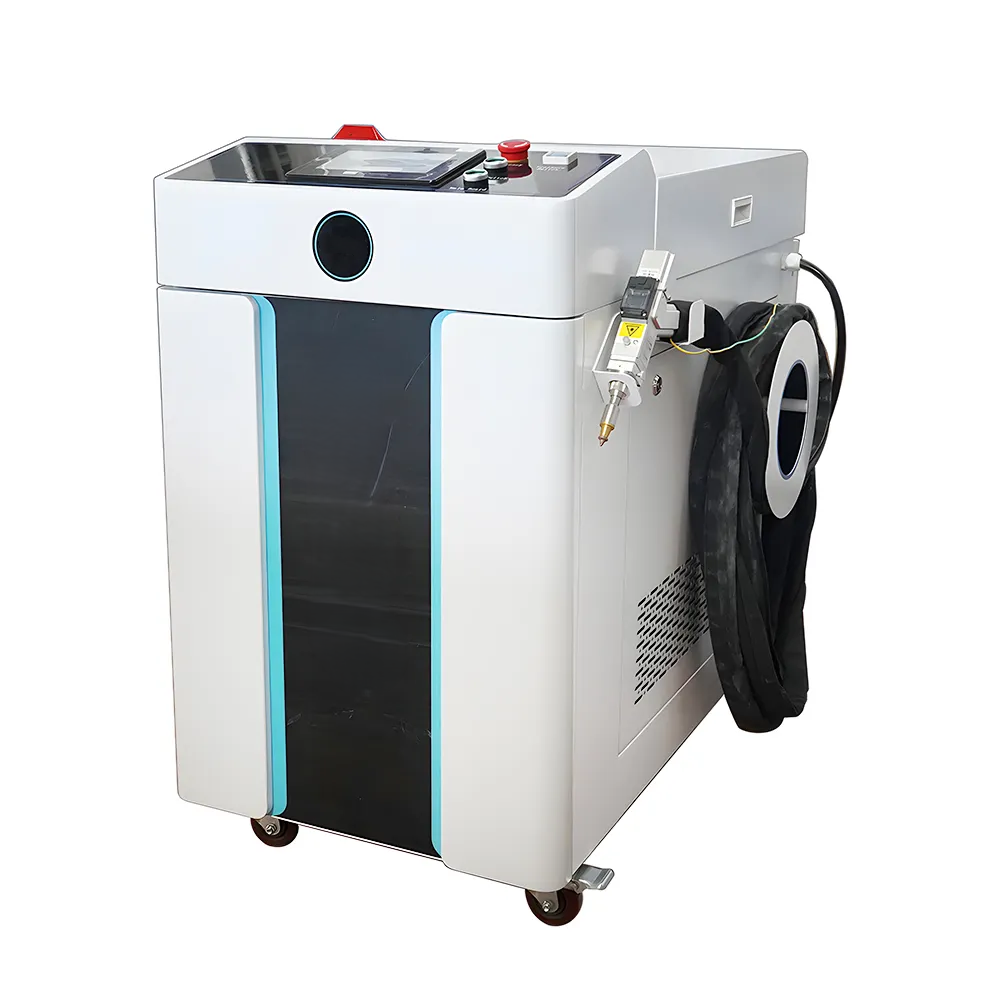
Modern manufacturing demands speed, precision, and consistency at a scale that traditional cutting methods simply cannot deliver. The emergence of continuous laser technology has fundamentally reshaped how fabricators, engineers, and production managers approach cutting workflows. Unlike pulsed or interrupted cutting systems, a continuous laser maintains a constant beam output, enabling uninterrupted motion paths, faster cycle times, and dramatically cleaner edge quality across a wide range of materials and thicknesses.
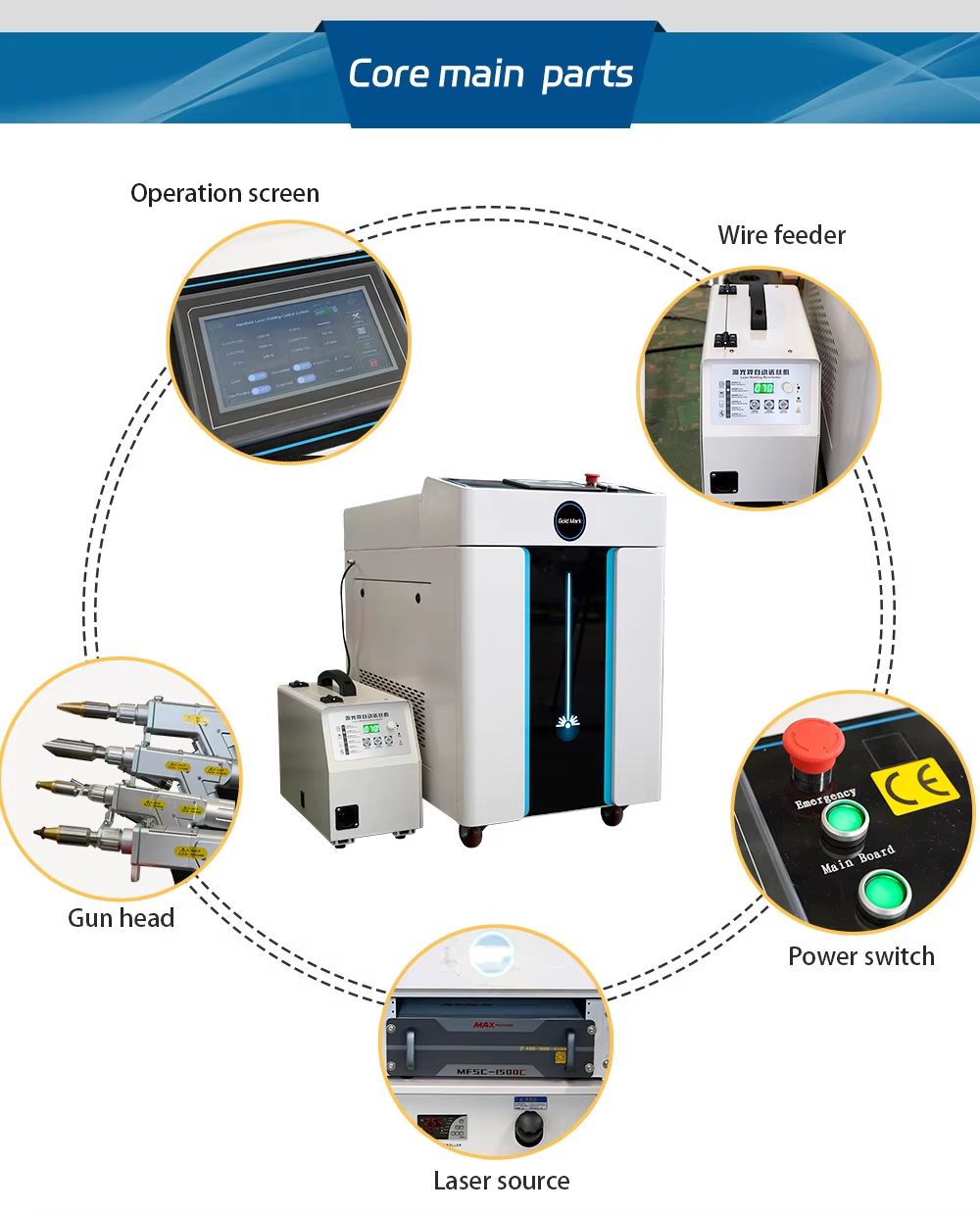
The transformation that continuous laser cutting brings to manufacturing is not merely incremental. It represents a paradigm shift in how cutting operations are designed, scheduled, and executed. From automotive body panels to precision electronic enclosures, the ability to deliver sustained, high-energy beam output without interruption translates directly into measurable gains in throughput, material yield, and operational cost reduction. Understanding how this technology works and why it matters is essential for any manufacturer looking to remain competitive in today's high-demand production environment.
The Core Mechanics of Continuous Laser Cutting
How a Continuous Beam Differs from Pulsed Operation
A continuous laser operates by generating a sustained, uninterrupted beam of coherent light at a constant power level. This is fundamentally different from pulsed laser systems, which emit energy in discrete bursts separated by brief off-periods. The distinction matters enormously in a manufacturing context because the cutting head can move without pausing, and the thermal energy delivered to the material remains consistent throughout the cut path.
When a continuous laser beam interacts with metal, the material melts and vaporizes along the kerf in a fluid, progressive manner. There is no recast buildup between pulses, no micro-porosity from repeated thermal cycling, and no striation patterns caused by beam interruption. The result is a cut edge that is smoother, more dimensionally accurate, and less prone to the micro-cracking that can compromise structural integrity in precision-engineered parts.
This sustained energy delivery also allows assist gases—typically nitrogen or oxygen—to work more effectively. Because the melt pool is continuously active, the gas jet can evacuate material consistently without the partial solidification events that occur between pulses. This makes continuous laser cutting particularly advantageous for stainless steel, aluminum, and mild steel applications where edge oxidation and dross formation must be minimized.
Power Density and the Role of Beam Quality
The effectiveness of a continuous laser cutting system depends heavily on beam quality, typically expressed as beam parameter product or M² value. A beam with high quality—close to diffraction-limited performance—can be focused to an extremely small spot diameter, concentrating power density to levels that enable rapid, clean material removal. High beam quality is a defining characteristic of fiber-based continuous laser sources, which have largely displaced CO₂ systems in many industrial applications.
Power density directly governs cutting speed and material thickness capability. A continuous laser with higher wattage and superior beam quality can cut thicker sections at the same speed, or thinner sections at dramatically higher feed rates. For manufacturers processing a mixed product portfolio, this flexibility is a significant competitive advantage because a single machine platform can address a wide range of job requirements without tool changes or setup reconfiguration.
Modern continuous laser cutting machines equipped with high-brightness fiber sources routinely achieve cutting speeds measured in tens of meters per minute on thin sheet metal. This level of throughput is simply unachievable with mechanical punching, plasma, or waterjet cutting, and it enables manufacturers to meet tight delivery windows without expanding their machine fleet or headcount.
Manufacturing Transformations Enabled by Continuous Laser Technology
Throughput and Cycle Time Reduction
One of the most immediate and quantifiable impacts of adopting continuous laser cutting is the reduction in cycle time per part. Because the beam never turns off between cut segments, the machine head can transition from one feature to the next without the dwell time associated with pulsed ignition sequences. For complex parts with many holes, slots, and contoured profiles, this translates into a significant reduction in total cutting time per sheet.
Manufacturers who switch from older cutting technologies to a continuous laser platform often report that their effective machine output doubles or triples without adding floor space or additional operators. This is because the technology compresses the time required for each operation while simultaneously reducing the frequency of defects that require rework or scrap. Fewer bad parts per shift means more sellable output from the same raw material input, which directly improves margin performance.
The speed advantage of continuous laser cutting also enables manufacturers to adopt just-in-time production models more effectively. When individual part cycle times are short, it becomes feasible to cut smaller batch sizes economically, reducing work-in-process inventory and the capital tied up in partially finished goods. This lean production benefit is often underappreciated but can represent substantial financial value over the course of a fiscal year.
Precision and Repeatability Across Production Runs
Precision in manufacturing is not just about achieving a tight tolerance on the first part—it is about maintaining that tolerance across thousands of consecutive parts. Continuous laser cutting excels in this regard because the process is thermally stable and mechanically consistent. There is no tool wear, no blade deflection, and no progressive degradation of cutting performance as production hours accumulate. Each part cut at the beginning of a shift is geometrically equivalent to each part cut at the end.
This inherent repeatability of continuous laser processing reduces the burden on quality inspection systems. When process capability is high and variation is predictable and well within tolerance bands, manufacturers can shift from 100% inspection to statistical sampling, freeing quality personnel for higher-value activities. In regulated industries such as aerospace or medical device manufacturing, this process stability also simplifies documentation and traceability requirements.
For manufacturers supplying assembly operations, the dimensional consistency delivered by continuous laser cutting eliminates fit-up problems downstream. Parts that arrive at welding or bending stations with accurate profiles and clean edges require less adjustment, reducing the skill burden on assemblers and shortening assembly cycle times. The cumulative effect across a production system can be measured in hours saved per week and significant reductions in labor cost per unit.
Material Versatility and Application Range
Metals and Alloys Suited to Continuous Laser Processing
A key reason why continuous laser cutting has become the dominant technology in sheet metal fabrication is its exceptional material versatility. Mild steel, stainless steel, aluminum, copper, brass, and titanium can all be processed effectively on a well-configured continuous laser cutting system. The primary variables that change between materials are power level, cutting speed, assist gas type and pressure, and focal position—all of which are managed through the machine's CNC controller.
Copper and brass present particular challenges for laser cutting because of their high reflectivity and thermal conductivity, but advances in continuous laser source technology—especially high-brightness fiber lasers operating at shorter wavelengths—have made these materials routinely processable. This has opened up new application areas in electronics manufacturing, heat exchanger production, and decorative architectural metalwork that were previously inaccessible to laser cutting.
Titanium, used extensively in aerospace and medical applications, responds extremely well to continuous laser cutting when processed with inert gas assistance. The cut edges are oxide-free, dimensionally accurate, and ready for subsequent welding or surface treatment without additional preparation. For manufacturers in these high-value sectors, the ability to cut titanium efficiently with a continuous laser platform represents a meaningful competitive differentiation.
Non-Metal and Composite Applications
While metal cutting dominates the industrial continuous laser market, the technology also finds important application in non-metal materials. Carbon fiber reinforced polymers, used in automotive and aerospace lightweighting programs, can be cut with minimal delamination and no mechanical contact forces using a continuous laser beam. This is significant because the brittle fiber reinforcement layers that fracture under mechanical cutting remain intact when processed thermally.
Ceramics and certain engineering plastics also benefit from continuous laser processing in specific power and speed combinations. The absence of mechanical tooling means there is no contamination from cutting fluid or tool wear particles, which is critical for cleanroom-compatible manufacturing environments. As advanced materials continue to proliferate in high-technology industries, the flexibility of the continuous laser platform will only become more strategically valuable.
Integration with Smart Manufacturing and Automation
Continuous Laser Cutting in Automated Production Lines
The compatibility of continuous laser cutting with automation systems is one of its most strategically important characteristics. Modern laser cutting machines are designed with standardized interfaces for robotic material handling, automated sheet loading and unloading, and real-time integration with manufacturing execution systems. This means a continuous laser cutting cell can be embedded within a lights-out production environment with minimal human intervention required during normal operation.
Automated nesting software works seamlessly with continuous laser cutting systems to maximize material utilization. By algorithmically arranging part profiles on each sheet, waste material is minimized while cutting paths are optimized for speed and thermal balance. The result is a measurable improvement in material yield—sometimes exceeding five to ten percent compared to manual nesting—which compounds into significant cost savings across high-volume production programs.
For manufacturers pursuing Industry 4.0 objectives, the continuous laser cutting machine serves as a natural integration node. Machine data including power consumption, cutting speed, head position, and alarm history can be streamed to analytics platforms in real time, enabling predictive maintenance scheduling and process optimization based on actual production data rather than fixed service intervals.
Process Monitoring and Adaptive Control
Advanced continuous laser cutting systems incorporate inline process monitoring capabilities that further enhance manufacturing quality. Photodiode sensors and high-speed cameras positioned near the cutting head can detect changes in the melt pool, identify material inconsistencies, and flag potential cut quality deviations before they become rejected parts. This real-time feedback loop transforms the continuous laser cutter from a passive tool into an active quality management system.
Adaptive control algorithms can automatically adjust cutting parameters in response to monitoring data, compensating for sheet thickness variation, surface contamination, or thermal drift in the workpiece. For manufacturers processing materials with tight dimensional tolerances or variable incoming quality, this capability reduces the dependency on operator skill and judgment, making production outcomes more predictable and consistent across all shifts and operators.
The combination of process monitoring and adaptive control makes the continuous laser platform particularly well-suited for high-mix, low-volume production environments where each batch may involve different materials, thicknesses, and part geometries. The machine intelligence handles the complexity of parameter management, allowing operators to focus on material flow, scheduling, and value-added activities rather than manual process adjustment.
Economic Impact and Long-Term Operational Value
Total Cost of Ownership Considerations
Evaluating the economic impact of adopting continuous laser cutting technology requires a total cost of ownership perspective rather than a simple capital expenditure comparison. While the initial investment in a high-quality continuous laser cutting system is substantial, the operating cost per part is typically lower than competing technologies when all direct and indirect cost factors are accounted for. Lower scrap rates, reduced rework labor, elimination of tooling costs, and higher throughput per operator hour all contribute to a favorable unit economics profile.
Maintenance costs for continuous laser fiber systems are notably lower than for CO₂ laser systems or mechanical cutting equipment. Fiber laser sources have no consumable optical components in the beam path, no gas mixing systems to maintain, and solid-state architectures that are inherently more reliable than discharge-tube designs. Scheduled maintenance intervals are longer, and unplanned downtime events are less frequent, which improves machine availability and reduces the cost of production disruption.
Energy efficiency is another economic dimension where continuous laser fiber technology demonstrates clear advantages. The wall-plug efficiency of fiber laser sources is significantly higher than CO₂ equivalents, meaning more of the input electrical power is converted to useful cutting beam output. In a high-volume production environment operating across multiple shifts, this energy efficiency difference translates into meaningful reductions in utility costs that compound over the equipment lifetime.
Competitive Positioning and Market Responsiveness
Beyond direct cost metrics, the adoption of continuous laser cutting technology strengthens a manufacturer's competitive positioning in ways that are difficult to quantify but strategically significant. The ability to offer faster lead times, tighter tolerances, and a broader material capability range allows manufacturers to pursue contracts that competitors with older technology cannot credibly bid on. This expands the addressable market and reduces the vulnerability of the business to commodity pricing pressure.
Customers in demanding sectors such as medical devices, precision electronics, and aerospace components specifically seek out suppliers who can demonstrate continuous laser cutting capability because they understand the quality and traceability benefits it delivers. Building this capability into the manufacturing operation creates a durable competitive moat that is difficult for competitors to replicate quickly, particularly if they are constrained by capital availability or risk aversion.
The market responsiveness enabled by continuous laser cutting—shorter setup times, faster cutting cycles, lower minimum viable batch sizes—also positions manufacturers to capitalize on urgent orders and spot business that commands premium pricing. In an environment where supply chain disruptions frequently create short-notice demand spikes, the manufacturer with the most agile continuous laser production capability is consistently well-positioned to capture that premium revenue.
FAQ
What materials can a continuous laser cutting system process effectively?
A continuous laser cutting system can process a wide range of materials including mild steel, stainless steel, aluminum, copper, brass, titanium, and various engineering polymers and composites. The specific parameters such as power level, cutting speed, and assist gas are adjusted based on the material type and thickness. Modern high-brightness fiber-based continuous laser sources have significantly expanded the range of reflective and high-conductivity materials that can be cut reliably compared to earlier CO₂ laser technology.
How does continuous laser cutting improve part quality compared to other cutting methods?
Continuous laser cutting delivers superior part quality through its non-contact nature, the precision of the focused beam, and the thermal consistency of the sustained cutting process. There is no mechanical force applied to the workpiece, eliminating distortion from clamping or blade pressure. The narrow kerf and consistent melt pool dynamics produce cut edges with minimal burr, low surface roughness, and tight dimensional accuracy. This high edge quality often reduces or eliminates secondary finishing operations, which lowers overall production cost.
Is continuous laser cutting suitable for high-mix, low-volume production environments?
Yes, continuous laser cutting is exceptionally well-suited for high-mix, low-volume production. Because part programs are stored and recalled digitally with no physical tooling required, changeover between different part designs takes minutes rather than hours. The process flexibility across material types and thicknesses means a single continuous laser cutting machine can handle the full diversity of a complex product portfolio. Automated nesting software further optimizes material usage even when batch sizes are small, keeping per-part costs competitive.
What role does continuous laser cutting play in smart factory or Industry 4.0 implementations?
Continuous laser cutting machines are natural integration points in smart factory architectures. They generate rich operational data—including cutting speed, power output, alarm history, and material consumption—that can be fed into manufacturing execution systems and analytics platforms. This data supports predictive maintenance, process optimization, and real-time production monitoring. The compatibility of continuous laser cutting systems with robotic material handling and automated scheduling tools makes them foundational assets in lights-out and highly automated production environments.
Table of Contents
- The Core Mechanics of Continuous Laser Cutting
- Manufacturing Transformations Enabled by Continuous Laser Technology
- Material Versatility and Application Range
- Integration with Smart Manufacturing and Automation
- Economic Impact and Long-Term Operational Value
-
FAQ
- What materials can a continuous laser cutting system process effectively?
- How does continuous laser cutting improve part quality compared to other cutting methods?
- Is continuous laser cutting suitable for high-mix, low-volume production environments?
- What role does continuous laser cutting play in smart factory or Industry 4.0 implementations?