 EN
EN
 AR
AR
 FR
FR
 DE
DE
 JA
JA
 KO
KO
 RU
RU
 ES
ES


The field of diamond drilling has undergone a remarkable transformation over the past two decades, driven by advances in abrasive technology, machine precision, and digital process control. From construction and geotechnical investigation to semiconductor fabrication and aerospace component manufacturing, diamond drilling is now a cornerstone technique wherever hard, brittle, or composite materials need to be penetrated with accuracy and minimal structural damage. Understanding the full landscape of tools and technology available in this space is essential for engineers, procurement managers, and operations teams who want to make informed investment decisions.
This review examines the core equipment categories, critical tool specifications, evolving machine technologies, and practical selection criteria that define modern diamond drilling operations. Whether you are evaluating conventional rotary systems, ultrasonic-assisted platforms, or laser-enhanced alternatives, this guide delivers a structured and technically grounded assessment of every major dimension in the diamond drilling ecosystem. The goal is not merely to describe tools, but to help you evaluate them against real operational demands.
The Fundamentals of Diamond Drilling Technology
What Makes Diamond Drilling Distinct
Diamond drilling distinguishes itself from conventional mechanical drilling through the use of industrial-grade diamond abrasives bonded to drill bits, core barrels, or wire segments. Because diamond is the hardest naturally occurring material, diamond drilling tools can penetrate granite, reinforced concrete, ceramic, glass, silicon wafers, and composite laminates without generating the kind of fracturing or spalling that conventional carbide tools would cause. This capability is not just a performance advantage — it is often a structural necessity in applications where surrounding material integrity must be preserved.
The abrasive action in diamond drilling is fundamentally different from cutting. Rather than shearing material away, diamond grains grind through the workpiece on a micro-scale, displacing small chips of material in a controlled, progressive manner. This produces smoother bore walls, tighter tolerances, and significantly less heat buildup when proper cooling is applied. For industrial buyers, this translates to fewer secondary finishing operations, lower scrap rates, and longer tool life compared with alternative hard-material drilling methods.
What further differentiates diamond drilling in a professional context is the engineering that goes into the bond matrix holding the diamonds in place. Sintered metal bonds, resin bonds, and electroplated coatings each offer distinct performance profiles in terms of diamond exposure, bond wear rate, and suitability for wet versus dry operation. Selecting the right bond type is as strategically important as selecting the right machine platform.
Core Equipment Categories in Diamond Drilling
Diamond drilling equipment spans a broad spectrum from handheld rig-mounted units used in civil construction to precision CNC platforms deployed in electronics manufacturing. At the heavy-duty end, core drilling rigs are used for geological exploration, water well drilling, and foundation investigation. These systems operate at lower rotational speeds but apply significant thrust force, using hollow diamond core bits to extract intact cylindrical rock samples for analysis.
In lighter industrial and manufacturing environments, diamond drilling is performed using bench-top or gantry-mounted CNC drilling centers equipped with diamond-tipped spindles, ultrasonic actuators, or laser-assisted heads. These machines prioritize positional accuracy, hole diameter consistency, and cycle time reduction. The equipment used at this level integrates motion control, real-time feedback sensors, and programmable drilling parameters to support high-throughput production environments.
Between these two poles sits a diverse mid-range category including handheld diamond drilling units, track-mounted wall and slab drills, and semi-automated benchtop systems used in stone processing, ceramics, and specialty glass fabrication. Each category demands a different balance of power, precision, coolant management, and operator skill, which is why a thorough equipment review must address each tier on its own terms.
Diamond Drilling Tool Design and Specifications
Bit Construction and Diamond Grade Selection
The performance of any diamond drilling operation begins with the bit. Industrial diamond bits are manufactured using natural or synthetic diamonds in a range of grit sizes, concentration levels, and bond formulations. Synthetic diamonds dominate the professional market due to their consistent geometry, controlled friability, and predictable wear behavior — properties that natural diamonds cannot reliably provide at industrial scale.
Diamond concentration in the bit matrix is typically expressed as a percentage of the theoretical maximum packing density. Higher concentrations provide more cutting points per unit area, which improves lifespan in highly abrasive formations but can reduce cutting aggression in softer or more ductile materials. Lower concentrations expose individual diamonds more prominently, creating a faster cutting action that is better suited for dense, hard ceramics and reinforced concrete encountered in construction-grade diamond drilling applications.
The bit's segment geometry — including segment height, width, kerf, and face profile — also plays a decisive role in determining penetration rate, chip clearance, and thermal management. Crown segments on core bits are often shaped with gullets or water channels to facilitate coolant flow and debris evacuation, which directly affects how aggressively the diamond drilling system can operate before thermal degradation begins to compromise the bond matrix or the integrity of the surrounding material.
Coolant Systems and Thermal Management
Thermal management is one of the most critical and frequently underestimated dimensions of diamond drilling. When diamond abrasives generate friction against a hard substrate, heat accumulates rapidly at the cutting interface. Without adequate cooling, this heat can soften the bond matrix, cause premature diamond pull-out, and induce thermal cracking in heat-sensitive workpieces such as glass, silicon, or fine ceramics. This is why nearly every professional diamond drilling setup incorporates a dedicated coolant delivery system.
Water is the most widely used coolant in construction and geological diamond drilling, delivered either through the center of the drill string or flooded around the bit from external nozzles. In precision manufacturing environments, diamond drilling often uses specialized cutting fluids formulated to provide lubrication, chip flushing, and thermal stability simultaneously. The flow rate, pressure, and delivery angle of the coolant must be calibrated to the specific bit diameter, material hardness, and feed rate to achieve consistent results.
Dry diamond drilling has become feasible in certain applications through the use of vacuum-brazed or electroplated bits with aggressive chip-clearing geometries, combined with pulsed drilling cycles that allow the tool to dissipate heat between passes. However, dry diamond drilling imposes strict limits on feed force and rotational speed, and is generally reserved for thin-section materials or situations where water contamination is unacceptable, such as electrical panel work or indoor renovation drilling.
Advanced Machine Platforms for Diamond Drilling
CNC-Integrated Diamond Drilling Systems
Modern CNC machining centers have become the dominant platform for precision diamond drilling in manufacturing environments. These systems combine multi-axis motion control with programmable spindle speed, feed rate, peck drilling cycles, and in-process measurement to deliver repeatable hole quality across large production batches. The integration of probing systems and laser measurement tools allows operators to compensate for tool wear in real time, maintaining dimensional accuracy without manual intervention.
CNC platforms designed specifically for diamond drilling in hard and brittle materials often feature reinforced spindle bearings to handle the radial loads generated by abrasive tools, as well as vibration-dampening structures that reduce micro-chipping at hole entry and exit points. These machines also support ultrasonic spindle attachments, which superimpose high-frequency axial vibration on the standard rotary drilling motion, significantly reducing cutting forces and improving hole quality in advanced ceramics, sapphire, and optical glass used in high-precision industries.
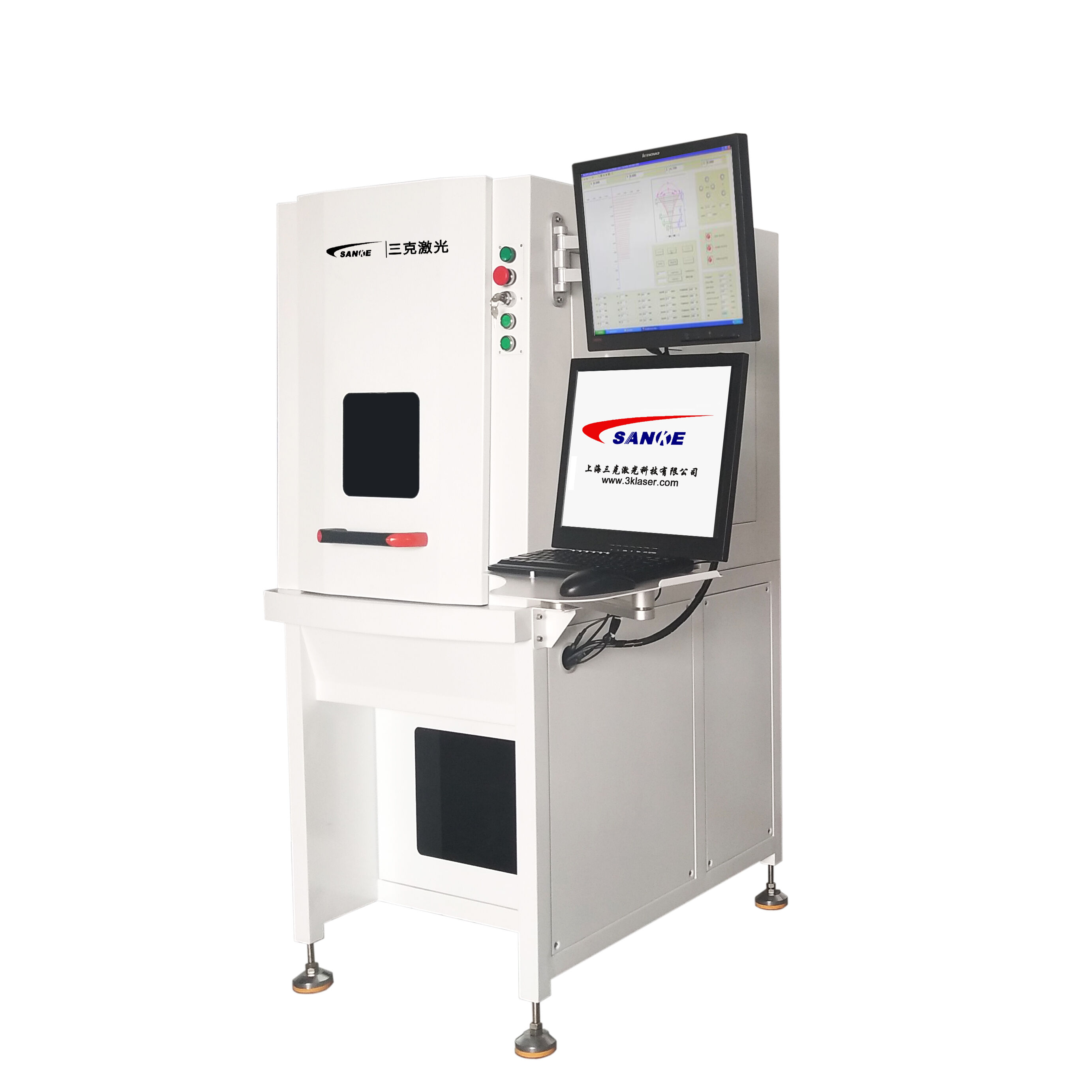
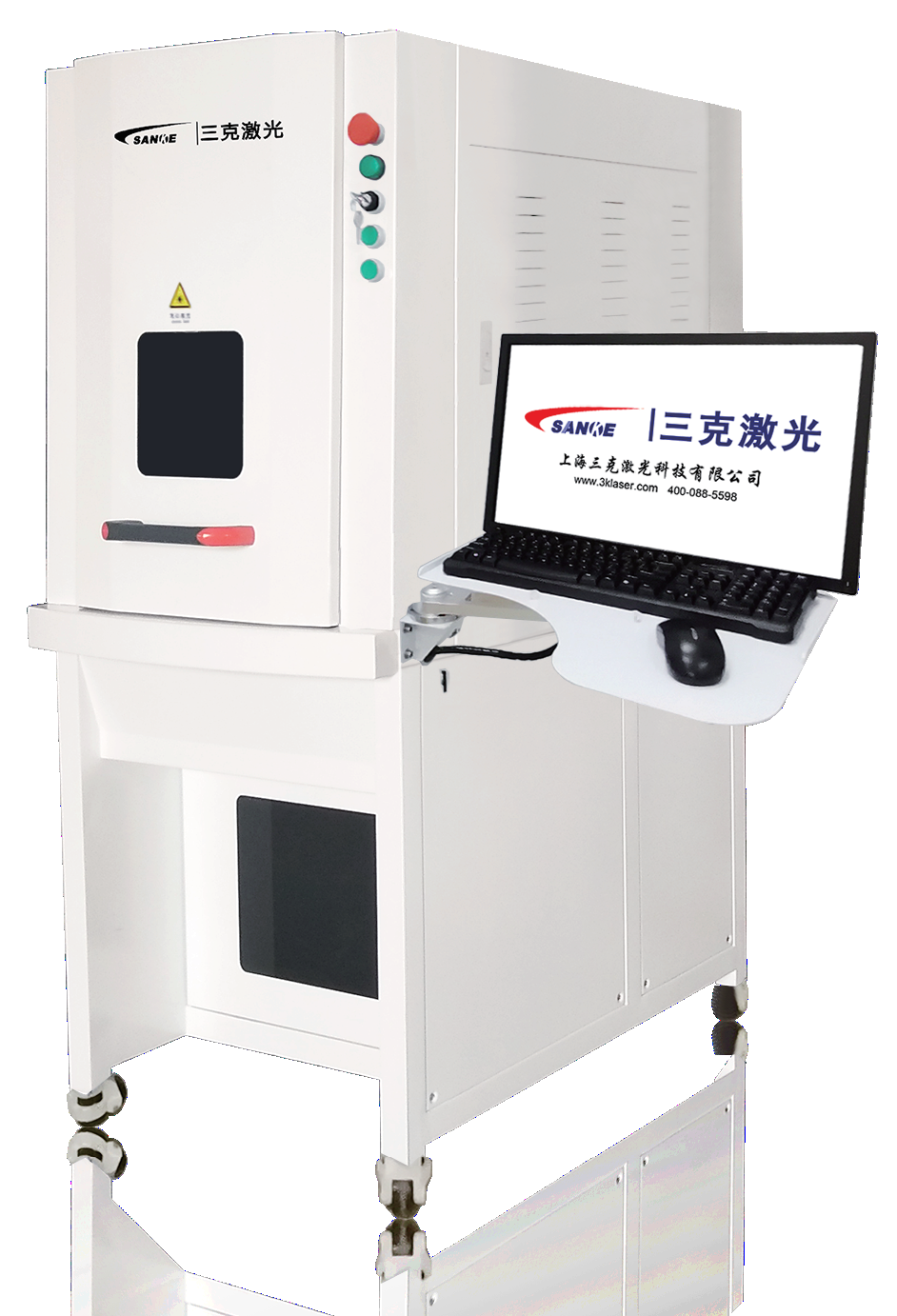
For manufacturers exploring the frontier beyond rotary abrasive methods, laser-based precision drilling systems represent a compelling alternative or complement to conventional diamond drilling. diamond drilling applications that require extremely small hole diameters, non-contact processing, or materials that are too brittle even for diamond abrasive contact can benefit significantly from fiber laser drilling technology, which delivers focused thermal energy with micron-level positional accuracy and no physical tool wear.
Ultrasonic-Assisted and Hybrid Diamond Drilling
Ultrasonic-assisted diamond drilling is an increasingly adopted technique that addresses one of the fundamental challenges of conventional rotary drilling in brittle materials: the generation of lateral fractures and subsurface damage during the abrasive contact cycle. By superimposing ultrasonic vibrations — typically in the range of 20 to 40 kHz — onto the axial movement of the drill, the tool periodically loses contact with the workpiece surface, allowing chips to be flushed away and reducing the average cutting force by up to 30 to 50 percent depending on the material.
This reduction in cutting force directly translates to less workpiece cracking, smaller entry and exit burrs, and significantly longer tool life in high-value diamond drilling applications involving advanced ceramics, single-crystal materials, and fiber-reinforced composites. Ultrasonic systems can be retrofitted to existing CNC platforms via specialized spindle units, making them a scalable upgrade path for manufacturers who already have CNC infrastructure but want to expand their diamond drilling capability into more challenging material categories.
Hybrid approaches that combine ultrasonic assistance with optimized coolant delivery and adaptive feed control represent the current state of the art in precision diamond drilling for electronics and optoelectronics manufacturing. These systems use closed-loop force and vibration monitoring to dynamically adjust process parameters, ensuring consistent hole quality even when working with batches of material that exhibit slight property variations — a common challenge in natural stone processing and batch-produced technical ceramics.
Selection Criteria for Diamond Drilling Equipment
Matching Equipment to Material and Application
Choosing the right diamond drilling platform requires a systematic evaluation that begins with the material being drilled. Hardness, brittleness, thermal sensitivity, required hole geometry, and acceptable surface finish all influence which combination of machine type, bit specification, and process parameters will yield acceptable results at a commercially viable cost per hole. A system optimized for geological core sampling, for instance, will perform poorly if deployed for precision microhole drilling in optical components.
For construction and civil engineering diamond drilling, the primary selection factors are thrust capacity, spindle torque, rig stability, and mobility. These applications demand equipment that can sustain prolonged high-force operation in field conditions, often in awkward positions and with variable access to water supply. Robustness, ease of setup, and the availability of a broad range of core bit diameters are more important in this context than micron-level positional accuracy.
In precision manufacturing, the selection logic reverses. Here, spindle runout, machine rigidity, programmability, and integration with quality management systems become the dominant criteria. Diamond drilling at this level is evaluated on hole diameter tolerance, cylindricity, surface roughness, and subsurface damage depth — metrics that are largely irrelevant in construction but define whether a batch of components passes or fails quality inspection in aerospace, semiconductor, or medical device production.
Total Cost of Ownership Considerations
Equipment acquisition cost is rarely the most important financial variable in diamond drilling decisions. Tool consumption, machine downtime, coolant management, operator training, and maintenance costs often dwarf the initial capital outlay over the lifetime of a system. A diamond drilling platform that costs more upfront but delivers twice the tool life per hole, faster cycle times, and minimal setup change-overs will frequently outperform a lower-cost alternative on a total cost per part basis.
Tool life in diamond drilling is directly influenced by whether the machine can maintain optimal operating conditions — correct speed, feed, and coolant flow — consistently across production runs. Machines with adaptive process control that adjusts parameters in response to changing material resistance or tool wear will generally produce lower consumable costs and less scrap than those relying on fixed program parameters. This capability justifies the premium cost of high-end CNC diamond drilling platforms in high-volume manufacturing contexts.
Maintenance planning is another underappreciated element of the total cost equation. Diamond drilling equipment that processes abrasive slurries — especially in wet core drilling applications — subjects spindle seals, bearings, and coolant pumps to accelerated wear. Selecting equipment from suppliers that offer comprehensive service contracts, rapid spare parts supply, and remote diagnostics capability can substantially reduce unplanned downtime costs, which in busy production environments can quickly exceed the cost of the equipment itself.
FAQ
What materials are best suited for diamond drilling?
Diamond drilling is most effective on hard, brittle, or abrasion-resistant materials including granite, marble, reinforced concrete, glass, ceramics, silicon, sapphire, and carbon fiber composites. The technique is specifically chosen when softer drilling methods would cause fracturing, excessive heat, or unacceptable hole quality. The exact bit specification and machine parameters must be matched to each material's hardness, thermal sensitivity, and required hole quality standard.
How does diamond drilling differ from conventional carbide drilling?
Conventional carbide drilling uses a cutting edge that shears material mechanically, which works well for metals and softer plastics but causes cracking and tool failure in hard brittle materials. Diamond drilling, by contrast, abrades material progressively through thousands of micro-scale cutting events per revolution, generating much lower localized stress on the workpiece. This makes diamond drilling the preferred choice for materials where fracture toughness is low and dimensional precision is essential.
Is dry diamond drilling viable for professional applications?
Dry diamond drilling is viable in specific scenarios, particularly for thin or less heat-sensitive materials, indoor electrical work, or situations where water contamination is prohibited. Vacuum-brazed and electroplated bits with optimized segment geometry support dry operation better than sintered metal bond bits. However, dry diamond drilling generally imposes stricter limits on drilling speed and feed force, and produces shorter bit life than equivalent wet drilling operations. Wet drilling remains the standard for demanding or high-volume diamond drilling applications.
What role does ultrasonic assistance play in advanced diamond drilling?
Ultrasonic assistance in diamond drilling superimposes high-frequency axial vibration on the standard rotary drilling motion, periodically breaking contact between the tool and workpiece. This reduces average cutting force, improves chip evacuation, minimizes subsurface damage in brittle materials, and extends tool life. It is particularly valuable for precision diamond drilling in advanced ceramics, optical components, and composite laminates where conventional rotary-only methods would cause unacceptable surface or structural damage.