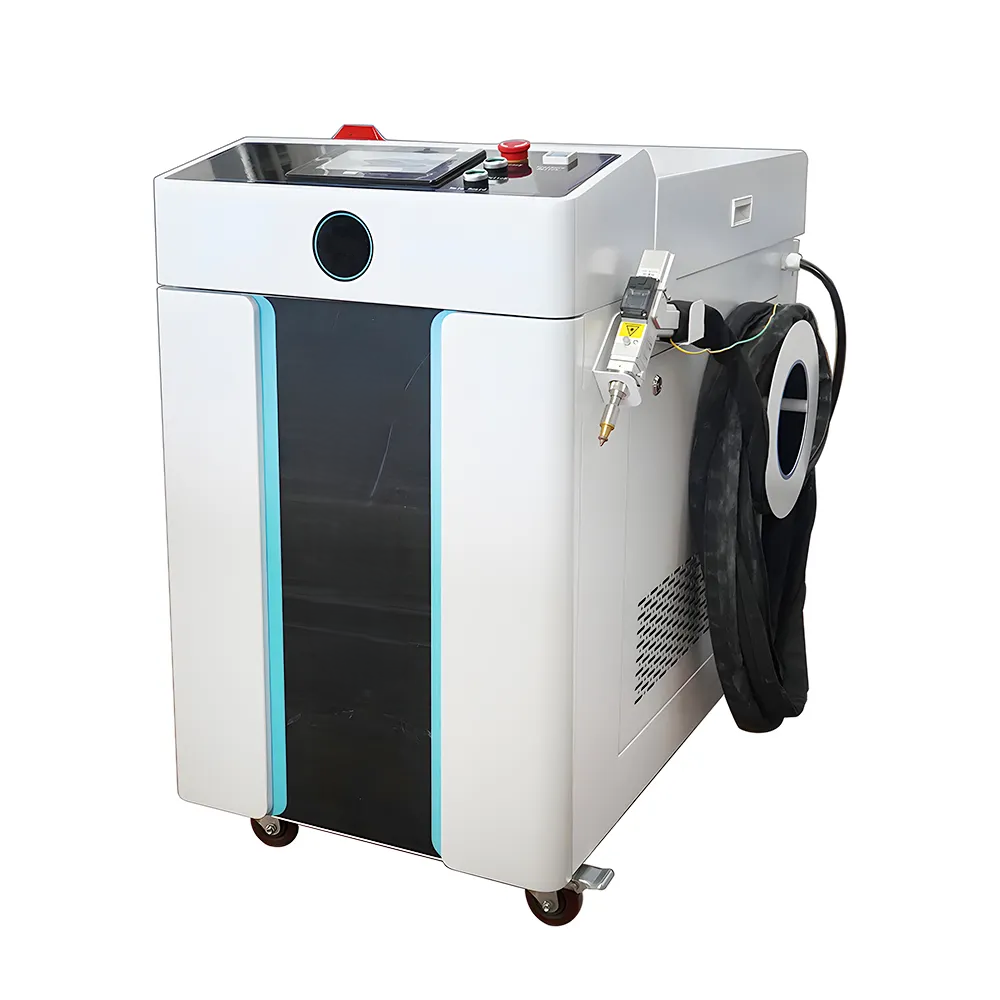
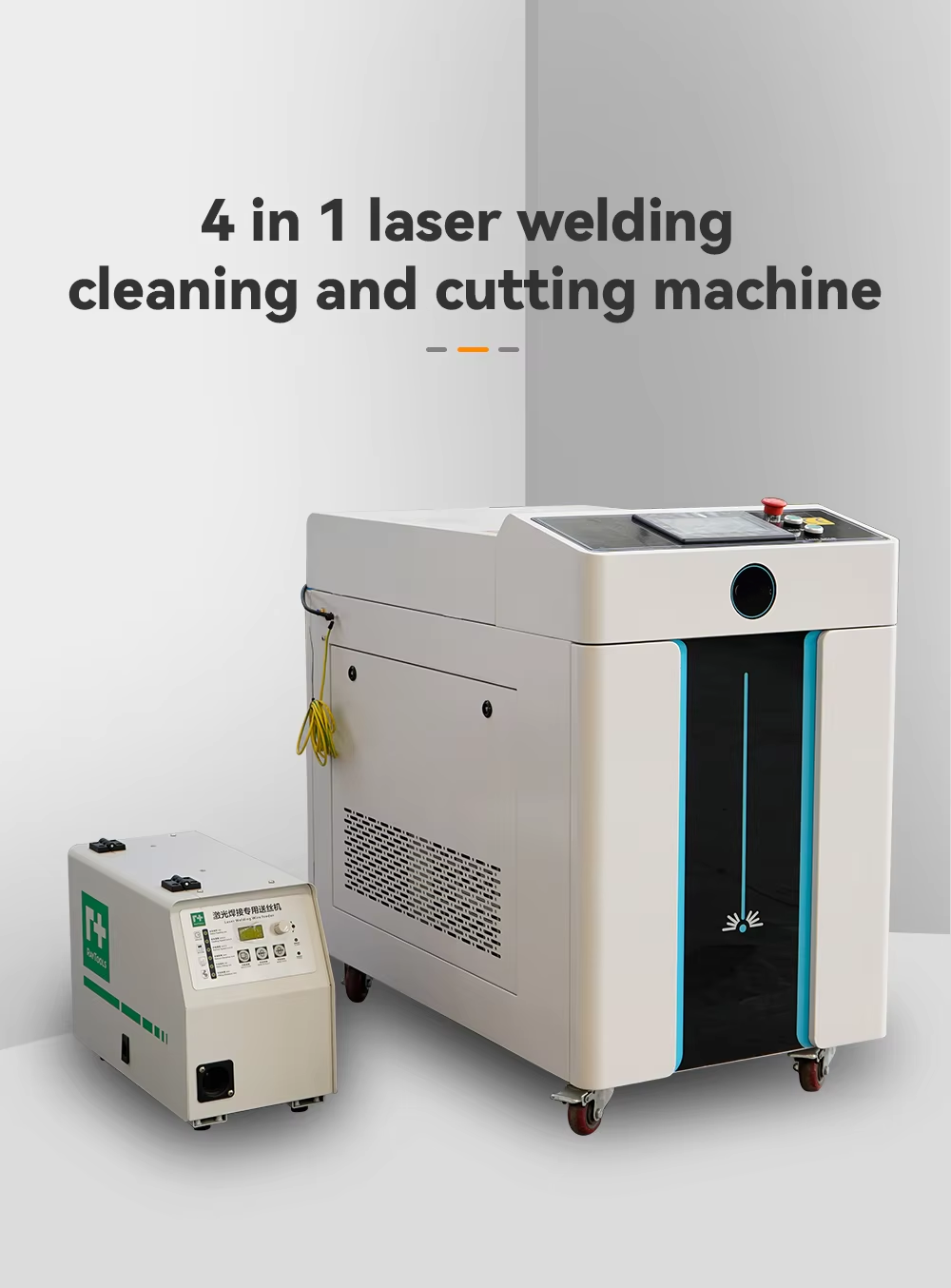
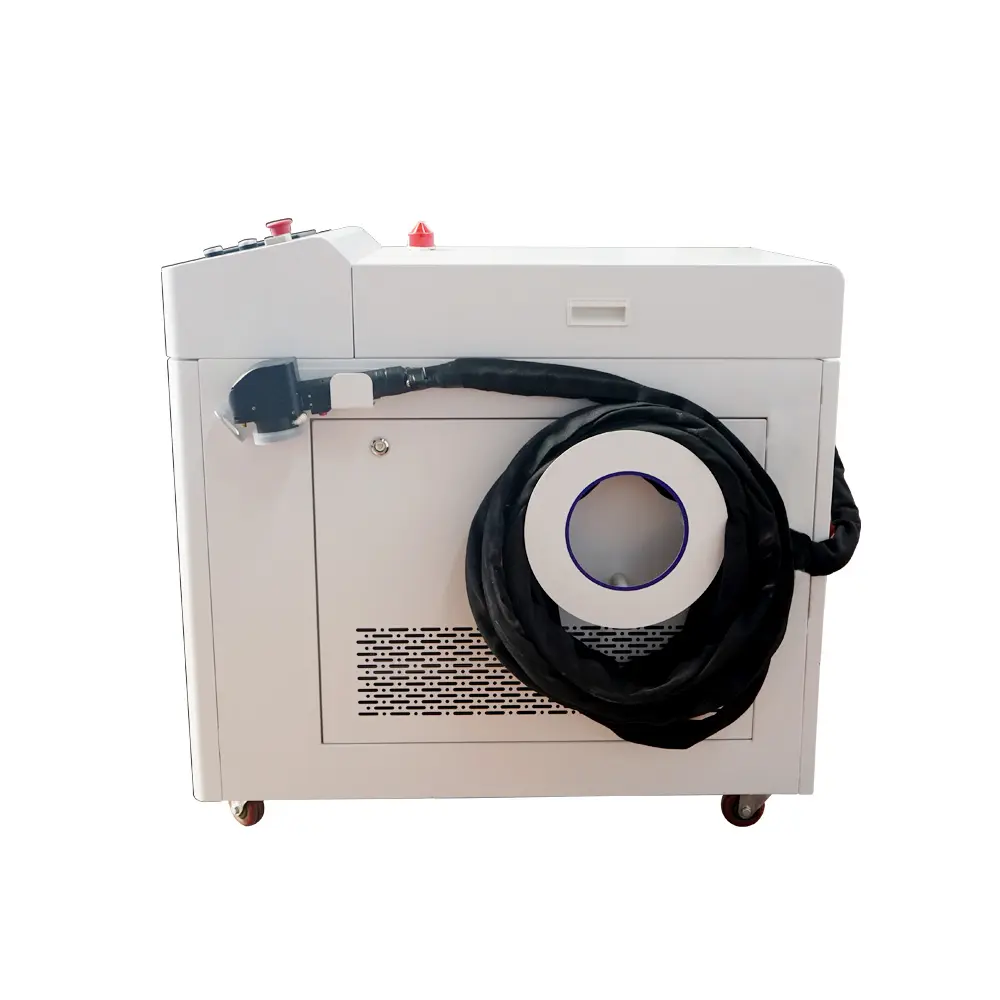
continuous laser
A continuous laser is an advanced optical device that emits a constant, uninterrupted beam of coherent light for extended periods. Unlike pulsed lasers that release energy in short bursts, the continuous laser maintains steady output power, making it ideal for applications requiring prolonged exposure and consistent energy delivery. This technology operates by continuously pumping energy into the laser medium, creating a stable population inversion that generates a steady stream of photons. The continuous laser serves multiple functions across industrial, medical, and scientific fields. In manufacturing, it excels at cutting, welding, and surface treatment of various materials. Medical professionals rely on continuous laser systems for precision surgical procedures, dermatological treatments, and therapeutic applications. Research laboratories utilize these devices for spectroscopy, optical communication, and fundamental physics experiments. The technological features of a continuous laser include exceptional beam quality, precise wavelength control, and adjustable power output. Modern systems incorporate sophisticated cooling mechanisms to maintain optimal operating temperatures during extended use. Advanced control systems enable operators to fine-tune parameters such as intensity, focus, and beam diameter. The continuous laser delivers superior performance in applications demanding stable, long-duration exposure. Its ability to maintain consistent power output ensures uniform results in material processing and medical treatments, making it an indispensable tool for professionals seeking reliability and precision in their operations.
 EN
EN
 AR
AR
 FR
FR
 DE
DE
 JA
JA
 KO
KO
 RU
RU
 ES
ES