handheld laser cutting machine
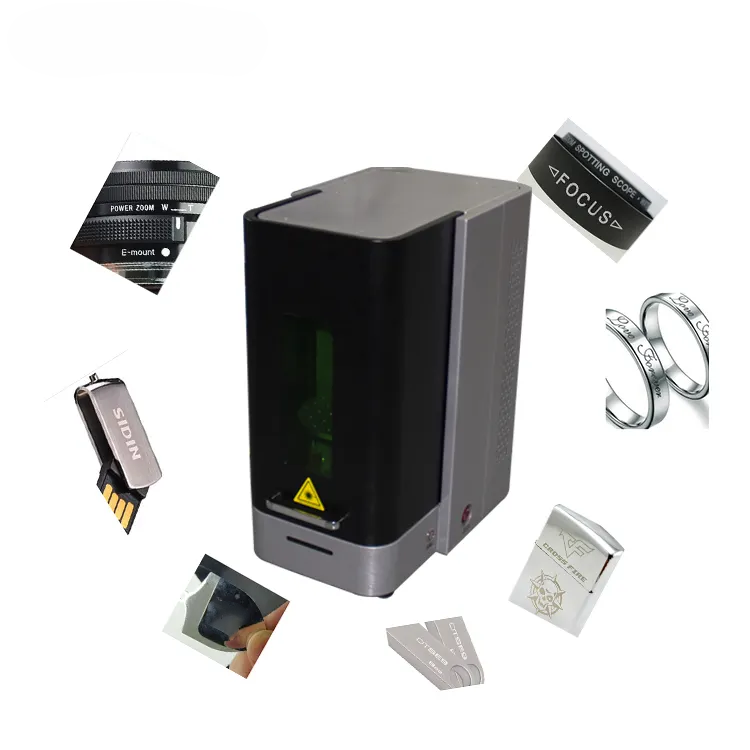
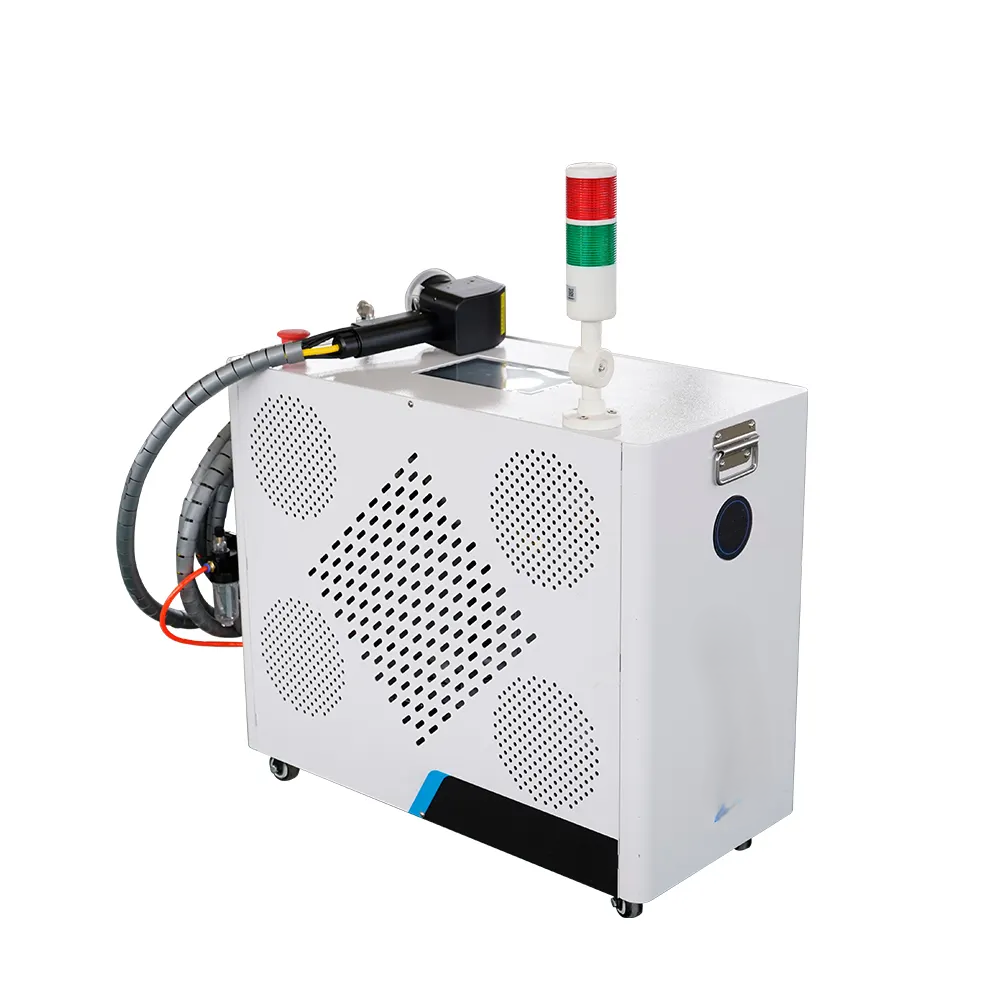
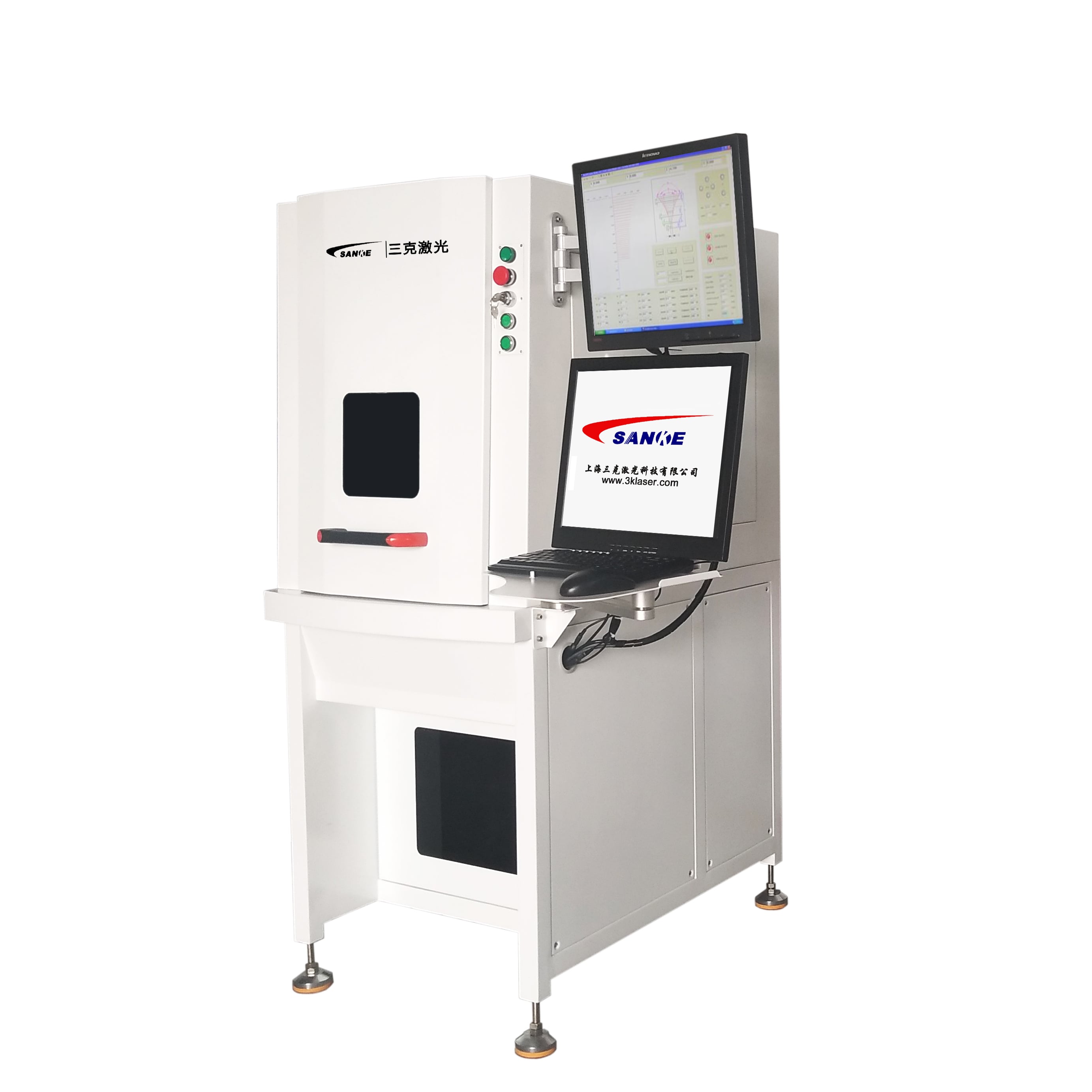
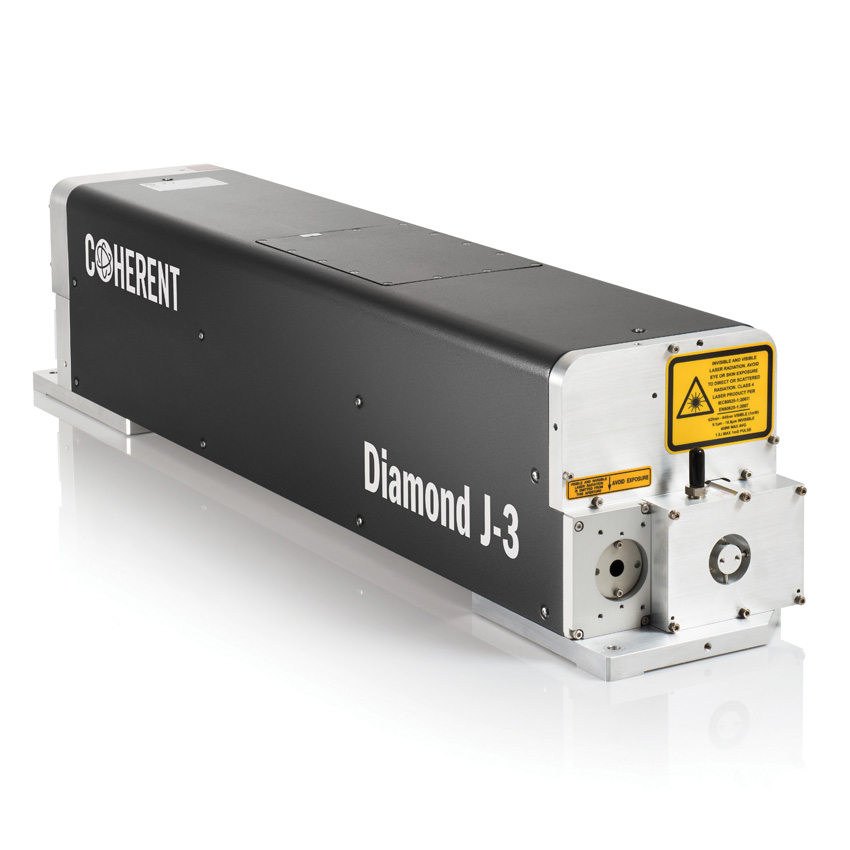
A handheld laser cutting machine is a portable cutting tool that uses a high-powered laser beam to precisely cut through various materials with exceptional accuracy and speed. This innovative equipment combines advanced laser technology with ergonomic handheld design, allowing operators to perform cutting tasks directly on-site without moving large workpieces. The handheld laser cutting machine utilizes fiber laser technology to generate an intense beam of light that melts and vaporizes material along the cutting path. The main functions include precision cutting of metal sheets, pipes, and complex shapes, with adjustable power settings to accommodate different material thicknesses and types. Technological features encompass intelligent control systems, real-time monitoring displays, automatic focus adjustment, and protective safety mechanisms that shield operators from harmful laser radiation. The compact design integrates cooling systems, beam delivery optics, and control electronics into a user-friendly package that weighs significantly less than traditional cutting equipment. Applications span multiple industries including automotive repair, metal fabrication, construction, shipbuilding, and maintenance operations where on-site cutting is essential. The handheld laser cutting machine excels in cutting stainless steel, carbon steel, aluminum, copper, and various alloys with thicknesses ranging from thin sheets to several millimeters. This versatile tool eliminates the need for traditional cutting methods like plasma torches or angle grinders, offering cleaner cuts with minimal heat-affected zones and reduced material distortion. The technology supports both straight-line cutting and intricate pattern work, making it invaluable for custom fabrication and repair tasks across diverse industrial environments.
 EN
EN
 AR
AR
 FR
FR
 DE
DE
 JA
JA
 KO
KO
 RU
RU
 ES
ES