laser cleaning equipment-0

Advanced Laser Cleaning Equipment: Revolutionary Industrial Surface Preparation Technology

Get a Free Quote

Our representative will contact you soon.
Email
Name
Company Name
Message
0/1000

laser cleaning equipment

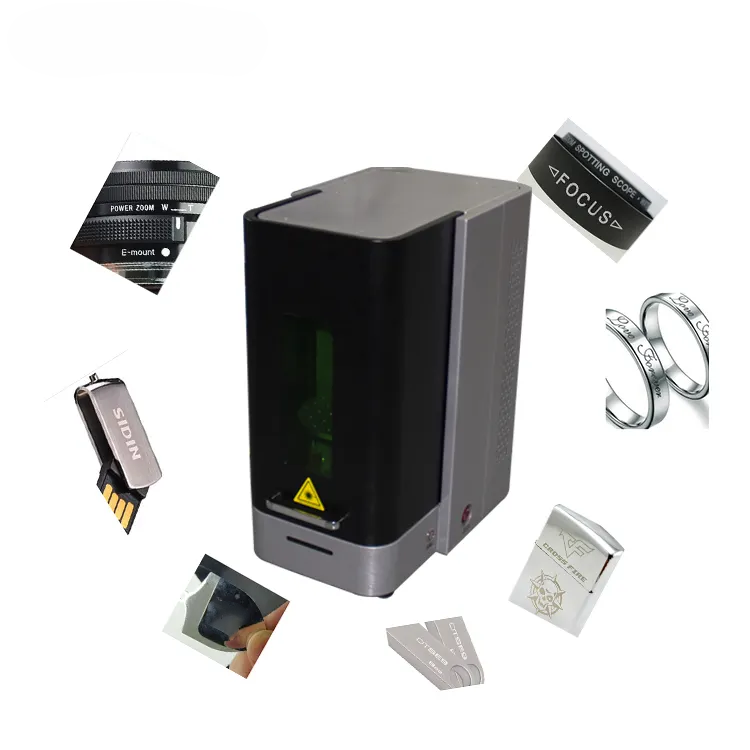
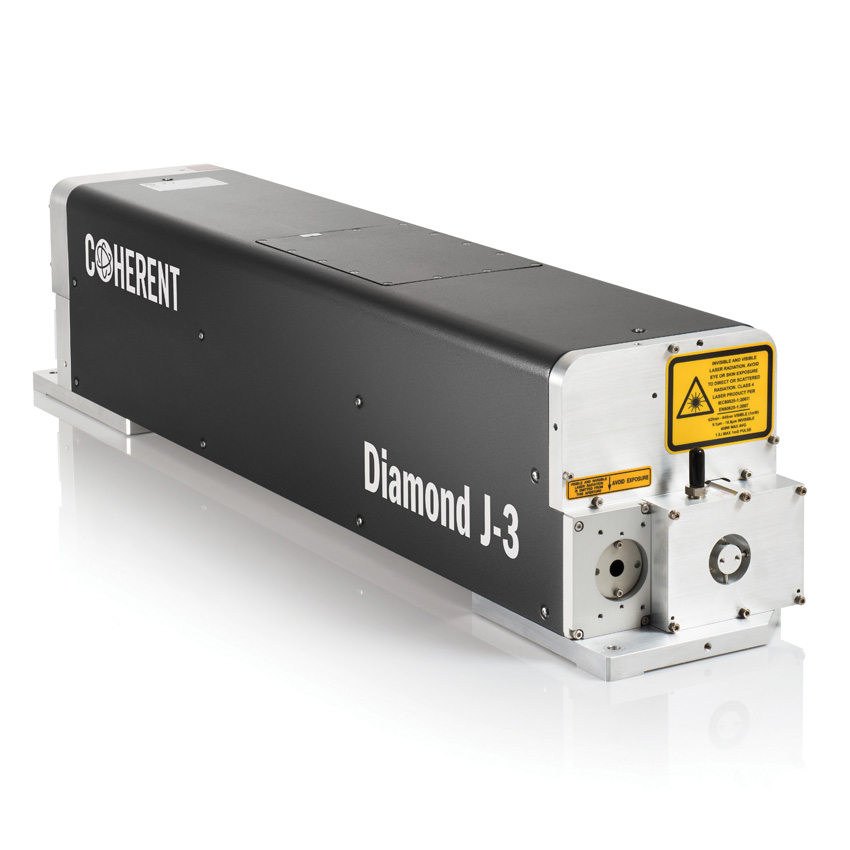
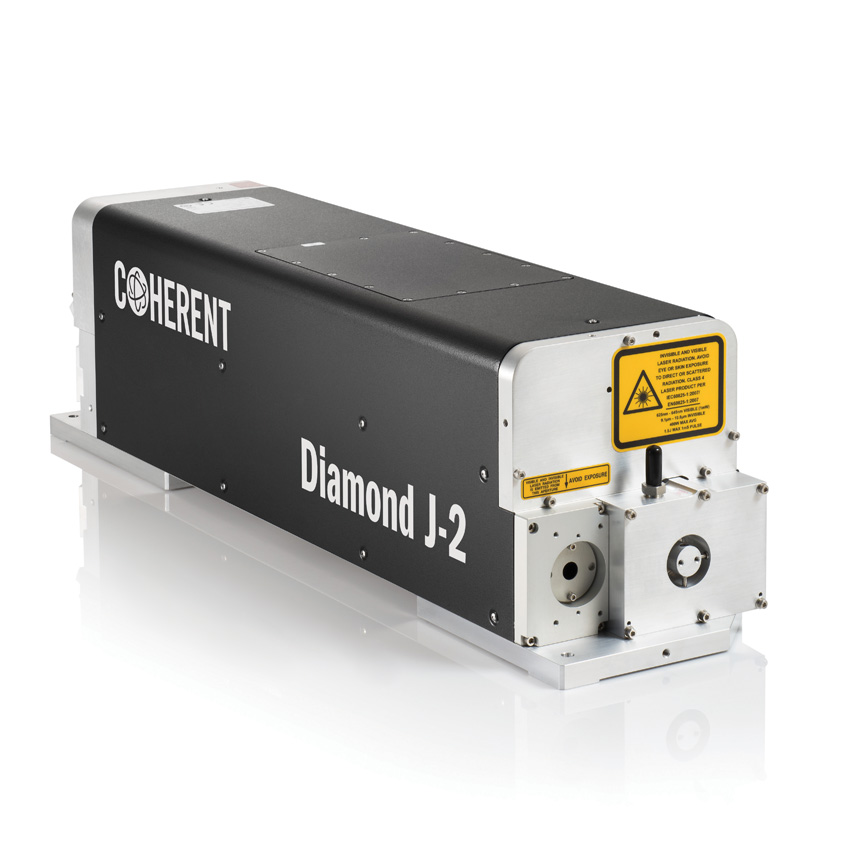
Laser cleaning equipment represents a revolutionary advancement in industrial cleaning technology, utilizing high-intensity laser beams to remove contaminants, coatings, rust, and unwanted materials from various surfaces. This sophisticated laser cleaning equipment operates by generating concentrated light energy that vaporizes or ablates target materials without damaging the underlying substrate. The fundamental principle involves delivering precise pulses of laser energy that create thermal shock, causing contaminants to instantly evaporate or break away from the surface. Modern laser cleaning equipment incorporates advanced fiber laser technology, typically operating at wavelengths between 1000-1100 nanometers, providing exceptional cleaning efficiency across diverse materials including metals, composites, stone, and concrete. The equipment features sophisticated control systems that allow operators to adjust power settings, pulse duration, and scanning patterns to optimize cleaning performance for specific applications. Key technological components include high-power laser sources, beam delivery systems, scanning heads, and integrated safety mechanisms. Many laser cleaning equipment models offer portable designs, enabling on-site cleaning operations in challenging environments. The technology eliminates the need for chemical solvents, abrasive media, or water, making it an environmentally sustainable solution. Real-time monitoring capabilities allow operators to observe cleaning progress and adjust parameters dynamically. Applications span numerous industries including aerospace, automotive, maritime, construction, restoration, and manufacturing. The laser cleaning equipment effectively removes paint, rust, oxide layers, oil residues, rubber deposits, and biological growth. Surface preparation for welding, coating applications, and inspection procedures becomes significantly more efficient with this technology. The equipment can handle complex geometries and delicate surfaces that traditional cleaning methods cannot accommodate safely. Integration with robotic systems enables automated cleaning processes, reducing labor costs and improving consistency.

New Product Recommendations

Laser cleaning equipment delivers substantial benefits that transform industrial cleaning operations across multiple sectors. The primary advantage centers on environmental responsibility, as this technology eliminates hazardous chemicals, reduces waste generation, and minimizes water consumption. Unlike traditional cleaning methods that produce toxic runoff and require expensive disposal procedures, laser cleaning equipment generates minimal waste, typically consisting only of vaporized contaminants that can be safely filtered and collected. Operational efficiency represents another significant benefit, with laser cleaning equipment completing tasks substantially faster than conventional methods. Surface preparation that previously required hours or days can be accomplished in minutes, dramatically reducing project timelines and labor costs. The precision control offered by laser cleaning equipment allows operators to target specific areas without affecting surrounding materials, preventing damage to sensitive components or substrates. This selective cleaning capability proves invaluable when working with valuable equipment, historical artifacts, or precision-engineered parts. Cost-effectiveness emerges through reduced material consumption, as laser cleaning equipment eliminates ongoing expenses for chemical solvents, abrasive media, protective equipment, and waste disposal services. The technology requires minimal consumables, with only electrical power and occasional replacement of optical components. Maintenance requirements remain low compared to mechanical cleaning systems that experience wear from abrasive contact. Safety improvements significantly enhance workplace conditions, as laser cleaning equipment eliminates exposure to harmful chemicals and reduces risks associated with manual scraping or blasting operations. Proper safety protocols and protective equipment ensure operator protection while maintaining high productivity levels. Versatility enables laser cleaning equipment to handle diverse materials and cleaning challenges within a single system, reducing equipment inventory requirements and training needs. Quality results consistently exceed traditional methods, providing uniform surface preparation that enhances subsequent coating adhesion and inspection accuracy. The non-contact nature of laser cleaning eliminates mechanical stress on delicate components, preventing distortion or damage that commonly occurs with aggressive cleaning techniques. Remote operation capabilities allow cleaning of hazardous or difficult-to-access areas without putting personnel at risk.

Practical Tips

How does the maintenance of a laser drilling machine impact its performance and lifespan?

19

Nov

How does the maintenance of a laser drilling machine impact its performance and lifespan?

Proper maintenance of industrial laser drilling equipment represents one of the most critical factors determining operational efficiency and equipment longevity in modern manufacturing environments. When organizations invest in precision drilling tec...
View More
How Does Handheld Laser Welding Compare to Traditional Welding Methods?

19

Nov

How Does Handheld Laser Welding Compare to Traditional Welding Methods?

The welding industry has experienced significant technological advancement over the past decade, with handheld laser welding emerging as a revolutionary alternative to conventional welding techniques. This innovative technology represents a paradigm ...
View More
How does the maintenance of precision laser cutting machines impact their longevity and performance, and what are some tips for effective machine maintenance?

19

Nov

How does the maintenance of precision laser cutting machines impact their longevity and performance, and what are some tips for effective machine maintenance?

Precision laser cutting machines represent a significant investment for manufacturing facilities, and their proper maintenance directly correlates with operational efficiency, production quality, and equipment lifespan. These sophisticated systems re...
View More
2025 Guide: How to Choose the Perfect Beam Expander

21

Oct

2025 Guide: How to Choose the Perfect Beam Expander

Understanding the Critical Role of Beam Expanders in Modern Optics The optical industry continues to evolve at a rapid pace, and beam expanders have become indispensable components in numerous applications, from laser processing to advanced microscop...
View More

Get a Free Quote

Our representative will contact you soon.
Email
Name
Company Name
Message
0/1000

laser cleaning equipment

Precision Control and Surface Selectivity

Precision Control and Surface Selectivity

The precision control capabilities of laser cleaning equipment establish it as the premier solution for applications requiring selective material removal and surface preparation. This advanced technology enables operators to precisely target specific contaminants while preserving underlying substrates, achieving cleaning results impossible with traditional methods. The laser cleaning equipment utilizes sophisticated beam control systems that allow adjustment of power density, pulse duration, and scanning patterns to match the exact requirements of each cleaning task. This level of control enables the removal of thin coating layers, rust formation, or biological growth while leaving the base material completely unaffected. The technology proves particularly valuable when working with multi-layered surfaces, composite materials, or components with varying sensitivities to cleaning processes. Operators can program the laser cleaning equipment to recognize different materials and automatically adjust parameters to prevent damage to sensitive areas. This intelligent material recognition capability reduces training requirements and minimizes the risk of operator error. The precision extends to geometric considerations, as the laser cleaning equipment can follow complex contours, reach into tight spaces, and clean around delicate features that would be impossible to access with mechanical cleaning tools. Heat-affected zones remain minimal due to the brief interaction time and controlled energy delivery, preventing thermal distortion even in thin materials. Quality control becomes more consistent as the laser cleaning equipment delivers repeatable results across multiple cleaning cycles, eliminating variations common in manual cleaning operations. The technology enables real-time monitoring of cleaning progress through integrated sensors that detect surface conditions and automatically adjust parameters to maintain optimal performance. This feedback system ensures complete contaminant removal while preventing over-processing that could damage the substrate. Documentation capabilities allow operators to record cleaning parameters and results for quality assurance and regulatory compliance purposes.
Environmental Sustainability and Safety Benefits

Environmental Sustainability and Safety Benefits

Environmental sustainability represents a cornerstone advantage of laser cleaning equipment, positioning it as the responsible choice for organizations committed to reducing their ecological footprint. Traditional cleaning methods often rely on hazardous chemicals, generate toxic waste streams, and consume significant quantities of water, creating environmental liabilities that extend far beyond the immediate cleaning operation. Laser cleaning equipment eliminates these concerns by utilizing only electrical energy to generate the cleaning action, producing no chemical runoff, contaminated water, or hazardous waste requiring special disposal procedures. The collected debris from laser cleaning operations typically consists of dry particulate matter that can be safely filtered and disposed of through standard waste management practices. This dramatic reduction in environmental impact translates directly to cost savings through eliminated chemical purchases, waste disposal fees, and regulatory compliance expenses. The technology supports corporate sustainability initiatives while meeting increasingly stringent environmental regulations across industries. Safety benefits extend beyond environmental considerations to encompass operator health and workplace safety improvements. Laser cleaning equipment eliminates exposure to toxic vapors, corrosive chemicals, and carcinogenic substances commonly associated with traditional cleaning solvents. The enclosed cleaning process prevents the release of contaminants into the workplace atmosphere, maintaining healthier working conditions for all personnel. Automated operation capabilities reduce the need for workers to enter hazardous environments or work in close proximity to dangerous cleaning processes. The precision of laser cleaning equipment minimizes the generation of airborne particles compared to abrasive blasting methods, reducing respiratory health risks for operators and nearby workers. Emergency response procedures become simplified as the technology eliminates concerns about chemical spills, vapor exposure, or contaminated runoff affecting surrounding areas. Training requirements focus primarily on laser safety protocols rather than complex chemical handling procedures, reducing the skill level required for safe operation. The inherent safety features of modern laser cleaning equipment include emergency shutdown systems, beam containment measures, and operator presence detection that automatically cease operation if safety protocols are compromised.
Economic Efficiency and Return on Investment

Economic Efficiency and Return on Investment

The economic advantages of laser cleaning equipment extend far beyond initial cost considerations, delivering substantial return on investment through reduced operational expenses, improved productivity, and enhanced quality outcomes. Traditional cleaning methods impose ongoing costs for consumable materials including chemical solvents, abrasive media, protective equipment, and disposal services that can exceed equipment purchase prices within relatively short periods. Laser cleaning equipment eliminates these recurring expenses, operating solely on electrical power with minimal maintenance requirements. The technology typically achieves payback periods of 12-24 months in high-volume operations, with cost savings accelerating over subsequent years as consumable material prices continue to rise. Labor productivity improvements contribute significantly to economic benefits, as laser cleaning equipment completes surface preparation tasks substantially faster than manual or mechanical methods. Projects that previously required multiple shifts can often be completed within normal working hours, reducing labor costs and enabling faster project completion. The precision and consistency of laser cleaning results eliminate rework requirements common with traditional methods, preventing delays and additional material consumption. Quality improvements achieved through laser cleaning equipment translate to enhanced product reliability, reduced warranty claims, and improved customer satisfaction. The technology enables cleaning of components to specifications impossible with conventional methods, supporting premium pricing strategies and market differentiation. Maintenance costs remain minimal as laser cleaning equipment contains fewer moving parts than mechanical cleaning systems, reducing wear-related component replacement and service requirements. The non-contact nature of the cleaning process prevents tool wear and eliminates the need for frequent replacement of brushes, scrapers, or other contact cleaning implements. Operational flexibility allows laser cleaning equipment to handle diverse cleaning applications within a single system, reducing equipment inventory requirements and facility space needs. The technology supports lean manufacturing principles by enabling just-in-time surface preparation without the delays associated with chemical processing or setup requirements for abrasive cleaning systems. Insurance cost reductions often accompany laser cleaning equipment implementation due to eliminated chemical storage risks and reduced workplace hazards associated with traditional cleaning methods.

Get a Free Quote

Our representative will contact you soon.
Email
Name
Company Name
Message
0/1000