industrial laser marking systems-0

Industrial Laser Marking Systems - Advanced Precision Manufacturing Solutions

Get a Free Quote

Our representative will contact you soon.
Email
Name
Company Name
Message
0/1000

industrial laser marking systems

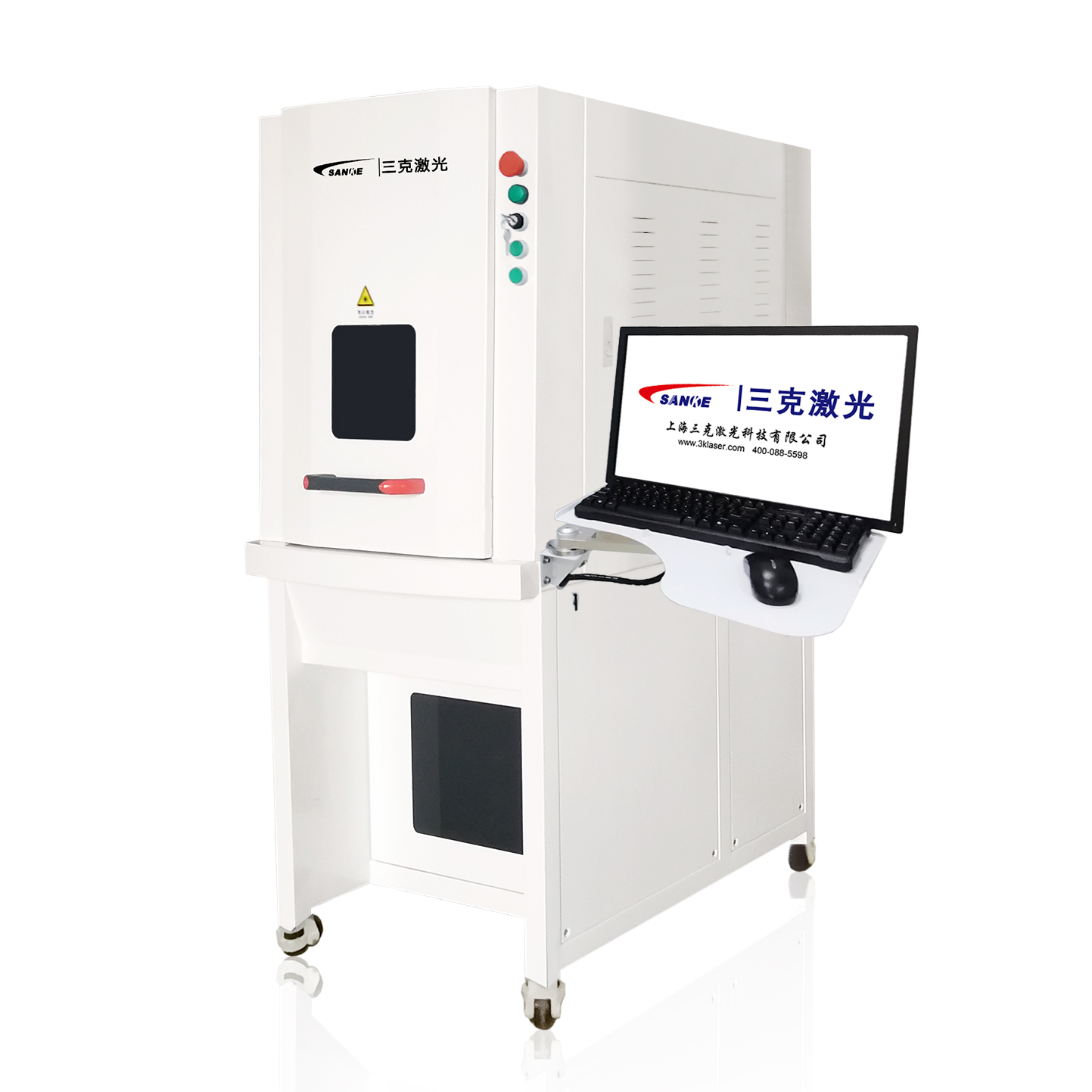
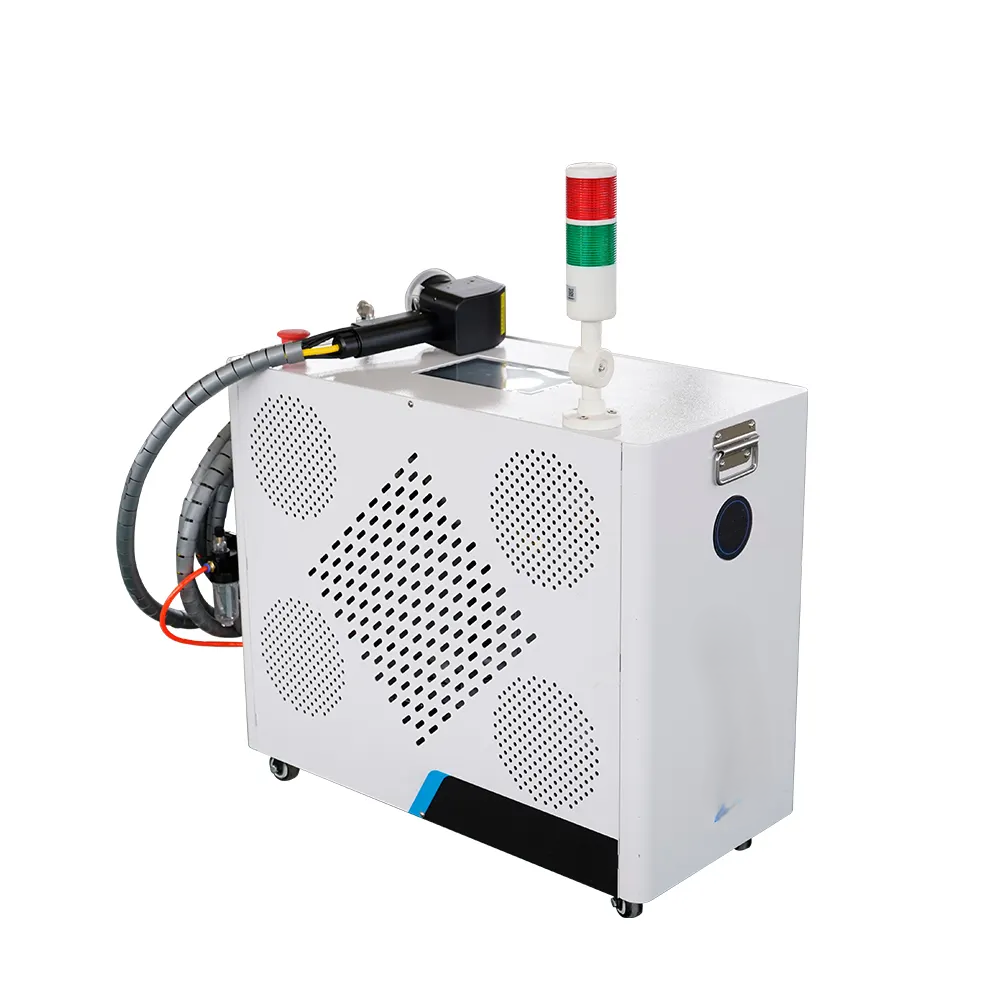
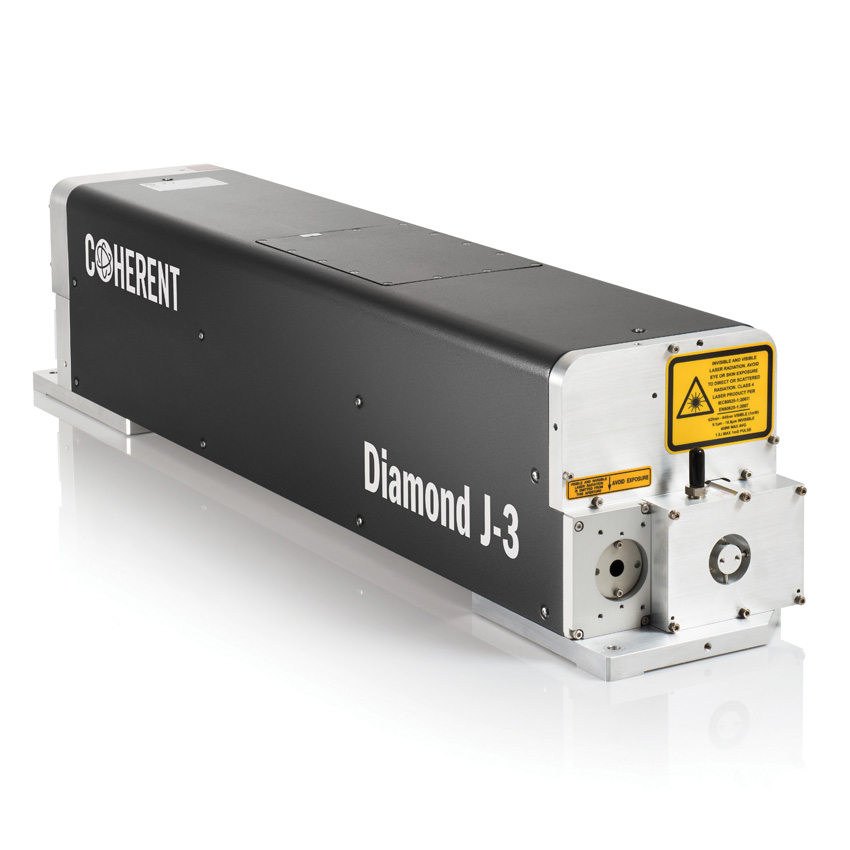
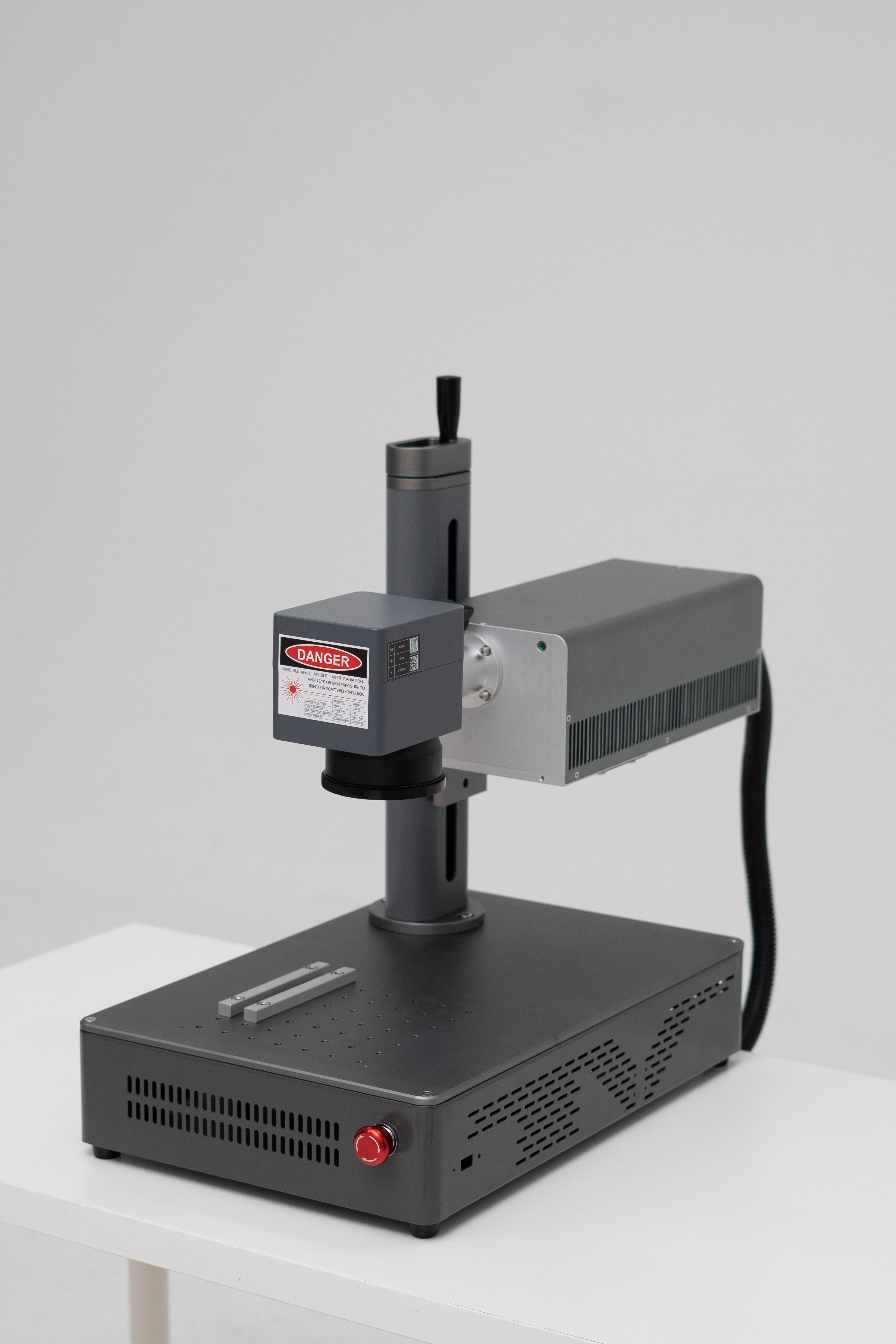
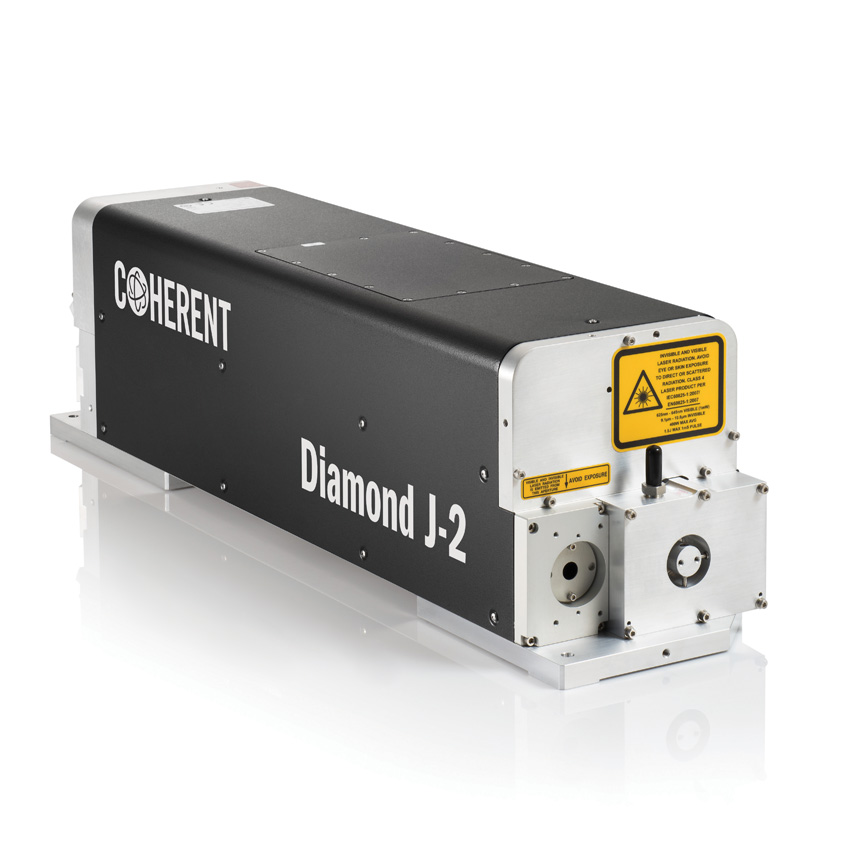
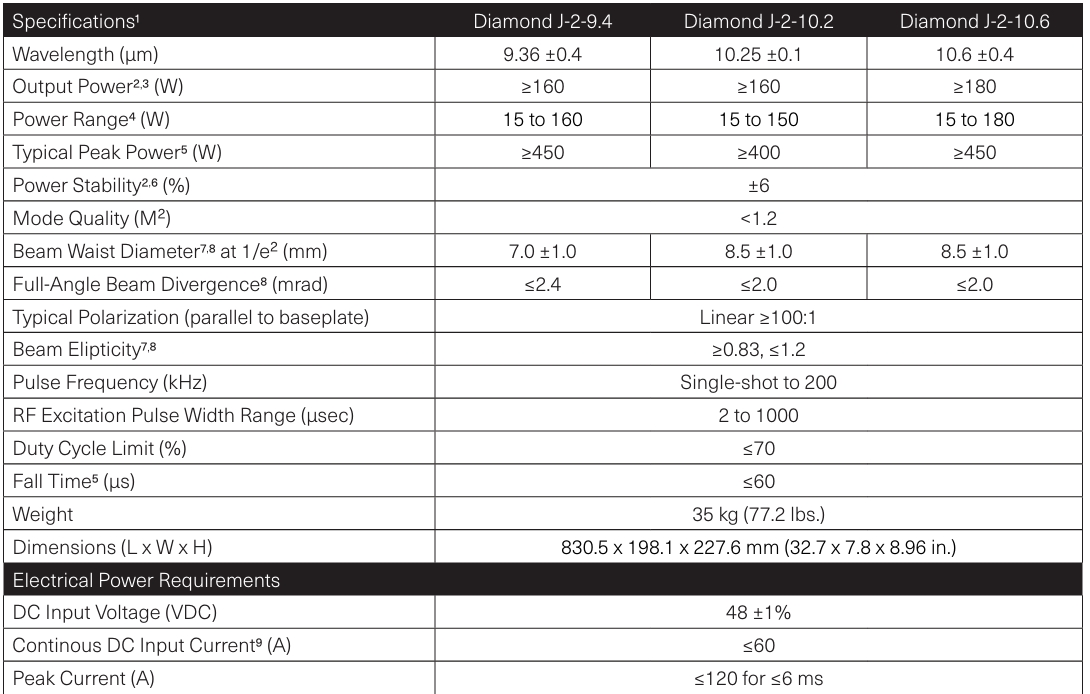
Industrial laser marking systems represent cutting-edge technology that revolutionizes product identification and traceability across manufacturing sectors. These sophisticated machines utilize concentrated laser beams to create permanent, high-quality marks on various materials including metals, plastics, ceramics, glass, and composites. The core functionality of industrial laser marking systems centers on precision material processing, where focused laser energy interacts with substrate surfaces to produce clear, durable markings without compromising structural integrity. Modern industrial laser marking systems incorporate advanced fiber laser technology, CO2 lasers, or UV lasers, each optimized for specific material types and marking requirements. The primary functions encompass text engraving, logo marking, barcode creation, QR code generation, serial number application, and decorative pattern etching. These systems excel in producing microscopic details with exceptional accuracy, achieving marking resolutions down to micrometers. Technological features include computer-controlled positioning systems, automated material handling capabilities, real-time quality monitoring, and intelligent software interfaces that streamline operation workflows. Industrial laser marking systems integrate seamlessly with existing production lines through programmable logic controllers and manufacturing execution systems. Key applications span automotive component marking, medical device identification, aerospace part traceability, electronics manufacturing, packaging industry requirements, and jewelry customization. The non-contact marking process eliminates tool wear concerns while maintaining consistent output quality throughout extended production runs. Advanced industrial laser marking systems feature variable power control, adjustable pulse frequency, and customizable marking speeds to optimize results for different materials and applications. Environmental benefits include elimination of consumable inks, chemicals, and replacement parts typically associated with traditional marking methods. These systems demonstrate remarkable versatility in handling complex geometries, curved surfaces, and three-dimensional objects through sophisticated beam delivery systems and multi-axis positioning capabilities.

New Product Releases

Industrial laser marking systems deliver substantial operational benefits that transform manufacturing efficiency and product quality standards. These advanced systems eliminate recurring costs associated with consumable materials such as inks, solvents, ribbons, and replacement marking tools, resulting in significant long-term savings for production facilities. The permanent marking capability ensures exceptional durability against environmental factors including moisture, temperature fluctuations, chemical exposure, and mechanical abrasion, providing reliable identification throughout product lifecycles. Speed advantages become apparent through rapid marking cycles that dramatically reduce processing time compared to traditional methods, enabling higher throughput rates and improved production scheduling flexibility. Precision control allows manufacturers to achieve consistent marking quality with repeatable results across large production volumes, eliminating variations that commonly occur with mechanical marking systems. Industrial laser marking systems require minimal maintenance due to their solid-state design and absence of moving parts in the laser generation process, reducing downtime and service costs while maximizing equipment availability. The contactless marking process prevents material deformation, stress concentration, or surface damage that mechanical methods often cause, preserving product integrity and dimensional accuracy. Versatility represents a major advantage as these systems accommodate diverse materials and marking requirements without tooling changes or lengthy setup procedures, supporting multi-product manufacturing environments efficiently. Environmental compliance becomes achievable through elimination of hazardous chemicals and waste generation, supporting sustainable manufacturing practices and regulatory requirements. Quality assurance improves through consistent mark depth, uniform appearance, and excellent readability that meets stringent traceability standards demanded by regulated industries. Automation integration capabilities allow seamless incorporation into existing production lines with minimal disruption, supporting Industry 4.0 initiatives and smart manufacturing concepts. Energy efficiency surpasses conventional marking methods through optimized laser power utilization and reduced processing time requirements. Customization flexibility enables rapid changeover between different marking patterns, fonts, graphics, and data variables without mechanical adjustments or specialized tooling. These systems support complex marking requirements including graduated scales, fine text, intricate logos, and high-density data matrix codes with exceptional clarity and precision that traditional methods cannot achieve reliably.

Latest News

How to Choose the Right Portable Laser Welding Machine for Your Business?

19

Nov

How to Choose the Right Portable Laser Welding Machine for Your Business?

Manufacturing businesses today face increasing pressure to improve efficiency while maintaining exceptional quality standards. The advent of portable laser welding machines has revolutionized the welding industry by offering unprecedented mobility, p...
View More
How does the maintenance of precision laser cutting machines impact their longevity and performance, and what are some tips for effective machine maintenance?

19

Nov

How does the maintenance of precision laser cutting machines impact their longevity and performance, and what are some tips for effective machine maintenance?

Precision laser cutting machines represent a significant investment for manufacturing facilities, and their proper maintenance directly correlates with operational efficiency, production quality, and equipment lifespan. These sophisticated systems re...
View More
What industries benefit most from laser welding technology?

19

Nov

What industries benefit most from laser welding technology?

Modern manufacturing has witnessed a revolutionary shift in welding technology as industries increasingly adopt advanced laser welding systems. The laser welding machine represents a significant technological leap from conventional welding methods, o...
View More
How Does the Power Output of a Laser Source Affect Its Performance?

22

Sep

How Does the Power Output of a Laser Source Affect Its Performance?

Understanding the Critical Role of Power Output in Laser Applications The relationship between a laser source and its power output fundamentally shapes the capabilities and effectiveness of laser systems across countless applications. From industrial...
View More

Get a Free Quote

Our representative will contact you soon.
Email
Name
Company Name
Message
0/1000

industrial laser marking systems

Advanced Precision Control Technology

Advanced Precision Control Technology

Industrial laser marking systems incorporate state-of-the-art precision control technology that delivers unmatched accuracy and repeatability in marking applications across diverse manufacturing environments. This sophisticated control system utilizes high-resolution galvanometer scanning heads combined with advanced beam positioning algorithms to achieve marking tolerances within micrometers, ensuring consistent quality throughout production cycles. The precision control technology integrates multiple feedback systems including real-time beam position monitoring, power output verification, and material surface detection to maintain optimal marking parameters automatically. Advanced software interfaces provide intuitive programming capabilities that allow operators to define complex marking patterns, variable data sequences, and multi-layer graphics with precise dimensional control. The technology supports dynamic focus adjustment that compensates for material thickness variations and surface irregularities, ensuring uniform mark quality across three-dimensional objects and curved surfaces. Intelligent beam control systems optimize laser power distribution and pulse timing to achieve consistent mark depth and width regardless of material properties or environmental conditions. The precision control technology enables micro-marking capabilities essential for electronics manufacturing, medical device identification, and aerospace component traceability where space constraints demand extremely small yet readable markings. Quality monitoring systems continuously evaluate marking results through integrated vision systems and provide immediate feedback for process optimization and defect prevention. This technology supports high-speed marking operations while maintaining exceptional accuracy, enabling manufacturers to meet demanding production schedules without compromising quality standards. The precision control system accommodates complex marking sequences including graduated measurements, fine-pitch text arrays, and high-density barcode formats that require exact positioning and consistent character formation. Advanced interpolation algorithms ensure smooth mark transitions and eliminate irregularities that can affect readability and aesthetic appearance. The technology provides comprehensive parameter control over marking speed, laser power, pulse frequency, and beam focus to optimize results for specific material combinations and marking requirements. Integration capabilities allow seamless communication with manufacturing execution systems and quality management databases for complete process documentation and traceability compliance.
Superior Material Compatibility Range

Superior Material Compatibility Range

Industrial laser marking systems demonstrate exceptional material compatibility that spans virtually all manufacturing substrates, providing unparalleled versatility for diverse production requirements across multiple industries. This comprehensive material compatibility encompasses metals including stainless steel, aluminum, titanium, brass, copper, and various alloys, each achieving distinct marking characteristics through optimized laser parameters and wavelength selection. Advanced fiber laser technology excels in marking metallic materials by creating high-contrast marks through surface oxidation, annealing, or ablation processes that produce permanent identification without compromising material integrity. Plastic materials including ABS, polycarbonate, nylon, PEEK, and engineering thermoplastics respond exceptionally well to laser marking through controlled thermal processes that create clear, durable marks without generating harmful emissions or residue. The compatibility extends to challenging materials such as ceramics, glass, silicon wafers, and composite materials that traditional marking methods struggle to process effectively without causing damage or producing inferior results. UV laser systems within industrial laser marking systems portfolio provide specialized capabilities for marking sensitive materials including medical-grade polymers, pharmaceutical packaging, and electronic components where heat-affected zones must be minimized. Carbon dioxide laser integration enables superior marking performance on organic materials, coated substrates, and layered constructions through controlled ablation that reveals underlying colors or textures for enhanced visual contrast. The material compatibility advantage eliminates the need for multiple marking systems or specialized tooling changes when processing diverse substrates within the same production facility. Advanced parameter optimization databases provide pre-configured settings for hundreds of material combinations, enabling rapid setup and consistent results without extensive trial-and-error procedures. Surface preparation requirements are minimal or eliminated entirely, as laser marking systems adapt to various surface finishes including polished, textured, anodized, and painted substrates without preprocessing steps. The compatibility range supports emerging materials and advanced composites used in aerospace, automotive, and electronics applications where traditional marking methods prove inadequate or economically unfeasible. Quality standards remain consistent across all compatible materials through intelligent power control and adaptive marking algorithms that compensate for material property variations automatically. This broad material compatibility provides manufacturing flexibility that supports product diversification and rapid response to changing market demands without capital equipment constraints.
Integrated Automation and Connectivity Solutions

Integrated Automation and Connectivity Solutions

Industrial laser marking systems feature comprehensive automation and connectivity solutions that seamlessly integrate with modern manufacturing environments, supporting Industry 4.0 initiatives and smart factory implementations. These advanced integration capabilities encompass programmable logic controller interfaces, manufacturing execution system connectivity, and enterprise resource planning synchronization that enable complete production workflow automation. The automation solutions include sophisticated material handling systems with robotic loading mechanisms, conveyor integration, and automated part positioning that eliminate manual intervention while maintaining high throughput rates and consistent marking quality. Real-time data collection and analysis capabilities provide immediate feedback on production metrics, quality parameters, and system performance indicators that support continuous improvement initiatives and predictive maintenance strategies. Advanced connectivity protocols including Ethernet, USB, RS-232, and wireless communication options ensure compatibility with existing factory networks and enable remote monitoring and control capabilities from centralized management systems. The integrated solutions support variable data marking applications that automatically retrieve information from databases, barcode scanners, or manufacturing execution systems to create unique identifications for each processed part without operator intervention. Quality assurance integration includes vision system connectivity that performs immediate mark verification, readability testing, and dimensional analysis with automatic rejection of non-conforming parts. Traceability solutions capture comprehensive marking data including timestamp information, material batch numbers, operator identification, and process parameters that satisfy regulatory requirements and support complete product lifecycle documentation. The automation architecture supports flexible production scheduling through quick changeover capabilities that automatically adjust marking parameters, load appropriate programs, and configure material handling systems for different product types. Industry-standard communication protocols ensure compatibility with existing factory automation systems and enable bidirectional data exchange for production planning, quality reporting, and maintenance scheduling. Advanced diagnostic capabilities provide real-time system health monitoring with predictive alerts for maintenance requirements, consumable replacement, and performance optimization opportunities. Cloud connectivity options enable remote access to production data, system diagnostics, and performance analytics that support multi-location manufacturing operations and centralized management oversight. The integrated solutions reduce labor requirements while improving consistency and eliminating human error factors that can affect marking quality and production efficiency. Scalability features allow system expansion and capability enhancement through software updates and additional hardware modules without disrupting existing production operations.

Get a Free Quote

Our representative will contact you soon.
Email
Name
Company Name
Message
0/1000