laser cutting equipment-0

Advanced Laser Cutting Equipment - Precision Manufacturing Solutions for Modern Industry

Get a Free Quote

Our representative will contact you soon.
Email
Name
Company Name
Message
0/1000

laser cutting equipment

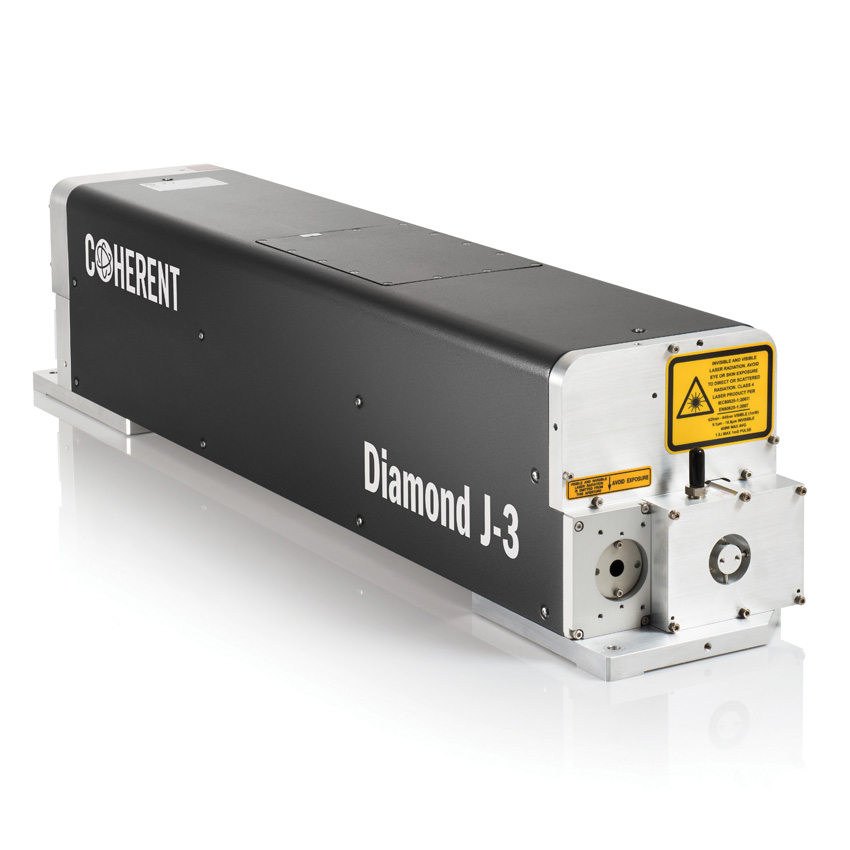
Laser cutting equipment represents a revolutionary manufacturing technology that utilizes focused laser beams to cut, engrave, and shape various materials with exceptional precision. This advanced machinery operates by directing a high-powered laser through a series of mirrors and lenses, concentrating the beam onto a small focal point that generates intense heat capable of melting, burning, or vaporizing material along predetermined cutting paths. Modern laser cutting equipment incorporates sophisticated computer numerical control (CNC) systems that enable operators to create intricate designs and complex geometries with remarkable accuracy and repeatability. The primary functions of laser cutting equipment encompass material cutting, engraving, marking, and welding applications across diverse industries. These versatile machines can process metals including steel, aluminum, titanium, and copper, as well as non-metallic materials such as acrylic, wood, fabric, leather, and various plastics. The technological features of contemporary laser cutting equipment include fiber laser technology, CO2 laser systems, and diode laser configurations, each optimized for specific material types and thickness requirements. Advanced beam delivery systems ensure consistent power distribution, while automated focusing mechanisms maintain optimal cutting quality throughout the entire process. Integration with CAD/CAM software enables seamless design-to-production workflows, allowing manufacturers to import digital designs and execute cutting operations with minimal setup time. Safety features incorporated into modern laser cutting equipment include enclosed cutting chambers, exhaust ventilation systems, and emergency stop mechanisms that protect operators from laser radiation and hazardous fumes. Applications for laser cutting equipment span automotive manufacturing, aerospace components, architectural metalwork, signage production, textile processing, electronics fabrication, medical device manufacturing, and custom prototyping services. The precision capabilities of laser cutting equipment enable manufacturers to achieve tolerances within thousandths of an inch, making it ideal for producing intricate components that require exact specifications and smooth edge finishes without secondary processing requirements.

New Product Recommendations

Laser cutting equipment delivers numerous practical benefits that directly impact manufacturing efficiency and product quality. The precision offered by laser cutting equipment eliminates the need for secondary finishing operations, reducing production time and labor costs significantly. Manufacturers can achieve clean, smooth cuts with minimal heat-affected zones, preserving material integrity and preventing warping or distortion that commonly occurs with traditional cutting methods. The speed advantages of laser cutting equipment enable rapid production cycles, allowing businesses to meet tight deadlines and handle high-volume orders efficiently. Unlike mechanical cutting tools that wear down over time, laser cutting equipment maintains consistent performance without blade replacement costs or regular sharpening maintenance. The versatility of laser cutting equipment allows manufacturers to process multiple material types using the same machine, eliminating the need for specialized cutting tools and reducing equipment investment requirements. Automated operation capabilities minimize human error and ensure consistent quality across production runs, while reducing labor costs and improving workplace safety. The narrow kerf width produced by laser cutting equipment maximizes material utilization, reducing waste and lowering raw material expenses for cost-conscious manufacturers. Design flexibility offered by laser cutting equipment enables rapid prototyping and customization without expensive tooling changes, allowing businesses to respond quickly to customer requirements and market demands. The non-contact cutting process eliminates tool wear and mechanical stress on materials, extending equipment lifespan and reducing maintenance costs. Energy efficiency improvements in modern laser cutting equipment reduce operational expenses while maintaining high productivity levels. The ability to cut complex shapes and intricate patterns without additional setup requirements streamlines production workflows and reduces lead times significantly. Integration capabilities with existing manufacturing systems enable seamless automation and data exchange, improving overall operational efficiency. Quality consistency provided by laser cutting equipment ensures repeatable results that meet strict industry standards and customer specifications. The reduced setup time between different cutting jobs increases machine utilization rates and improves return on investment for manufacturing businesses. Environmental benefits include reduced material waste, lower energy consumption compared to traditional cutting methods, and elimination of cutting fluids or coolants that require disposal. The scalability of laser cutting equipment allows businesses to handle both small custom orders and large production runs efficiently, providing operational flexibility that adapts to changing market conditions and business growth requirements.

Practical Tips

Can a laser drilling machine be integrated into an automated production line?

19

Nov

Can a laser drilling machine be integrated into an automated production line?

Modern manufacturing demands unprecedented levels of precision, efficiency, and automation to remain competitive in today's global marketplace. The integration of advanced equipment into automated production lines has become essential for manufacture...
View More
How do I ensure the safety of operators when using a laser drilling machine?

19

Nov

How do I ensure the safety of operators when using a laser drilling machine?

Laser drilling machines have revolutionized precision manufacturing across industries, offering unparalleled accuracy and efficiency for creating micro-holes in various materials. However, the powerful laser beams used in these systems pose significa...
View More
Common Field Lens Problems and Solutions

21

Oct

Common Field Lens Problems and Solutions

Understanding the Complexities of Field Lens Performance Field lenses play a crucial role in optical systems, serving as vital components that help collect and direct light effectively. These specialized optical elements are designed to improve image...
View More
Top 5 Beam Expander Applications in Laser Systems

21

Oct

Top 5 Beam Expander Applications in Laser Systems

Understanding the Revolutionary Impact of Laser Beam Expansion Technology Modern laser systems have transformed numerous industries, from medical procedures to advanced manufacturing. At the heart of many of these applications lies a crucial optical ...
View More

Get a Free Quote

Our representative will contact you soon.
Email
Name
Company Name
Message
0/1000

laser cutting equipment

Unmatched Precision and Quality Control

Unmatched Precision and Quality Control

Laser cutting equipment delivers exceptional precision that transforms manufacturing capabilities and elevates product quality to unprecedented levels. The focused laser beam creates cuts with tolerances as tight as ±0.001 inches, enabling manufacturers to produce components that meet the most demanding specifications without requiring additional machining or finishing operations. This remarkable precision stems from the computer-controlled beam positioning system that eliminates human error and mechanical variations inherent in traditional cutting methods. The heat-affected zone produced by laser cutting equipment remains minimal, typically measuring less than 0.005 inches, which preserves material properties and prevents thermal distortion that can compromise part accuracy. Edge quality achieved through laser cutting equipment surpasses conventional cutting methods, producing smooth, burr-free surfaces that often eliminate the need for secondary deburring operations. The consistent beam diameter and power distribution ensure uniform cutting quality throughout the entire material thickness, maintaining perpendicular edges and precise dimensional accuracy across complex geometries. Quality control benefits extend beyond dimensional precision to include superior surface finish characteristics that enhance both functional performance and aesthetic appeal of finished products. The repeatability of laser cutting equipment enables manufacturers to produce identical components with minimal variation, ensuring consistent quality across production runs and reducing rejection rates significantly. Advanced monitoring systems integrated into modern laser cutting equipment provide real-time feedback on cutting parameters, enabling immediate adjustments to maintain optimal quality standards. The ability to maintain precise cutting speeds and power levels throughout the cutting process ensures consistent results regardless of material variations or environmental conditions. This level of precision and quality control translates into substantial cost savings by eliminating rework, reducing scrap rates, and minimizing inspection requirements while enhancing customer satisfaction through superior product quality.
Exceptional Material Versatility and Adaptability

Exceptional Material Versatility and Adaptability

The versatility of laser cutting equipment represents one of its most valuable characteristics, enabling manufacturers to process an extensive range of materials with a single machine investment. This adaptability encompasses metals including mild steel, stainless steel, aluminum, brass, copper, and titanium, with thickness capabilities ranging from thin foils to plates several inches thick depending on material type and laser power. Non-metallic materials processed by laser cutting equipment include various plastics, acrylics, wood, fabric, leather, rubber, foam, and composite materials, making it an ideal solution for diverse manufacturing applications. The ability to switch between different materials without tool changes or extensive setup procedures provides operational flexibility that traditional cutting methods cannot match. Material thickness adaptation occurs through automated focusing systems that adjust beam position and cutting parameters based on material specifications, ensuring optimal results across varying thicknesses within a single cutting session. Different laser types integrated into cutting systems optimize performance for specific material categories, with fiber lasers excelling at metal processing while CO2 lasers perform exceptionally well on non-metallic materials. The programmable nature of laser cutting equipment allows operators to store cutting parameters for different materials, enabling quick setup changes and consistent results when switching between material types. This versatility extends to accommodating various material forms including sheets, tubes, profiles, and three-dimensional shapes, expanding manufacturing capabilities beyond flat sheet processing. The ability to process both thin and thick materials efficiently eliminates the need for multiple cutting systems, reducing capital investment requirements and shop floor space utilization. Material handling systems integrated with laser cutting equipment accommodate various sizes and weights, from small precision components to large architectural panels, providing scalability that grows with business requirements. The adaptability of laser cutting equipment supports rapid prototyping and custom manufacturing by enabling quick material changes and parameter adjustments without significant downtime or setup costs.
Advanced Automation and Operational Efficiency

Advanced Automation and Operational Efficiency

Modern laser cutting equipment incorporates sophisticated automation technologies that revolutionize manufacturing efficiency and operational productivity. Automated material handling systems integrated with laser cutting equipment eliminate manual loading and unloading operations, reducing labor requirements while maintaining continuous production capabilities. These systems include automated sheet feeders, part removal mechanisms, and sorting systems that organize finished components according to predetermined specifications. The integration of artificial intelligence and machine learning algorithms enables laser cutting equipment to optimize cutting paths automatically, reducing processing time and improving material utilization rates. Predictive maintenance capabilities built into advanced laser cutting equipment monitor system performance continuously, identifying potential issues before they impact production and scheduling maintenance activities during planned downtime periods. Automated nesting software maximizes material utilization by arranging cutting patterns to minimize waste, often achieving material efficiency rates exceeding 95 percent through intelligent layout optimization. Real-time monitoring systems provide comprehensive production data including cutting speeds, quality metrics, and equipment utilization rates, enabling data-driven decision making and continuous process improvement. Remote monitoring capabilities allow operators to supervise multiple machines simultaneously and receive instant notifications of completion status or operational issues, maximizing productivity across manufacturing facilities. The automation features of laser cutting equipment enable lights-out manufacturing operations, where machines continue production during unmanned periods, significantly increasing daily output capacity. Integration with enterprise resource planning systems provides seamless data exchange for inventory management, production scheduling, and quality tracking throughout the manufacturing process. Automated calibration routines ensure consistent performance by regularly checking and adjusting beam alignment, focus position, and cutting parameters without operator intervention. The efficiency gains achieved through automation translate into reduced production costs, shorter lead times, and improved competitiveness in demanding markets where speed and precision determine success.

Get a Free Quote

Our representative will contact you soon.
Email
Name
Company Name
Message
0/1000