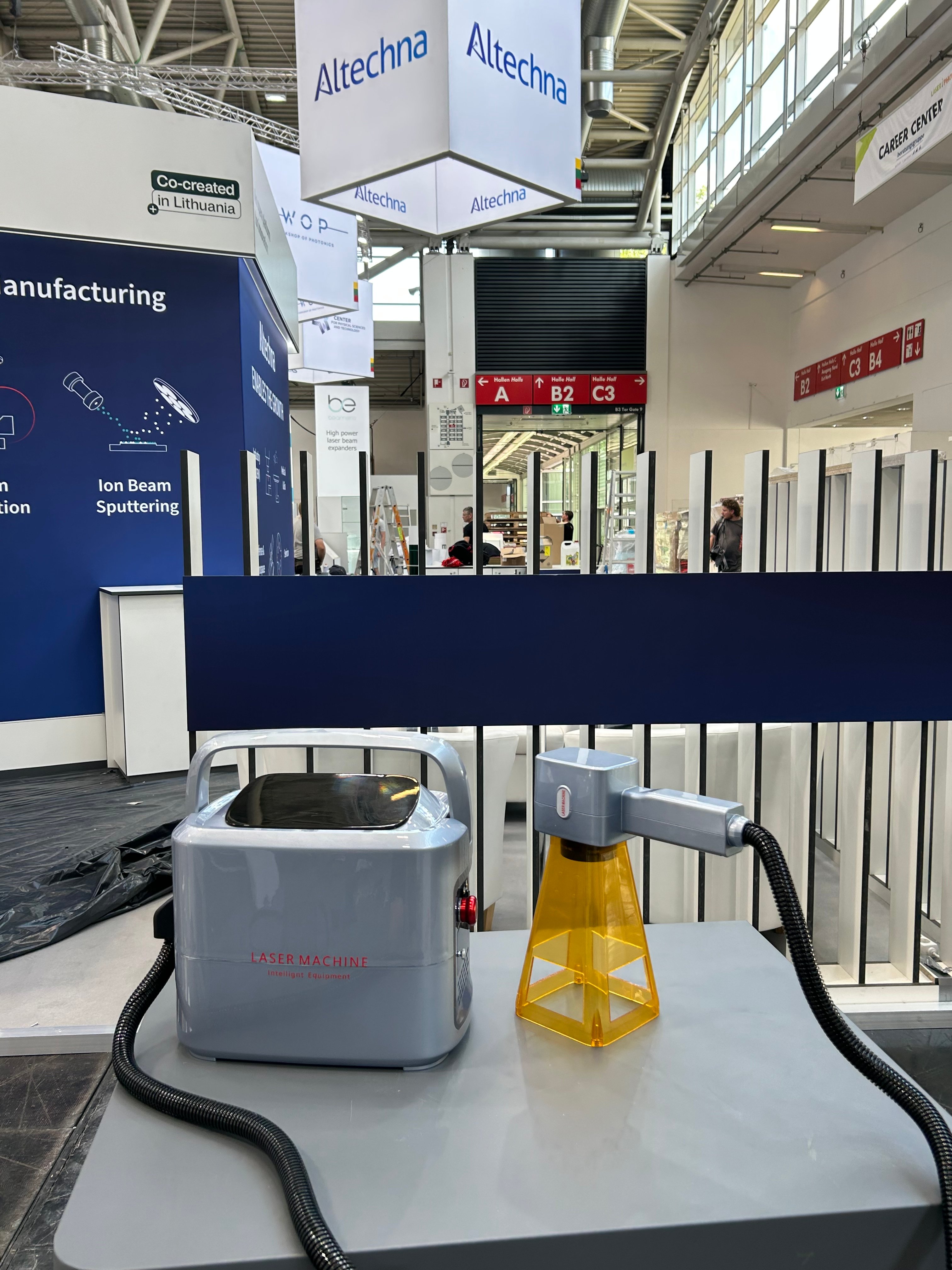
laser engraving steel
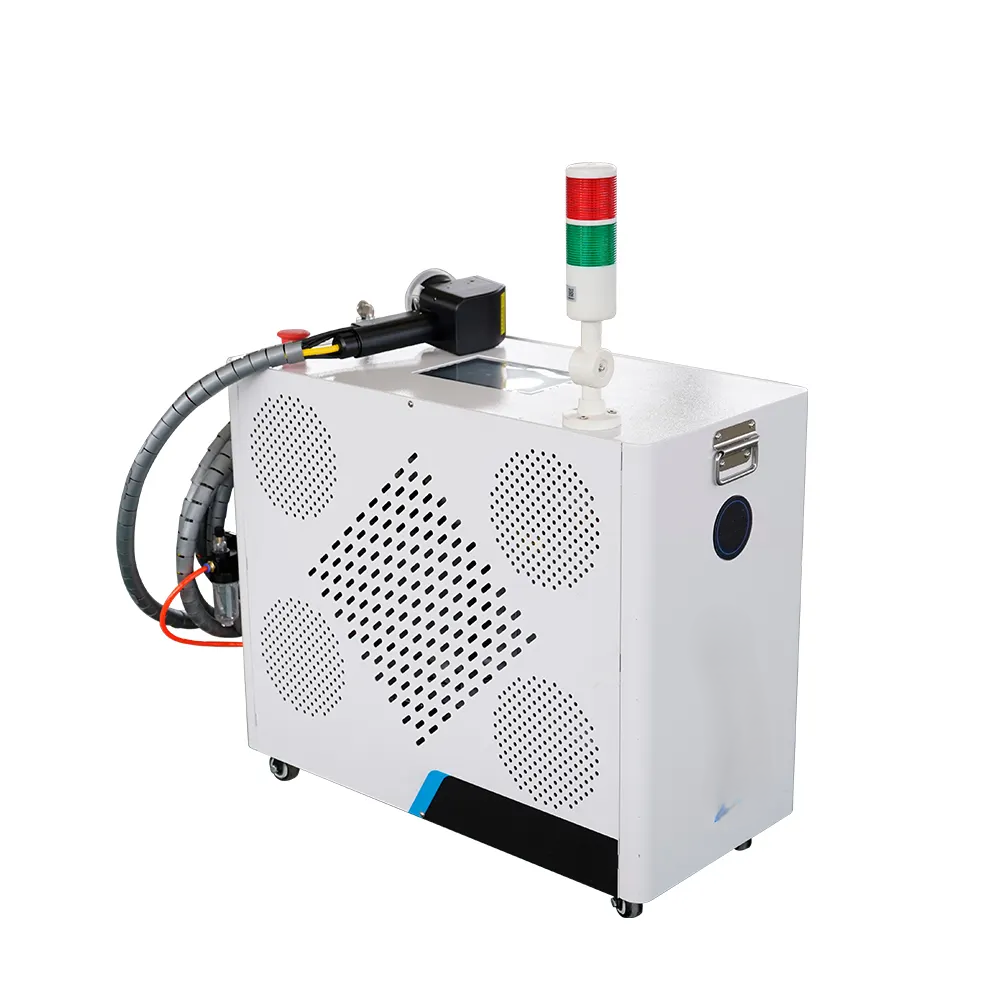
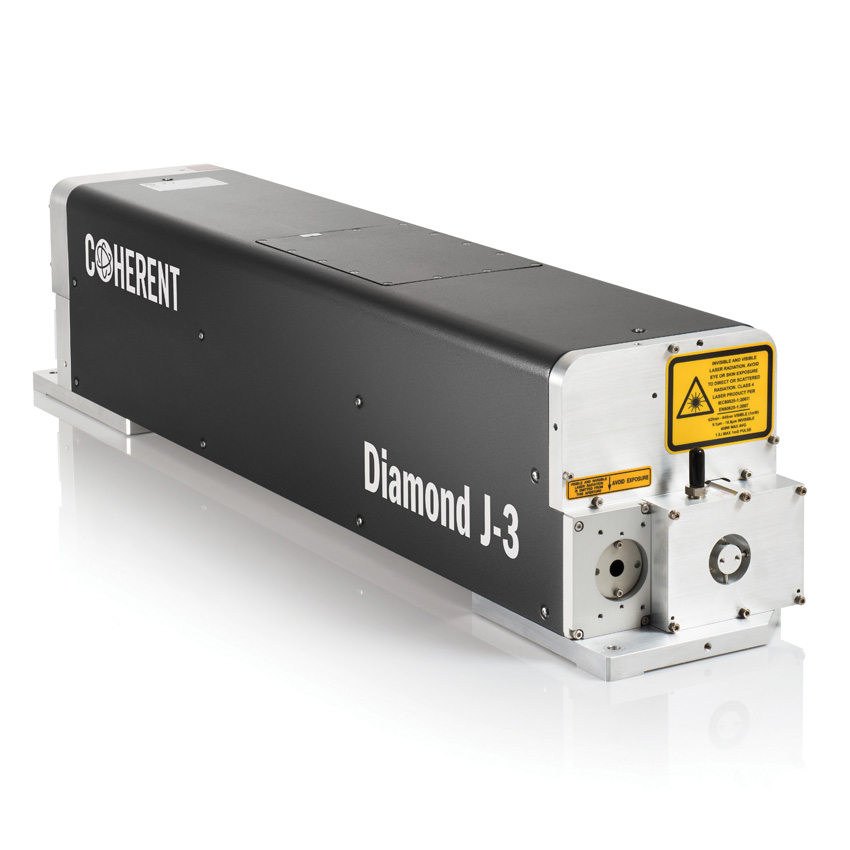
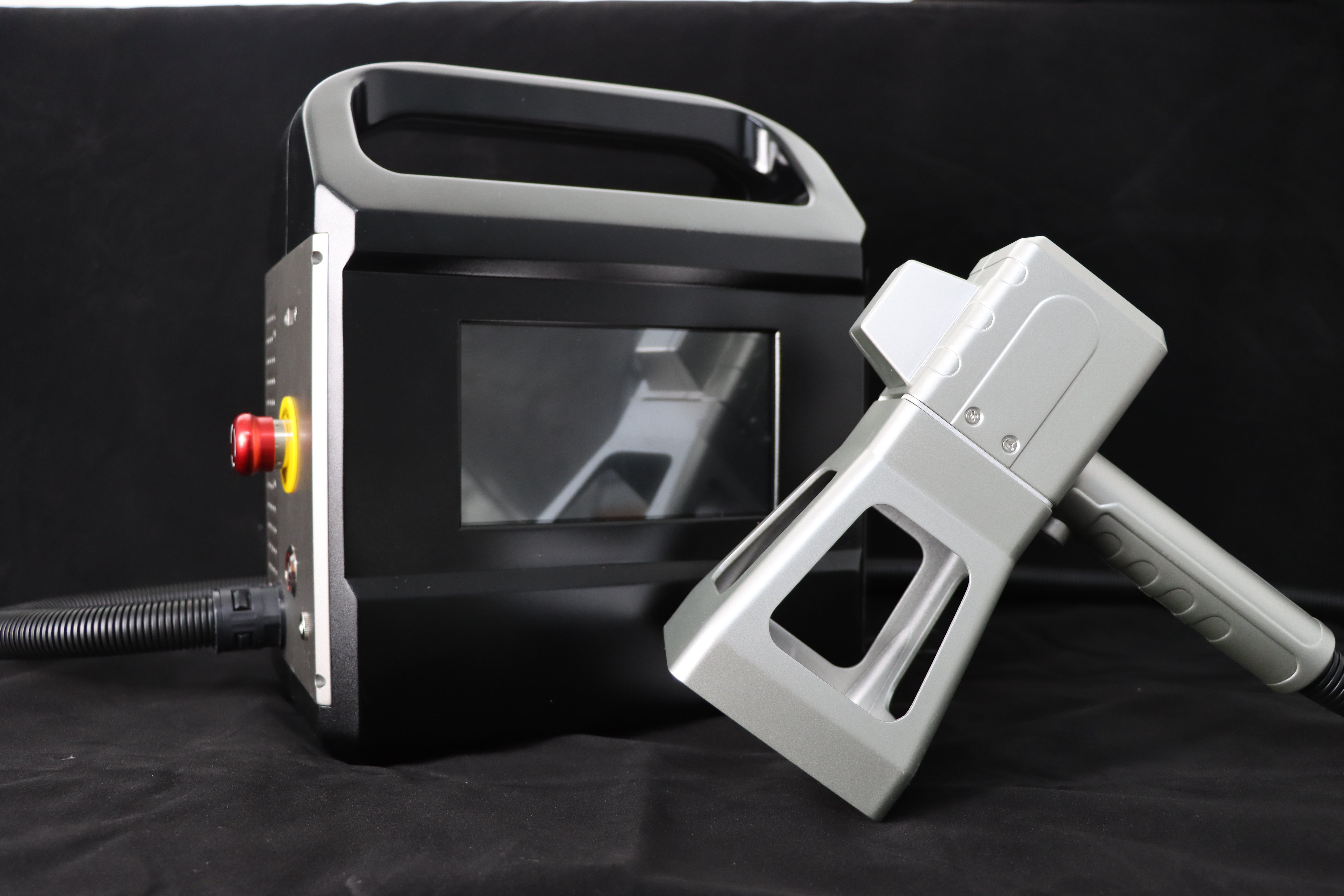
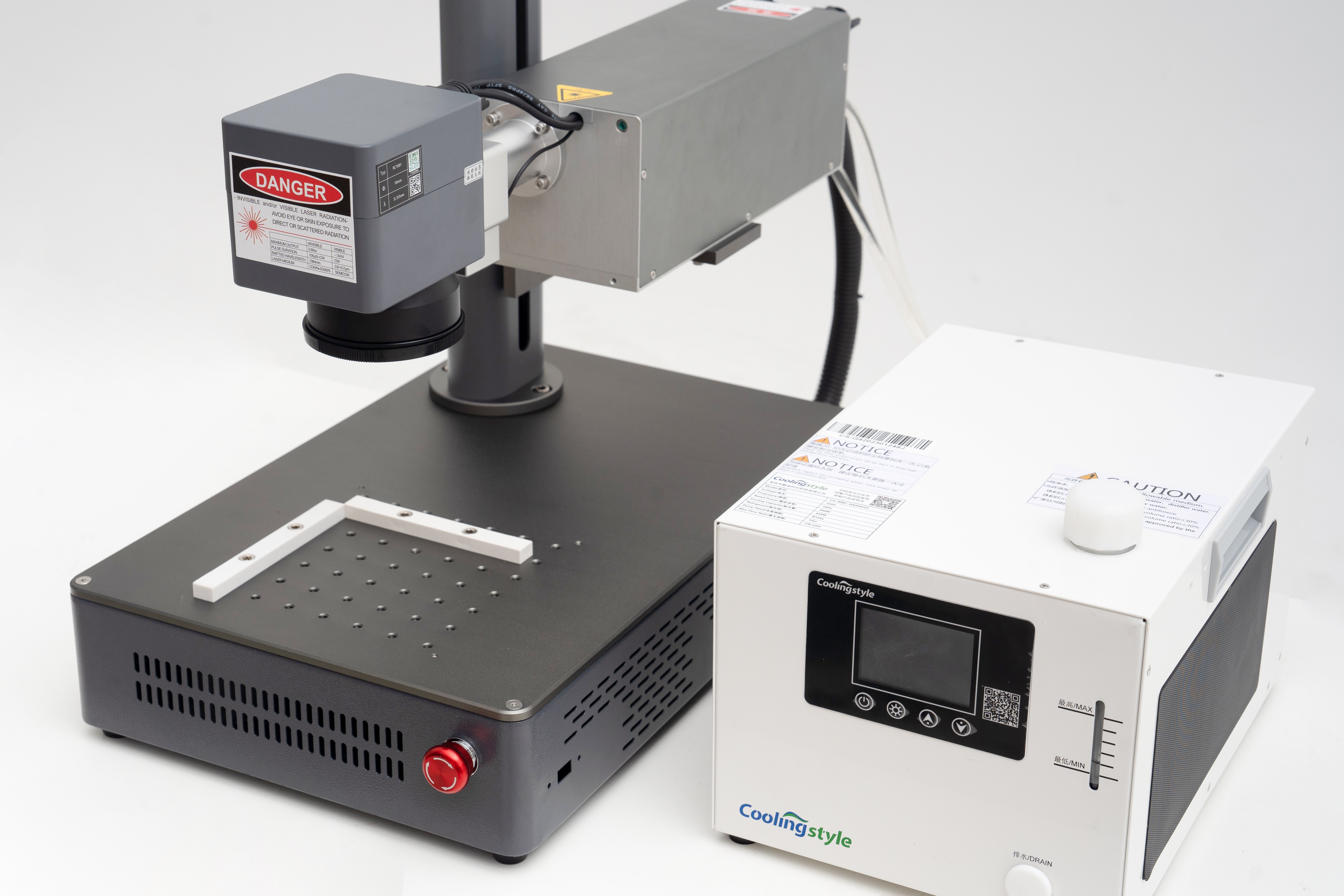
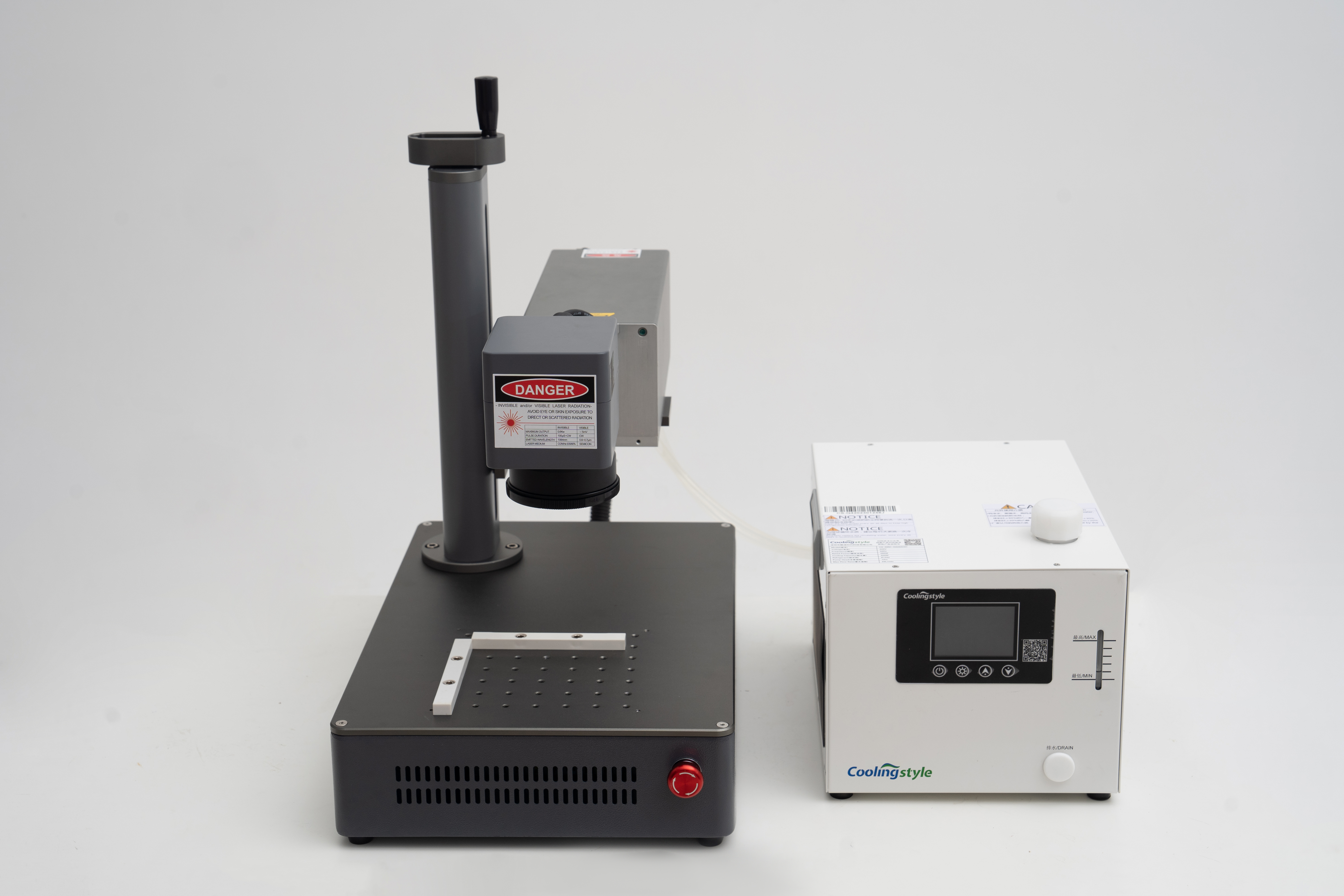
Laser engraving steel is an advanced marking technology that uses focused laser beams to create permanent, high-contrast marks on steel surfaces. This precision process removes or alters the surface layer of steel materials through controlled heat application, producing detailed text, logos, barcodes, serial numbers, and intricate designs. The technology utilizes fiber lasers, CO2 lasers, or diode lasers, with fiber lasers being most effective for steel applications due to their wavelength compatibility with metal absorption rates. Laser engraving steel offers exceptional accuracy with tolerances as tight as 0.001 inches, enabling manufacturers to create complex patterns and micro-detailed engravings that traditional methods cannot achieve. The non-contact nature of laser engraving steel eliminates tool wear and mechanical stress on workpieces, making it ideal for delicate components and hardened steel surfaces. This technology supports various steel types including stainless steel, carbon steel, tool steel, and alloy steel across thicknesses ranging from thin sheets to thick plates. Applications span automotive part identification, aerospace component traceability, medical instrument marking, industrial tooling, jewelry personalization, and promotional product customization. The process generates minimal waste, requires no consumables like inks or chemicals, and produces environmentally friendly results. Laser engraving steel systems integrate seamlessly with computer-aided design software, allowing operators to import digital files and execute precise reproductions consistently across production runs, ensuring quality standardization and rapid project turnaround times.
 EN
EN
 AR
AR
 FR
FR
 DE
DE
 JA
JA
 KO
KO
 RU
RU
 ES
ES