fiber laser marking technology-0

Advanced Fiber Laser Marking Technology: Precision Industrial Marking Solutions for Modern Manufacturing

Get a Free Quote

Our representative will contact you soon.
Email
Name
Company Name
Message
0/1000

fiber laser marking technology

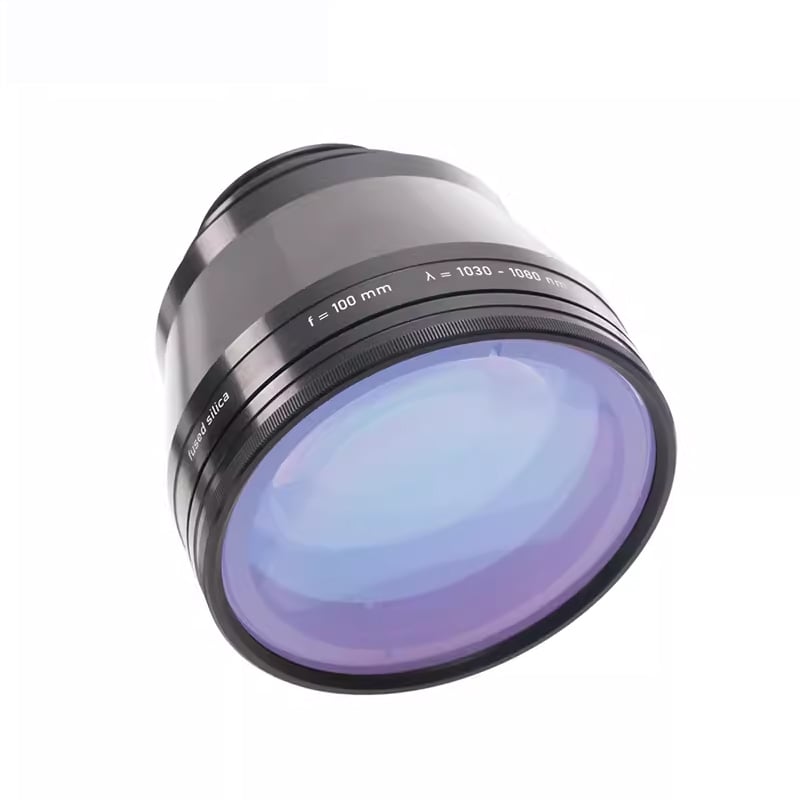
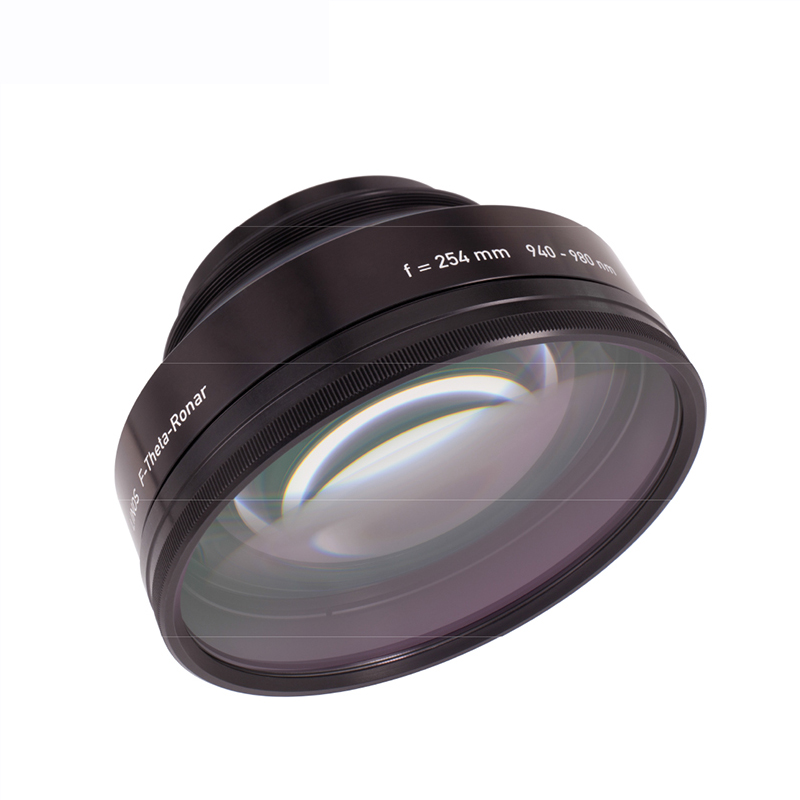
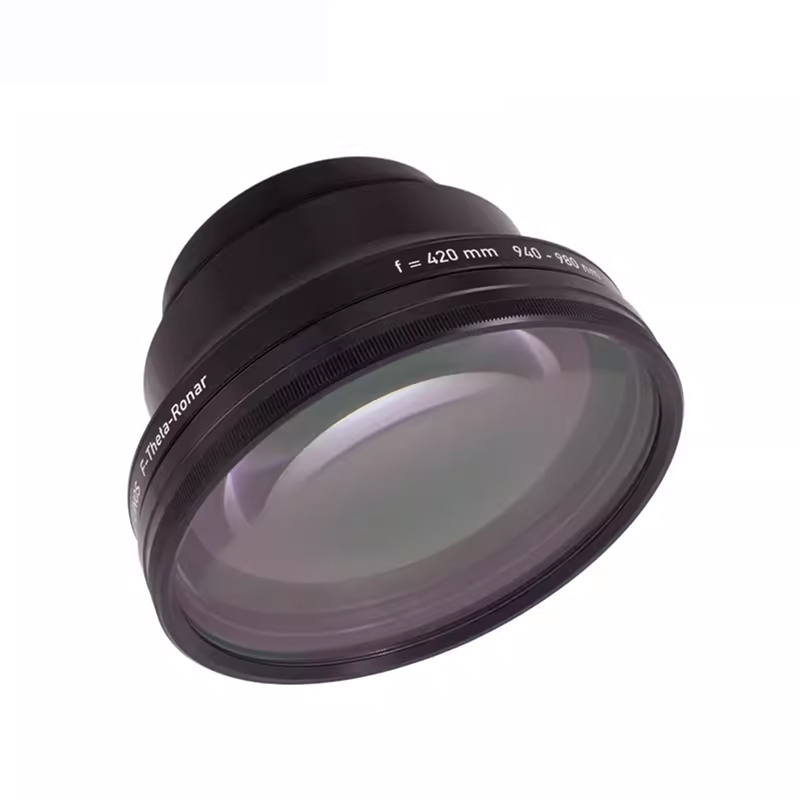
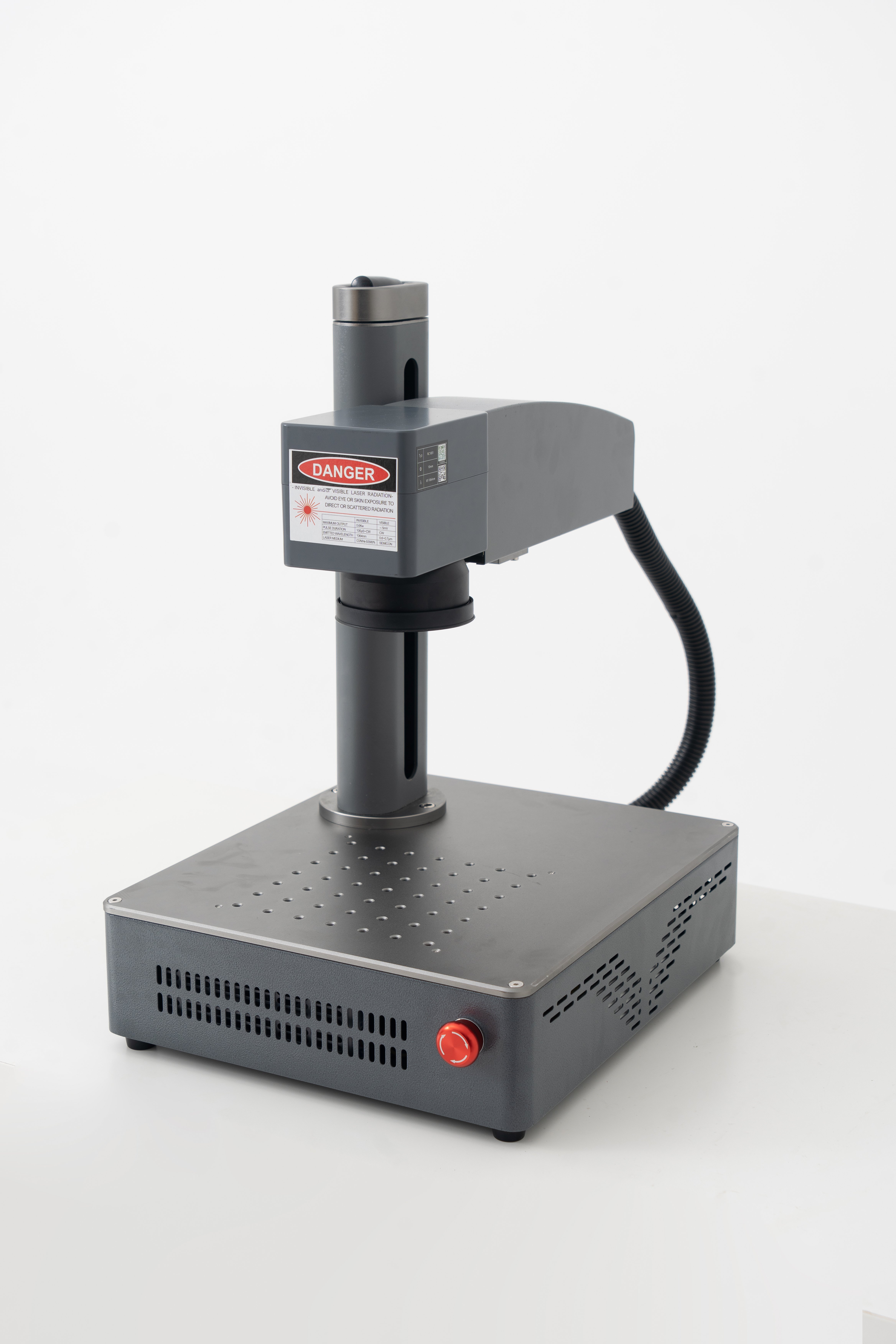
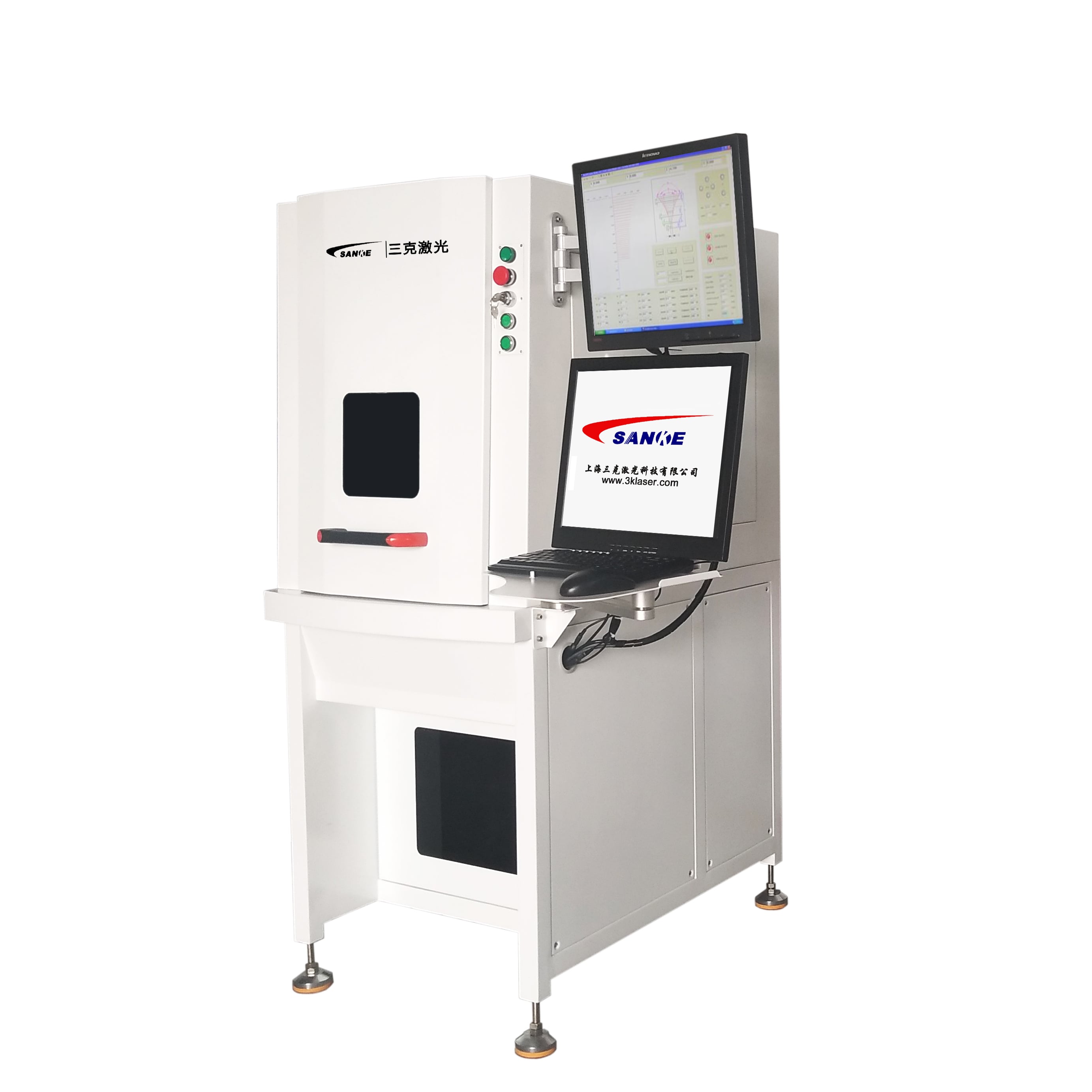
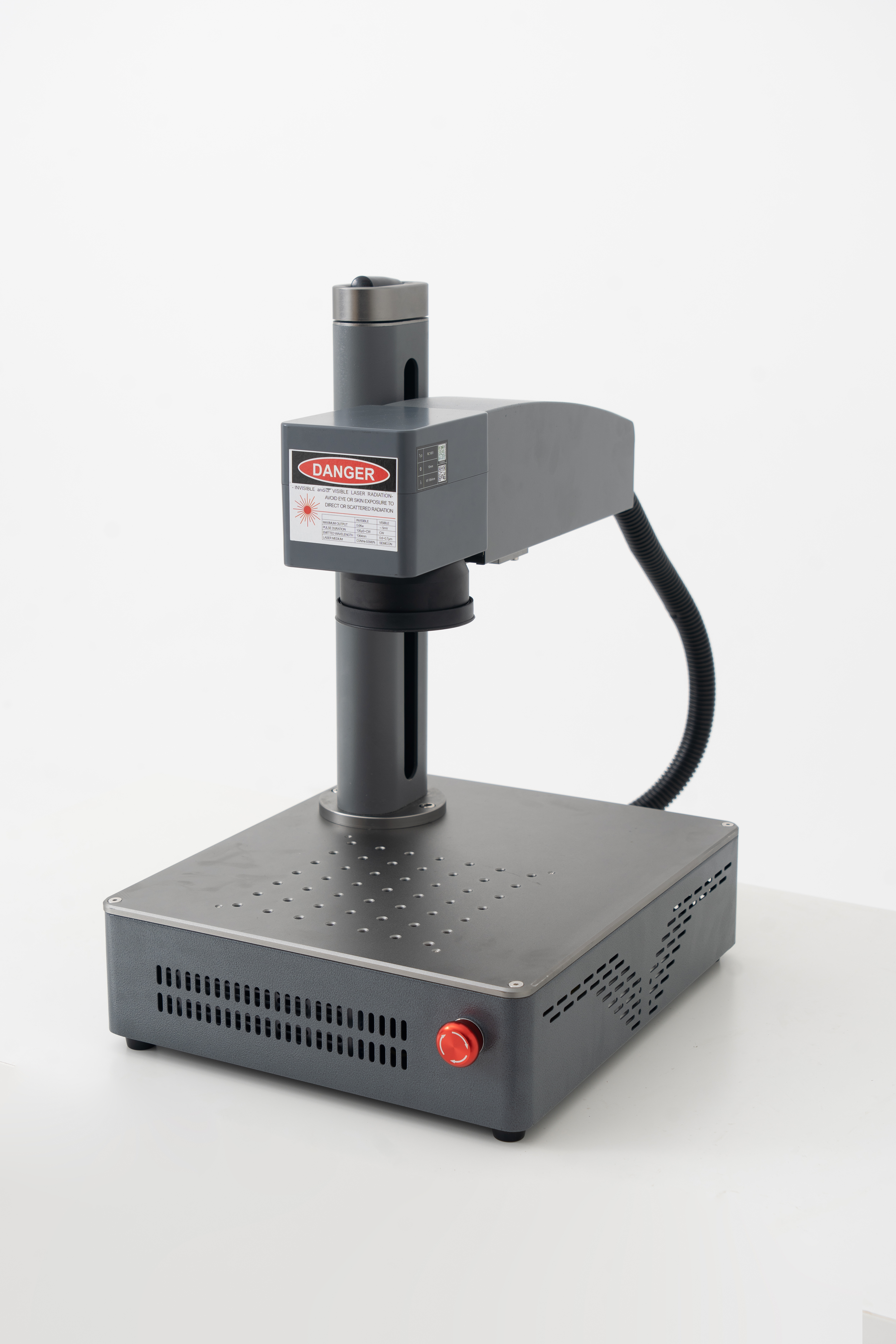
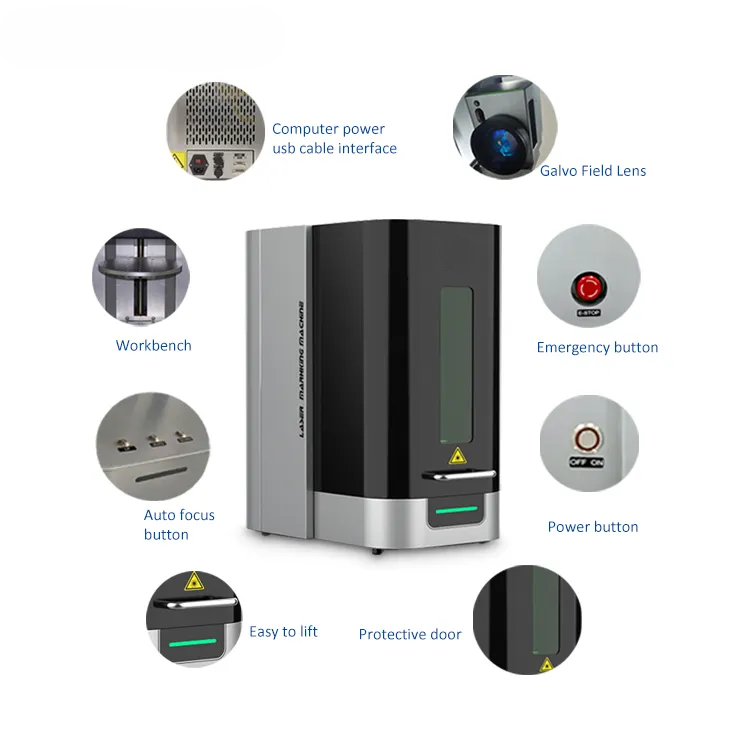
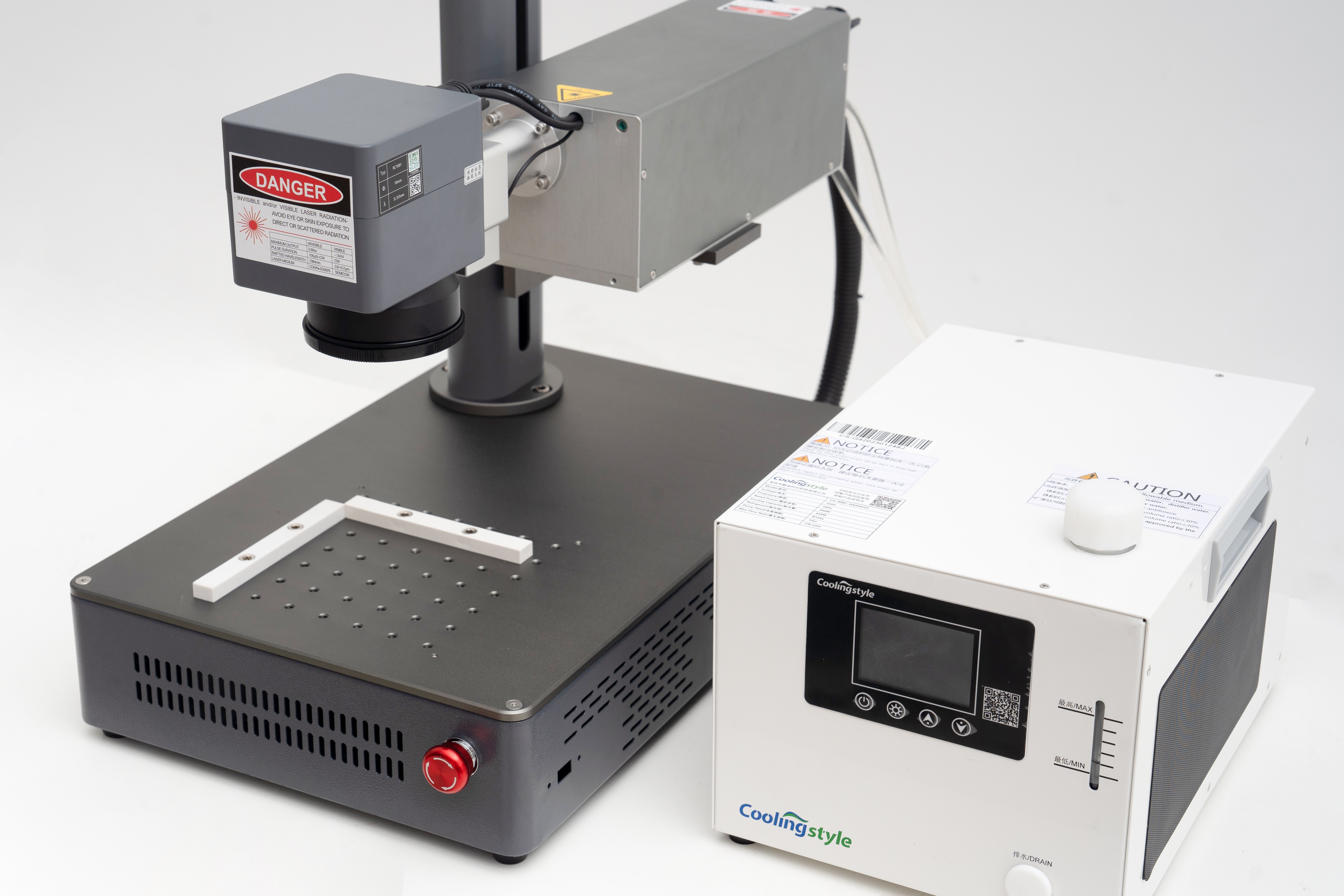
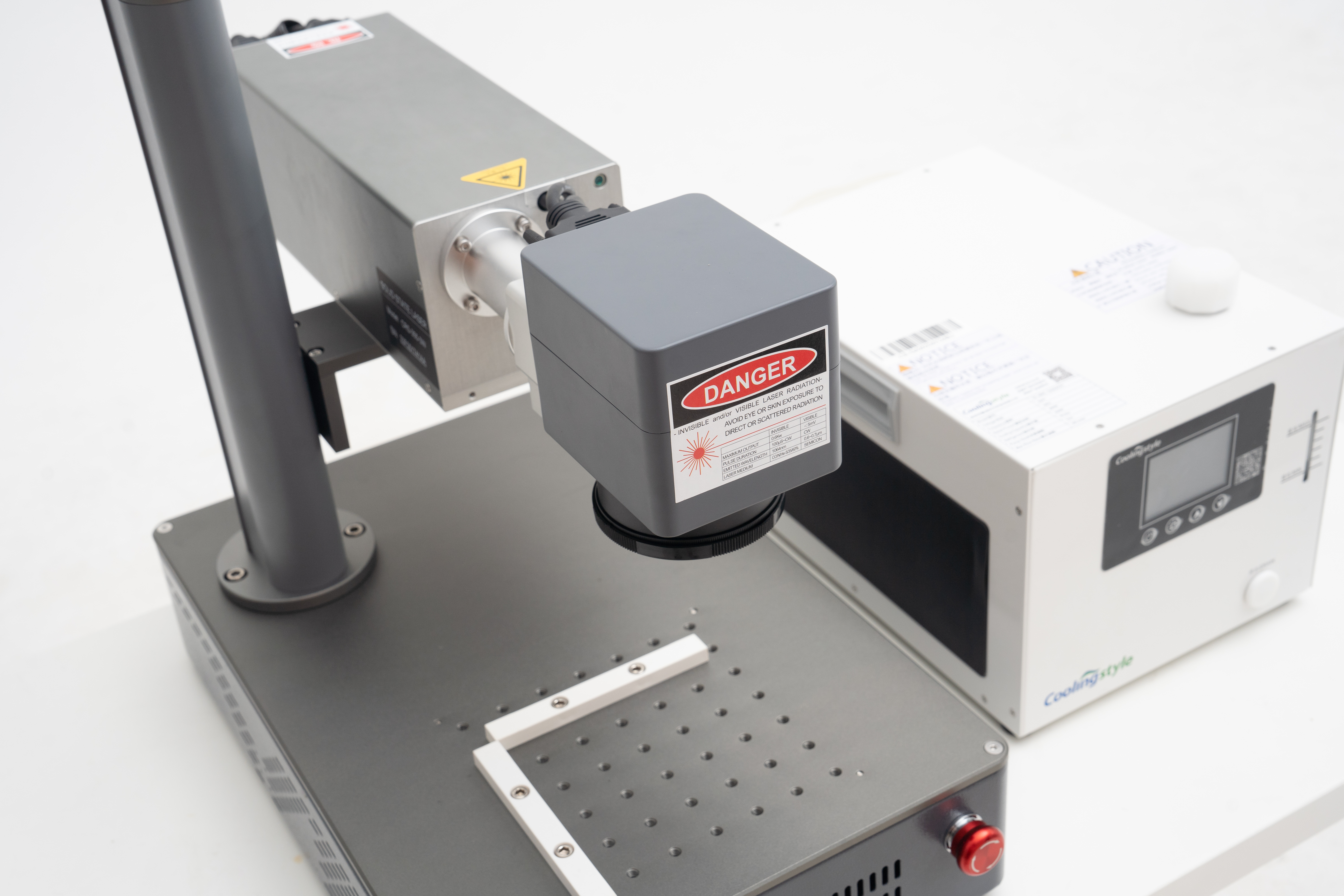
Fiber laser marking technology represents a cutting-edge solution for permanent marking applications across diverse industries. This advanced system utilizes fiber-optic laser sources to create precise, high-quality marks on various materials including metals, plastics, ceramics, and composites. The core functionality revolves around generating focused laser beams that interact with material surfaces to produce permanent identification marks, logos, barcodes, serial numbers, and decorative patterns. The fiber laser marking technology operates through a sophisticated process where laser light travels through optical fibers before being concentrated into a precise beam. This concentrated energy creates controlled thermal effects on target materials, resulting in color changes, surface texturing, or material removal depending on the application requirements. The technology offers exceptional versatility in marking depth, from surface-level color changes to deep engraving applications. Key technological features include computer-controlled precision positioning systems, advanced software interfaces for design customization, and real-time monitoring capabilities. The fiber laser marking technology incorporates variable power settings, adjustable pulse frequencies, and programmable marking speeds to accommodate different material properties and marking requirements. Modern systems feature user-friendly interfaces that allow operators to import designs, adjust parameters, and execute marking operations with minimal training. The compact design and robust construction make these systems suitable for both standalone operations and integration into automated production lines. Applications span automotive manufacturing for part identification, medical device marking for traceability compliance, electronics manufacturing for component labeling, aerospace industries for critical part marking, jewelry engraving for personalization, and promotional product customization. The fiber laser marking technology delivers consistent results across high-volume production environments while maintaining exceptional marking quality and repeatability standards essential for modern manufacturing processes.

Popular Products

Fiber laser marking technology delivers substantial cost savings compared to traditional marking methods through elimination of consumable materials like inks, solvents, or replacement parts. This technology operates without requiring ongoing purchases of marking supplies, reducing operational expenses significantly over time. The maintenance requirements remain minimal, with typical systems operating thousands of hours between service intervals. Energy consumption stays remarkably low, contributing to reduced utility costs and environmental sustainability goals. The marking speed capabilities exceed conventional methods substantially, enabling manufacturers to increase throughput without compromising quality standards. Production lines benefit from faster cycle times, allowing businesses to meet demanding delivery schedules while maintaining competitive pricing structures. The precision levels achieved through fiber laser marking technology surpass traditional alternatives, creating marks with exceptional clarity and consistency. This accuracy ensures compliance with industry standards for traceability and identification requirements across regulated sectors. Durability represents another significant advantage, as marks created through fiber laser marking technology resist fading, wearing, or degradation under harsh environmental conditions. The permanent nature of these marks ensures long-term readability essential for warranty tracking, quality control, and regulatory compliance purposes. Versatility enables processing of diverse materials without requiring tool changes or extensive setup modifications. Operators can switch between different marking applications quickly, reducing downtime and increasing operational flexibility. The contactless marking process eliminates mechanical wear associated with traditional stamping or engraving methods, extending equipment lifespan while reducing replacement costs. Integration capabilities allow seamless incorporation into existing production systems through standard communication protocols and mounting configurations. Safety features include enclosed laser paths and automated safety interlocks, protecting operators while maintaining productivity levels. Quality consistency remains constant throughout extended production runs, eliminating variations common in conventional marking processes. The technology supports complex designs, fine details, and high-resolution graphics that traditional methods cannot achieve reliably. Environmental benefits include elimination of chemical waste, reduced noise levels, and minimal space requirements compared to alternative marking solutions.

Tips And Tricks

How can laser welding be applied to different materials, and what are the challenges?

19

Nov

How can laser welding be applied to different materials, and what are the challenges?

Laser welding has revolutionized modern manufacturing processes by offering unprecedented precision and versatility in joining various materials. This advanced technique utilizes focused laser beams to create high-quality welds with minimal heat-affe...
View More
How Do Different Laser Sources Impact the Efficiency of Industrial Processes?

19

Nov

How Do Different Laser Sources Impact the Efficiency of Industrial Processes?

Industrial manufacturing has undergone a revolutionary transformation with the integration of advanced laser technology, where different laser sources serve as the cornerstone of precision processing across numerous sectors. The selection of appropri...
View More
2025 Guide: How to Choose the Perfect Beam Expander

21

Oct

2025 Guide: How to Choose the Perfect Beam Expander

Understanding the Critical Role of Beam Expanders in Modern Optics The optical industry continues to evolve at a rapid pace, and beam expanders have become indispensable components in numerous applications, from laser processing to advanced microscop...
View More
Fixed vs Variable Beam Expander: Which to Choose?

21

Oct

Fixed vs Variable Beam Expander: Which to Choose?

Understanding Optical Beam Expansion Technology In the world of optics and laser applications, beam expanders play a crucial role in manipulating light beams for various scientific and industrial purposes. These sophisticated optical instruments are ...
View More

Get a Free Quote

Our representative will contact you soon.
Email
Name
Company Name
Message
0/1000

fiber laser marking technology

Unmatched Precision and Quality Control

Unmatched Precision and Quality Control

Fiber laser marking technology achieves extraordinary precision levels that set new standards for manufacturing quality control and product identification. The system generates marks with tolerances measured in micrometers, ensuring exceptional consistency across millions of marking cycles. This precision capability stems from advanced beam control systems that maintain focal accuracy regardless of material variations or environmental conditions. The technology produces crisp, clear marks with sharp edges and uniform depth distribution, eliminating the inconsistencies associated with mechanical marking methods. Quality control benefits extend beyond basic marking precision to encompass advanced verification capabilities built into modern fiber laser marking technology systems. Integrated vision systems can inspect each mark immediately after creation, comparing results against predetermined specifications and automatically flagging any deviations. This real-time quality assurance prevents defective products from advancing through production lines, reducing waste and protecting brand reputation. The marking resolution capabilities enable creation of complex patterns, fine text, and detailed graphics that remain legible even at microscopic scales. Medical device manufacturers particularly value this precision for creating tiny identification codes on surgical instruments and implantable devices where space constraints demand maximum information density. Aerospace applications benefit from the ability to mark critical components with detailed traceability information without affecting structural integrity or aerodynamic properties. The consistent mark quality ensures reliable optical character recognition and barcode scanning throughout product lifecycles. Advanced software controls allow operators to optimize marking parameters for specific materials and applications, maintaining quality standards while maximizing production efficiency. The precision extends to depth control, enabling creation of marks that penetrate to exact specifications without compromising material strength or surface finish requirements. Quality documentation capabilities automatically record marking parameters and results, supporting ISO certification requirements and providing comprehensive audit trails for regulatory compliance purposes.
Exceptional Speed and Production Efficiency

Exceptional Speed and Production Efficiency

Production efficiency reaches new heights through fiber laser marking technology implementation, delivering marking speeds that dramatically exceed conventional alternatives while maintaining superior quality standards. Modern systems achieve marking rates exceeding 7000 characters per minute for standard text applications, with graphic marking speeds optimized for specific content types and material properties. This exceptional speed capability transforms production line bottlenecks into competitive advantages, allowing manufacturers to increase throughput without additional equipment investments. The rapid marking capability stems from advanced galvanometer scanning systems that position laser beams with lightning-fast precision across marking areas. Unlike mechanical systems requiring physical movement between marking positions, fiber laser marking technology accomplishes complex patterns through electronic beam steering, eliminating mechanical delays and reducing cycle times substantially. Integration with automated handling systems enables continuous production flows where products move through marking stations without manual intervention, maximizing efficiency while reducing labor costs. The technology supports simultaneous multi-station operations where single laser sources can serve multiple marking positions through beam splitting and routing systems, further multiplying production capacity. Setup time reductions represent another significant efficiency gain, as fiber laser marking technology eliminates tool changes, ink refills, and mechanical adjustments required by traditional methods. Operators can switch between different marking programs instantly through software selection, accommodating diverse product lines without production delays. The consistent marking speed remains stable throughout extended production runs, unlike conventional methods that may slow down due to tool wear or supply depletion. Predictable cycle times enable accurate production scheduling and delivery commitments, improving customer satisfaction and operational planning accuracy. Energy efficiency contributes to overall production economics, as fiber laser marking technology consumes significantly less power than alternative marking methods while delivering superior performance. The combination of speed, consistency, and reliability makes this technology ideal for high-volume manufacturing environments where production efficiency directly impacts profitability and market competitiveness.
Versatile Material Compatibility and Application Flexibility

Versatile Material Compatibility and Application Flexibility

Material compatibility represents one of the most compelling advantages of fiber laser marking technology, offering unprecedented flexibility for diverse industrial applications and substrate types. The technology successfully processes metals including stainless steel, aluminum, titanium, copper, and various alloys while delivering consistent results across different material compositions and surface conditions. Plastic materials respond excellently to fiber laser marking technology, with capabilities extending to engineering plastics, medical-grade polymers, automotive components, and consumer goods packaging materials. The marking process adapts automatically to material properties through programmable parameter adjustments, ensuring optimal results regardless of substrate variations. Ceramic materials, traditionally challenging for conventional marking methods, process effectively through specialized fiber laser marking technology configurations designed for high-hardness applications. Glass marking capabilities enable permanent identification of laboratory equipment, automotive components, and decorative applications without compromising structural integrity. Composite materials used in aerospace, automotive, and sporting goods industries benefit from precise marking that respects material layering and bonding properties. The versatility extends beyond material types to encompass diverse marking applications including surface etching, color change marking, deep engraving, and ablative processes. Each marking method can be optimized for specific visual and functional requirements while maintaining production efficiency standards. Coating removal applications utilize fiber laser marking technology to selectively remove surface treatments, creating contrasting marks without affecting base materials. Annealing processes generate color changes in certain metals through controlled heat application, producing attractive marks without material removal or surface texture changes. The technology accommodates varying material thicknesses from thin films to heavy structural components without requiring mechanical adjustments or tooling changes. Surface preparation requirements remain minimal, as fiber laser marking technology processes materials in as-received conditions including painted, anodized, or plated surfaces. The contactless marking process eliminates concerns about material distortion or mechanical stress that can affect sensitive components. Application flexibility extends to mark positioning, with capabilities for curved surfaces, irregular geometries, and confined spaces that challenge conventional marking equipment. This versatility makes fiber laser marking technology suitable for industries ranging from electronics and medical devices to automotive manufacturing and promotional products, providing a single solution for diverse marking requirements across multiple production environments.

Get a Free Quote

Our representative will contact you soon.
Email
Name
Company Name
Message
0/1000