laser engraving types-0

Complete Guide to Laser Engraving Types: Technologies, Applications, and Benefits

Get a Free Quote

Our representative will contact you soon.
Email
Name
Company Name
Message
0/1000

laser engraving types

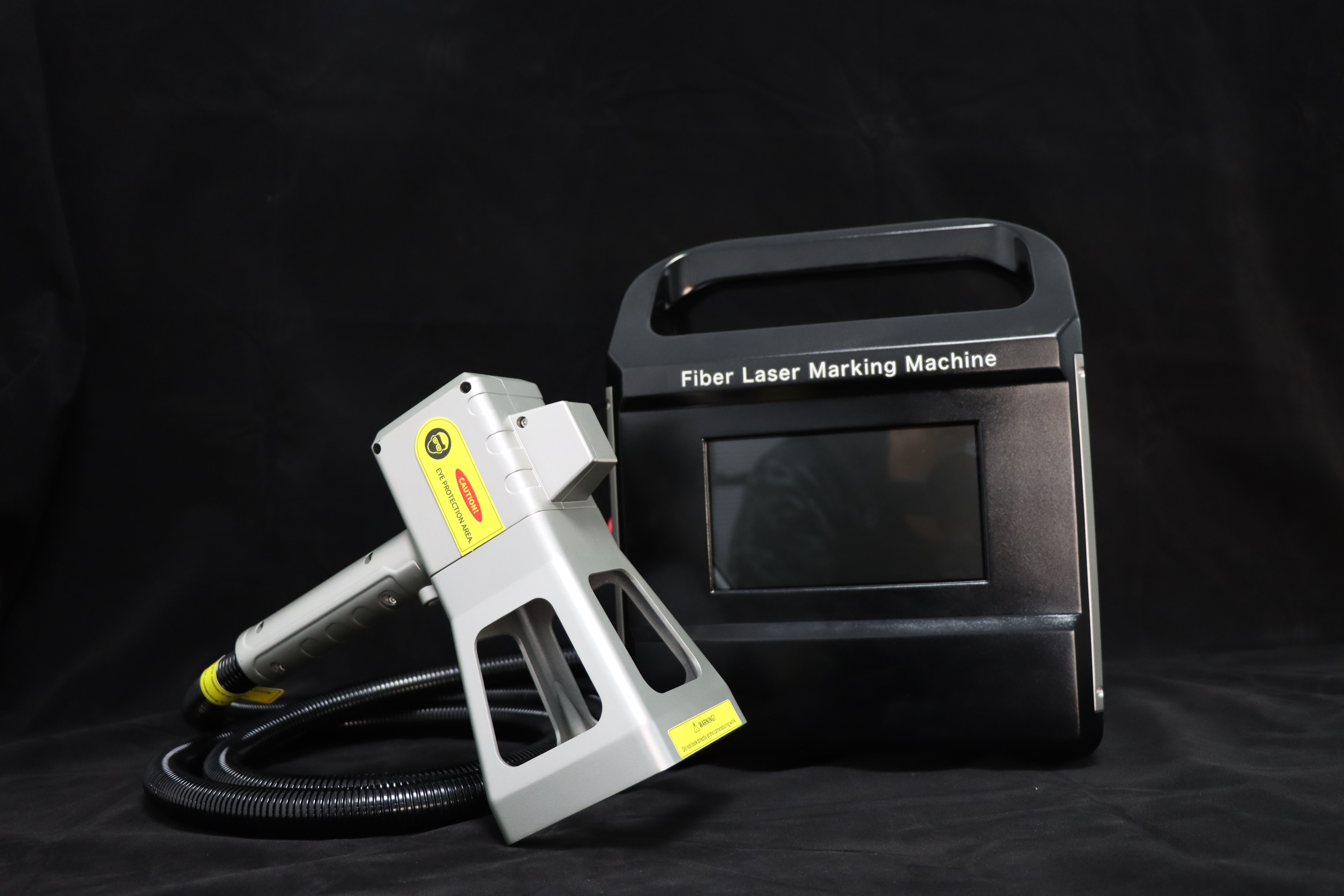
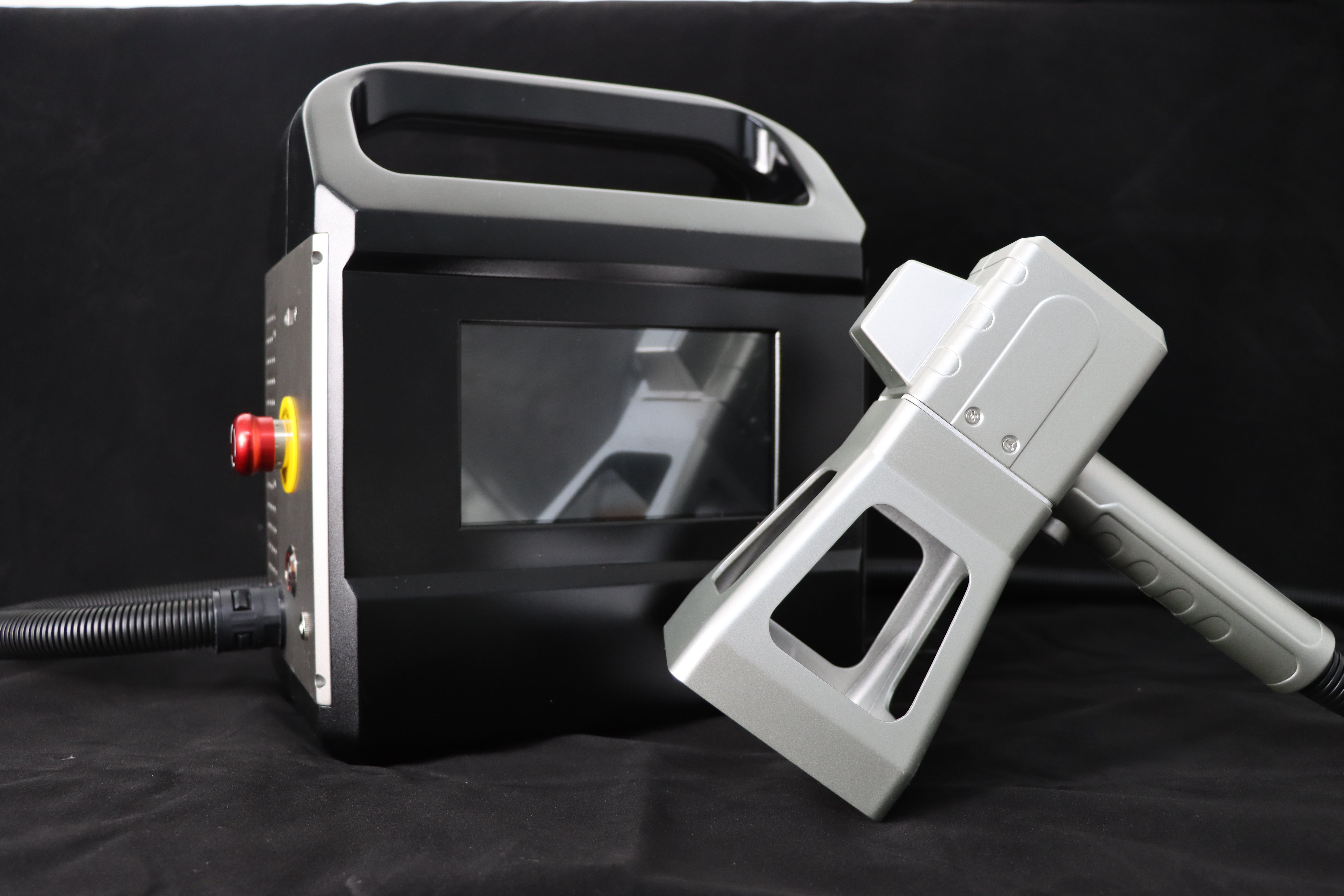
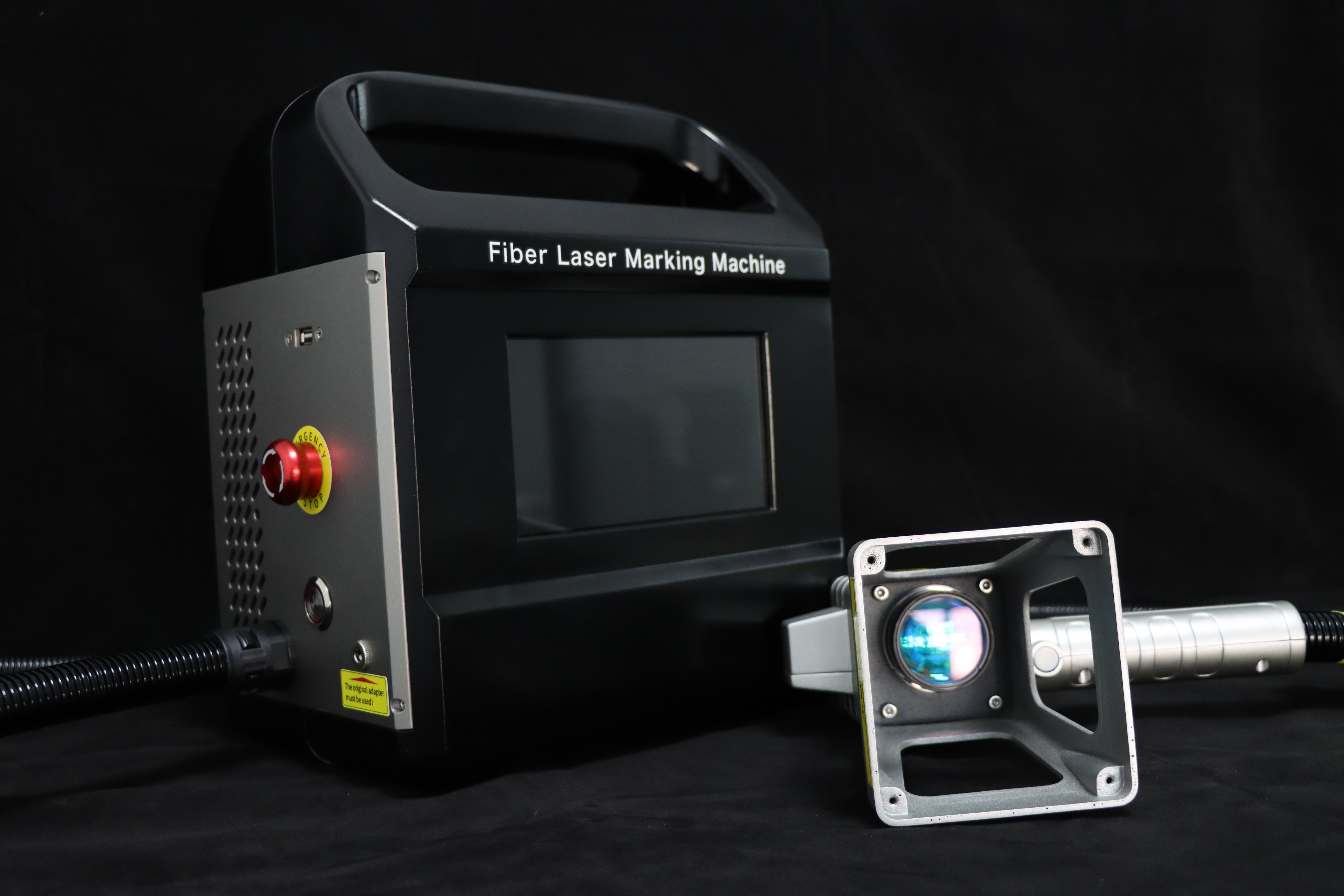
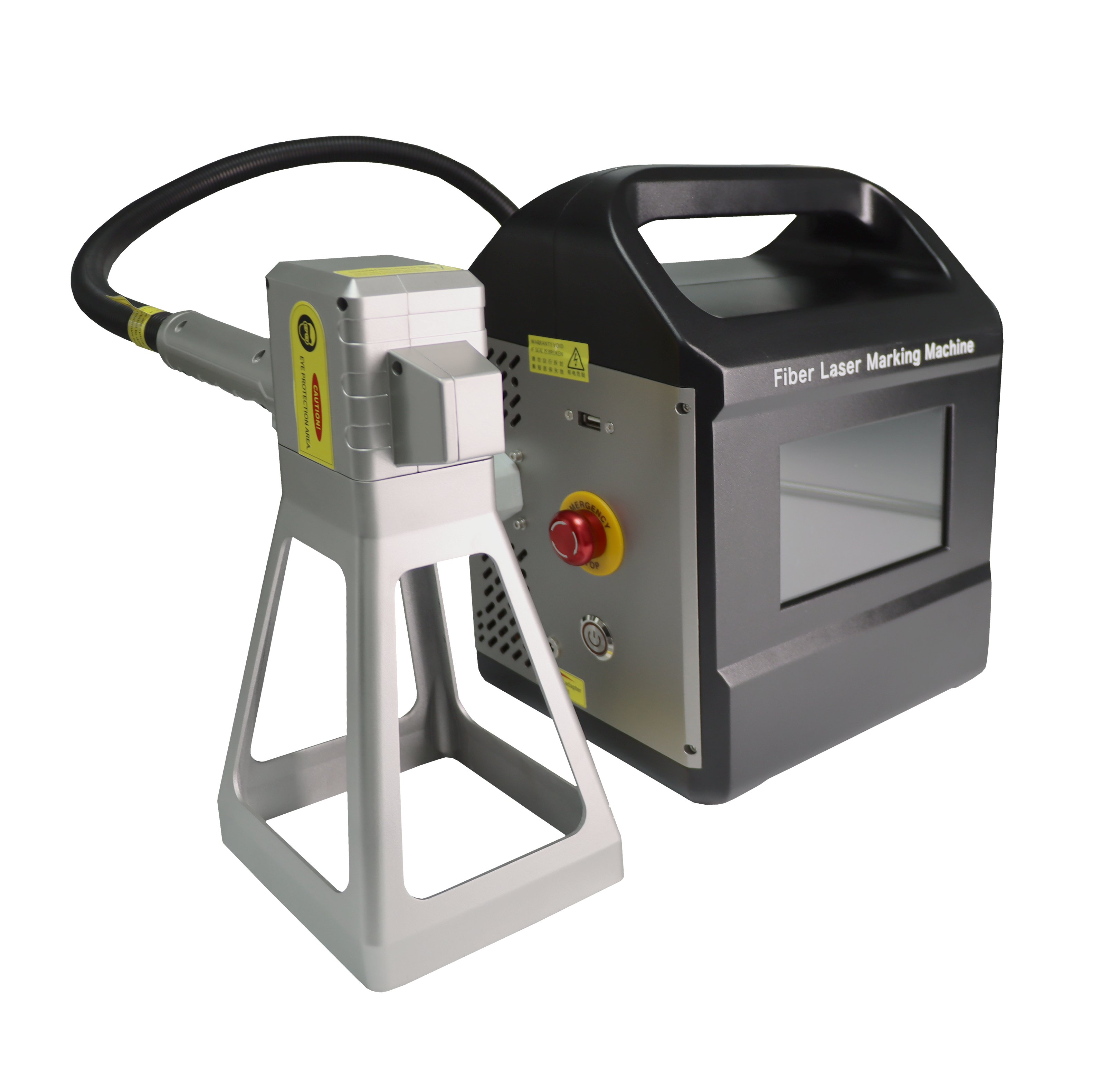
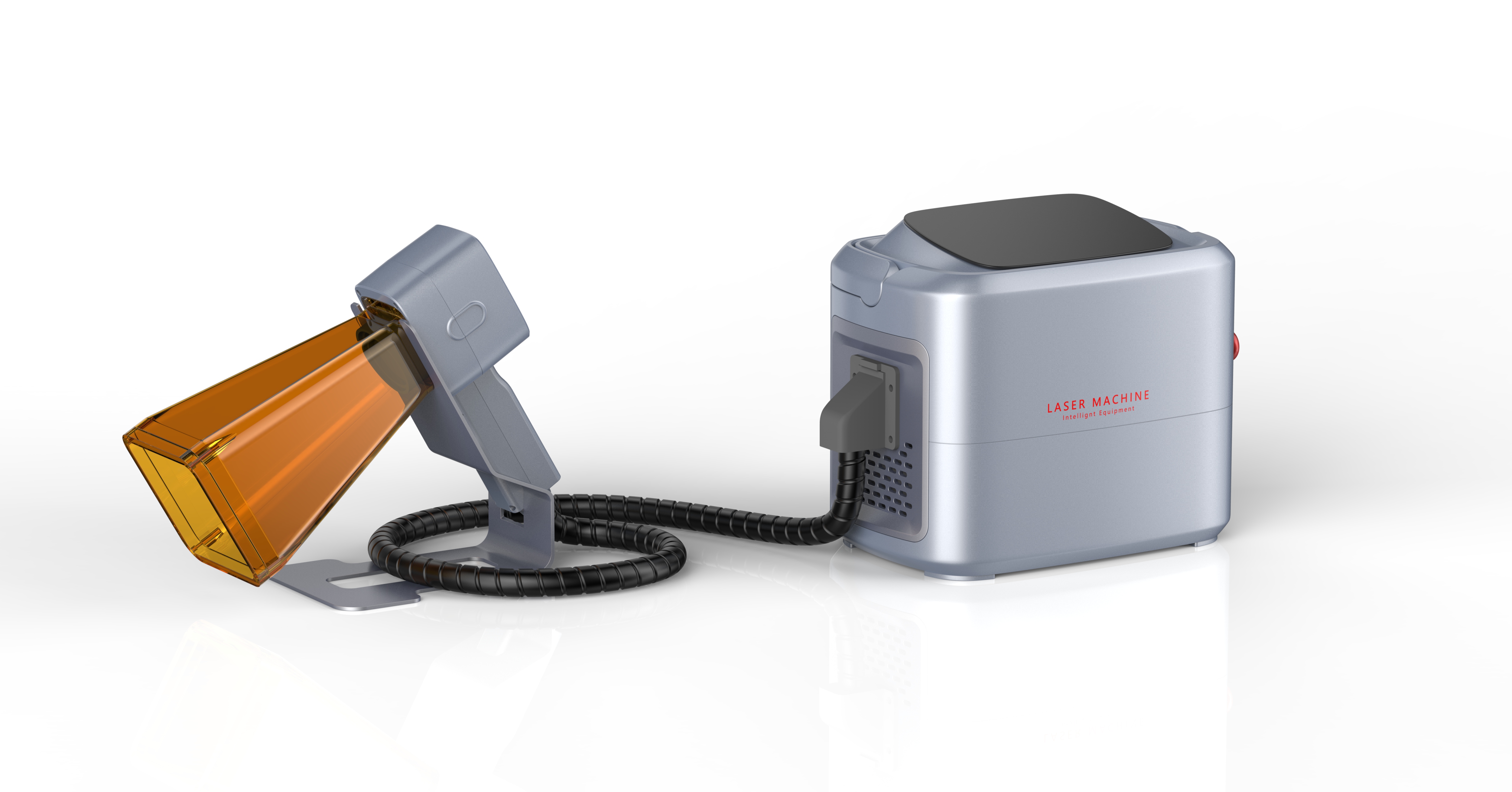
Laser engraving types encompass a diverse range of technologies that utilize focused light beams to create precise markings, cuts, and designs on various materials. The primary laser engraving types include CO2 lasers, fiber lasers, diode lasers, and UV lasers, each offering distinct capabilities and specialized applications. CO2 laser engraving types operate at 10.6 micrometers wavelength, making them exceptionally effective for organic materials such as wood, leather, acrylic, and paper. These laser engraving types deliver consistent results with excellent edge quality and minimal heat-affected zones. Fiber laser engraving types utilize infrared wavelengths around 1064 nanometers, providing superior performance on metals including stainless steel, aluminum, brass, and titanium. The technological features of fiber laser engraving types include higher beam quality, increased efficiency, and reduced maintenance requirements compared to traditional alternatives. Diode laser engraving types offer compact design and cost-effective solutions for small-scale projects and hobbyist applications. These laser engraving types typically operate at wavelengths between 405-980 nanometers, providing versatility for both marking and cutting operations on lighter materials. UV laser engraving types employ shorter wavelengths around 355 nanometers, enabling cold processing that eliminates thermal damage on sensitive substrates like plastics, ceramics, and electronic components. The main functions of these laser engraving types include surface marking, deep engraving, cutting, etching, and ablation processes. Applications span across industrial manufacturing, automotive components, medical device marking, jewelry customization, signage production, and artistic creations. Each of these laser engraving types incorporates advanced control systems, precision optics, and sophisticated software interfaces that enable operators to achieve micron-level accuracy and repeatability in their projects.

New Product Recommendations

The advantages of laser engraving types extend far beyond traditional marking methods, offering businesses and individuals unprecedented precision, speed, and versatility in their projects. Modern laser engraving types eliminate the need for physical contact with materials, preventing damage and ensuring consistent quality across all production runs. This non-contact approach allows laser engraving types to work with delicate materials that would otherwise be damaged by conventional engraving tools. The precision capabilities of laser engraving types enable intricate designs with line widths as narrow as 0.001 inches, making them ideal for detailed artwork, serial numbers, and complex patterns. Speed represents another significant advantage, as laser engraving types can complete projects in minutes rather than hours required by manual methods. The automated nature of laser engraving types reduces labor costs while maintaining superior quality standards throughout production cycles. Versatility stands out as a major benefit, since different laser engraving types can process materials ranging from soft plastics to hardened metals without requiring tool changes or mechanical adjustments. The clean processing characteristics of laser engraving types produce minimal waste and eliminate the need for secondary finishing operations in most applications. Durability of marks created by laser engraving types surpasses traditional methods, as the laser energy creates permanent alterations in material structure that resist fading, wearing, or chemical degradation. Flexibility in design changes allows operators to modify patterns instantly through software updates, eliminating expensive tooling modifications required by conventional systems. The environmental benefits of laser engraving types include reduced chemical usage, minimal material waste, and energy-efficient operation compared to alternative marking technologies. Cost-effectiveness emerges through reduced tooling expenses, lower maintenance requirements, and increased throughput capabilities. Safety improvements include enclosed processing chambers, automated material handling, and integrated safety systems that protect operators from hazardous exposures common in traditional engraving processes.

Tips And Tricks

Can a laser drilling machine be integrated into an automated production line?

19

Nov

Can a laser drilling machine be integrated into an automated production line?

Modern manufacturing demands unprecedented levels of precision, efficiency, and automation to remain competitive in today's global marketplace. The integration of advanced equipment into automated production lines has become essential for manufacture...
View More
How can laser welding be applied to different materials, and what are the challenges?

19

Nov

How can laser welding be applied to different materials, and what are the challenges?

Laser welding has revolutionized modern manufacturing processes by offering unprecedented precision and versatility in joining various materials. This advanced technique utilizes focused laser beams to create high-quality welds with minimal heat-affe...
View More
How Do Different Laser Sources Impact the Efficiency of Industrial Processes?

19

Nov

How Do Different Laser Sources Impact the Efficiency of Industrial Processes?

Industrial manufacturing has undergone a revolutionary transformation with the integration of advanced laser technology, where different laser sources serve as the cornerstone of precision processing across numerous sectors. The selection of appropri...
View More
Fixed vs Variable Beam Expander: Which to Choose?

21

Oct

Fixed vs Variable Beam Expander: Which to Choose?

Understanding Optical Beam Expansion Technology In the world of optics and laser applications, beam expanders play a crucial role in manipulating light beams for various scientific and industrial purposes. These sophisticated optical instruments are ...
View More

Get a Free Quote

Our representative will contact you soon.
Email
Name
Company Name
Message
0/1000

laser engraving types

Unmatched Precision and Accuracy Across All Laser Engraving Types

Unmatched Precision and Accuracy Across All Laser Engraving Types

The precision capabilities of modern laser engraving types represent a revolutionary advancement in marking and cutting technology, delivering accuracy levels that surpass traditional manufacturing methods by significant margins. Different laser engraving types achieve positioning accuracy within ±0.0001 inches, enabling the creation of intricate designs, microscopic text, and complex geometric patterns that would be impossible with conventional tools. This exceptional precision stems from advanced beam control systems that regulate laser power, speed, and focus with computer-controlled accuracy. Fiber laser engraving types excel in creating sharp, clean marks on metals with edge definition measured in micrometers, while CO2 laser engraving types produce smooth, polished edges on organic materials without requiring secondary finishing operations. The consistency of laser engraving types ensures that every piece in a production run maintains identical specifications, eliminating variations that commonly occur with manual processes. This reliability proves essential for industries requiring strict quality standards, such as aerospace components, medical devices, and electronic assemblies where marking accuracy directly impacts functionality and compliance. UV laser engraving types offer cold processing capabilities that preserve material integrity while achieving precise feature sizes down to 10 micrometers, making them indispensable for semiconductor applications and delicate substrate processing. The repeatability of laser engraving types means that complex designs can be reproduced thousands of times without degradation in quality or dimensional accuracy. Advanced software integration allows laser engraving types to automatically adjust parameters based on material characteristics, ensuring optimal results regardless of substrate variations. This precision extends to depth control, where laser engraving types can create graduated depths with tolerances measured in thousandths of an inch, enabling applications such as mold texturing, artistic relief work, and functional surface modifications that enhance grip or reduce friction.
Exceptional Material Versatility and Processing Capabilities

Exceptional Material Versatility and Processing Capabilities

The material versatility of laser engraving types stands as one of their most compelling advantages, offering businesses the flexibility to process an extensive range of substrates without investing in multiple specialized tools or equipment modifications. Different laser engraving types excel with specific material categories, creating a comprehensive solution for diverse manufacturing needs. CO2 laser engraving types demonstrate exceptional performance on organic materials including wood, leather, paper, cardboard, acrylic, and rubber, producing clean cuts and detailed engravings with minimal thermal damage. These laser engraving types can adjust power levels and pulse rates to accommodate material thickness variations from thin films to thick blocks, maintaining consistent quality across the entire processing range. Fiber laser engraving types revolutionize metal processing by efficiently marking and cutting stainless steel, aluminum, copper, brass, titanium, and even reflective surfaces that challenge other marking methods. The wavelength characteristics of fiber laser engraving types enable deep penetration into dense materials while maintaining precise control over heat-affected zones. Diode laser engraving types offer cost-effective solutions for lighter materials and provide excellent results on painted metals, anodized aluminum, and various plastics. UV laser engraving types excel with heat-sensitive materials such as flexible circuits, thin films, ceramics, and glass, where thermal damage must be eliminated entirely. The adaptability of laser engraving types extends to material thickness, with cutting capabilities ranging from ultra-thin foils to plates several inches thick, depending on the specific laser type and power rating. Surface preparation requirements are minimal for laser engraving types, as they can process materials with various finishes, coatings, and textures without prior treatment. This versatility eliminates inventory complexity and reduces setup times, allowing rapid transitions between different projects and material types within the same production schedule.
Superior Speed and Efficiency in Production Environments

Superior Speed and Efficiency in Production Environments

The speed and efficiency advantages of laser engraving types transform production capabilities, enabling businesses to meet demanding deadlines while maintaining exceptional quality standards across all manufacturing processes. Modern laser engraving types achieve processing speeds that far exceed conventional marking methods, with some systems capable of engraving at rates exceeding 10,000 millimeters per minute while maintaining precision tolerances. The high-speed capabilities of laser engraving types result from advanced galvanometer scanning systems that position the laser beam with incredible speed and accuracy, eliminating the mechanical limitations inherent in traditional engraving tools. Fiber laser engraving types demonstrate particular efficiency in metal marking applications, completing complex designs in seconds rather than minutes required by alternative methods. The continuous operation capabilities of laser engraving types support 24-hour production schedules with minimal downtime for maintenance or tool changes, maximizing equipment utilization and return on investment. Batch processing features allow laser engraving types to handle multiple pieces simultaneously, multiplying throughput without compromising individual piece quality. The automated nature of laser engraving types reduces labor requirements while increasing output consistency, as human error factors are eliminated through computer-controlled operations. Setup times for laser engraving types are significantly reduced compared to traditional methods, as design changes require only software modifications rather than physical tool adjustments or replacement. This flexibility enables rapid prototyping and short-run production without the extended setup periods associated with conventional manufacturing processes. Energy efficiency of modern laser engraving types contributes to operational cost reductions while supporting environmental sustainability goals. The precision of laser engraving types eliminates material waste through accurate cutting and minimal kerf width, reducing raw material costs and disposal expenses. Quality control processes are streamlined with laser engraving types, as consistent laser parameters ensure predictable results that require minimal inspection and rework, further enhancing overall production efficiency.

Get a Free Quote

Our representative will contact you soon.
Email
Name
Company Name
Message
0/1000