laser deep engraving-0

Professional Laser Deep Engraving Services - Precision Marking Solutions for Industrial Applications

Get a Free Quote

Our representative will contact you soon.
Email
Name
Company Name
Message
0/1000

laser deep engraving

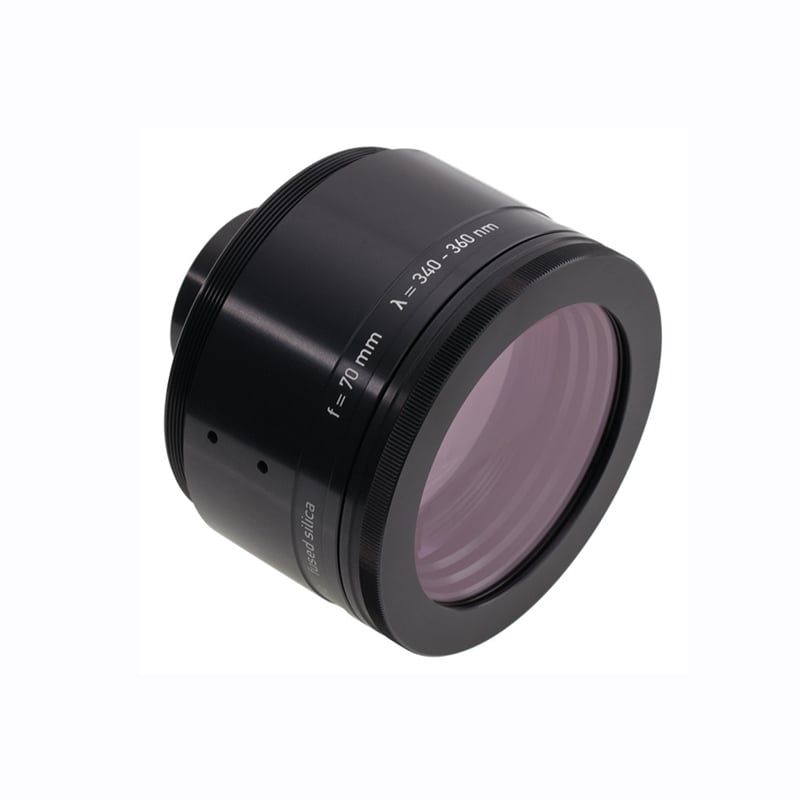
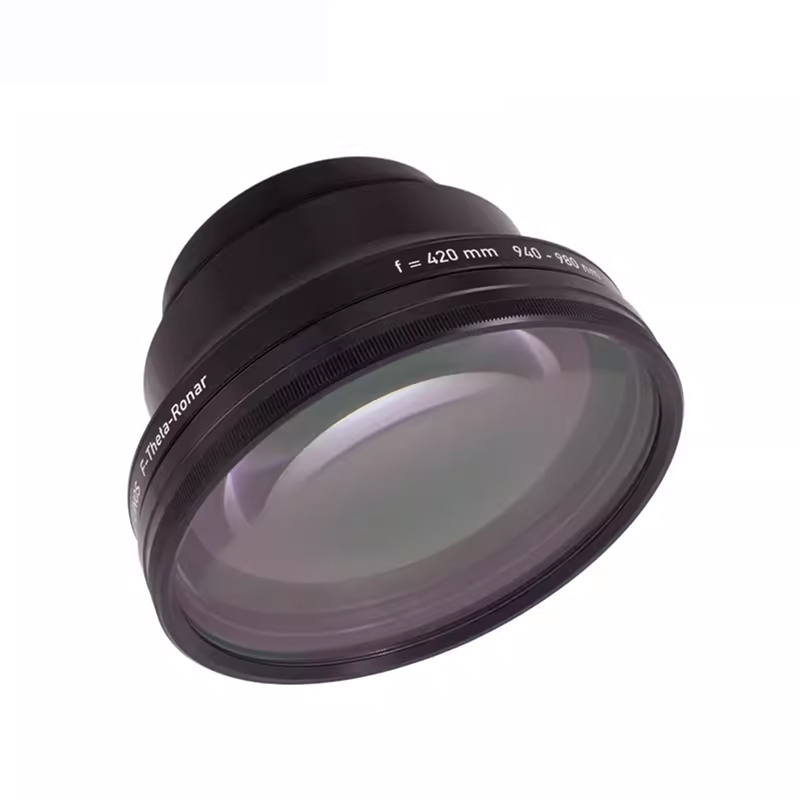
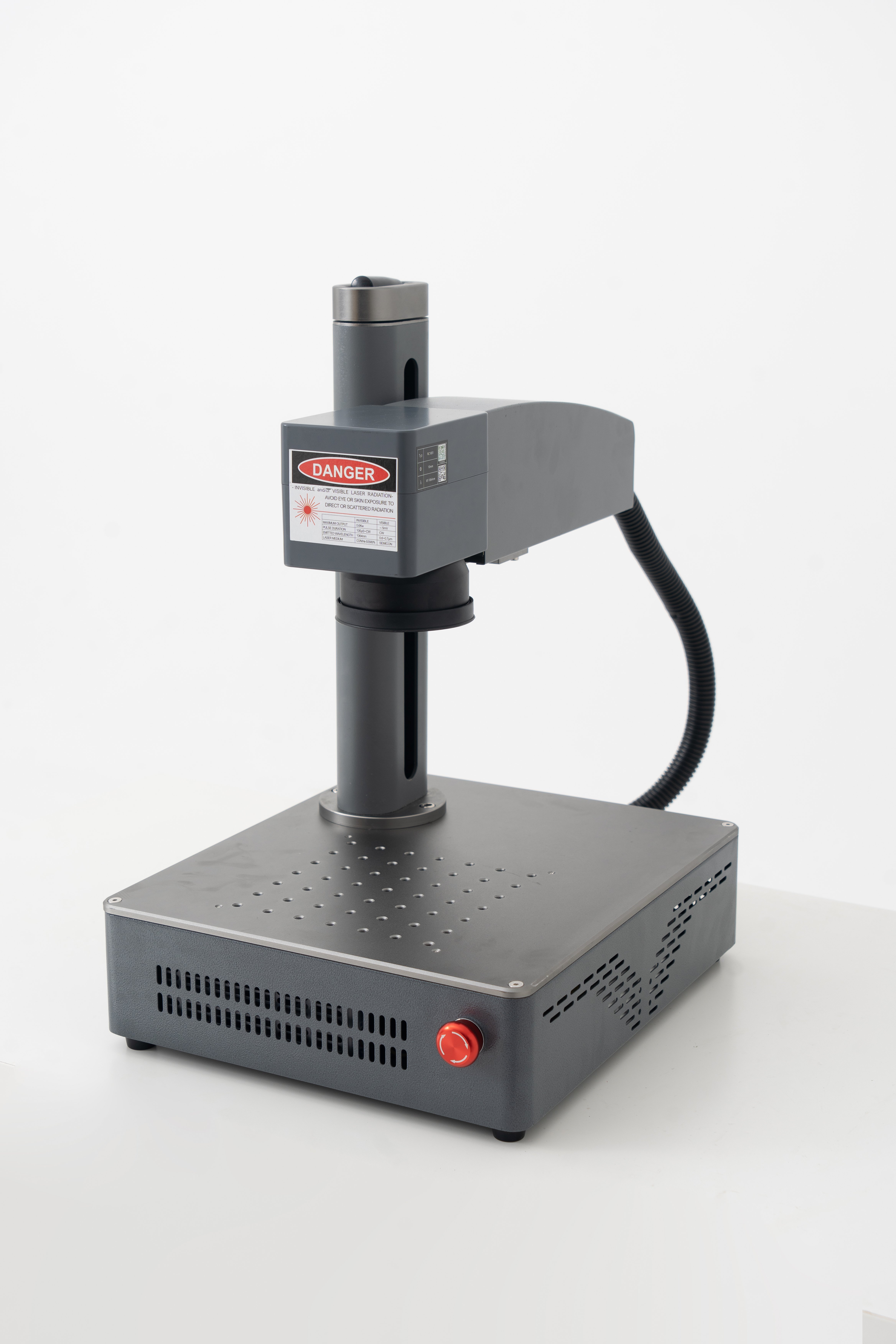
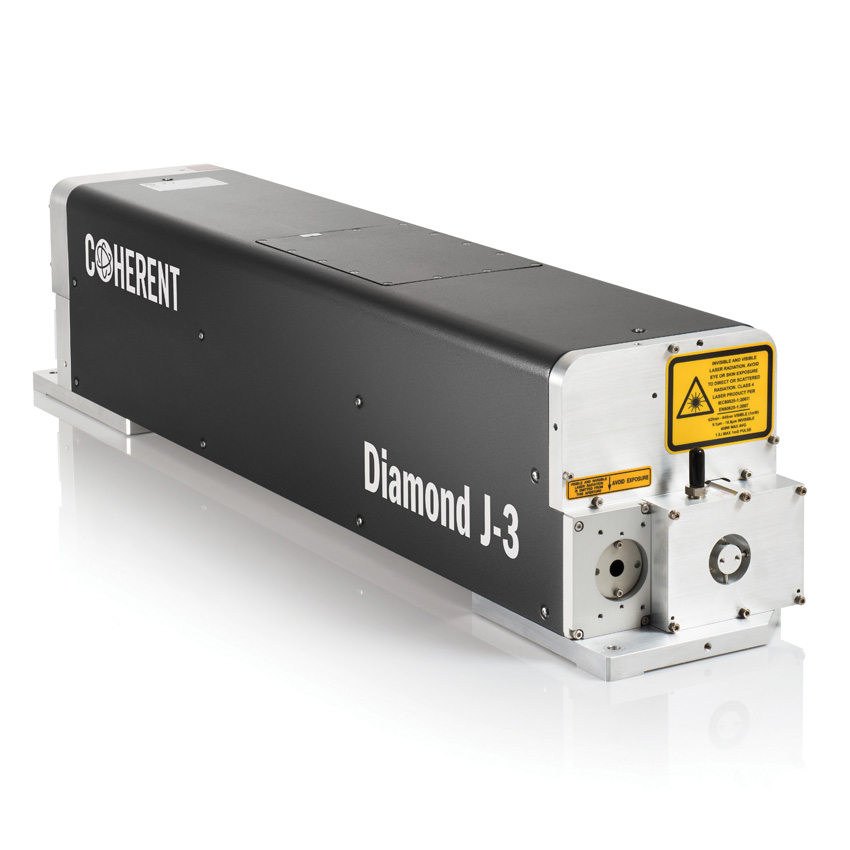
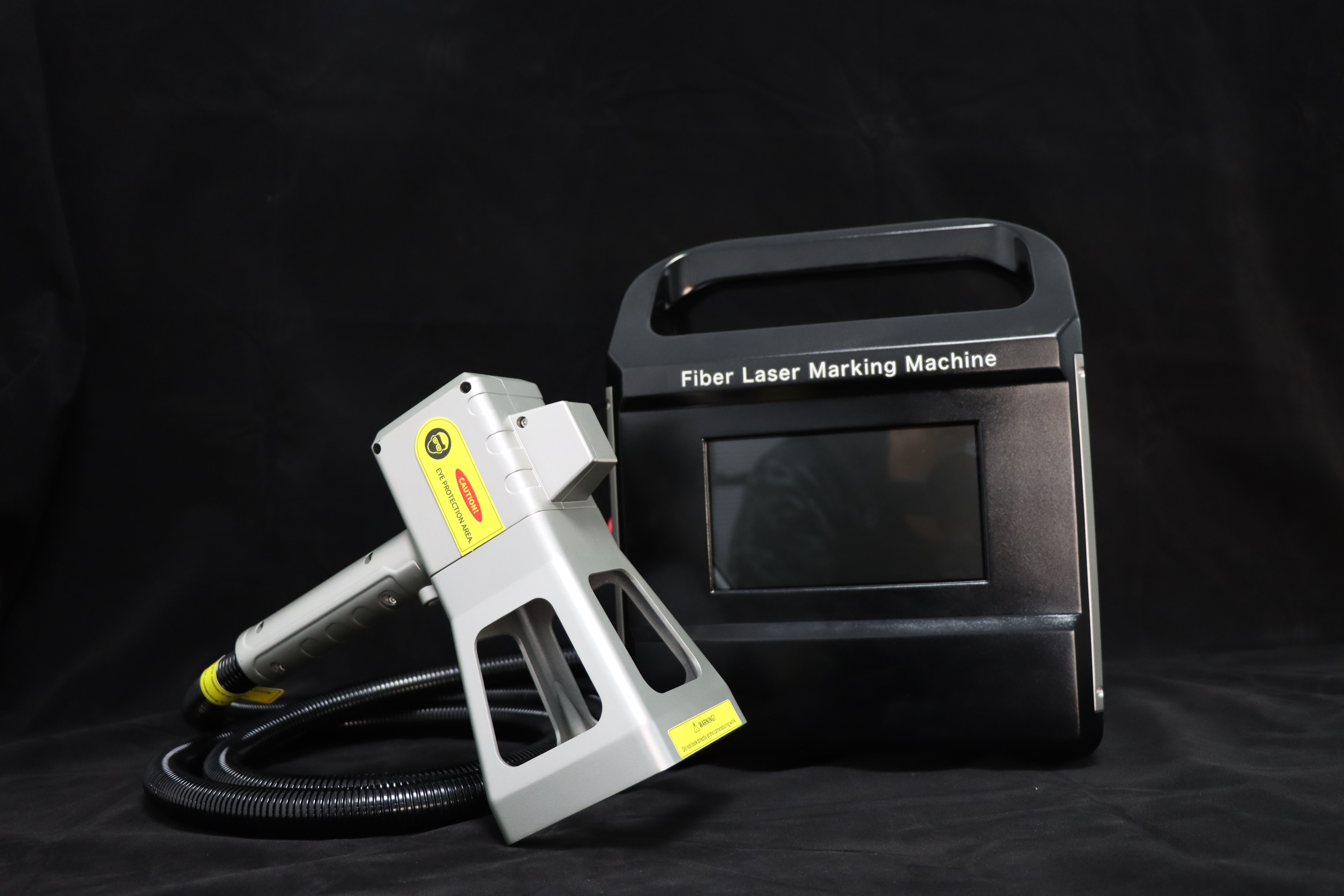
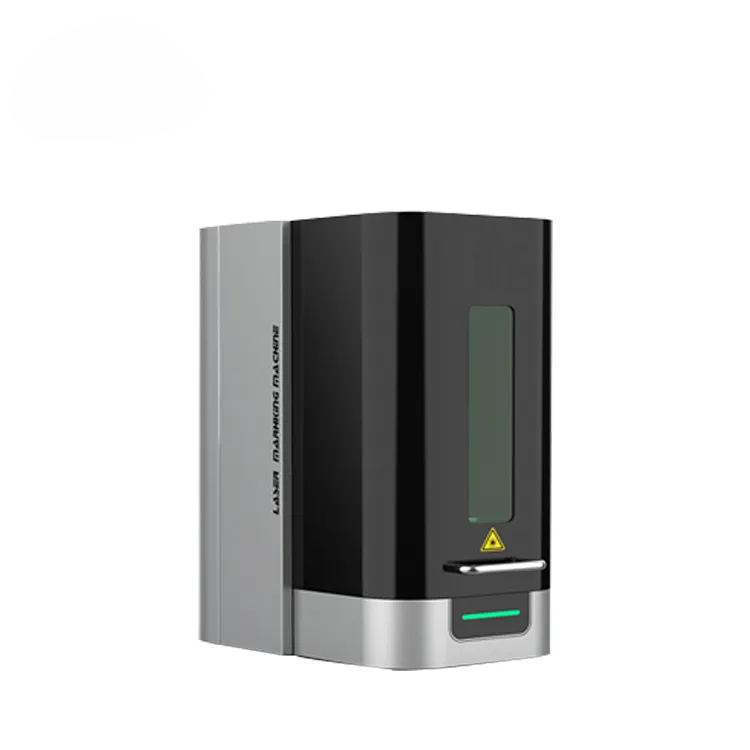
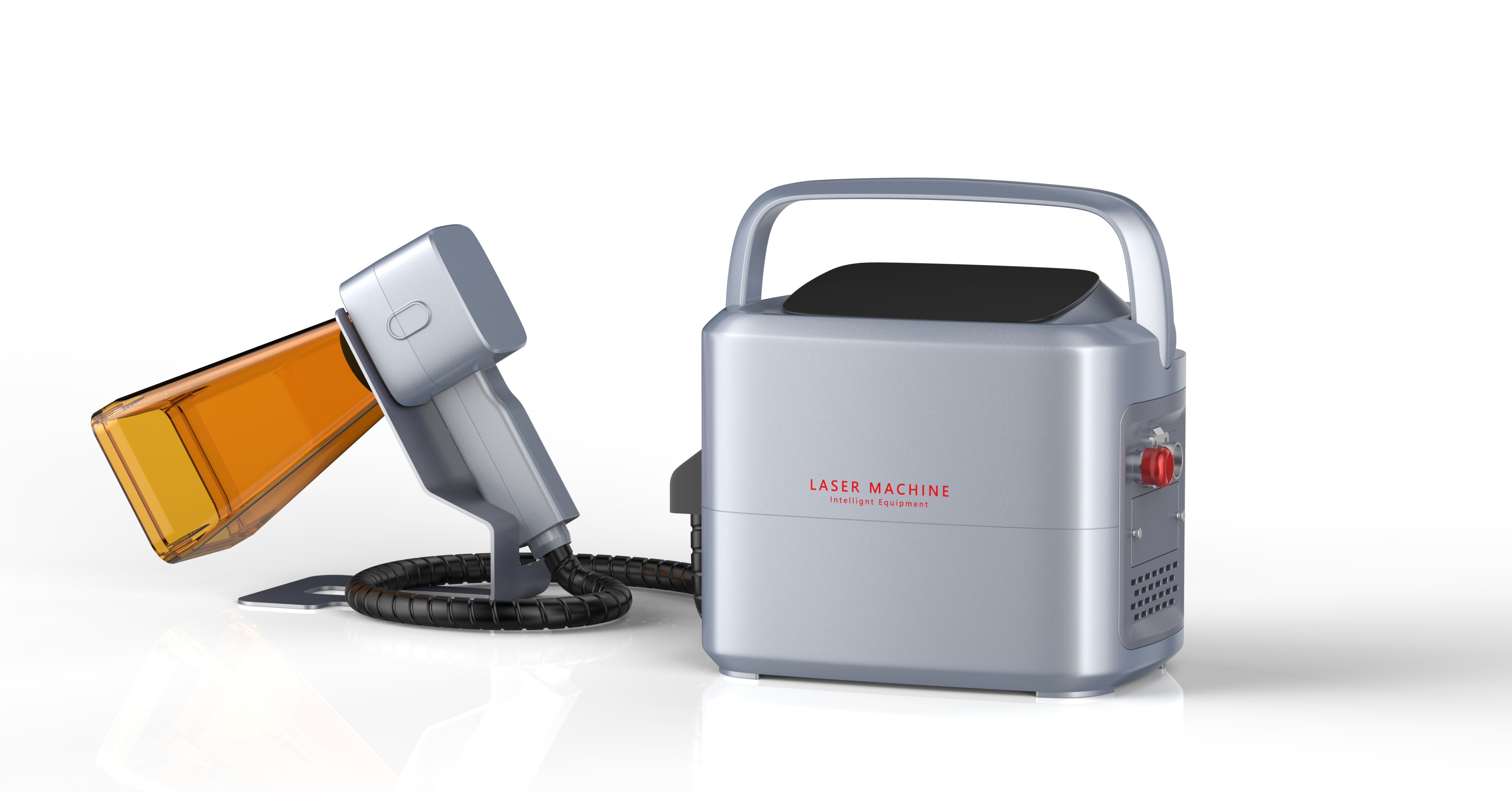
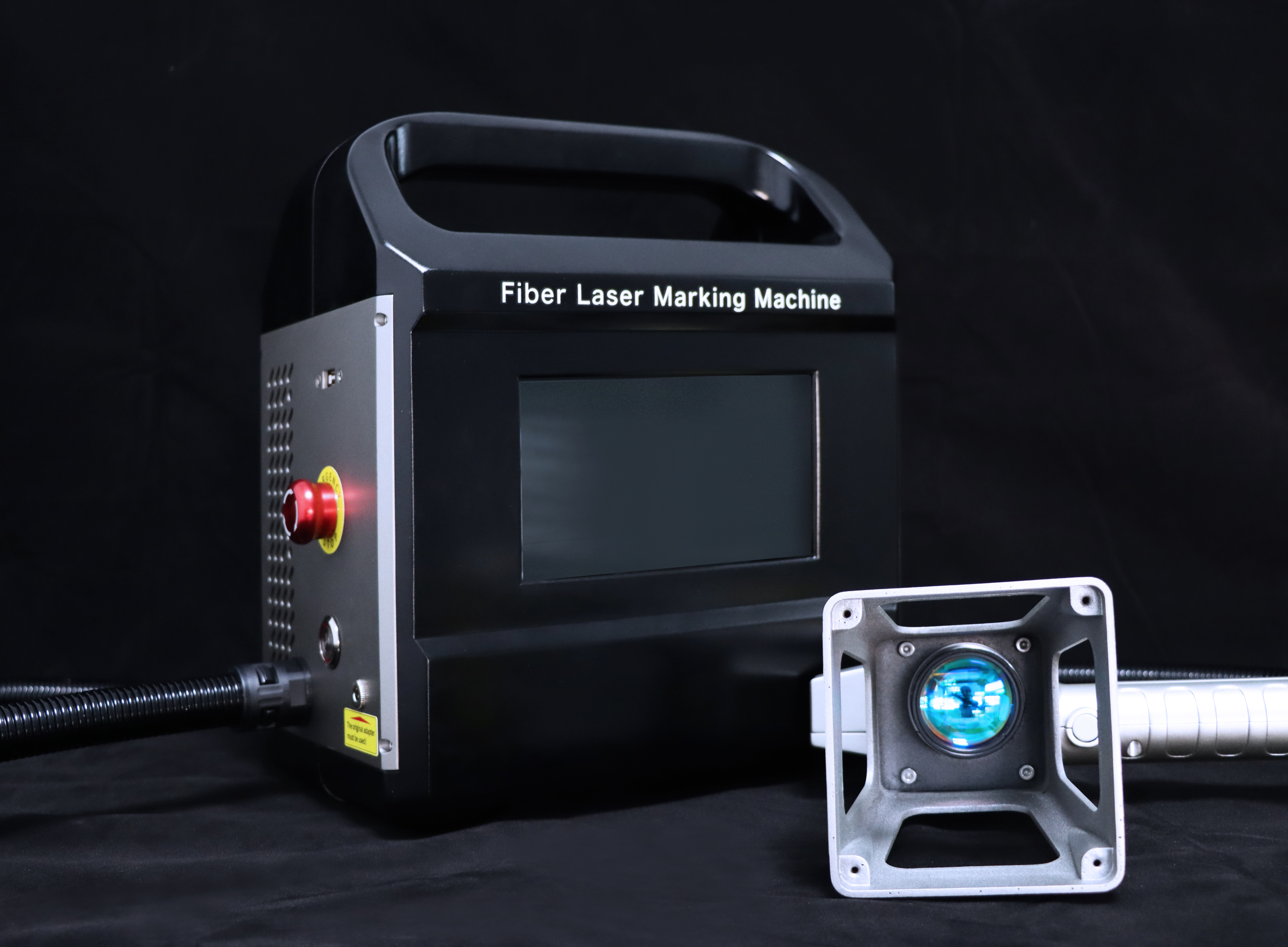
Laser deep engraving represents a revolutionary manufacturing technology that utilizes concentrated laser beams to create permanent, precise markings on various materials. This advanced process employs high-powered laser systems that generate intense heat to vaporize or melt material surfaces, creating deep, lasting impressions that withstand harsh environmental conditions. The main functions of laser deep engraving include creating identification codes, serial numbers, logos, decorative patterns, and functional textures on metal, plastic, ceramic, and composite materials. The technological features of this process center around computer-controlled precision, where CAD software directs the laser beam with micrometer accuracy. Modern laser deep engraving systems utilize fiber lasers, CO2 lasers, or UV lasers depending on material requirements and desired depth specifications. These systems operate at various power levels, typically ranging from 20 watts to over 500 watts, enabling operators to achieve engraving depths from 0.001 inches to several millimeters. The technology incorporates sophisticated beam shaping optics, galvanometer scanning systems, and real-time monitoring capabilities that ensure consistent results across production runs. Applications span numerous industries including aerospace, automotive, medical devices, electronics, jewelry, and industrial manufacturing. In aerospace applications, laser deep engraving creates traceable part identification that survives extreme temperatures and corrosive environments. Automotive manufacturers use this technology for engine component marking, while medical device companies rely on it for surgical instrument identification and implant tracking. Electronics manufacturers utilize laser deep engraving for circuit board marking and component identification that remains legible throughout product lifecycles. The process offers exceptional versatility in handling complex geometries, curved surfaces, and intricate designs that traditional mechanical engraving methods cannot achieve. Additionally, laser deep engraving supports both small-batch customization and high-volume production requirements, making it suitable for prototype development and mass manufacturing applications across diverse industrial sectors.

New Product Releases

Laser deep engraving delivers substantial benefits that transform manufacturing processes and enhance product quality. This technology eliminates the need for consumable tools, reducing operational costs and maintenance requirements compared to traditional mechanical engraving methods. Operators experience significant time savings as laser deep engraving completes complex marking tasks in seconds rather than minutes, dramatically increasing production throughput. The non-contact nature of the process prevents tool wear and material distortion, ensuring consistent quality across thousands of parts without degradation in marking precision. Manufacturers benefit from exceptional flexibility as laser deep engraving adapts to various material types without requiring tool changes or setup modifications. The process creates permanent markings that resist fading, scratching, and chemical exposure, providing reliable identification throughout product lifecycles. Quality control improves substantially because laser deep engraving produces highly repeatable results with minimal variation between parts, reducing rejection rates and rework costs. Environmental advantages include the elimination of chemical etching processes and the reduction of waste materials associated with traditional marking methods. The technology supports rapid prototyping and design changes without tooling investments, enabling manufacturers to respond quickly to market demands and customer specifications. Precision capabilities allow for extremely small text, complex graphics, and fine details that enhance product aesthetics and functionality. Integration with existing production lines occurs seamlessly through automated systems that communicate with manufacturing execution software and quality management databases. Cost savings accumulate through reduced labor requirements, elimination of consumables, and decreased maintenance schedules compared to conventional marking technologies. The technology provides superior marking depth control, enabling manufacturers to optimize marking visibility while preserving material integrity and structural properties. Energy efficiency surpasses traditional methods as modern laser systems consume less power while delivering higher productivity levels. Traceability benefits extend throughout supply chains as laser deep engraving creates scannable codes and identifiers that support inventory management and quality assurance programs. Safety improvements result from enclosed laser systems that protect operators from exposure while maintaining clean working environments free from chemical vapors and mechanical hazards.

Tips And Tricks

Can a laser drilling machine be integrated into an automated production line?

19

Nov

Can a laser drilling machine be integrated into an automated production line?

Modern manufacturing demands unprecedented levels of precision, efficiency, and automation to remain competitive in today's global marketplace. The integration of advanced equipment into automated production lines has become essential for manufacture...
View More
How do handheld laser cleaning machines contribute to environmentally friendly cleaning practices?

19

Nov

How do handheld laser cleaning machines contribute to environmentally friendly cleaning practices?

Modern industrial cleaning practices are undergoing a revolutionary transformation as companies seek more sustainable and environmentally conscious solutions. Traditional cleaning methods often rely on harsh chemicals, abrasive materials, and process...
View More
How to Choose the Right Portable Laser Welding Machine for Your Business?

19

Nov

How to Choose the Right Portable Laser Welding Machine for Your Business?

Manufacturing businesses today face increasing pressure to improve efficiency while maintaining exceptional quality standards. The advent of portable laser welding machines has revolutionized the welding industry by offering unprecedented mobility, p...
View More
How Does the Power Output of a Laser Source Affect Its Performance?

22

Sep

How Does the Power Output of a Laser Source Affect Its Performance?

Understanding the Critical Role of Power Output in Laser Applications The relationship between a laser source and its power output fundamentally shapes the capabilities and effectiveness of laser systems across countless applications. From industrial...
View More

Get a Free Quote

Our representative will contact you soon.
Email
Name
Company Name
Message
0/1000

laser deep engraving

Unmatched Precision and Consistency in Deep Marking Applications

Unmatched Precision and Consistency in Deep Marking Applications

Laser deep engraving achieves extraordinary precision levels that surpass traditional marking methods through advanced beam control technology and computer-guided positioning systems. The process utilizes sophisticated galvanometer scanners that direct laser beams with positioning accuracy of ±0.0001 inches, enabling manufacturers to create intricate designs and microscopic text with exceptional clarity. This precision capability proves invaluable for industries requiring detailed part identification, such as medical device manufacturing where surgical instruments demand clear, permanent markings that remain legible after repeated sterilization cycles. The consistency of laser deep engraving eliminates the variations inherent in mechanical processes, ensuring that every marked part meets identical specifications regardless of production volume or operator skill level. Advanced pulse control systems regulate laser energy delivery with nanosecond precision, creating uniform engraving depths across complex geometries and varying material thicknesses. This technological sophistication enables manufacturers to achieve marking depths ranging from surface-level etching to deep channel creation exceeding 0.125 inches, all while maintaining crisp edge definition and smooth surface finishes. The repeatability factor becomes particularly crucial in automated production environments where thousands of parts require identical markings without human intervention. Quality assurance programs benefit significantly from this consistency as statistical process control measures show minimal variation in marking dimensions, depth, and appearance characteristics. Furthermore, the precision extends to curved surfaces and three-dimensional objects where traditional methods struggle to maintain accuracy, allowing laser deep engraving to mark cylindrical components, spherical surfaces, and complex architectural features with uniform results. The technology accommodates materials with varying hardness levels, from soft plastics to hardened steel, while maintaining consistent marking quality through automated parameter adjustment systems that optimize laser settings for each material type.
Superior Durability and Permanent Identification Solutions

Superior Durability and Permanent Identification Solutions

The durability characteristics of laser deep engraving provide unmatched permanence that withstands extreme environmental conditions and aggressive use scenarios. This technology creates markings through material removal and thermal modification processes that become integral parts of the substrate, making them virtually impossible to remove without damaging the underlying material structure. Unlike surface coatings or adhesive labels that can peel, fade, or degrade over time, laser deep engraving maintains its visibility and legibility throughout extended service lives. The thermal process creates crystalline structure changes in metals that enhance corrosion resistance within the engraved areas, actually improving the durability of marked regions compared to untreated surfaces. Testing protocols demonstrate that laser deep engraving survives salt spray exposure exceeding 1000 hours, temperature cycling from -40°F to 400°F, and chemical exposure to industrial solvents and cleaning agents without degradation. This exceptional durability proves essential for aerospace components that operate in harsh atmospheric conditions, automotive parts exposed to road salt and temperature extremes, and marine equipment subjected to saltwater corrosion. The permanent nature of laser deep engraving supports comprehensive traceability programs where part identification must remain intact throughout product lifecycles spanning decades. Maintenance operations benefit from permanent markings that survive cleaning procedures, paint stripping, and refurbishment processes that would destroy alternative identification methods. The depth control capability allows manufacturers to optimize marking permanence by adjusting engraving depth according to expected service conditions, creating shallow markings for protected environments or deep channels for severe applications. Quality certifications and regulatory compliance requirements are satisfied through permanent identification that cannot be altered or removed without obvious tampering evidence. The longevity of laser deep engraving markings reduces lifecycle costs by eliminating the need for re-marking or identification replacement during equipment overhaul and maintenance cycles, providing substantial cost savings over extended operational periods.
Exceptional Versatility Across Materials and Complex Geometries

Exceptional Versatility Across Materials and Complex Geometries

Laser deep engraving demonstrates remarkable versatility in processing diverse material types and accommodating complex three-dimensional geometries that challenge conventional marking technologies. This adaptability stems from the fundamental laser physics that enable parameter adjustment for optimal interaction with different material properties, from highly reflective metals to transparent plastics and ceramic composites. The technology successfully processes stainless steel, aluminum alloys, titanium, carbon steel, brass, copper, various polymer materials, ceramics, glass, and composite materials through optimized wavelength selection and pulse characteristics. Advanced laser systems incorporate multiple laser sources or adjustable parameters that automatically adapt to material requirements without operator intervention or setup changes. The non-contact nature of laser deep engraving enables marking on fragile components, precision instruments, and finished assemblies without mechanical stress or deformation risks. Complex geometries present no limitations as the laser beam can access internal surfaces, deep recesses, curved profiles, and irregular shapes that mechanical tools cannot reach effectively. This capability proves invaluable for marking internal engine components, medical implants with complex surfaces, electronic assemblies with dense component layouts, and architectural elements with intricate designs. The technology accommodates parts ranging from microscopic electronic components weighing grams to massive industrial assemblies weighing tons through scalable system configurations and flexible beam delivery options. Batch processing capabilities enable simultaneous marking of multiple parts with different designs, optimizing production efficiency while maintaining individual part customization. The versatility extends to marking depth requirements where shallow surface treatments preserve material properties while deep engraving creates functional features such as grip textures, alignment guides, and identification channels. Integration flexibility allows laser deep engraving systems to operate as standalone workstations or integrate seamlessly into automated production lines with robotic handling systems. This adaptability supports lean manufacturing principles by eliminating dedicated marking stations and enabling just-in-time processing within existing workflows, reducing inventory requirements and improving production responsiveness.

Get a Free Quote

Our representative will contact you soon.
Email
Name
Company Name
Message
0/1000