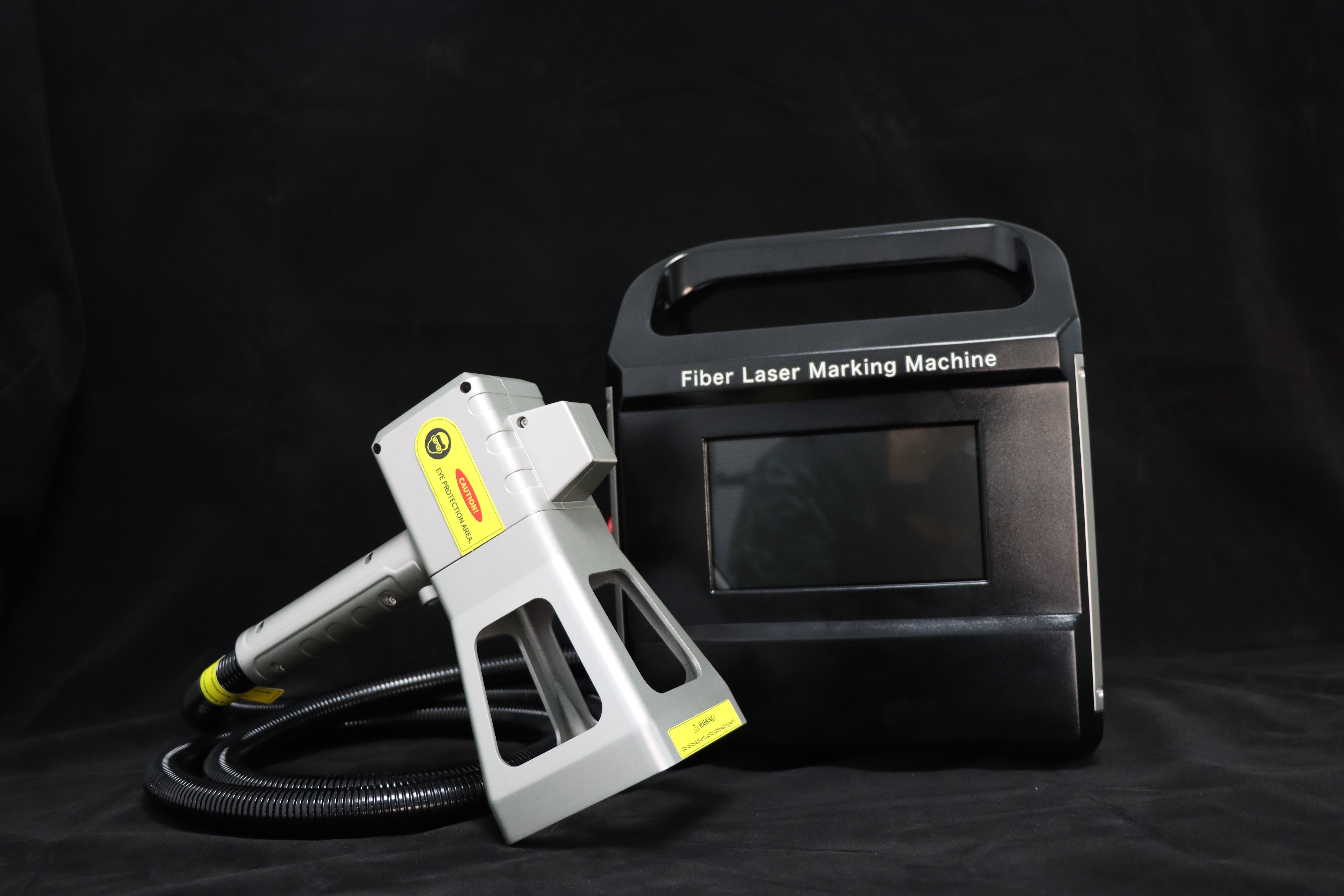
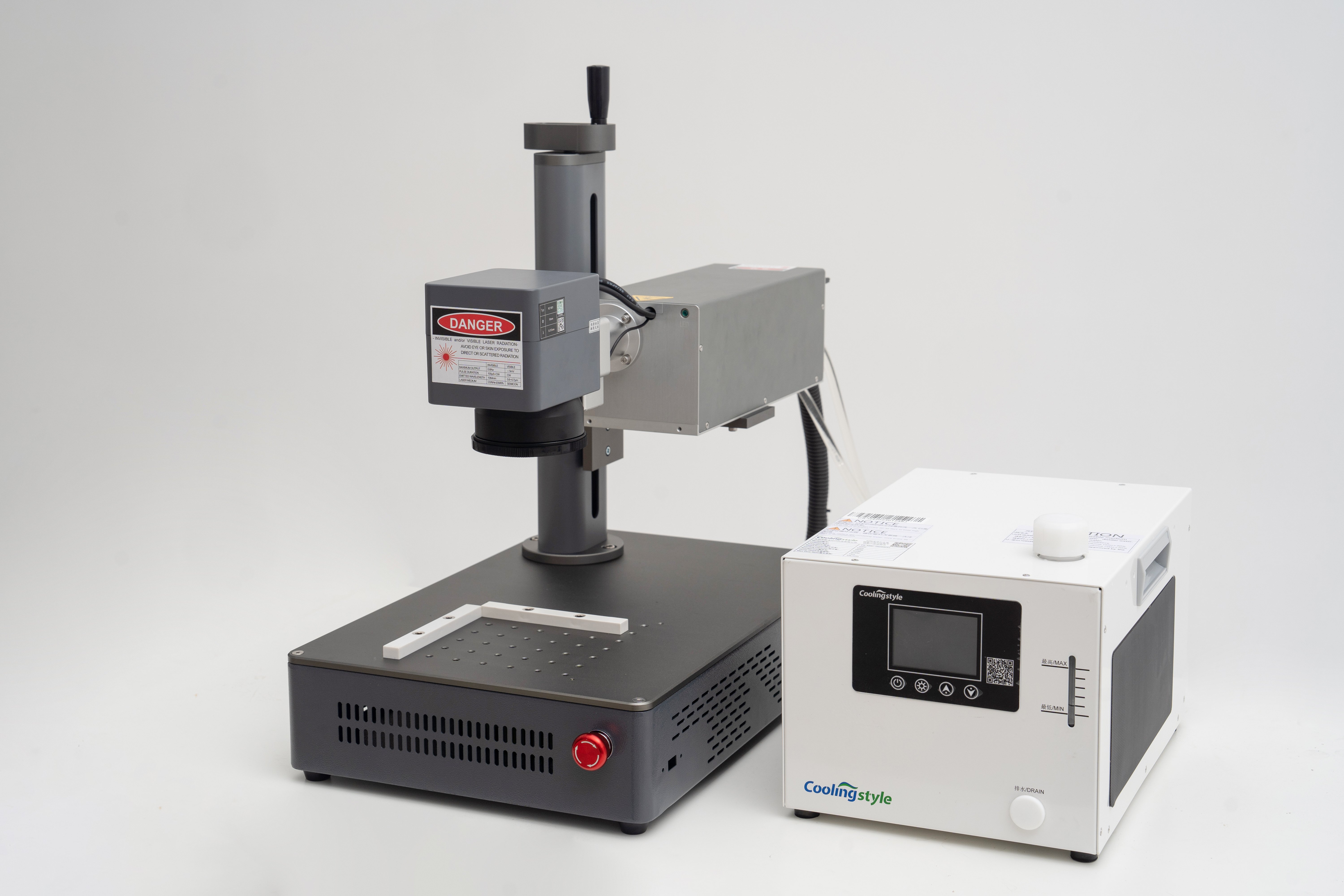
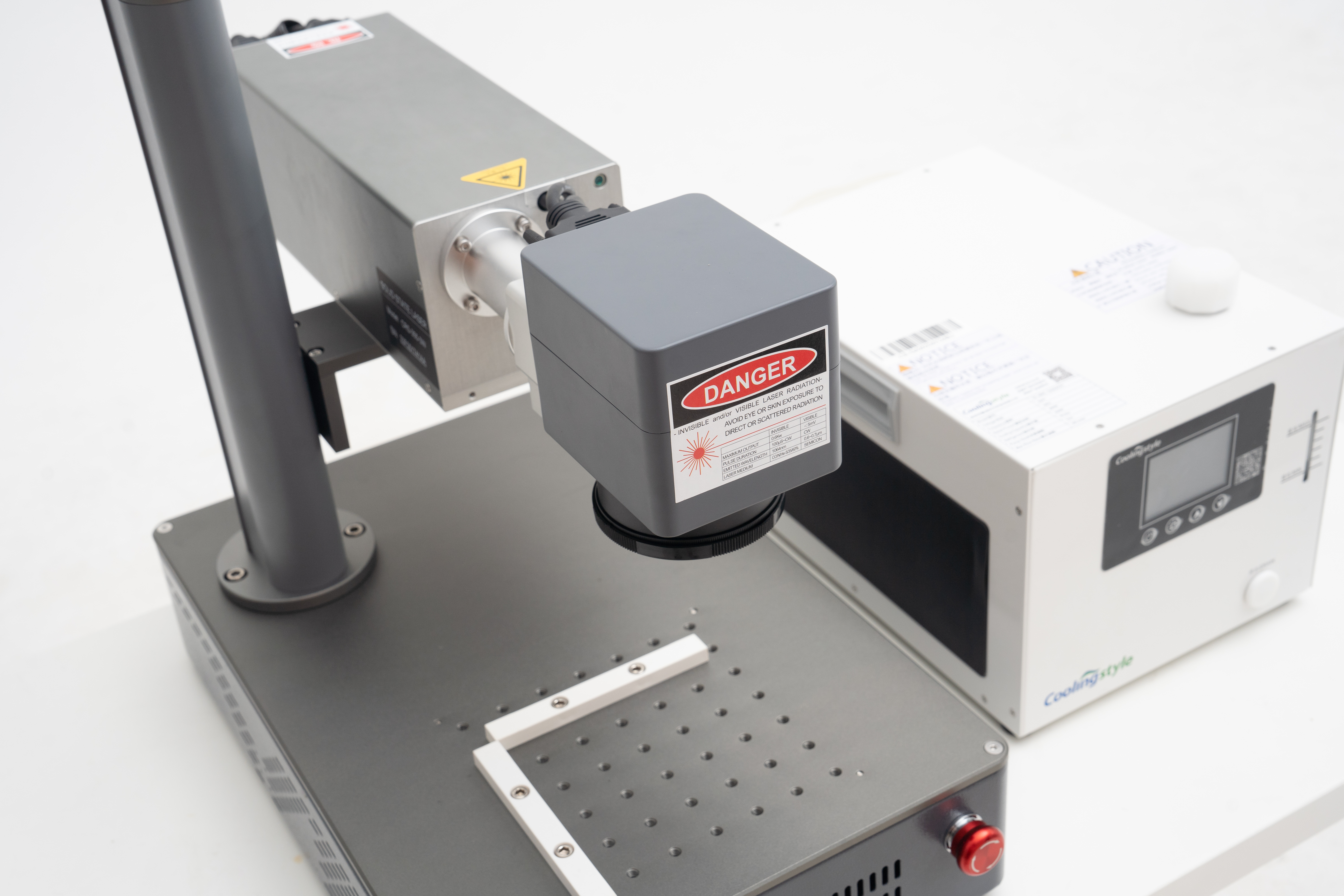
fiber laser deep engraving-0

Professional Fiber Laser Deep Engraving Solutions - Precision Marking Technology

Get a Free Quote

Our representative will contact you soon.
Email
Name
Company Name
Message
0/1000

fiber laser deep engraving

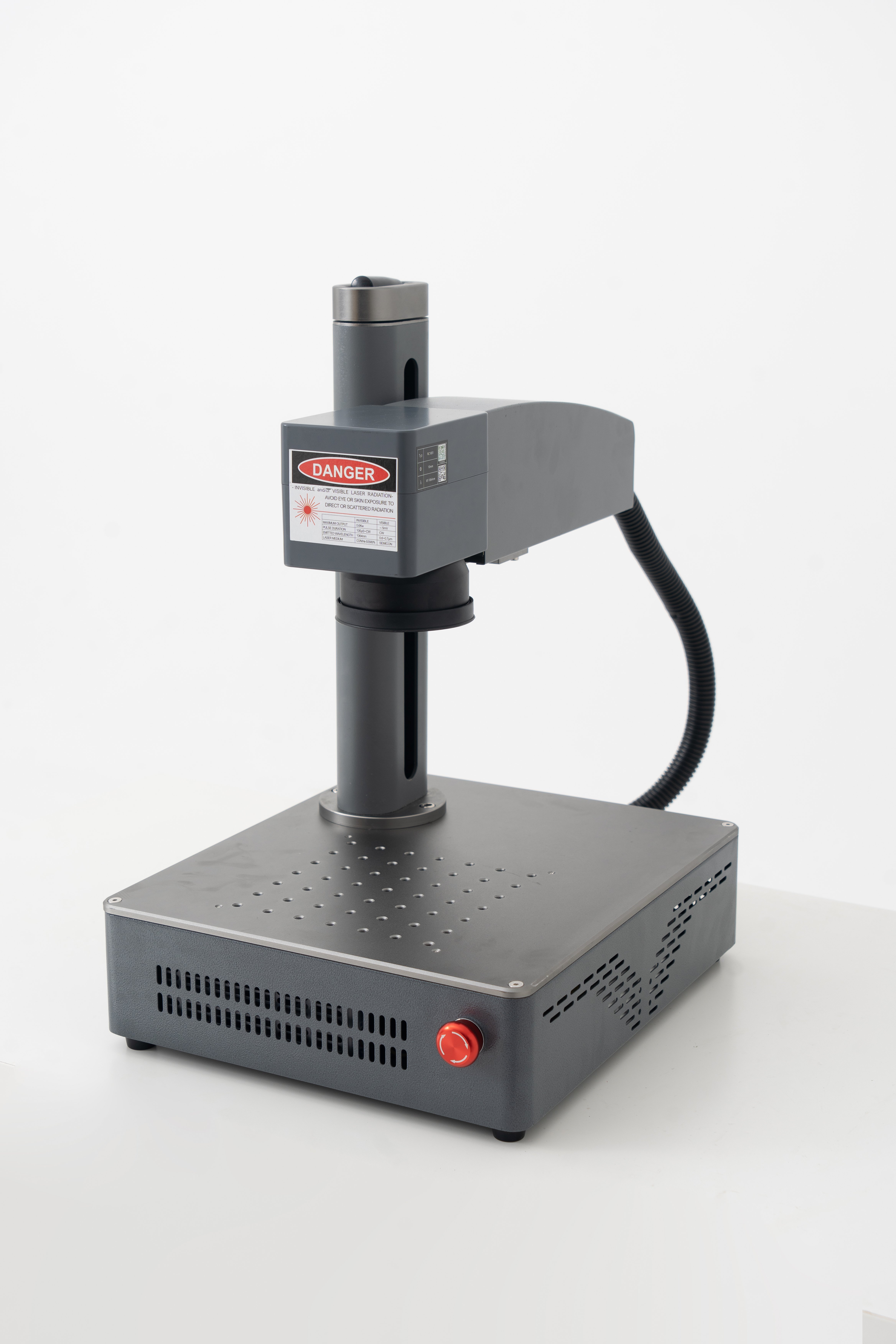
Fiber laser deep engraving represents a revolutionary advancement in precision material processing technology, offering unparalleled accuracy and versatility for industrial and commercial applications. This cutting-edge technology utilizes high-powered fiber laser systems to create permanent, deep markings on various materials with exceptional precision and consistency. The fiber laser deep engraving process operates by focusing concentrated laser energy onto the material surface, generating intense heat that vaporizes or melts the substrate to create precise engravings. The main functions of fiber laser deep engraving include permanent identification marking, decorative pattern creation, serial number etching, and complex design reproduction across multiple material types. The technology features remarkable beam quality with superior focusability, enabling extremely fine detail work and intricate pattern creation. Advanced control systems allow operators to adjust power settings, pulse duration, and scanning speeds to achieve optimal results for different materials and applications. Fiber laser deep engraving systems incorporate sophisticated software that converts digital designs into precise laser paths, ensuring consistent reproduction of complex patterns and text. The technology supports variable depth control, allowing users to create multi-level engravings with different depths within a single project. Primary applications span across automotive component marking, aerospace part identification, medical device labeling, jewelry personalization, tool identification, electronic component marking, and architectural element decoration. The process excels in creating permanent traceability markings that withstand harsh environmental conditions, chemical exposure, and mechanical wear. Industrial manufacturers rely on fiber laser deep engraving for quality control, inventory management, and regulatory compliance marking. The technology accommodates both high-volume production runs and custom one-off projects, making it suitable for diverse manufacturing environments. Material compatibility includes stainless steel, aluminum, titanium, brass, copper, plastics, ceramics, and various composite materials, providing exceptional versatility for different industry requirements.

New Product Recommendations

Fiber laser deep engraving delivers exceptional precision that surpasses traditional marking methods, creating clean, sharp edges with minimal heat-affected zones that preserve material integrity. The technology operates with remarkable speed, completing complex engravings in significantly less time than conventional methods, thereby increasing productivity and reducing operational costs. Unlike mechanical engraving techniques that require tool replacement and maintenance, fiber laser deep engraving utilizes no consumable parts, eliminating ongoing material costs and reducing downtime for tool changes. The non-contact nature of the process prevents material distortion and eliminates the risk of workpiece damage during operation, ensuring consistent quality across all production runs. Operators benefit from minimal setup requirements, as the system requires no special fixtures or complex alignment procedures, allowing quick transitions between different projects and material types. The technology produces permanent markings that resist fading, scratching, and chemical degradation, ensuring long-term readability and durability in challenging environments. Environmental benefits include zero waste generation, as the process removes only microscopic amounts of material without creating debris or requiring chemical treatments. Energy efficiency represents another significant advantage, as fiber laser deep engraving systems consume substantially less power compared to CO2 lasers and mechanical alternatives. The automation capabilities reduce labor requirements and minimize human error, while programmable settings ensure consistent results regardless of operator skill level. Maintenance requirements remain minimal, with fiber laser systems typically operating for thousands of hours without intervention, reducing operational overhead and increasing machine uptime. Cost-effectiveness becomes apparent through reduced material waste, eliminated consumables, lower energy consumption, and decreased maintenance expenses. The technology accommodates intricate designs and small text that would be impossible or impractical with traditional methods, opening new possibilities for product customization and identification. Quality control benefits include precise depth control, consistent marking appearance, and the ability to create verification marks that help prevent counterfeiting. The clean process produces no chemical byproducts or harmful emissions, making it suitable for clean room environments and meeting strict environmental regulations.

Practical Tips

What are the typical power requirements for different models of laser drilling machines?

19

Nov

What are the typical power requirements for different models of laser drilling machines?

Understanding the power requirements for laser drilling machines is crucial for manufacturers, engineers, and facility managers planning their industrial operations. The electrical demands of these sophisticated systems vary significantly based on la...
View More
How Does Handheld Laser Welding Compare to Traditional Welding Methods?

19

Nov

How Does Handheld Laser Welding Compare to Traditional Welding Methods?

The welding industry has experienced significant technological advancement over the past decade, with handheld laser welding emerging as a revolutionary alternative to conventional welding techniques. This innovative technology represents a paradigm ...
View More
How does the maintenance of precision laser cutting machines impact their longevity and performance, and what are some tips for effective machine maintenance?

19

Nov

How does the maintenance of precision laser cutting machines impact their longevity and performance, and what are some tips for effective machine maintenance?

Precision laser cutting machines represent a significant investment for manufacturing facilities, and their proper maintenance directly correlates with operational efficiency, production quality, and equipment lifespan. These sophisticated systems re...
View More
What are the advantages of using a laser welding machine over traditional welding methods?

19

Nov

What are the advantages of using a laser welding machine over traditional welding methods?

Modern manufacturing processes continue to evolve with technological advancements, and welding technology stands at the forefront of this transformation. Among the most significant developments in recent years is the emergence of the laser welding ma...
View More

Get a Free Quote

Our representative will contact you soon.
Email
Name
Company Name
Message
0/1000

fiber laser deep engraving

Unmatched Precision and Depth Control

Unmatched Precision and Depth Control

Fiber laser deep engraving technology revolutionizes precision marking through its exceptional ability to control engraving depth with micrometer accuracy, enabling manufacturers to create consistent, professional results across diverse applications. The advanced beam focusing system concentrates laser energy into an extremely small spot size, typically ranging from 20 to 100 micrometers, allowing for intricate detail reproduction that surpasses conventional marking methods. This precision capability stems from the fiber laser's superior beam quality, characterized by excellent spatial coherence and minimal beam divergence, which maintains focus consistency throughout the engraving process. The depth control functionality allows operators to precisely adjust penetration levels from surface marking to deep engraving, accommodating various application requirements from delicate electronic components to heavy industrial parts. Advanced pulse control technology enables the system to deliver consistent energy levels across the entire marking area, ensuring uniform depth and appearance regardless of pattern complexity or size. The precision extends beyond simple depth control to include edge quality management, where the laser parameters can be optimized to minimize heat-affected zones and prevent unwanted material changes around the engraved area. This level of control proves particularly valuable in applications requiring multiple depth levels within a single marking, such as creating raised and recessed features for enhanced tactile identification or aesthetic appeal. Quality assurance benefits significantly from this precision, as manufacturers can establish exact specifications for marking depth and appearance, then rely on the system to reproduce these parameters consistently across thousands of parts. The technology accommodates both shallow surface texturing for improved paint adhesion and deep channel creation for fluid flow applications, demonstrating remarkable versatility. Automated depth verification systems can be integrated to ensure each marking meets specified requirements, providing real-time quality control that reduces waste and improves customer satisfaction. This precision advantage translates directly into competitive benefits for manufacturers, enabling them to offer superior product identification solutions while maintaining efficient production schedules and meeting strict quality standards.
Superior Material Compatibility and Versatility

Superior Material Compatibility and Versatility

The exceptional material compatibility of fiber laser deep engraving technology establishes it as the most versatile marking solution available, capable of processing an extensive range of substrates with optimal results tailored to each material's unique properties. Metals respond exceptionally well to fiber laser deep engraving, with stainless steel, aluminum, titanium, and tool steels producing clean, precise markings with excellent contrast and durability. The technology excels on hardened materials where mechanical engraving would cause excessive tool wear or prove impossible, making it ideal for aerospace components, medical implants, and precision tooling applications. Specialized parameter sets optimize performance for each material type, adjusting power levels, pulse duration, and scanning speeds to achieve the best combination of speed, quality, and depth penetration. Plastic materials benefit from controlled thermal processing that prevents melting or distortion while creating permanent, legible markings suitable for automotive parts, consumer electronics, and packaging applications. Ceramic substrates, traditionally challenging for marking applications, respond well to fiber laser deep engraving when proper parameters are employed, enabling marking of technical ceramics used in electronics and medical devices. The technology adapts to varying material thicknesses, from thin foils measuring micrometers to thick structural components several centimeters deep, maintaining consistent quality across this broad range. Surface preparation requirements remain minimal for most materials, as the laser energy effectively penetrates through light oxidation, oils, and surface contaminants that would interfere with other marking methods. Composite materials, increasingly common in aerospace and automotive applications, can be successfully marked without delamination or fiber damage when appropriate laser parameters are selected. Coating compatibility extends the technology's usefulness to pre-finished parts, allowing marking through painted, anodized, or plated surfaces to create contrasting identification marks. Material hardness variations within a single workpiece pose no challenges, as the laser automatically adjusts its interaction based on local material properties. This versatility eliminates the need for multiple marking systems, reducing equipment costs, training requirements, and inventory complexity while ensuring consistent marking quality across diverse product lines.
Exceptional Speed and Production Efficiency

Exceptional Speed and Production Efficiency

Fiber laser deep engraving technology delivers unprecedented production speeds that dramatically improve manufacturing efficiency while maintaining the highest quality standards, making it the preferred choice for high-volume marking applications. The rapid processing capability stems from advanced galvanometer scanning systems that direct the laser beam at extremely high speeds, often exceeding 10 meters per second, enabling complex patterns to be completed in seconds rather than minutes. Unlike mechanical systems that must physically traverse the marking area, fiber laser deep engraving utilizes optical beam steering that eliminates inertial limitations and mechanical wear, resulting in consistent performance throughout extended production runs. The technology accommodates batch processing efficiently, allowing multiple parts to be marked simultaneously within the laser's working area, multiplying throughput without compromising individual marking quality. Setup time reductions contribute significantly to overall efficiency, as operators can switch between different marking programs instantly through software control, eliminating the downtime associated with mechanical tool changes or fixture modifications. Automated material handling integration becomes seamless with fiber laser deep engraving systems, as the non-contact process eliminates positioning accuracy requirements needed for mechanical methods, enabling higher-speed automated production lines. The consistent processing speed remains unaffected by material hardness variations or complexity of the marking pattern, providing predictable cycle times essential for production planning and scheduling. Quality inspection requirements decrease due to the process consistency, as fiber laser deep engraving produces uniform results that reduce the need for individual part verification, further improving throughput. Energy efficiency contributes to operational cost reduction, as fiber lasers convert electrical energy to laser output with superior efficiency compared to other laser types, reducing power consumption per marked part. Maintenance intervals extend significantly beyond mechanical alternatives, with fiber laser systems typically operating for thousands of hours between service requirements, minimizing production interruptions and maintenance costs. The technology supports continuous operation capabilities, making it suitable for lights-out manufacturing environments where unattended operation is essential for maximizing equipment utilization. Production flexibility benefits from rapid parameter adjustment capabilities, allowing immediate optimization for different materials or marking requirements without stopping production for equipment reconfiguration, thereby maximizing overall manufacturing efficiency and responsiveness to changing production demands.

Get a Free Quote

Our representative will contact you soon.
Email
Name
Company Name
Message
0/1000