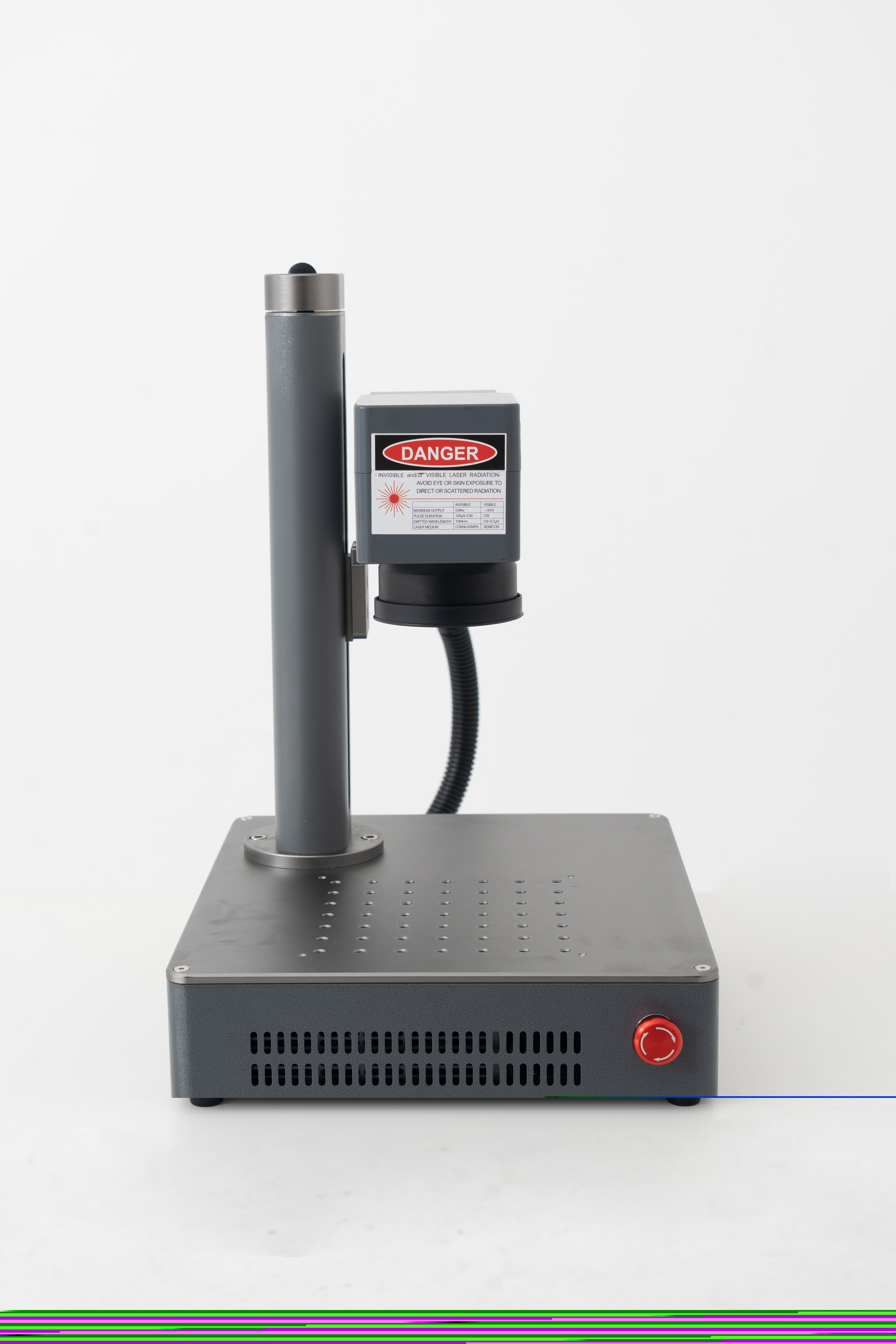
metal marking laser-0

Professional Metal Marking Laser Solutions - Precision Engraving Systems

Get a Free Quote

Our representative will contact you soon.
Email
Name
Company Name
Message
0/1000

metal marking laser

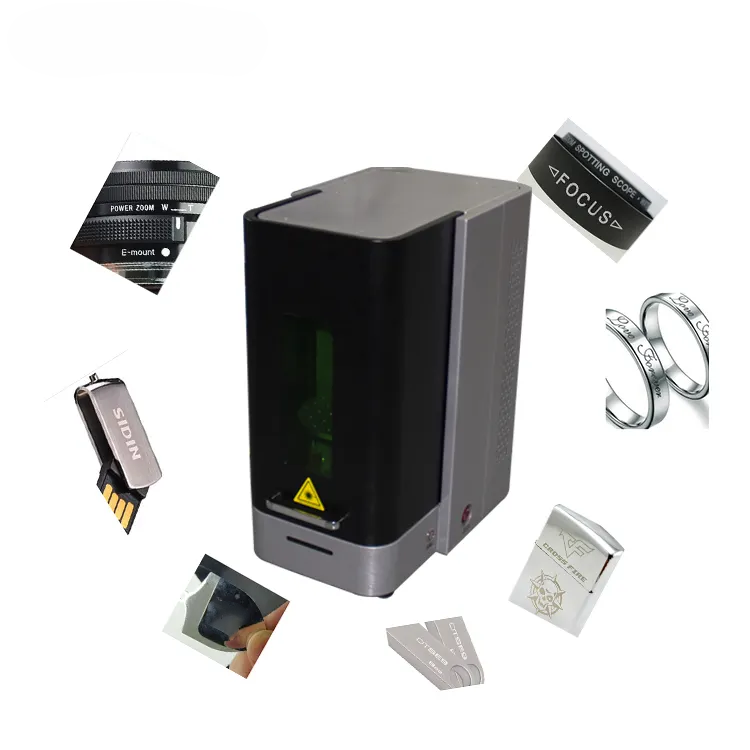
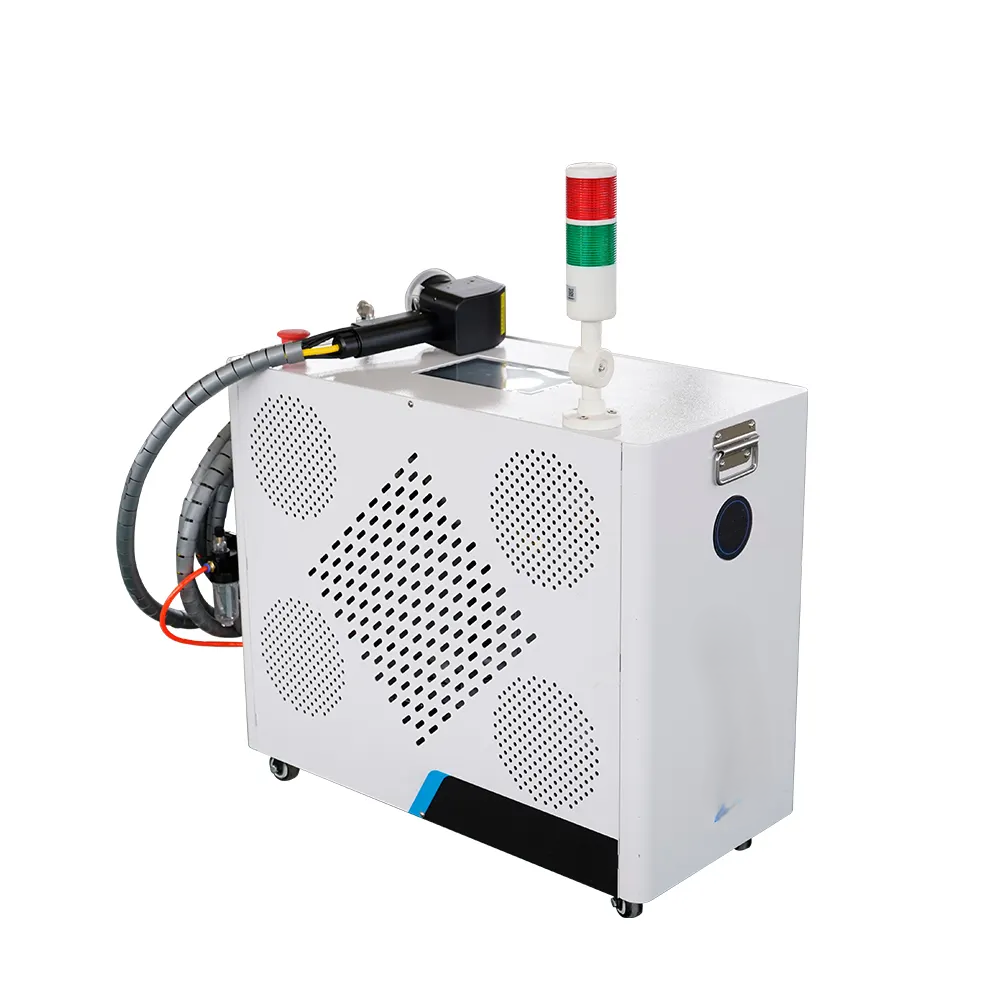
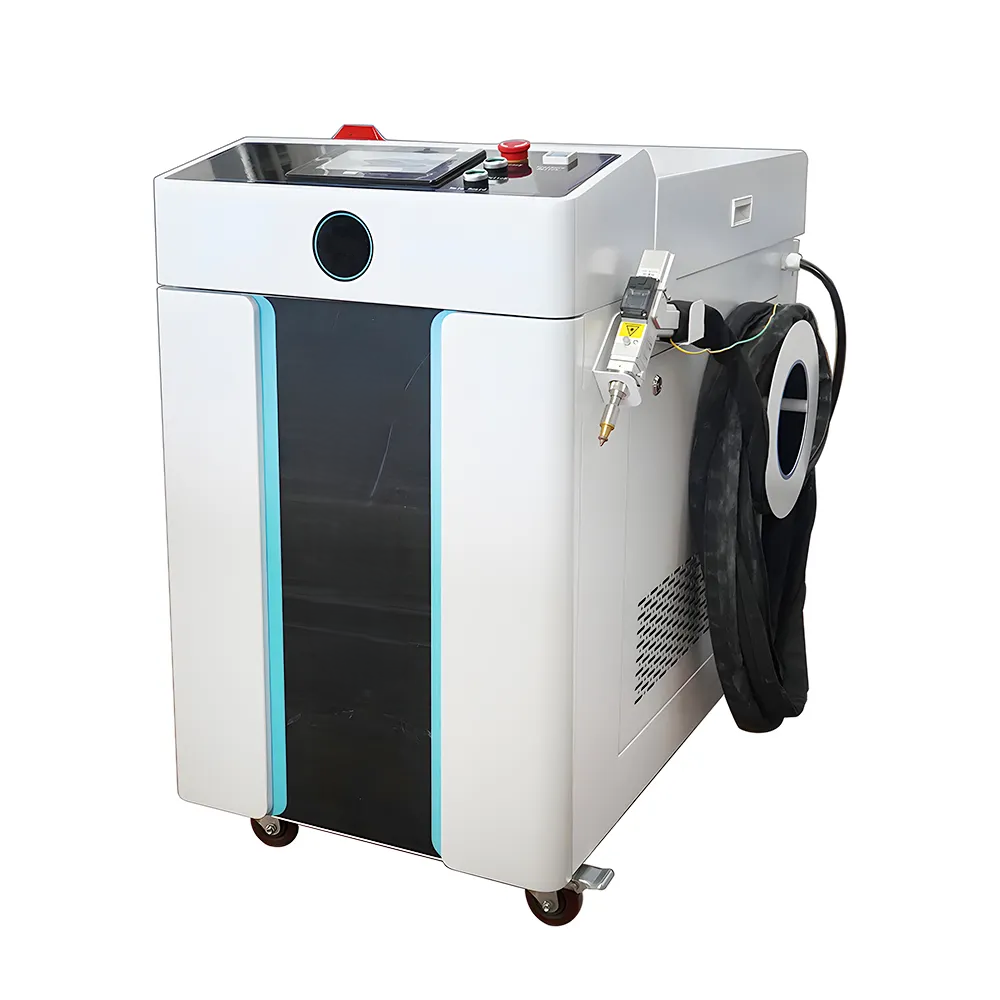
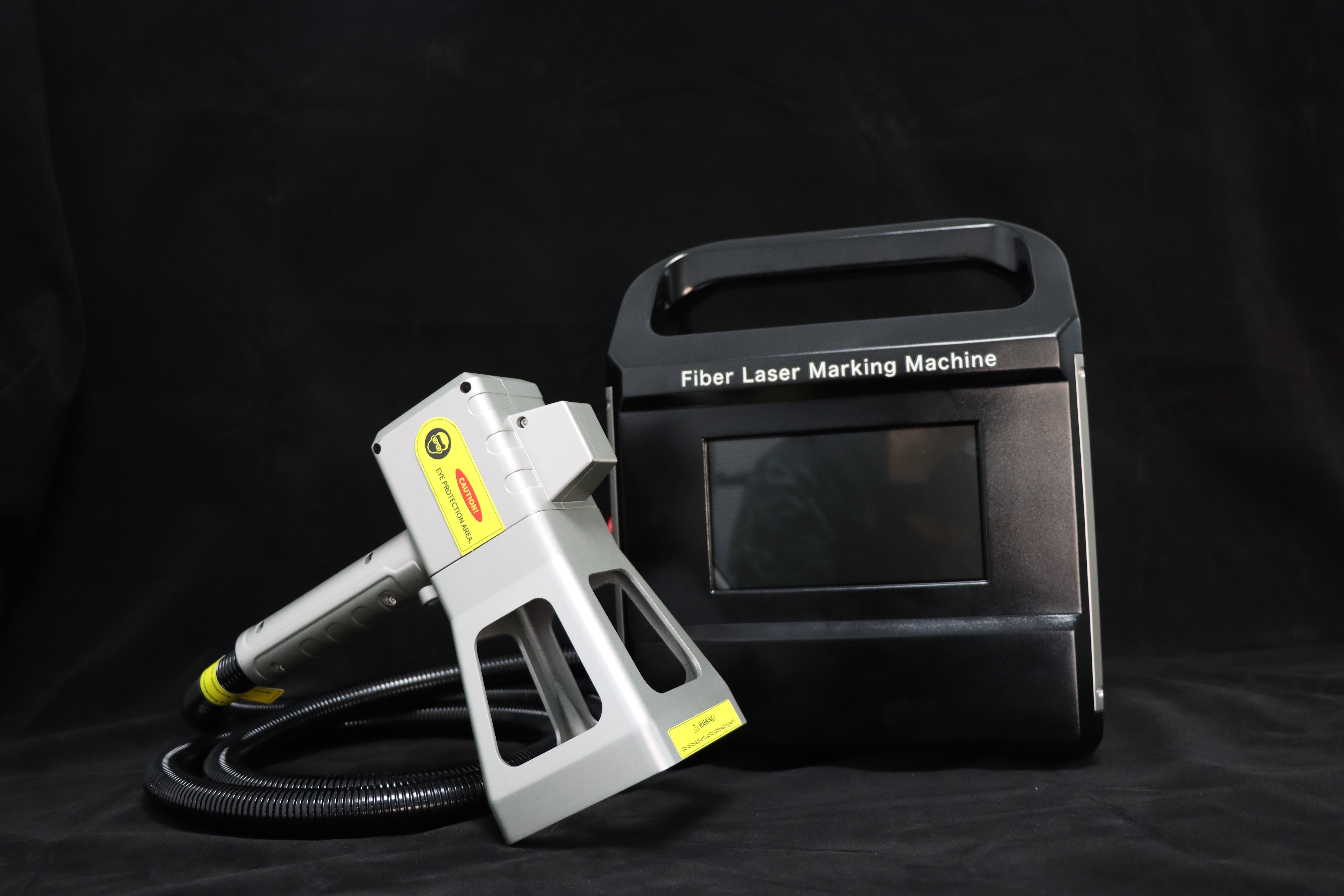
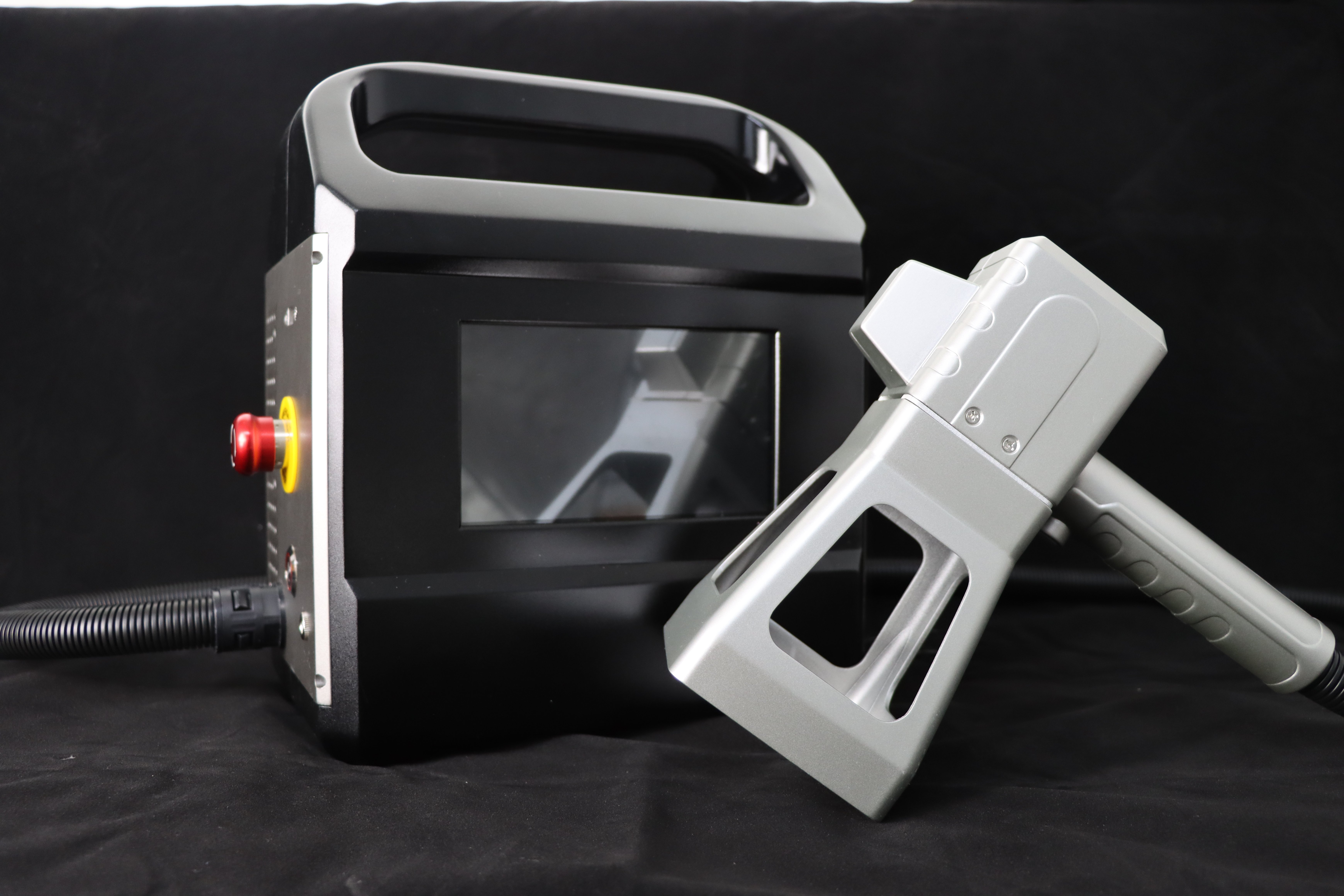
A metal marking laser represents cutting-edge technology designed to create permanent, precise markings on various metallic surfaces with exceptional accuracy and efficiency. This sophisticated system utilizes concentrated laser beams to etch, engrave, or mark different types of metals including stainless steel, aluminum, titanium, brass, copper, and carbon steel. The metal marking laser operates through a highly controlled process where focused light energy creates localized heating, resulting in material removal, color changes, or surface modifications that produce visible, durable markings. Modern metal marking laser systems incorporate advanced fiber laser technology, delivering superior beam quality and consistent performance across diverse applications. These systems feature computer-controlled precision positioning, enabling operators to create complex designs, serial numbers, barcodes, logos, and text with remarkable detail and repeatability. The technology supports both shallow surface marking and deeper engraving capabilities, allowing users to customize marking depth based on specific requirements. Contemporary metal marking laser equipment includes user-friendly software interfaces that streamline the marking process, enabling operators to import designs, adjust parameters, and execute marking operations with minimal training. The systems typically offer variable pulse frequencies, power settings, and marking speeds, providing flexibility to optimize results for different metal types and marking requirements. Advanced metal marking laser systems also feature automated focusing mechanisms, ensuring consistent marking quality regardless of surface variations or workpiece positioning. Safety features are integrated throughout these systems, including protective enclosures, interlock systems, and emission controls that comply with international laser safety standards. The versatility of metal marking laser technology extends to handling various part sizes and shapes, from small precision components to larger industrial parts, making it suitable for both high-volume production environments and specialized custom applications.

Popular Products

Metal marking laser technology delivers numerous compelling benefits that make it an exceptional choice for industrial marking applications. The precision capabilities of these systems surpass traditional marking methods by creating incredibly fine details with consistent quality, ensuring every mark meets exact specifications without variation. Unlike mechanical engraving or chemical etching processes, metal marking laser systems produce permanent markings that resist wear, corrosion, and environmental degradation, providing long-lasting identification solutions that maintain legibility throughout the product lifecycle. The contactless nature of laser marking eliminates tool wear, reduces maintenance requirements, and prevents workpiece deformation, resulting in lower operational costs and higher productivity levels. Speed represents another significant advantage, as metal marking laser systems complete marking operations in seconds rather than minutes, dramatically increasing throughput and reducing production bottlenecks. The flexibility of these systems allows operators to modify designs instantly through software changes, eliminating the need for physical tooling modifications or lengthy setup procedures that characterize traditional marking methods. Environmental benefits distinguish metal marking laser technology from chemical processes, as laser marking produces no hazardous waste, requires no consumable chemicals, and generates minimal environmental impact while maintaining superior marking quality. The automation capabilities of modern metal marking laser systems integrate seamlessly with existing production lines, enabling continuous operation with minimal human intervention and consistent results. Energy efficiency represents a practical advantage, as these systems consume less power than many alternative marking technologies while delivering superior performance and reliability. The versatility of metal marking laser systems accommodates diverse marking requirements, from delicate surface modifications to deep engraving applications, using the same equipment with simple parameter adjustments. Quality control benefits emerge from the repeatability and consistency of laser marking, ensuring uniform results across large production runs and reducing quality-related issues. The digital nature of metal marking laser systems enables easy integration with manufacturing execution systems, facilitating traceability, quality documentation, and production monitoring. Cost-effectiveness becomes apparent through reduced labor requirements, eliminated consumables, minimal maintenance needs, and extended equipment lifespan compared to conventional marking technologies. The compact footprint of many metal marking laser systems optimizes floor space utilization while delivering industrial-grade performance capabilities.

Latest News

What are the typical power requirements for different models of laser drilling machines?

19

Nov

What are the typical power requirements for different models of laser drilling machines?

Understanding the power requirements for laser drilling machines is crucial for manufacturers, engineers, and facility managers planning their industrial operations. The electrical demands of these sophisticated systems vary significantly based on la...
View More
Can a laser drilling machine be integrated into an automated production line?

19

Nov

Can a laser drilling machine be integrated into an automated production line?

Modern manufacturing demands unprecedented levels of precision, efficiency, and automation to remain competitive in today's global marketplace. The integration of advanced equipment into automated production lines has become essential for manufacture...
View More
What are the advantages of using a laser welding machine over traditional welding methods?

19

Nov

What are the advantages of using a laser welding machine over traditional welding methods?

Modern manufacturing processes continue to evolve with technological advancements, and welding technology stands at the forefront of this transformation. Among the most significant developments in recent years is the emergence of the laser welding ma...
View More
Common Field Lens Problems and Solutions

21

Oct

Common Field Lens Problems and Solutions

Understanding the Complexities of Field Lens Performance Field lenses play a crucial role in optical systems, serving as vital components that help collect and direct light effectively. These specialized optical elements are designed to improve image...
View More

Get a Free Quote

Our representative will contact you soon.
Email
Name
Company Name
Message
0/1000

metal marking laser

Unmatched Precision and Repeatability

Unmatched Precision and Repeatability

The exceptional precision capabilities of metal marking laser systems set them apart from all other marking technologies, delivering microscopic accuracy that ensures every mark meets exact specifications with remarkable consistency. This precision stems from the fundamental physics of laser technology, where focused light beams can be controlled to incredibly tight tolerances, creating markings with feature sizes as small as a few micrometers. The computer-controlled positioning systems integrated into modern metal marking laser equipment provide positioning accuracy measured in fractions of millimeters, enabling the creation of intricate designs, fine text, and complex patterns that would be impossible with traditional marking methods. This level of precision proves particularly valuable in industries where component identification requires extremely small markings without compromising functionality or aesthetics. The repeatability aspect ensures that every marking produced maintains identical characteristics, regardless of when it was created or which operator performed the task, eliminating human error and variability that plague manual marking processes. Advanced metal marking laser systems utilize sophisticated feedback mechanisms and closed-loop control systems that continuously monitor and adjust marking parameters, maintaining consistent results even as environmental conditions change or equipment experiences normal wear. The precision extends beyond simple positioning to include marking depth control, where operators can specify exact penetration depths and achieve them consistently across thousands of parts. This capability enables manufacturers to create markings that meet specific depth requirements for regulatory compliance or functional performance without risking damage to underlying materials or structures. The combination of precision and repeatability makes metal marking laser technology ideal for serialization applications, where each item requires unique identification while maintaining identical marking characteristics. Quality control processes benefit enormously from this precision, as manufacturers can establish tight specifications for marking appearance and dimensional characteristics, knowing that the metal marking laser system will consistently meet these requirements. The precision capabilities also enable multi-level marking, where different elements of a design are marked at various depths or intensities to create complex visual effects or functional features within a single marking operation.
Exceptional Durability and Permanence

Exceptional Durability and Permanence

Metal marking laser systems create markings with unparalleled durability and permanence that withstand the harshest environmental conditions and extensive use throughout the product lifecycle. The physical and chemical changes induced by laser energy create markings that become integral parts of the metal surface rather than applied coatings or surface treatments that can wear away over time. This fundamental difference ensures that laser-created markings maintain their legibility and appearance even after exposure to extreme temperatures, corrosive chemicals, abrasive conditions, and mechanical stress that would quickly destroy other types of markings. The permanence of metal marking laser technology stems from the actual material modification process, where the laser energy either removes material to create recessed markings or alters the surface chemistry to produce color changes that penetrate into the metal structure. These changes cannot be easily removed or altered without specialized equipment and deliberate effort, providing security benefits for applications requiring tamper-evident marking or permanent identification. Testing has demonstrated that properly executed laser markings on metals can withstand thousands of hours of salt spray exposure, thermal cycling between extreme temperatures, and aggressive cleaning procedures without degradation. This durability makes metal marking laser technology particularly valuable for automotive components, aerospace parts, medical implants, and industrial equipment that must maintain identification throughout demanding service lives. The chemical resistance of laser markings exceeds that of printed labels, stamps, or etched markings, ensuring continued legibility even when exposed to solvents, acids, or other harsh chemicals common in industrial environments. Mechanical durability testing shows that laser markings resist wear from friction, impact, and abrasion far better than surface-applied identification methods, maintaining readability even on parts subject to constant handling or mechanical contact. The UV resistance of laser markings ensures that outdoor applications maintain marking visibility and contrast despite prolonged exposure to sunlight and weather conditions. This exceptional durability translates directly into reduced costs for end-users, as products marked with metal marking laser technology rarely require re-marking or replacement due to marking degradation, improving overall product reliability and reducing maintenance requirements throughout the operational lifecycle.
Versatile Material Compatibility and Application Range

Versatile Material Compatibility and Application Range

The remarkable versatility of metal marking laser systems enables successful marking operations across an extensive range of metallic materials and alloys, making this technology suitable for diverse industries and applications without requiring different equipment or complex setup procedures. This universal compatibility stems from the adjustable parameters available in modern metal marking laser systems, where operators can modify power levels, pulse frequencies, marking speeds, and focus characteristics to optimize results for specific materials and marking requirements. Stainless steel responds excellently to laser marking, producing high-contrast markings through controlled oxidation processes that create dark marks against the bright metal surface, while aluminum marking can achieve both surface etching and anodization effects depending on the chosen parameters. Titanium marking presents unique opportunities for creating colorful markings through precise thermal control that produces thin oxide layers with different optical properties, enabling decorative and functional marking applications. The versatility extends to harder materials like tool steels and carbides, where the concentrated energy density of metal marking laser systems can create clear, precise markings despite the material challenges that defeat other marking technologies. Copper and brass marking benefit from the precise energy control available in laser systems, preventing excessive heat input that could affect material properties while still creating highly visible identification marks. The application range spans from micro-marking tiny electronic components with serial numbers smaller than a grain of rice to large-scale marking operations on structural steel components, demonstrating the scalability and flexibility of the technology. Different marking approaches available with metal marking laser systems include surface annealing for creating marks without material removal, deep engraving for applications requiring tactile identification, and surface texturing for creating specific friction or appearance characteristics. The technology accommodates complex three-dimensional geometries through advanced beam delivery systems and multi-axis positioning capabilities, enabling marking on curved surfaces, internal features, and hard-to-reach locations that would be inaccessible to other marking methods. Integration capabilities allow metal marking laser systems to work within automated production environments, robotic cells, and quality control stations, adapting to various manufacturing workflows and production requirements. The versatility also encompasses different marking formats, from simple text and numbers to complex logos, barcodes, QR codes, and artistic designs, all achievable with the same equipment through software-controlled parameter adjustments rather than physical tooling changes.

Get a Free Quote

Our representative will contact you soon.
Email
Name
Company Name
Message
0/1000