laser etching steel
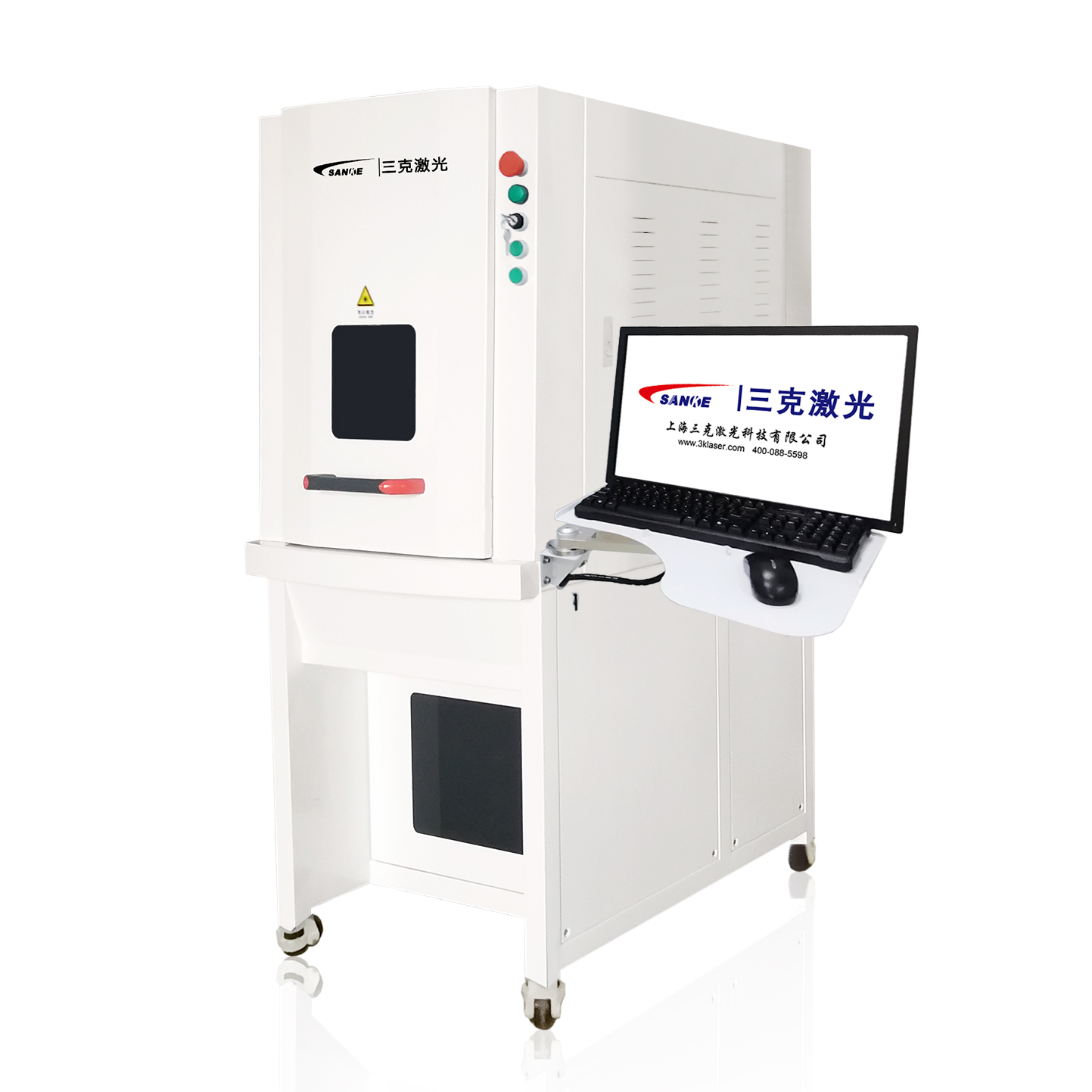
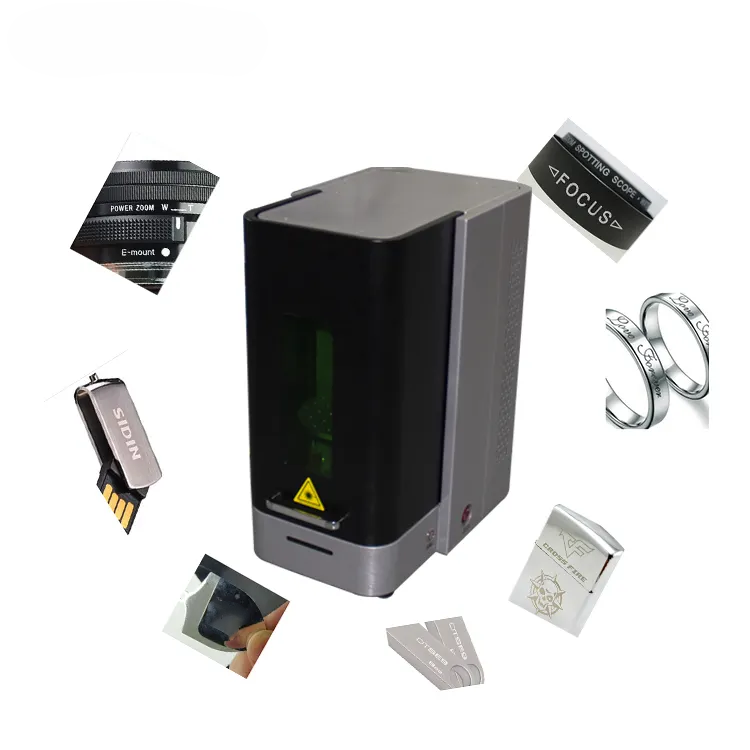
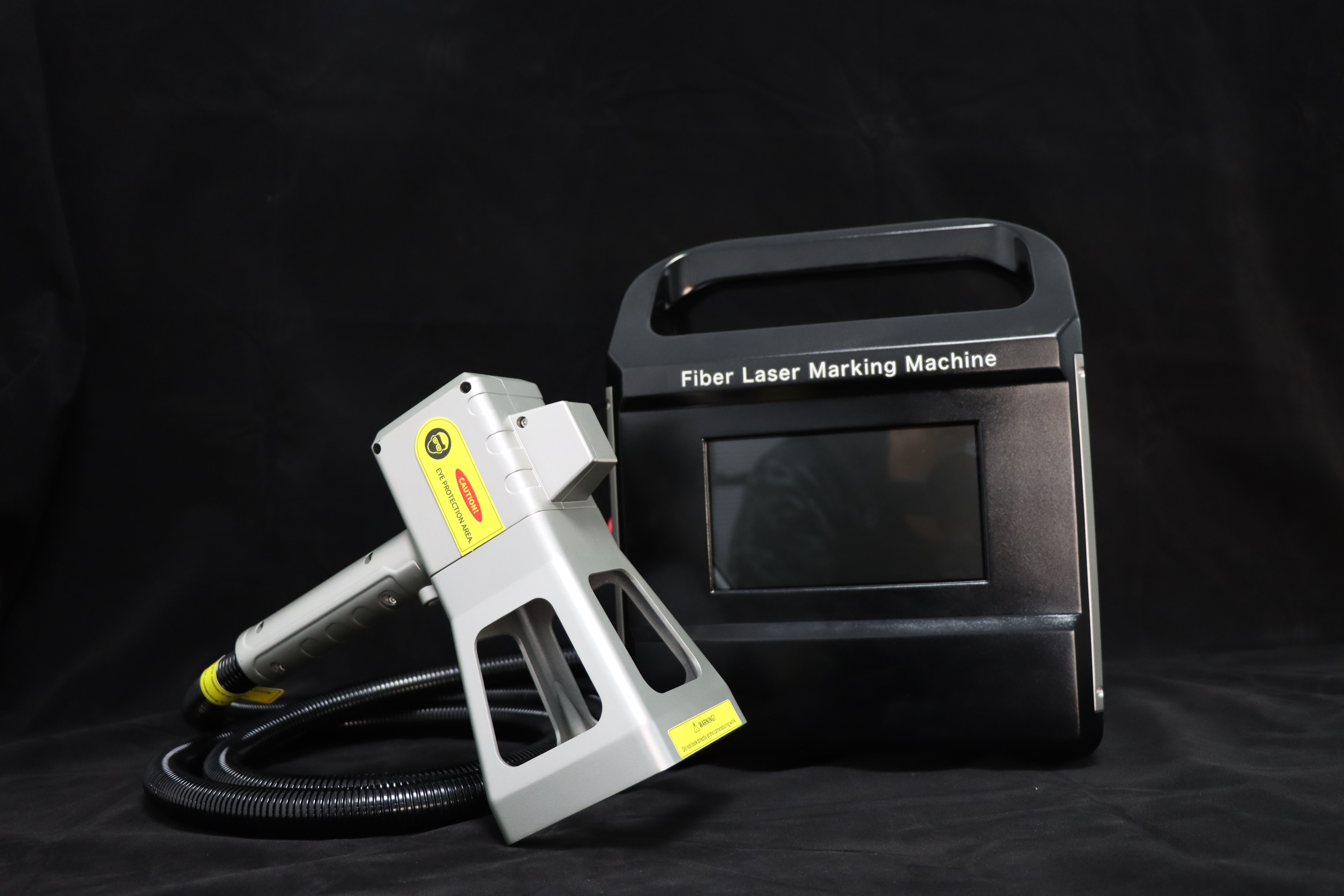
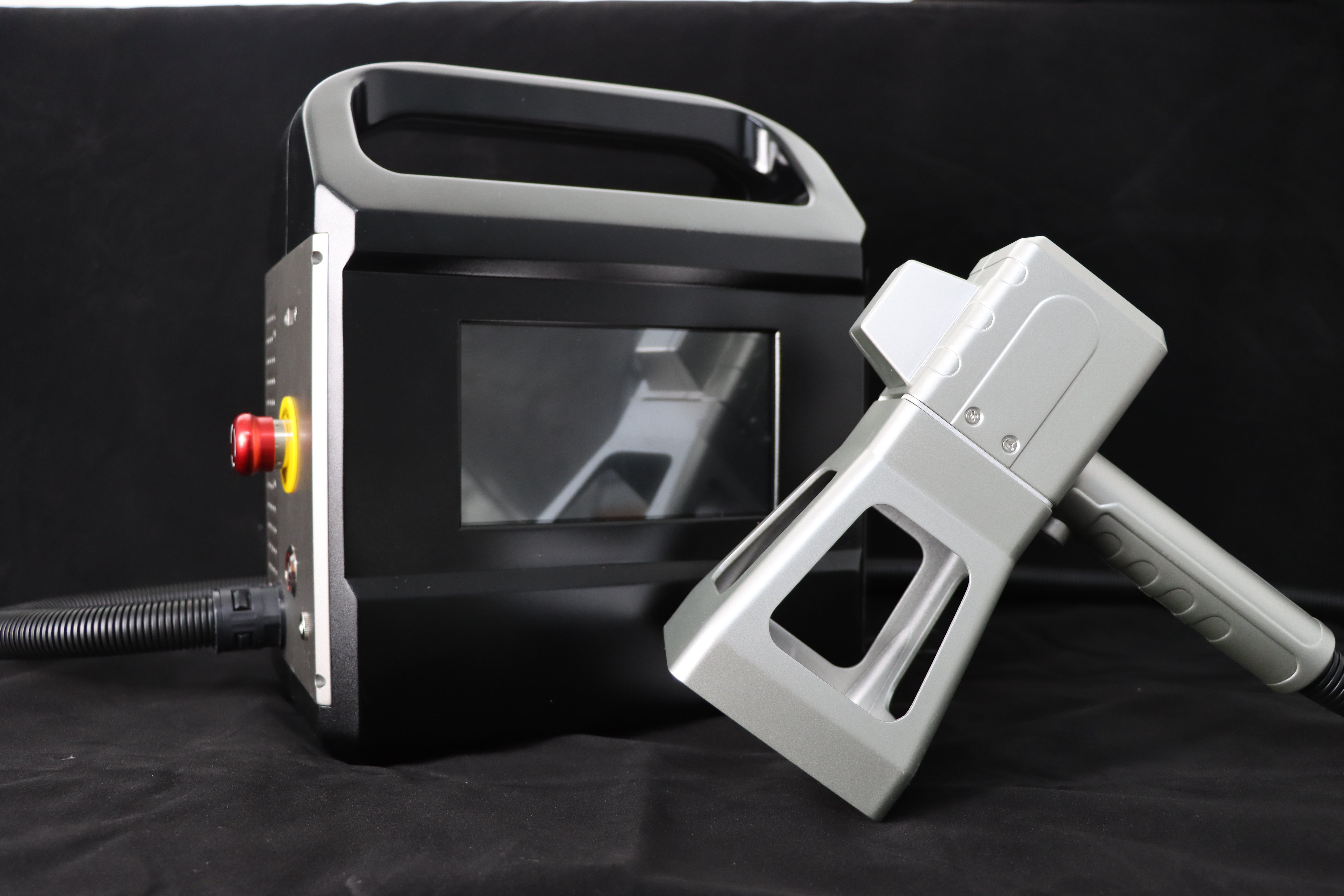
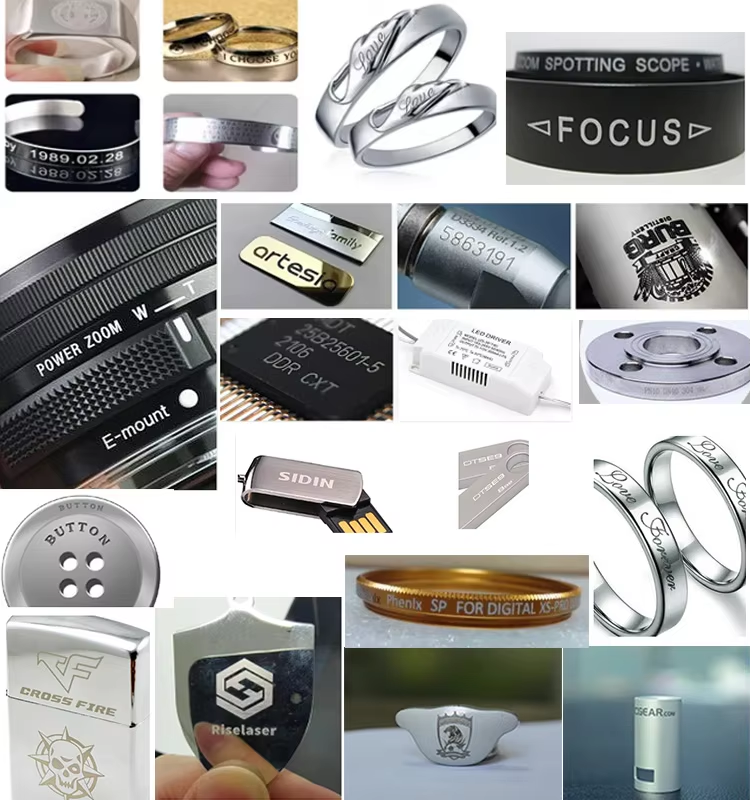
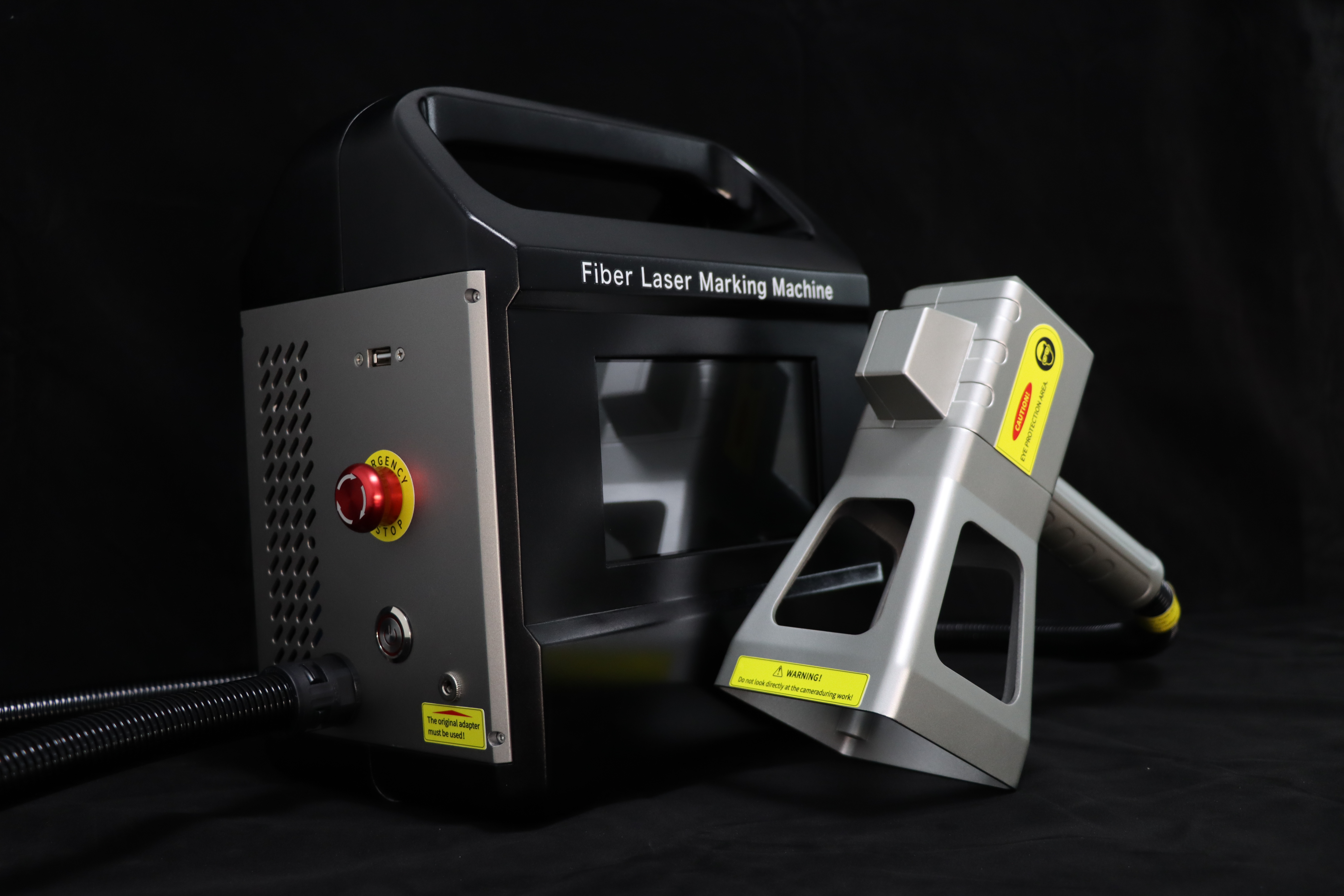
Laser etching steel is an advanced marking technology that uses focused laser beams to create permanent, high-contrast designs, text, and patterns on steel surfaces. This process involves removing microscopic layers of material or altering the surface structure through controlled heat application, resulting in precise and durable markings. The laser etching steel technique has revolutionized metal fabrication and identification processes across numerous industries. The technology operates by directing concentrated light energy onto the steel substrate, where it vaporizes or oxidizes the surface to produce clearly visible marks without compromising the material's structural integrity. Unlike traditional methods such as engraving or stamping, laser etching steel offers non-contact processing that eliminates tool wear and reduces maintenance costs. The system accommodates various steel types, including stainless steel, carbon steel, and hardened steel alloys, making it exceptionally versatile for diverse manufacturing requirements. Modern laser etching steel equipment incorporates computer-aided design software that enables operators to reproduce complex graphics, barcodes, QR codes, serial numbers, and logos with exceptional accuracy. The technology delivers consistent results across production runs, ensuring quality control and traceability for regulatory compliance. Applications span automotive component marking, medical device identification, aerospace part tracking, tool manufacturing, jewelry creation, and industrial equipment labeling. The laser etching steel process produces permanent marks resistant to abrasion, chemicals, extreme temperatures, and environmental exposure, making it ideal for items requiring long-term identification throughout their operational lifespan.
 EN
EN
 AR
AR
 FR
FR
 DE
DE
 JA
JA
 KO
KO
 RU
RU
 ES
ES