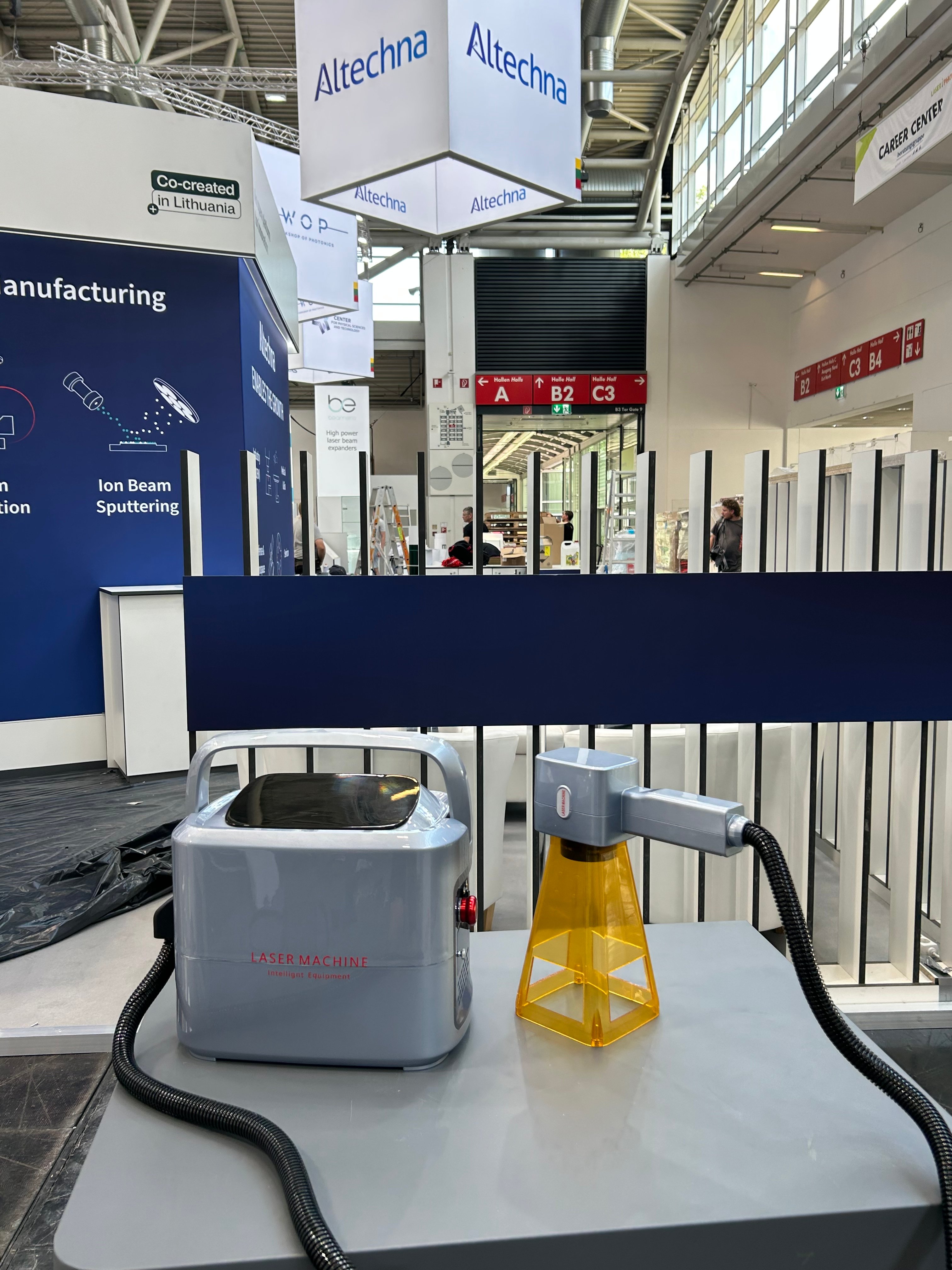
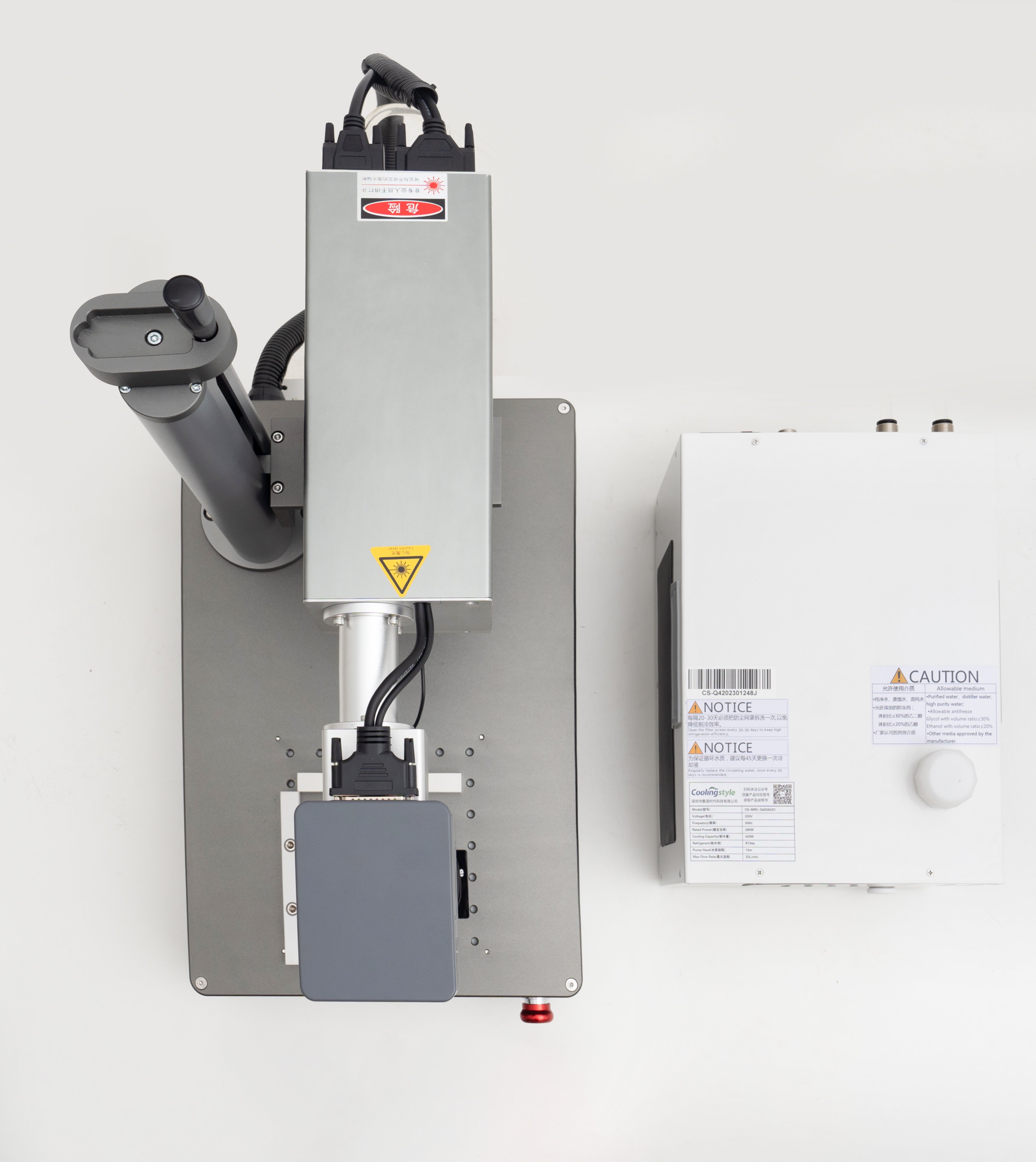
laser marking types-0

Comprehensive Guide to Laser Marking Types: Technologies, Applications, and Benefits

Get a Free Quote

Our representative will contact you soon.
Email
Name
Company Name
Message
0/1000

laser marking types

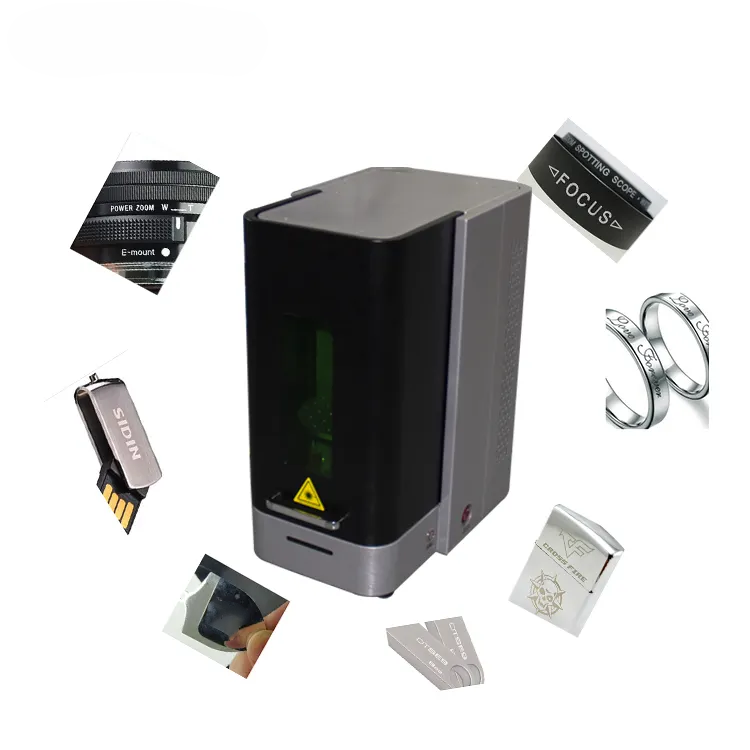
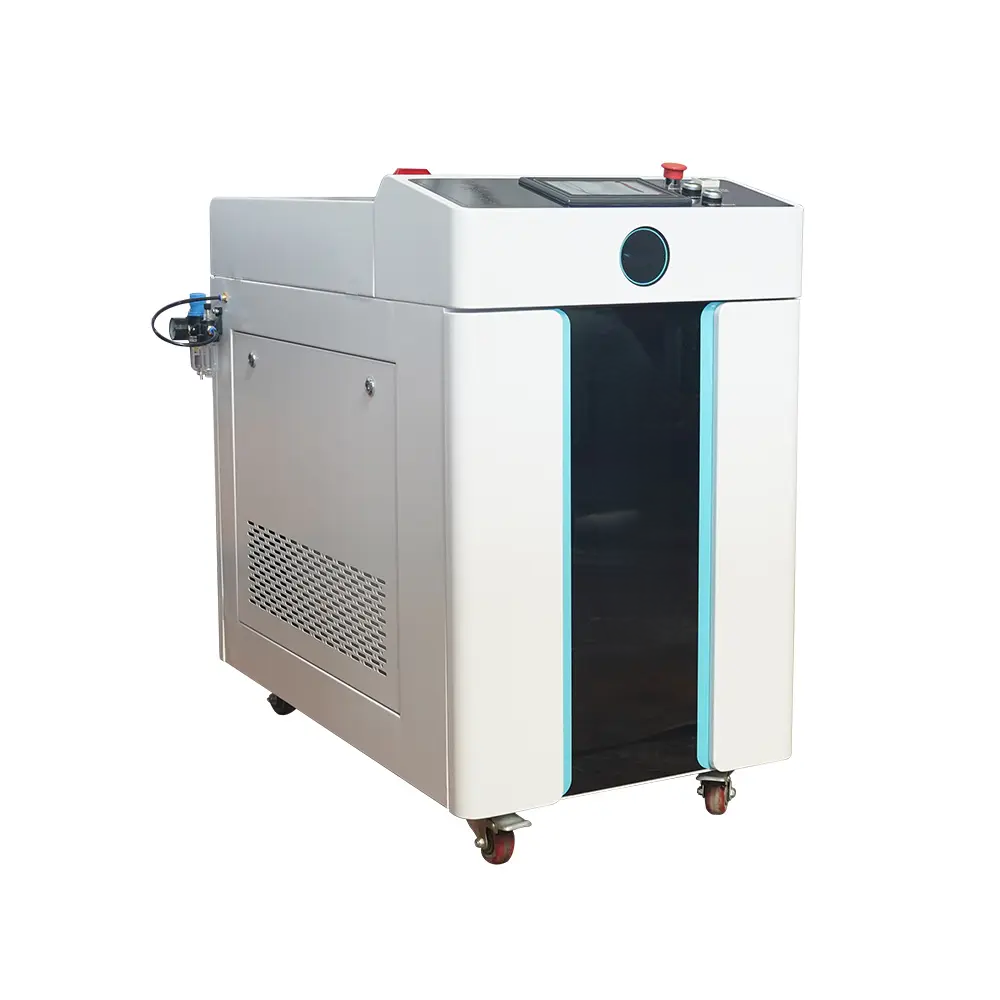
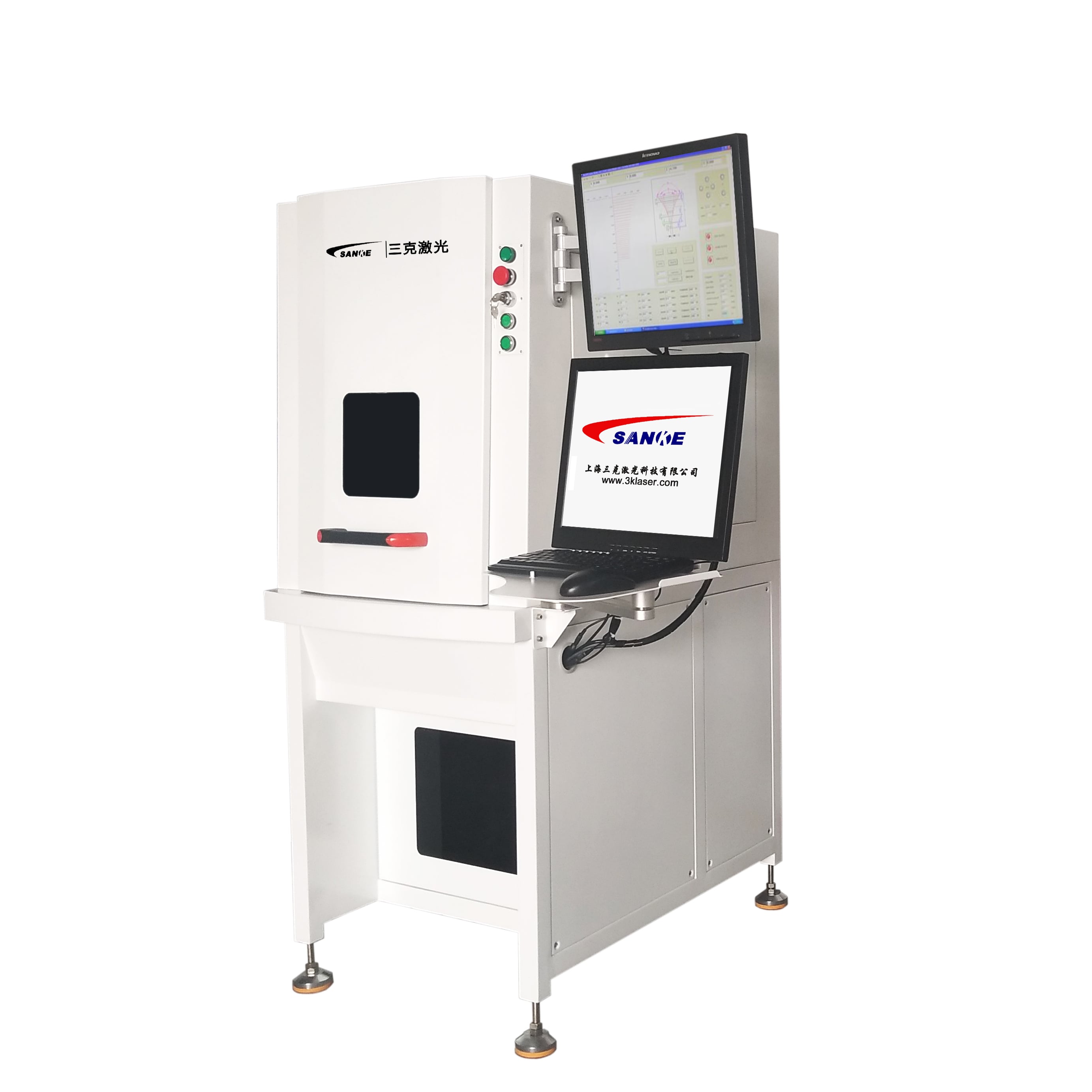
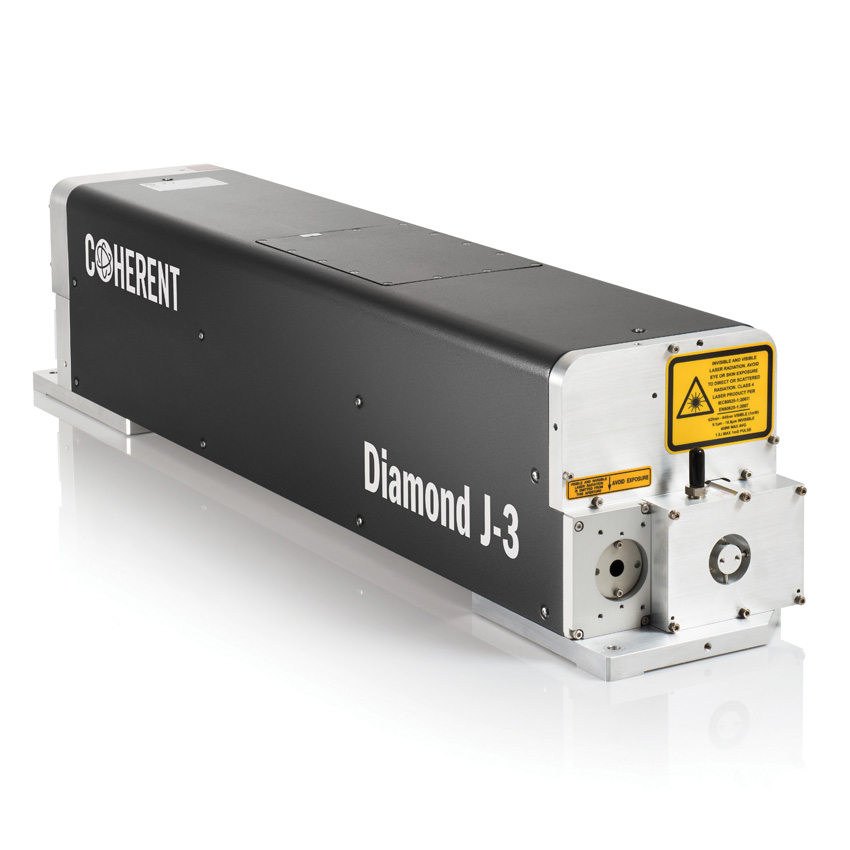
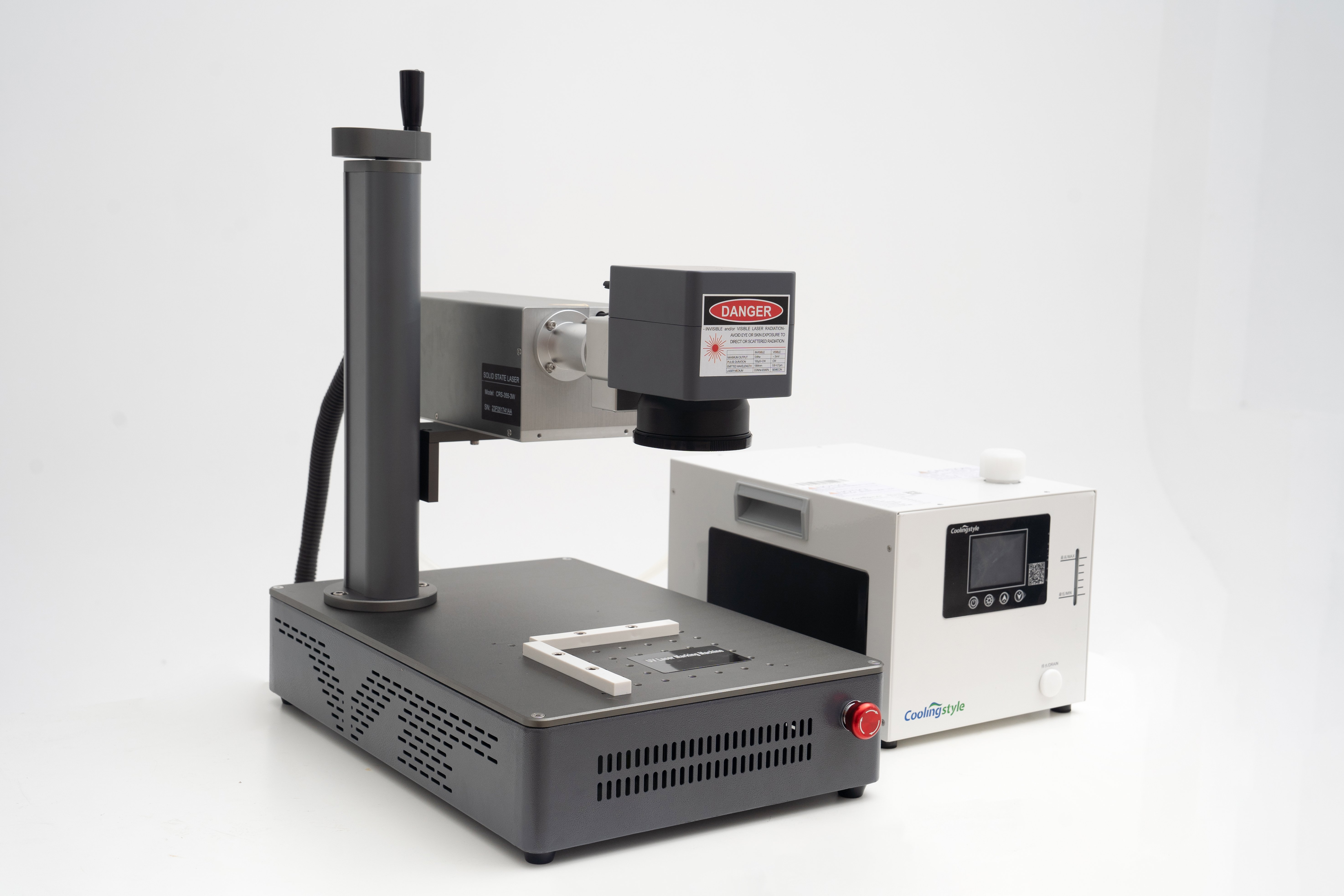
Laser marking types represent cutting-edge engraving and identification solutions that utilize focused light beams to create permanent, high-quality marks on various materials. These sophisticated systems employ different laser technologies, including fiber lasers, CO2 lasers, and UV lasers, each designed for specific material compatibility and marking requirements. The main functions of laser marking types encompass precise surface etching, deep engraving, color changing, and material removal processes that produce durable identification marks, barcodes, serial numbers, logos, and decorative patterns. The technological features of modern laser marking types include computer-controlled precision, adjustable power settings, variable marking speeds, and multi-axis positioning systems that ensure consistent results across production runs. These systems integrate seamlessly with manufacturing workflows through automated feeding mechanisms, conveyor belt compatibility, and real-time quality monitoring capabilities. Applications for laser marking types span numerous industries, including automotive manufacturing for component identification, medical device production for regulatory compliance marking, electronics assembly for circuit board labeling, aerospace components for traceability requirements, and consumer goods for brand identification. The pharmaceutical industry relies heavily on laser marking types for drug packaging authentication and anti-counterfeiting measures. Additionally, jewelry manufacturers utilize these systems for intricate design work and personalization services. The food and beverage sector employs laser marking types for expiration date coding and lot number tracking on packaging materials. Construction and industrial equipment manufacturers depend on these technologies for safety compliance marking and operational instruction labeling. The versatility of laser marking types extends to educational institutions for laboratory equipment identification and research facilities for sample tracking systems, demonstrating their broad applicability across diverse sectors requiring permanent, legible, and tamper-resistant marking solutions.

New Products

Laser marking types offer exceptional precision that surpasses traditional marking methods, delivering microscopic accuracy for intricate designs and detailed information encoding. This precision eliminates human error while maintaining consistent quality standards across large production volumes. The non-contact nature of laser marking types prevents material damage and contamination issues commonly associated with mechanical engraving processes. Unlike ink-based systems, laser marking types create permanent marks that resist fading, scratching, and chemical exposure, ensuring long-term readability under harsh environmental conditions. The speed capabilities of modern laser marking types significantly reduce production time, with marking cycles often completed in seconds rather than minutes required by alternative methods. This efficiency translates directly into cost savings through increased throughput and reduced labor requirements. Environmental benefits distinguish laser marking types from chemical etching and solvent-based printing systems, as they produce no harmful emissions or waste materials during operation. The versatility of laser marking types accommodates diverse material compositions, including metals, plastics, ceramics, glass, and organic materials, eliminating the need for multiple marking systems in multi-material manufacturing environments. Maintenance requirements for laser marking types remain minimal compared to mechanical systems, reducing downtime and operational costs while extending equipment lifespan. The digital control systems inherent in laser marking types enable rapid design changes and customization without tooling modifications or setup delays. Integration capabilities allow laser marking types to connect seamlessly with existing production management systems, enabling real-time data exchange and quality control monitoring. Energy efficiency characteristics of laser marking types contribute to reduced operational costs and environmental impact compared to heating-based marking methods. The compact design of modern laser marking types requires minimal floor space while delivering industrial-grade performance, making them suitable for both large-scale manufacturing facilities and small workshop environments. Quality consistency achieved through laser marking types ensures regulatory compliance and traceability requirements across industries with strict identification standards, providing peace of mind for manufacturers and end-users alike.

Practical Tips

How do I ensure the safety of operators when using a laser drilling machine?

19

Nov

How do I ensure the safety of operators when using a laser drilling machine?

Laser drilling machines have revolutionized precision manufacturing across industries, offering unparalleled accuracy and efficiency for creating micro-holes in various materials. However, the powerful laser beams used in these systems pose significa...
View More
How do handheld laser cleaning machines contribute to environmentally friendly cleaning practices?

19

Nov

How do handheld laser cleaning machines contribute to environmentally friendly cleaning practices?

Modern industrial cleaning practices are undergoing a revolutionary transformation as companies seek more sustainable and environmentally conscious solutions. Traditional cleaning methods often rely on harsh chemicals, abrasive materials, and process...
View More
How does the maintenance of precision laser cutting machines impact their longevity and performance, and what are some tips for effective machine maintenance?

19

Nov

How does the maintenance of precision laser cutting machines impact their longevity and performance, and what are some tips for effective machine maintenance?

Precision laser cutting machines represent a significant investment for manufacturing facilities, and their proper maintenance directly correlates with operational efficiency, production quality, and equipment lifespan. These sophisticated systems re...
View More
How Do Different Laser Sources Impact the Efficiency of Industrial Processes?

19

Nov

How Do Different Laser Sources Impact the Efficiency of Industrial Processes?

Industrial manufacturing has undergone a revolutionary transformation with the integration of advanced laser technology, where different laser sources serve as the cornerstone of precision processing across numerous sectors. The selection of appropri...
View More

Get a Free Quote

Our representative will contact you soon.
Email
Name
Company Name
Message
0/1000

laser marking types

Unmatched Marking Precision and Consistency

Unmatched Marking Precision and Consistency

The precision capabilities of laser marking types represent a revolutionary advancement in industrial marking technology, delivering accuracy levels that traditional methods simply cannot achieve. This exceptional precision stems from the focused laser beam technology that can create marks as small as 0.1 millimeters with perfect edge definition and consistent depth control. Manufacturing facilities utilizing laser marking types experience dramatically improved quality control outcomes, as each mark maintains identical specifications regardless of production volume or operator skill level. The computer-controlled precision inherent in laser marking types eliminates the variability associated with manual marking processes, ensuring that every product receives identical marking quality. This consistency proves particularly valuable in industries requiring regulatory compliance, where marking legibility and durability directly impact product approval and market access. Pharmaceutical companies, for instance, rely on the precision of laser marking types to create tamper-evident packaging marks that meet FDA requirements while maintaining aesthetic appeal. The microscopic accuracy of laser marking types enables the creation of complex security features, including micro-text and intricate patterns that serve as anti-counterfeiting measures. Automotive manufacturers benefit from this precision when marking small electronic components where space constraints demand minimal marking footprints without compromising readability. The repeatability factor of laser marking types ensures that production quality remains constant across shifts, operators, and extended production runs, reducing waste and rework costs. Quality assurance teams appreciate the predictable outcomes delivered by laser marking types, as they can establish standardized inspection criteria knowing that marking parameters remain consistent. The precision of laser marking types also extends to depth control, allowing manufacturers to create marks that penetrate just enough to ensure permanence without compromising material integrity. This controlled precision proves essential in medical device manufacturing, where marking depth must meet regulatory standards without affecting device functionality or biocompatibility.
Exceptional Material Versatility and Adaptability

Exceptional Material Versatility and Adaptability

The material versatility of laser marking types represents one of their most compelling advantages, offering manufacturers the flexibility to mark virtually any material type with optimal results. This adaptability eliminates the need for multiple marking systems, significantly reducing capital equipment costs and operational complexity. Laser marking types excel across metal applications, including stainless steel, aluminum, titanium, brass, and specialized alloys used in aerospace and medical applications. The technology adapts seamlessly to plastic materials, from standard polymers like ABS and polycarbonate to specialized engineering plastics used in demanding applications. Glass and ceramic marking capabilities of laser marking types enable permanent identification on laboratory equipment, electronic components, and decorative items without causing thermal stress or material cracking. Organic materials, including wood, leather, paper, and fabric, respond excellently to laser marking types, opening opportunities for personalization services and custom branding applications. The wavelength selection available in different laser marking types allows optimization for specific material characteristics, ensuring optimal contrast and durability for each application. Fiber laser marking types excel with metals and certain plastics, while CO2 laser systems provide superior results on organic materials and some polymers. UV laser marking types offer exceptional performance on heat-sensitive materials and applications requiring minimal thermal impact. This material flexibility enables manufacturers to consolidate marking operations, reducing training requirements and maintenance overhead while improving production efficiency. The ability of laser marking types to process coated materials expands application possibilities, allowing marking through thin coatings to reveal contrasting substrate colors or removing coatings to expose underlying materials. Multi-material assemblies benefit from laser marking types that can mark different components within a single processing cycle, streamlining production workflows and reducing handling requirements. The adaptability of laser marking types extends to material thickness variations, accommodating everything from thin films to thick structural components without requiring mechanical adjustments or tooling changes.
Superior Speed and Production Efficiency

Superior Speed and Production Efficiency

The speed advantages of laser marking types transform manufacturing efficiency by delivering rapid marking cycles that dramatically outperform traditional methods. Modern laser marking types complete complex marking tasks in seconds, compared to minutes required by mechanical engraving or chemical etching processes. This speed advantage translates directly into increased production capacity, allowing manufacturers to meet demanding delivery schedules while maintaining quality standards. High-volume production environments benefit immensely from the rapid processing capabilities of laser marking types, as they can mark thousands of components per hour without degradation in quality or accuracy. The instant-on capability of laser marking types eliminates warm-up time requirements, enabling immediate production starts and reducing energy consumption during idle periods. Automated feeding systems integrate seamlessly with laser marking types to create continuous processing workflows that maximize throughput while minimizing labor requirements. The speed of laser marking types enables real-time production marking, allowing manufacturers to apply time-sensitive information like batch codes and expiration dates immediately before packaging. Quick design changeover capabilities of laser marking types support just-in-time manufacturing strategies, where marking parameters can be modified instantly to accommodate different product variants without production delays. The rapid processing speed of laser marking types reduces work-in-process inventory, as components can be marked and immediately advanced to subsequent production stages. Quality inspection processes benefit from the speed of laser marking types, as high-speed marking allows more time for thorough quality control without impacting production schedules. The efficiency gains from laser marking types extend beyond marking speed to include reduced material handling, simplified workflows, and decreased labor requirements. Production planners appreciate the predictable cycle times of laser marking types, enabling accurate scheduling and resource allocation across manufacturing operations. The speed consistency of laser marking types ensures that production targets remain achievable even during extended operating periods, contributing to reliable delivery performance and customer satisfaction. Energy efficiency combines with speed advantages in laser marking types to reduce operational costs while maximizing production output, creating compelling economic benefits for manufacturers seeking competitive advantages in fast-paced markets.

Get a Free Quote

Our representative will contact you soon.
Email
Name
Company Name
Message
0/1000