types of laser marking-0

Complete Guide to Types of Laser Marking: Technologies, Benefits & Applications

Get a Free Quote

Our representative will contact you soon.
Email
Name
Company Name
Message
0/1000

types of laser marking

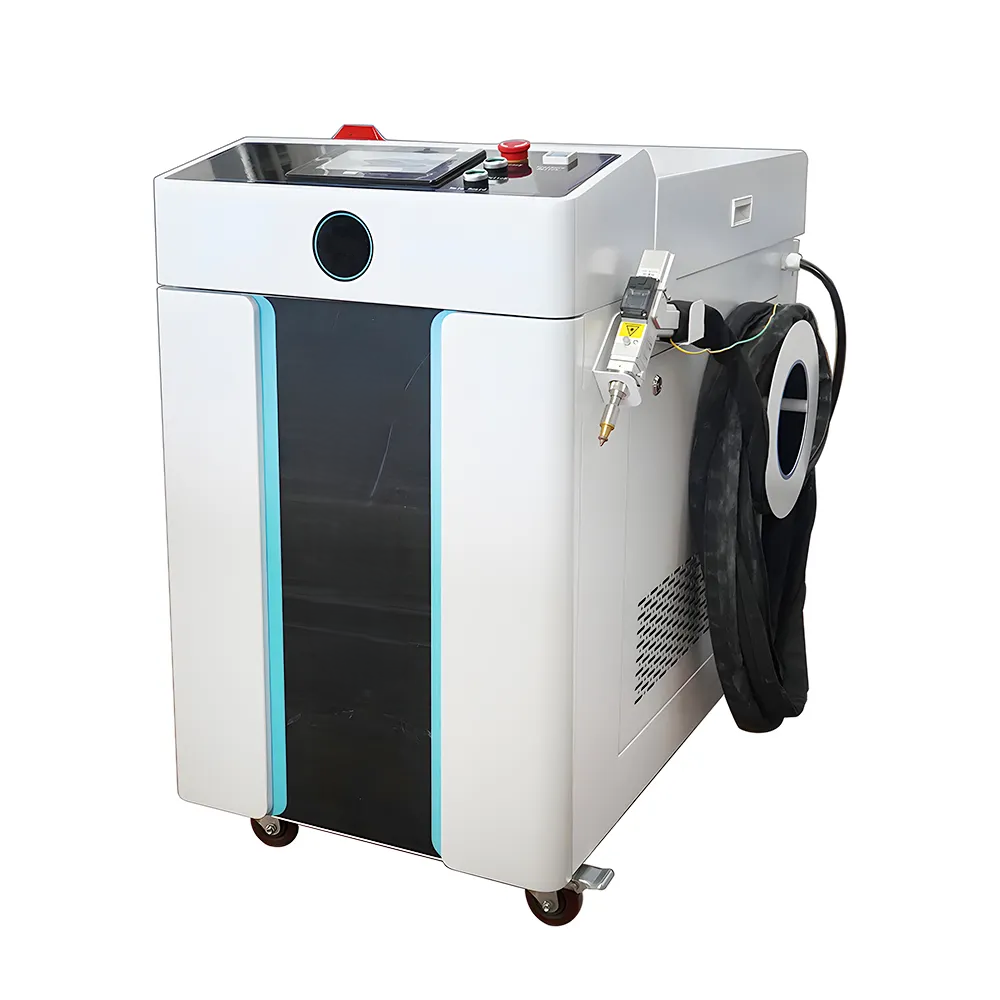
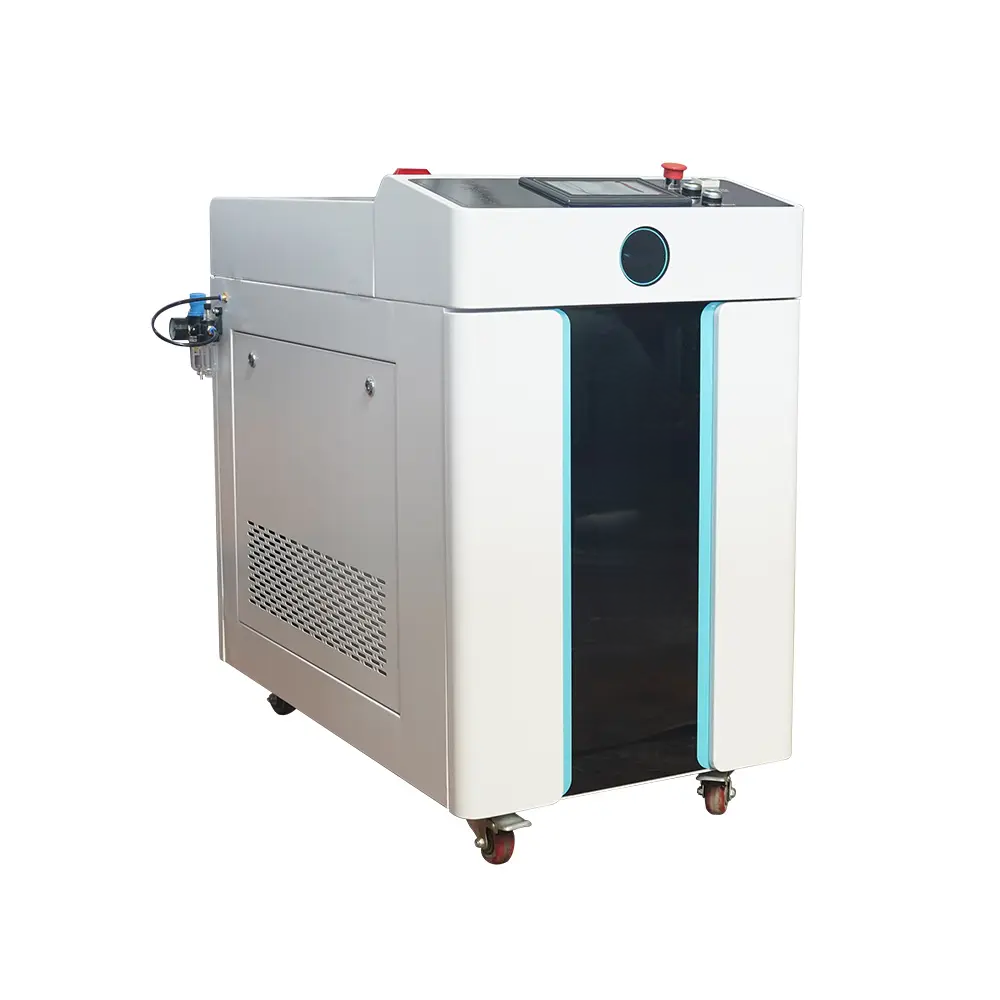
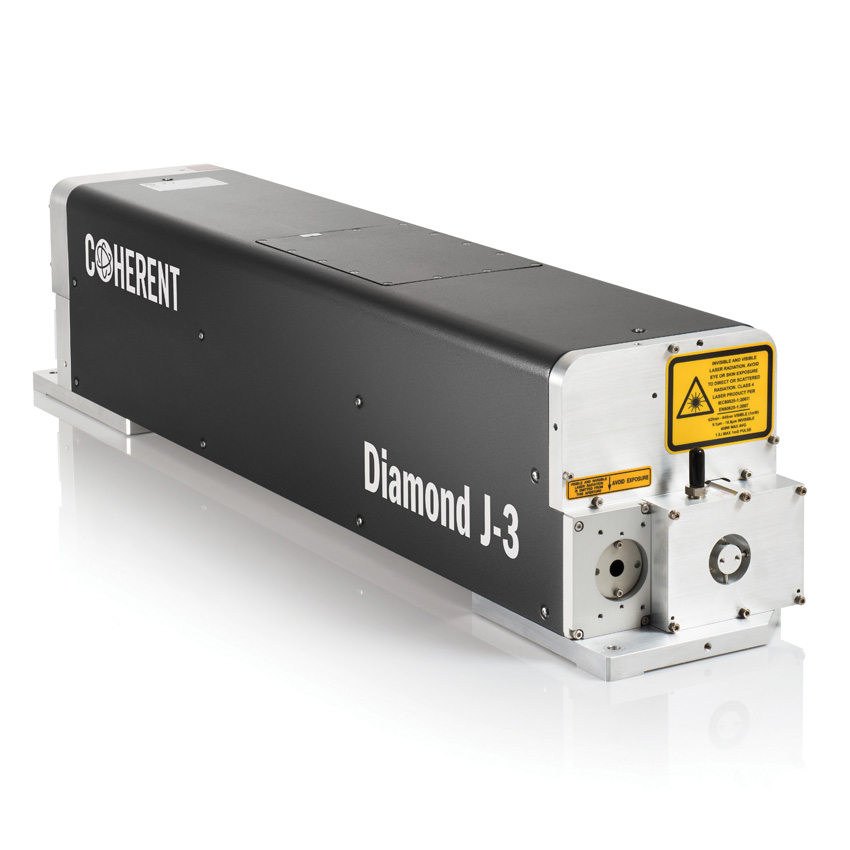
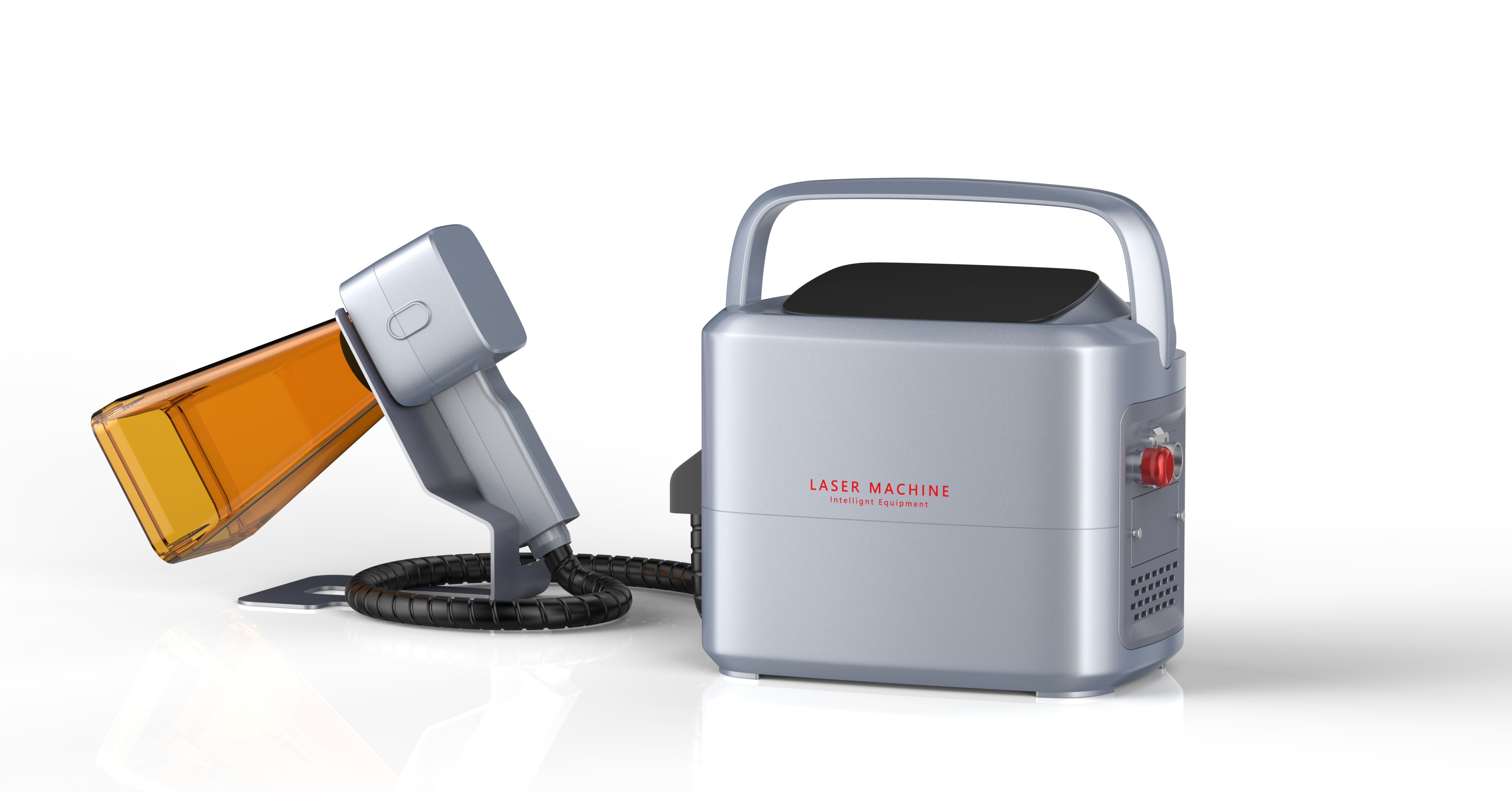
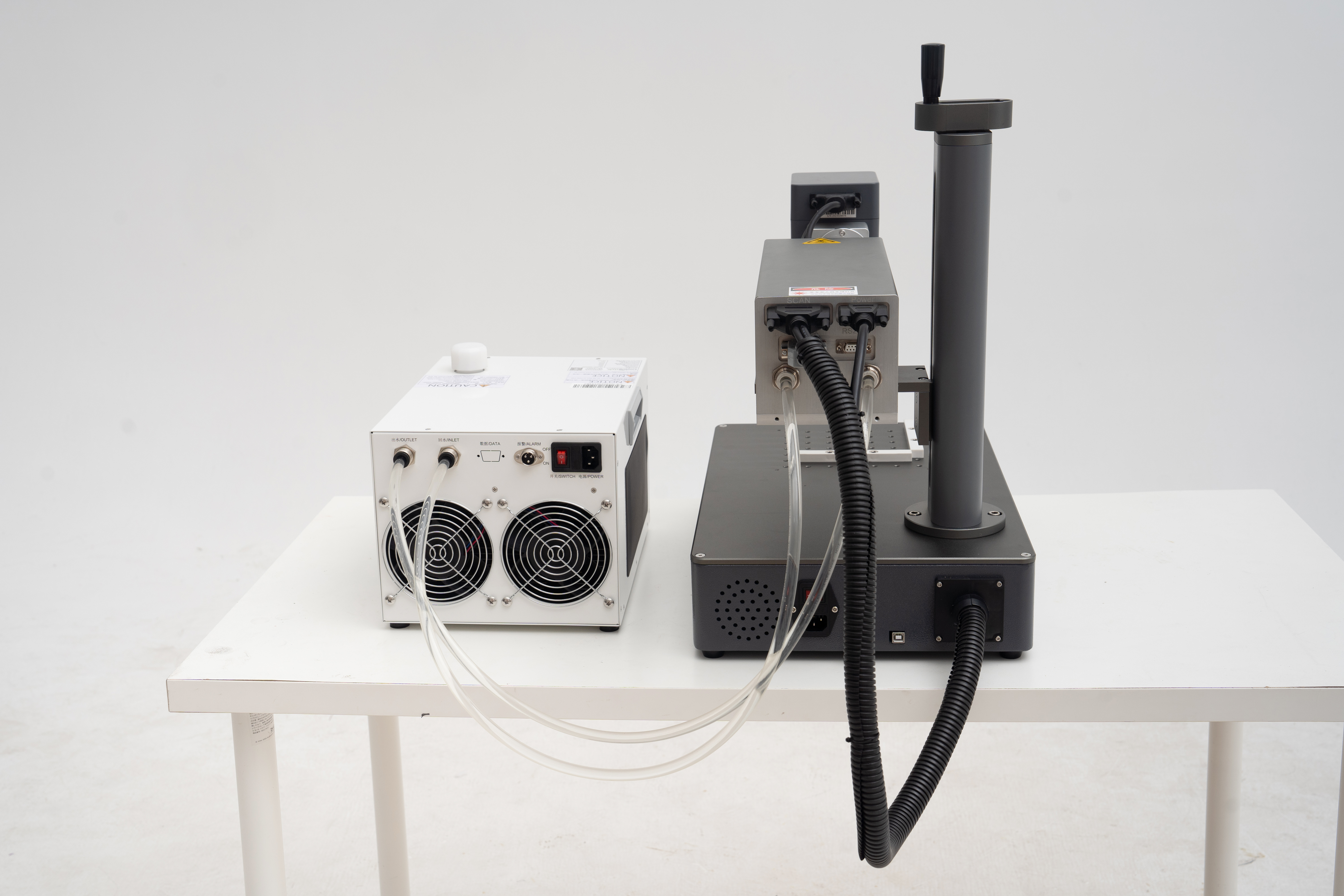
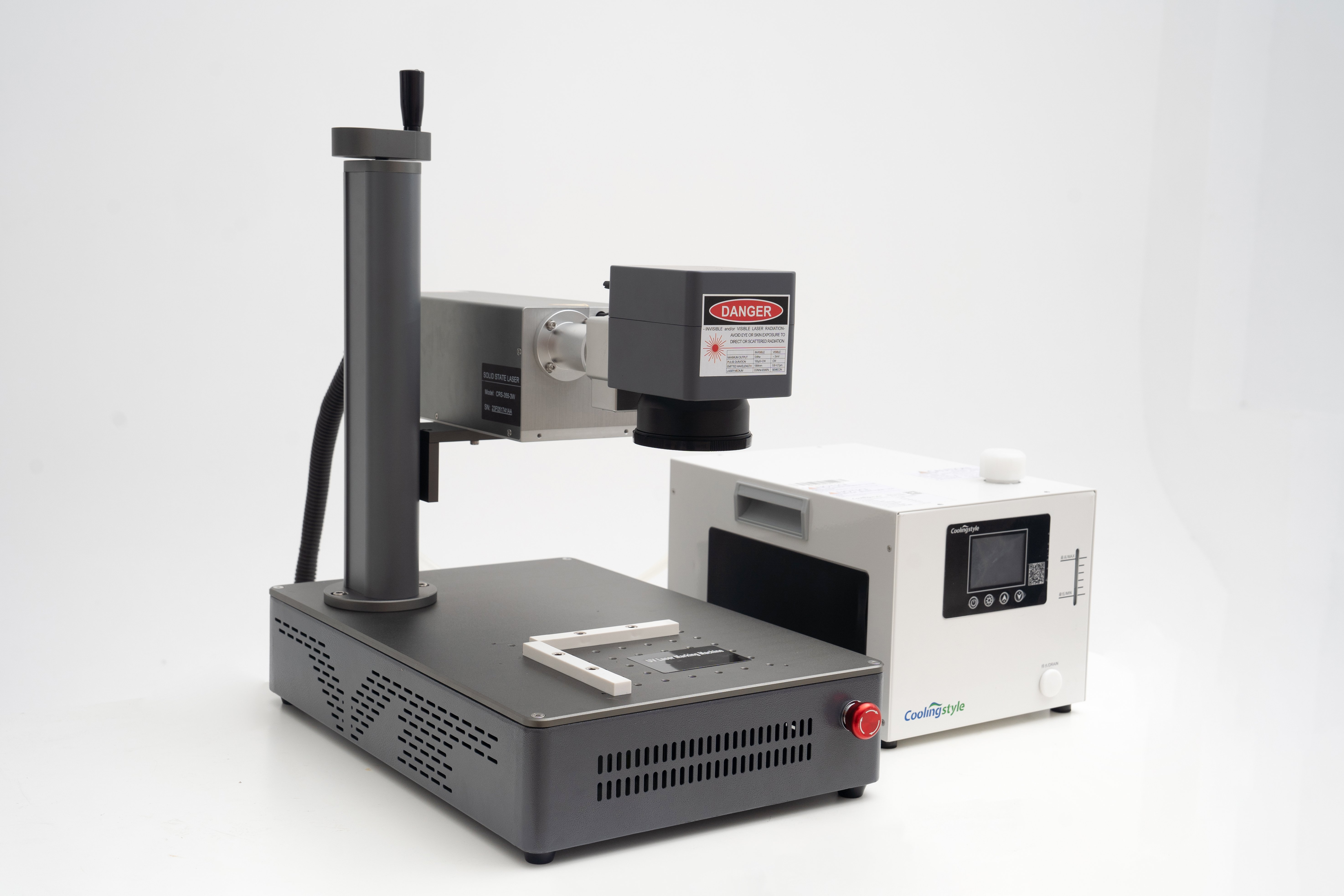
The types of laser marking represent a revolutionary advancement in industrial identification and manufacturing processes, offering unparalleled precision and versatility across numerous applications. Laser marking technology encompasses several distinct methodologies, each designed to meet specific requirements for permanent material identification. The primary types of laser marking include fiber laser marking, CO2 laser marking, UV laser marking, and diode laser marking, each utilizing different wavelengths and mechanisms to achieve optimal results on various substrates. Fiber laser marking operates at wavelengths around 1064nm, making it exceptionally effective for metals, plastics, and engineered materials. This technology delivers high-speed processing with remarkable precision, creating permanent marks that withstand harsh environmental conditions. CO2 laser marking utilizes wavelengths of 10.6 micrometers, proving ideal for organic materials, ceramics, glass, and certain plastics. The technology excels in creating deep engravings and surface modifications with excellent contrast and readability. UV laser marking operates at shorter wavelengths, typically 355nm, enabling cold processing that prevents thermal damage to sensitive materials. This approach proves particularly valuable for electronics, medical devices, and premium consumer goods where heat-affected zones must be minimized. Diode laser marking systems offer cost-effective solutions for specific applications, particularly in packaging and light-duty industrial marking requirements. The technological features of these types of laser marking include computer-controlled beam positioning, variable power settings, adjustable pulse frequencies, and sophisticated software integration. These systems integrate seamlessly with production lines, enabling real-time marking during manufacturing processes. Applications span automotive component identification, medical device traceability, electronics serialization, aerospace part marking, jewelry engraving, and packaging date coding. The types of laser marking continue evolving with advancing technology, incorporating artificial intelligence, improved beam quality, and enhanced automation capabilities to meet growing industrial demands for permanent, high-quality identification solutions.

New Product Releases

The types of laser marking deliver exceptional advantages that transform manufacturing and identification processes across industries. Permanent durability stands as the foremost benefit, as laser-created marks resist fading, scratching, chemical exposure, and extreme temperatures throughout product lifecycles. Unlike traditional printing methods, these marks become integral parts of the material surface, ensuring long-term readability and compliance with regulatory requirements. Speed represents another significant advantage, with modern types of laser marking achieving marking speeds exceeding 1000 characters per second while maintaining consistent quality. This efficiency translates directly into increased production throughput and reduced operational costs for manufacturers. Precision accuracy enables the creation of microscopic details, including QR codes smaller than 2mm, alphanumeric characters at 0.1mm heights, and intricate graphics with resolution exceeding 1000 DPI. Such precision proves essential for medical devices, electronics, and aerospace components requiring detailed identification within limited surface areas. Versatility across materials eliminates the need for multiple marking systems, as different types of laser marking accommodate metals, plastics, ceramics, glass, rubber, leather, and composite materials. This flexibility reduces equipment investment while streamlining production processes. Environmental friendliness distinguishes laser marking from chemical etching and solvent-based printing, as the process generates no harmful emissions, requires no consumable inks or chemicals, and produces minimal waste. Cost-effectiveness emerges through reduced maintenance requirements, elimination of consumables, and minimal operator intervention needed for sustained operation. The types of laser marking require no replacement parts like printheads or ribbons, significantly reducing ongoing operational expenses. Automation compatibility allows seamless integration with robotic systems, conveyor lines, and manufacturing execution systems, enabling lights-out production capabilities. Quality consistency ensures identical mark appearance across thousands of parts, meeting stringent quality standards required in regulated industries. Software flexibility permits easy design changes, batch processing, and database connectivity for variable data marking. These advantages collectively position the types of laser marking as superior solutions for permanent identification needs, delivering reliability, efficiency, and cost savings that traditional marking methods cannot match.

Tips And Tricks

Can a laser drilling machine be integrated into an automated production line?

19

Nov

Can a laser drilling machine be integrated into an automated production line?

Modern manufacturing demands unprecedented levels of precision, efficiency, and automation to remain competitive in today's global marketplace. The integration of advanced equipment into automated production lines has become essential for manufacture...
View More
How to Choose the Right Portable Laser Welding Machine for Your Business?

19

Nov

How to Choose the Right Portable Laser Welding Machine for Your Business?

Manufacturing businesses today face increasing pressure to improve efficiency while maintaining exceptional quality standards. The advent of portable laser welding machines has revolutionized the welding industry by offering unprecedented mobility, p...
View More
How Does Handheld Laser Welding Compare to Traditional Welding Methods?

19

Nov

How Does Handheld Laser Welding Compare to Traditional Welding Methods?

The welding industry has experienced significant technological advancement over the past decade, with handheld laser welding emerging as a revolutionary alternative to conventional welding techniques. This innovative technology represents a paradigm ...
View More
How does the maintenance of precision laser cutting machines impact their longevity and performance, and what are some tips for effective machine maintenance?

19

Nov

How does the maintenance of precision laser cutting machines impact their longevity and performance, and what are some tips for effective machine maintenance?

Precision laser cutting machines represent a significant investment for manufacturing facilities, and their proper maintenance directly correlates with operational efficiency, production quality, and equipment lifespan. These sophisticated systems re...
View More

Get a Free Quote

Our representative will contact you soon.
Email
Name
Company Name
Message
0/1000

types of laser marking

Unmatched Precision and Flexibility Across All Material Types

Unmatched Precision and Flexibility Across All Material Types

The types of laser marking excel in delivering unprecedented precision capabilities that surpass conventional marking technologies by substantial margins. Modern laser marking systems achieve positioning accuracy within 0.001 inches, enabling the creation of intricate designs, microscopic text, and complex geometric patterns that remain perfectly legible even under magnification. This precision proves invaluable in industries requiring detailed component identification within extremely limited surface areas, such as medical implants, electronic circuits, and precision instruments. The flexibility of different types of laser marking extends beyond mere accuracy to encompass remarkable material compatibility. Fiber laser marking systems effectively process various metals including stainless steel, aluminum, titanium, and precious metals, creating high-contrast marks through surface oxidation or material removal. CO2 laser marking demonstrates exceptional performance on organic materials, ceramics, and glass, producing deep engravings with clean edges and superior aesthetic appeal. UV laser marking operates with cold processing technology, preventing thermal damage to heat-sensitive materials like certain plastics, thin films, and delicate electronic components. This versatility eliminates the need for multiple marking systems, reducing capital investment and simplifying production workflows. The precision extends to mark depth control, allowing operators to specify exact engraving depths from superficial surface modifications to deep material removal exceeding 0.1 inches. Variable power settings enable fine-tuning for optimal contrast and appearance on different materials, while adjustable pulse frequencies control heat input for sensitive applications. Software-controlled beam positioning ensures consistent mark placement with repeatability exceeding 99.9 percent, critical for automated production environments. The types of laser marking accommodate complex geometries, curved surfaces, and irregular shapes through advanced focusing systems and multi-axis positioning capabilities. This flexibility proves essential for marking cylindrical components, spherical objects, and parts with varying surface topographies. Pattern recognition technology enables automatic alignment compensation, ensuring perfect mark placement even when parts arrive at marking stations in varying positions. The combination of precision and flexibility positions these systems as essential tools for manufacturers requiring reliable, high-quality identification solutions across diverse material types and geometric configurations.
Superior Durability and Permanent Identification Solutions

Superior Durability and Permanent Identification Solutions

The types of laser marking create identification marks with exceptional durability characteristics that significantly surpass alternative marking methods in longevity and resistance to environmental challenges. Laser-created marks become permanently integrated into material surfaces through controlled material modification processes, ensuring identification remains legible throughout product lifecycles regardless of exposure conditions. This permanent integration occurs through various mechanisms depending on the laser type and material combination. Fiber laser marking on metals creates marks through surface oxidation, carbide formation, or controlled material removal, resulting in identification that withstands temperatures exceeding 500 degrees Celsius, chemical exposure to acids and bases, abrasion from mechanical contact, and prolonged ultraviolet radiation exposure. These marks maintain readability after thousands of cleaning cycles, sterilization processes, and harsh industrial environments where temporary identification methods would fail completely. CO2 laser marking produces deep engravings in materials that resist wear, weathering, and chemical degradation, making them ideal for outdoor applications, marine environments, and industrial settings with extreme conditions. The depth-controlled engraving process creates physical texture changes that remain visible even when surface coatings wear away or colors fade over time. UV laser marking generates permanent molecular-level changes in materials without creating heat-affected zones, producing marks that maintain integrity in sensitive electronic applications and medical devices requiring biocompatibility. The durability of these types of laser marking proves essential for regulatory compliance in industries requiring permanent traceability. Medical devices marked with laser technology maintain identification throughout sterilization cycles, implantation procedures, and decades of in-body service. Aerospace components retain critical identification markings despite exposure to extreme temperatures, pressure variations, and corrosive atmospheric conditions encountered during service life. Automotive parts marked with laser systems preserve identification through paint processes, assembly procedures, and years of operation under hood environments exceeding 150 degrees Celsius. The permanent nature eliminates concerns about label adhesion failure, ink degradation, or marking displacement that plague conventional identification methods. This reliability translates into improved product traceability, enhanced quality control capabilities, and reduced liability risks associated with identification failure. The types of laser marking deliver unmatched durability that ensures critical identification remains intact and readable when needed most.
Cost-Effective Operation with Minimal Maintenance Requirements

Cost-Effective Operation with Minimal Maintenance Requirements

The types of laser marking deliver exceptional economic value through remarkably low operational costs and minimal maintenance requirements that significantly reduce total ownership expenses compared to alternative marking technologies. Unlike conventional marking methods requiring continuous consumable replenishment, laser marking systems operate without inks, solvents, ribbons, or replacement marking tools, eliminating recurring material costs that can exceed thousands of dollars annually for high-volume operations. The solid-state design of modern laser sources provides operational lifespans exceeding 100,000 hours for fiber lasers and 45,000 hours for CO2 systems, translating into years of continuous operation without component replacement. This longevity dramatically reduces maintenance scheduling, system downtime, and replacement part inventory requirements. The types of laser marking systems feature sealed optical components that resist contamination and environmental degradation, maintaining consistent performance throughout their service life without requiring frequent cleaning or adjustment procedures. Automated beam delivery systems eliminate mechanical wear associated with contact marking methods, ensuring consistent mark quality without gradual performance degradation. Energy efficiency represents another significant cost advantage, with modern laser marking systems consuming 70 percent less electricity than comparable industrial marking equipment while delivering superior marking speeds and quality. The precise energy application eliminates material waste associated with oversized marked areas or excessive processing depths, optimizing material utilization and reducing scrap costs. Software automation capabilities reduce labor requirements by enabling unattended operation during extended production runs, allowing operators to focus on higher-value activities while maintaining consistent marking quality. Integration capabilities with existing production management systems eliminate manual data entry requirements, reducing labor costs and improving accuracy for variable data marking applications. The reliability of these systems minimizes unplanned downtime costs that can reach thousands of dollars per hour in high-volume production environments. Predictive maintenance capabilities built into modern controllers provide advance warning of potential issues, enabling scheduled maintenance during planned downtime rather than emergency repairs during production periods. Quality consistency eliminates rework costs associated with marking defects or readability issues common with wear-prone conventional methods. The types of laser marking systems typically achieve return on investment within 18 months through combined savings from eliminated consumables, reduced maintenance, improved efficiency, and enhanced quality control capabilities, making them financially attractive solutions for manufacturers seeking long-term operational cost reduction.

Get a Free Quote

Our representative will contact you soon.
Email
Name
Company Name
Message
0/1000