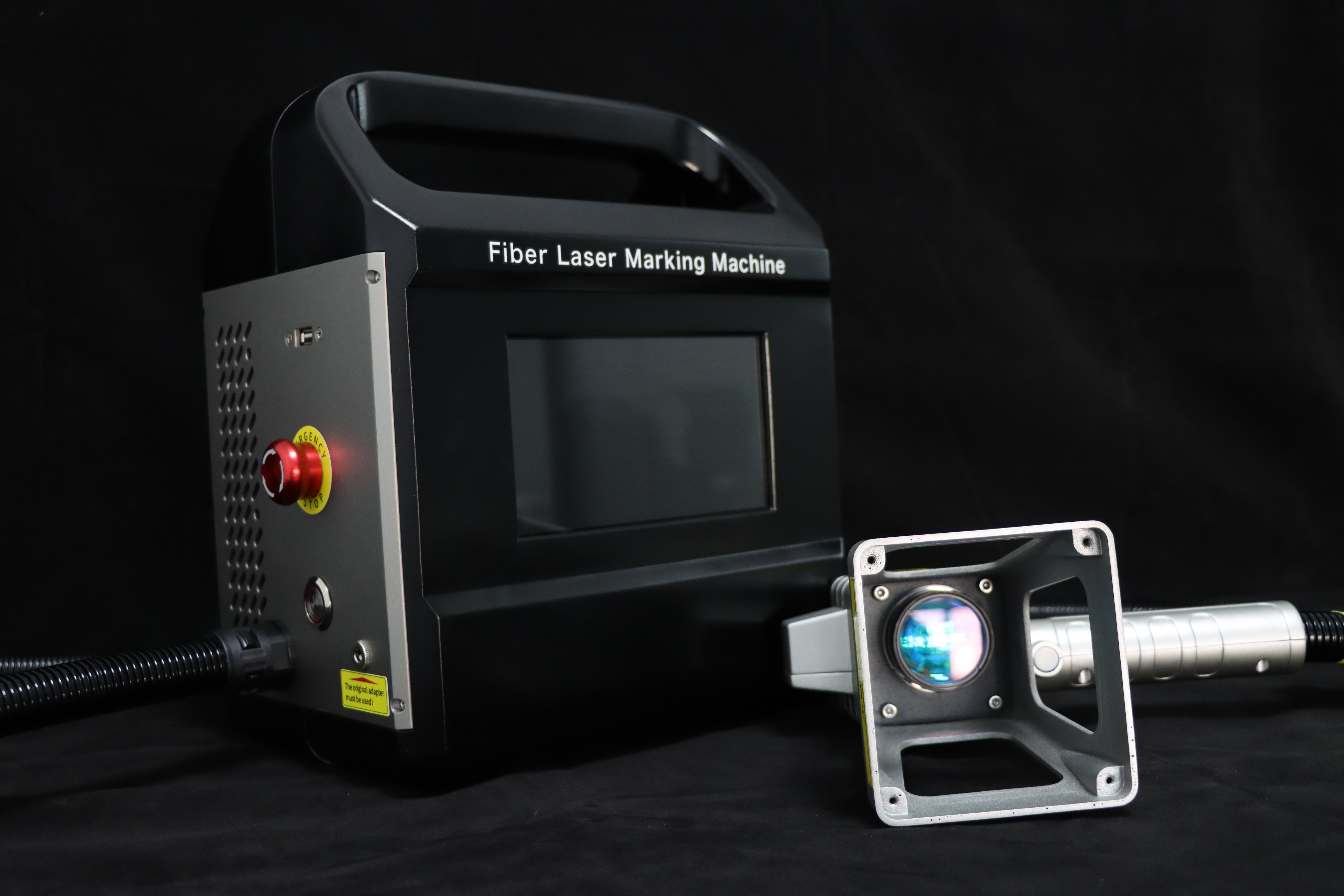
metal mark engraving
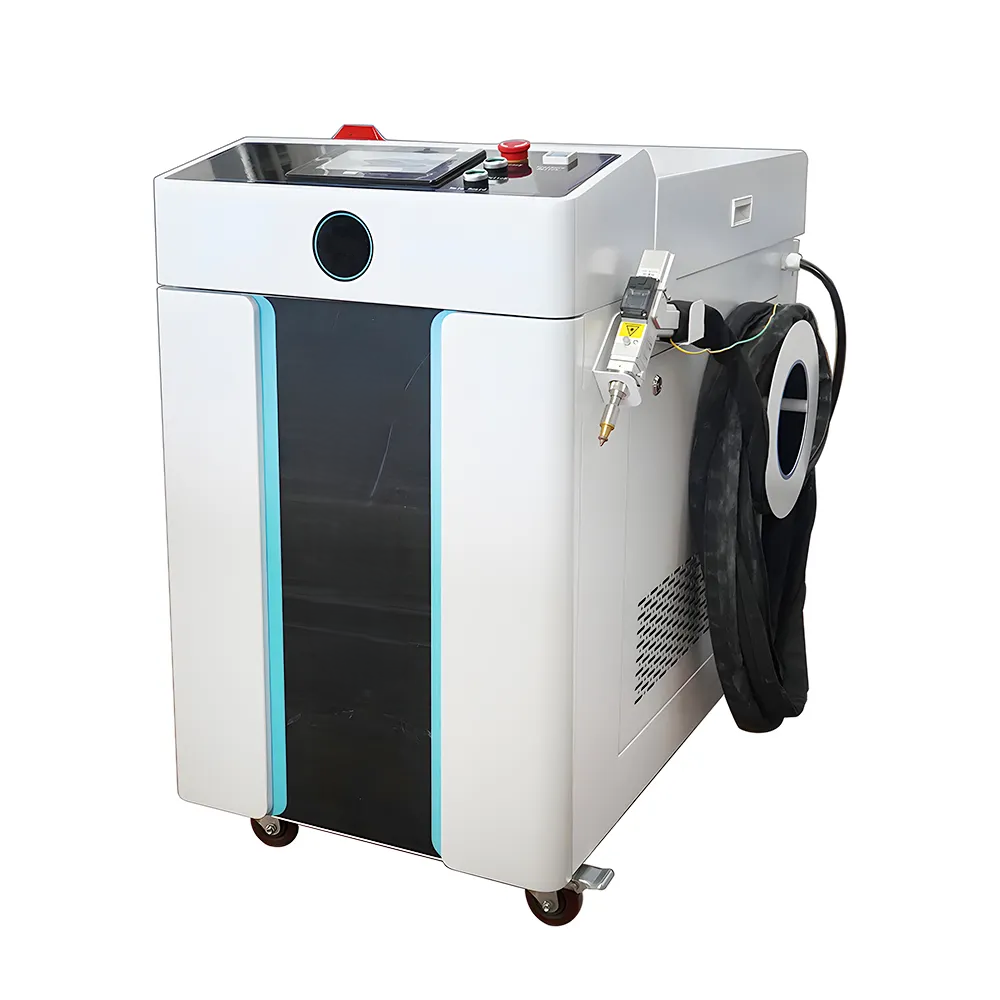
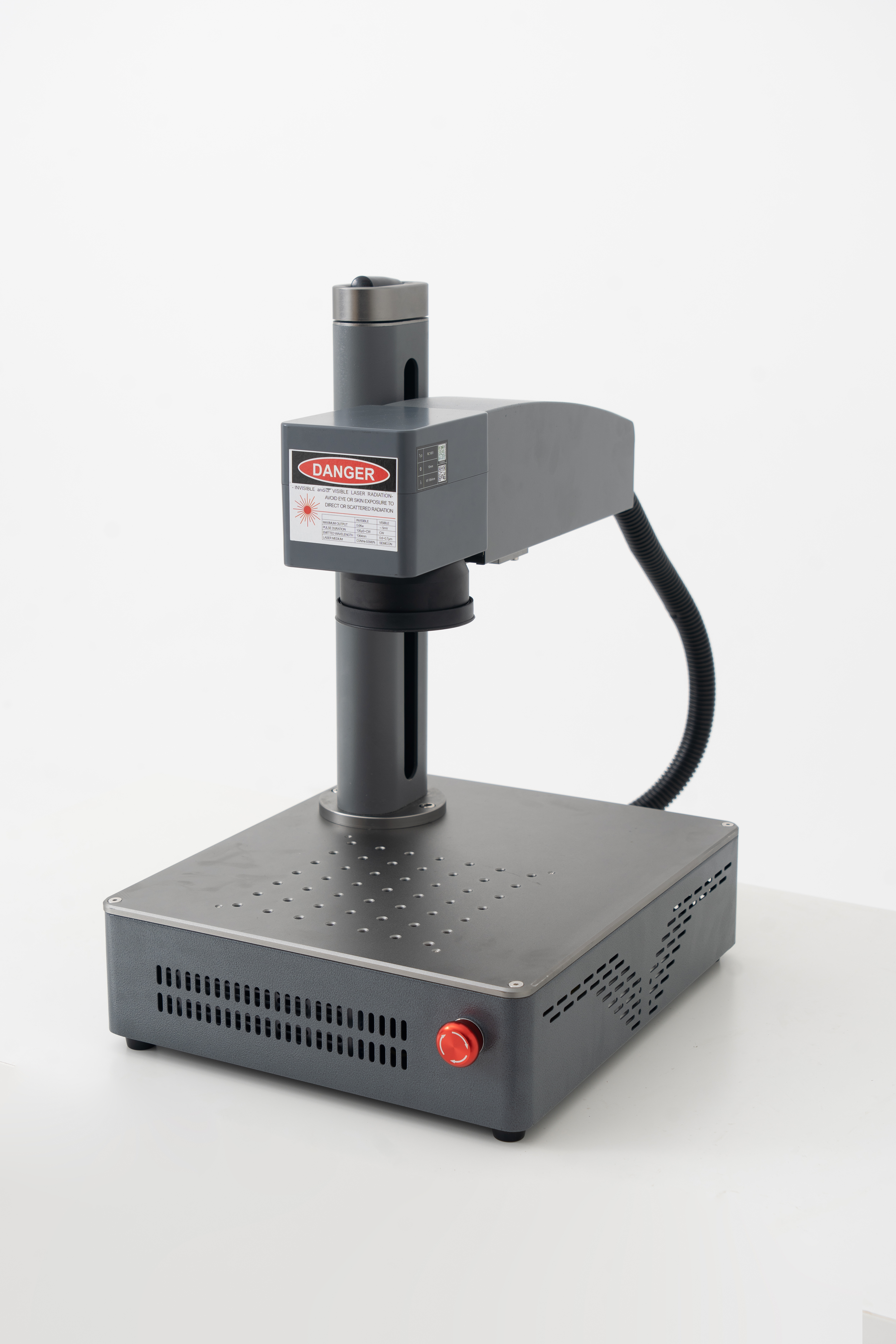
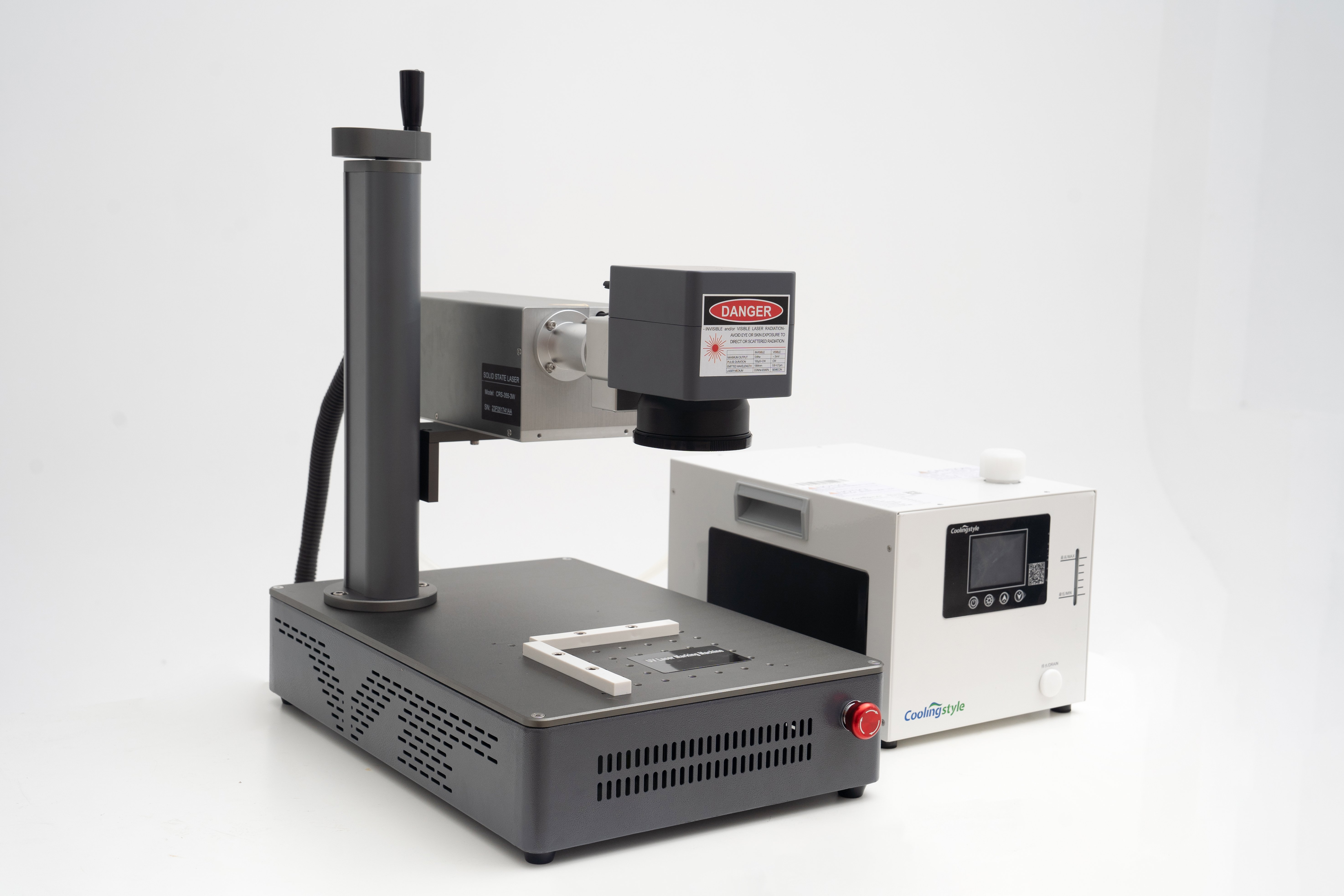
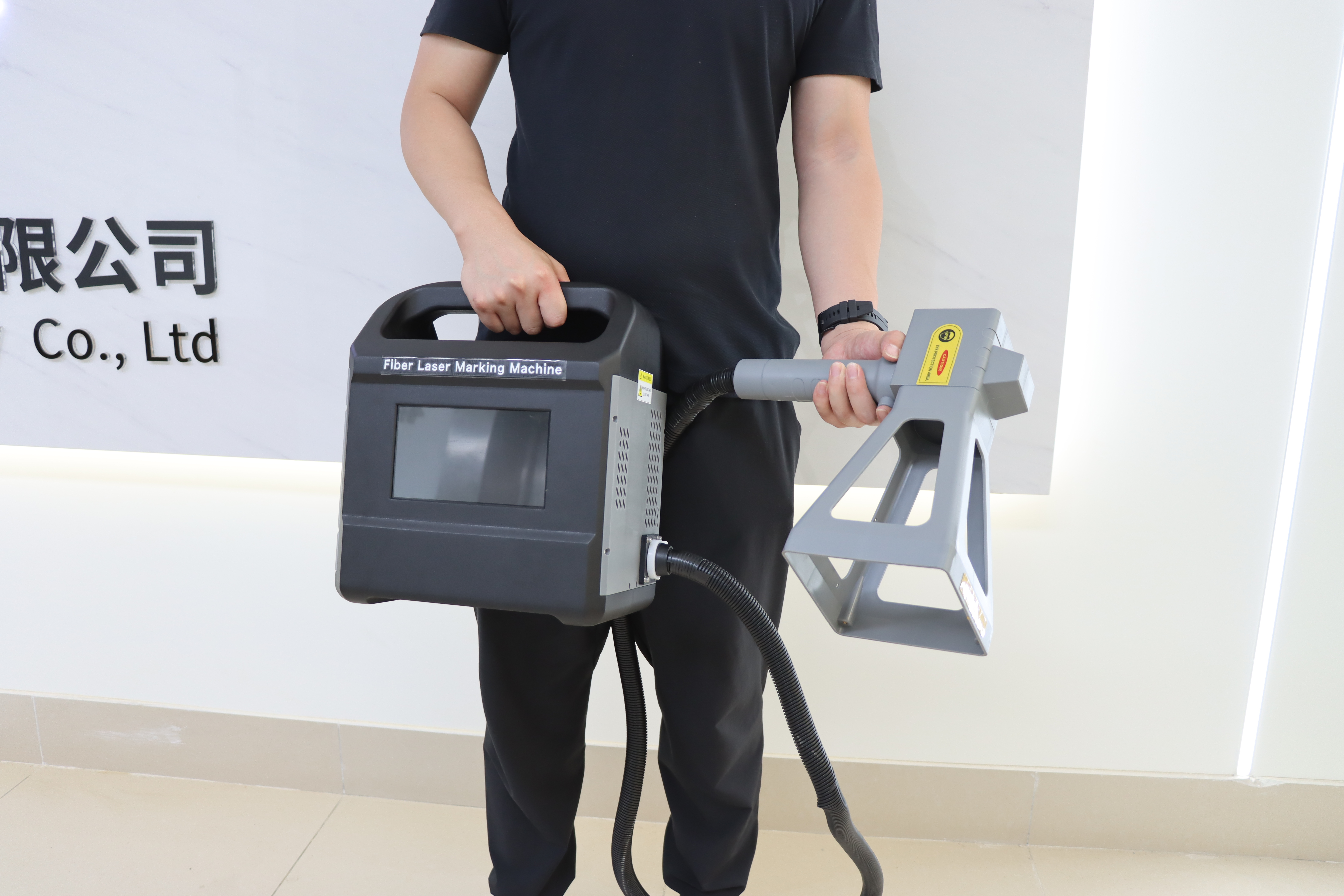
Metal mark engraving is a precision manufacturing process that creates permanent, high-contrast markings on various metal surfaces through advanced laser or mechanical techniques. This technology enables manufacturers, industrial fabricators, and businesses to apply text, logos, serial numbers, barcodes, and intricate designs directly onto metal components with exceptional accuracy and durability. Metal mark engraving utilizes focused energy or cutting tools to remove material or alter the surface layer, producing marks that withstand harsh environmental conditions, chemical exposure, and physical wear. The process accommodates diverse metals including stainless steel, aluminum, brass, copper, titanium, and hardened alloys, making it invaluable across automotive, aerospace, medical device, electronics, and jewelry industries. Modern metal mark engraving systems offer computer-controlled precision, ensuring consistent quality and repeatability for both prototype development and high-volume production runs. The technology supports various depth levels, from shallow surface marks to deep engravings, depending on application requirements. Metal mark engraving provides traceability solutions that comply with industry regulations and quality standards, enabling permanent identification that remains legible throughout a product's lifecycle. This versatile marking method delivers superior readability compared to traditional printing or labeling, as the marks become an integral part of the metal surface rather than an applied coating that may deteriorate over time. Whether for branding, part identification, compliance marking, or decorative purposes, metal mark engraving offers unmatched permanence and professional appearance that enhances product value and ensures long-term identification integrity across countless industrial and commercial applications.
 EN
EN
 AR
AR
 FR
FR
 DE
DE
 JA
JA
 KO
KO
 RU
RU
 ES
ES