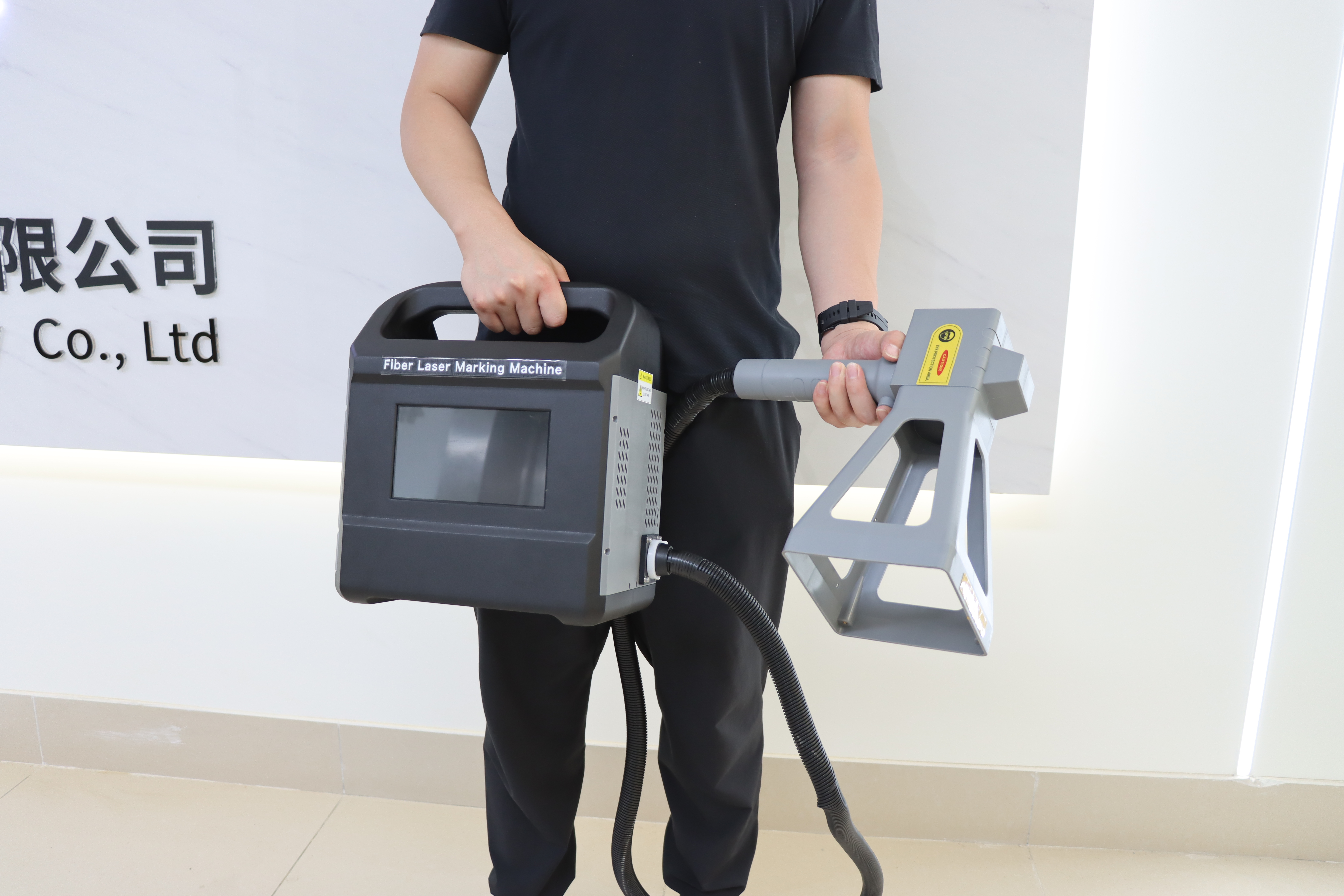
fiber laser engraving-0

Advanced Fiber Laser Engraving Solutions - Precision Marking Technology

Get a Free Quote

Our representative will contact you soon.
Email
Name
Company Name
Message
0/1000

fiber laser engraving

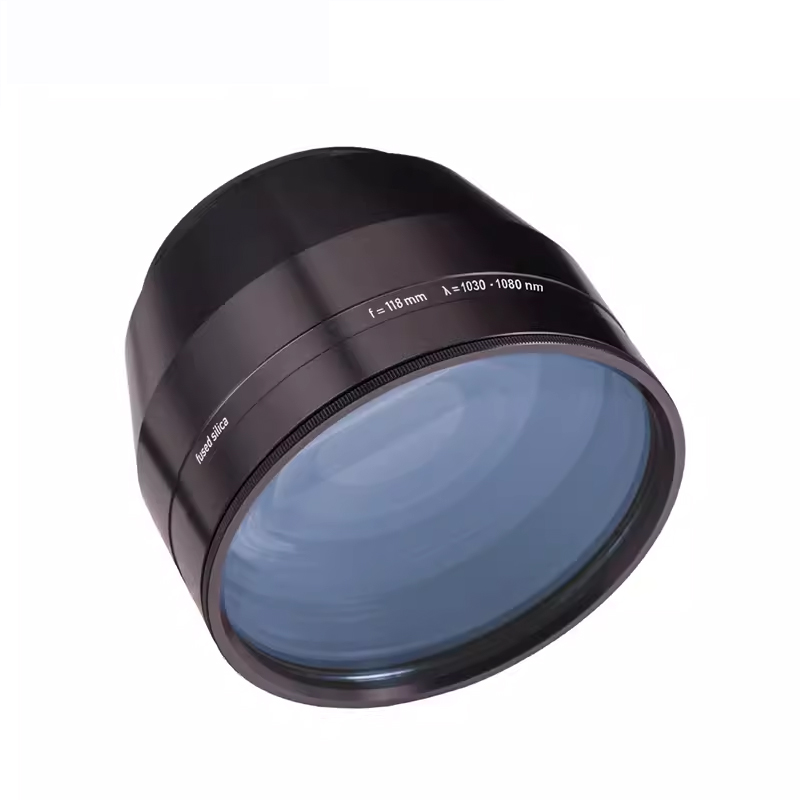
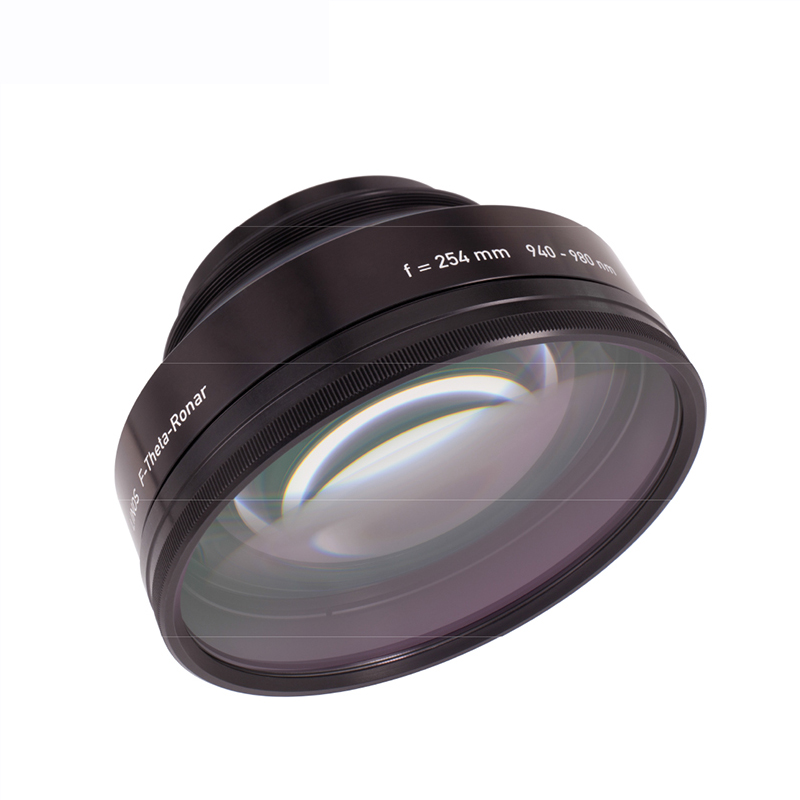
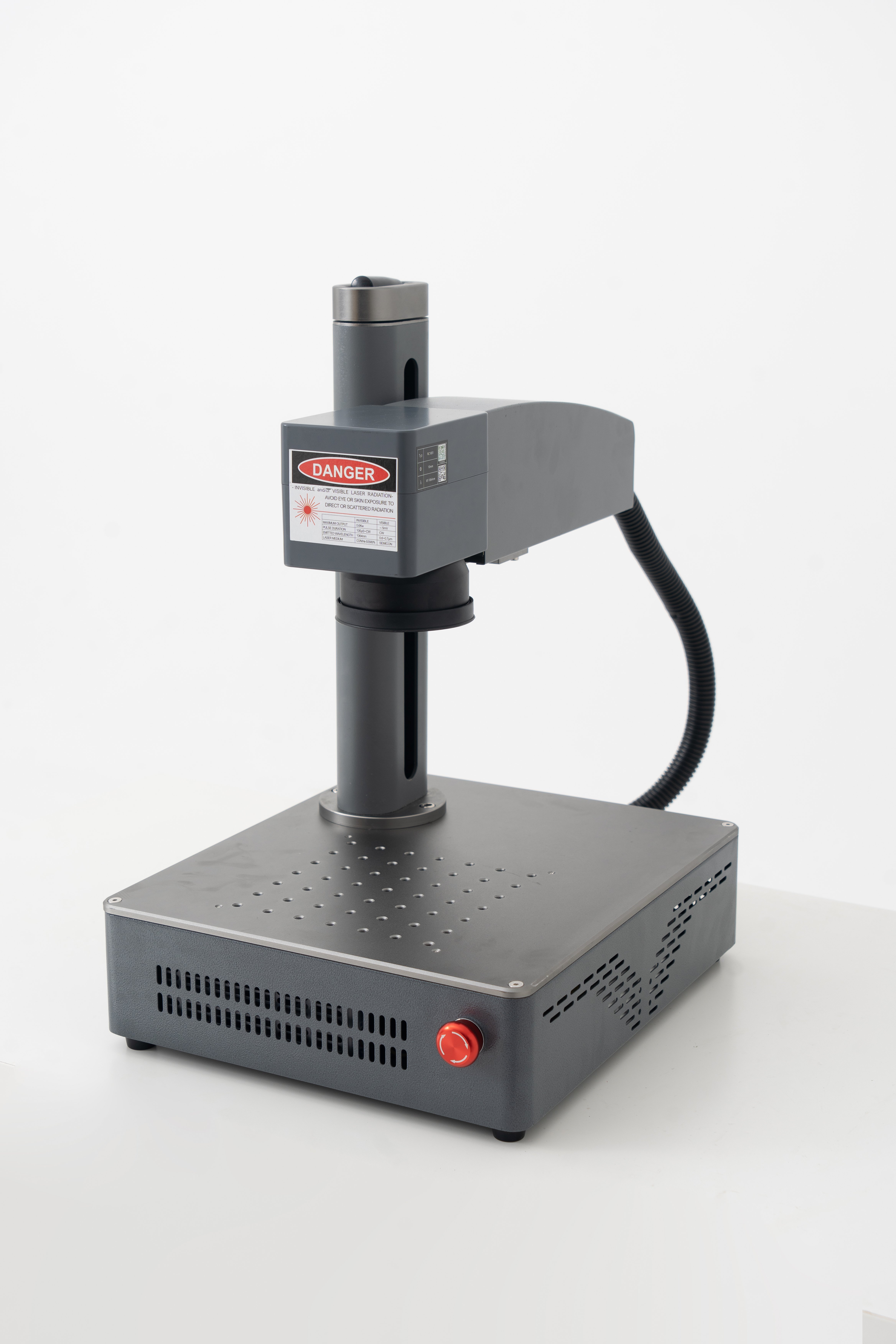
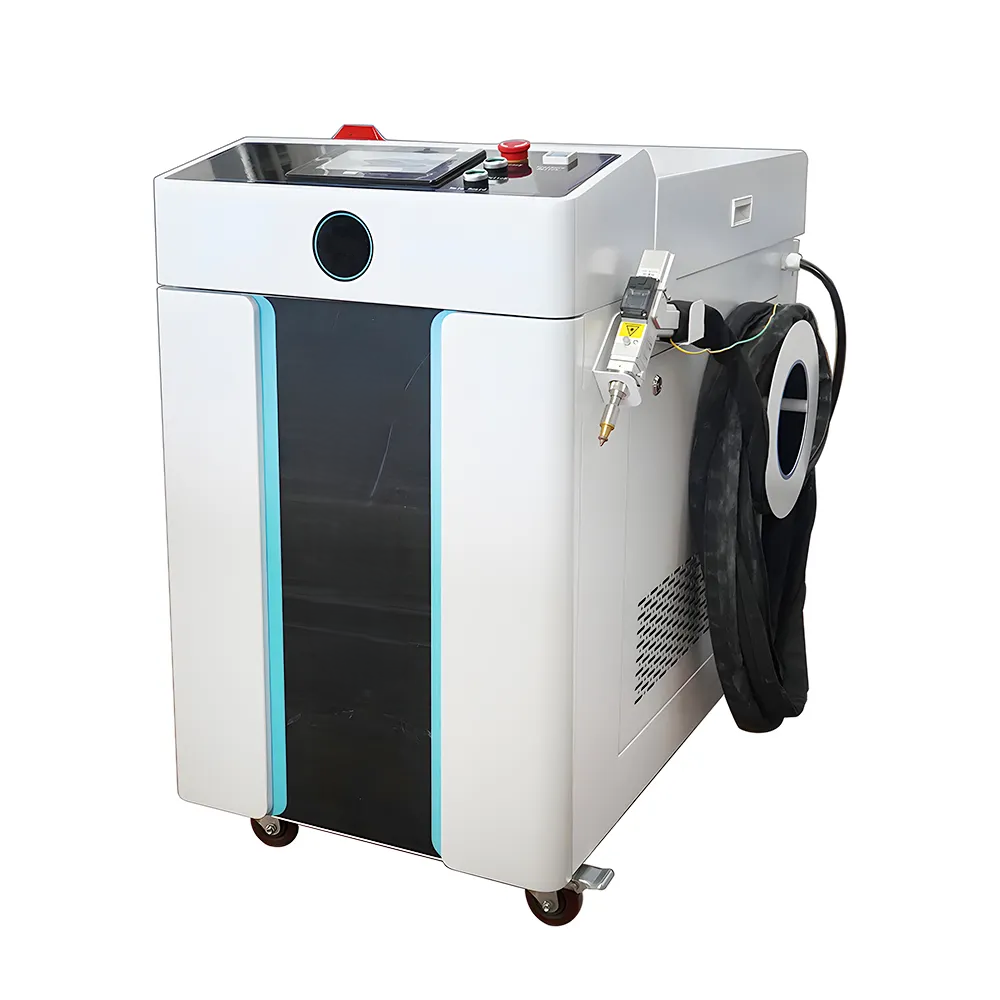
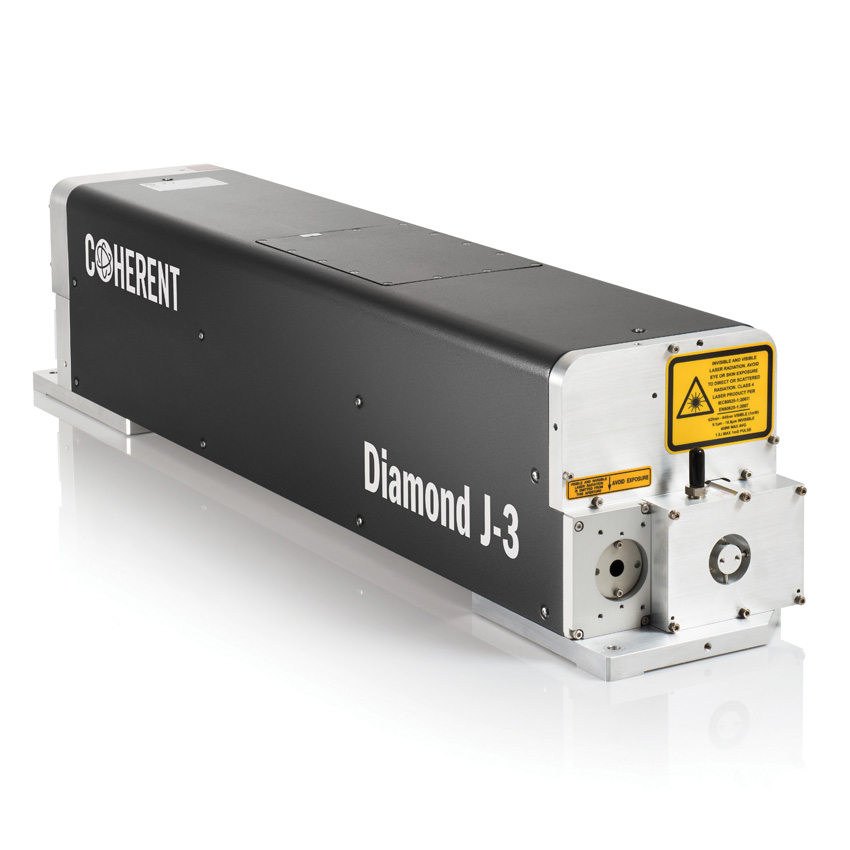
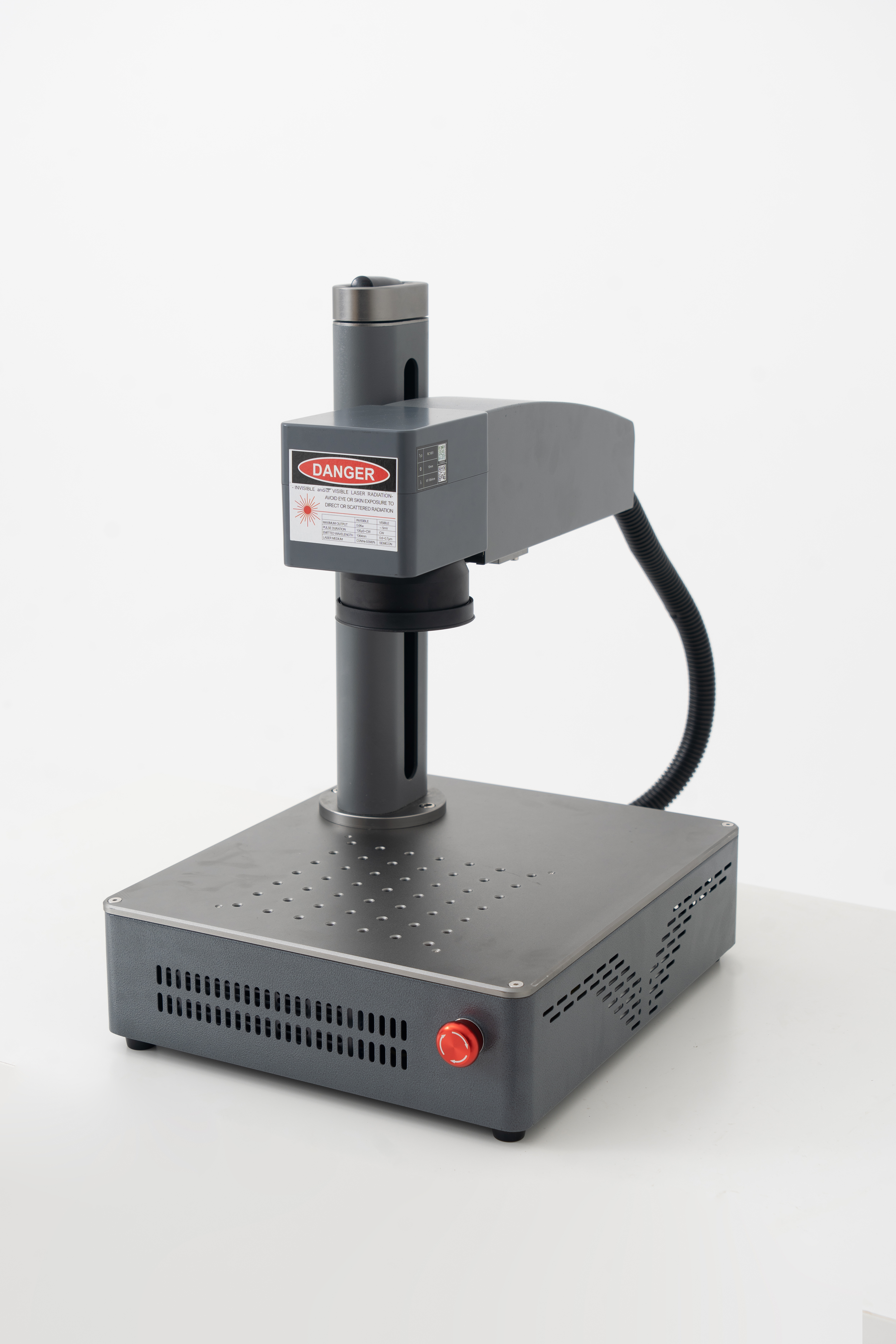
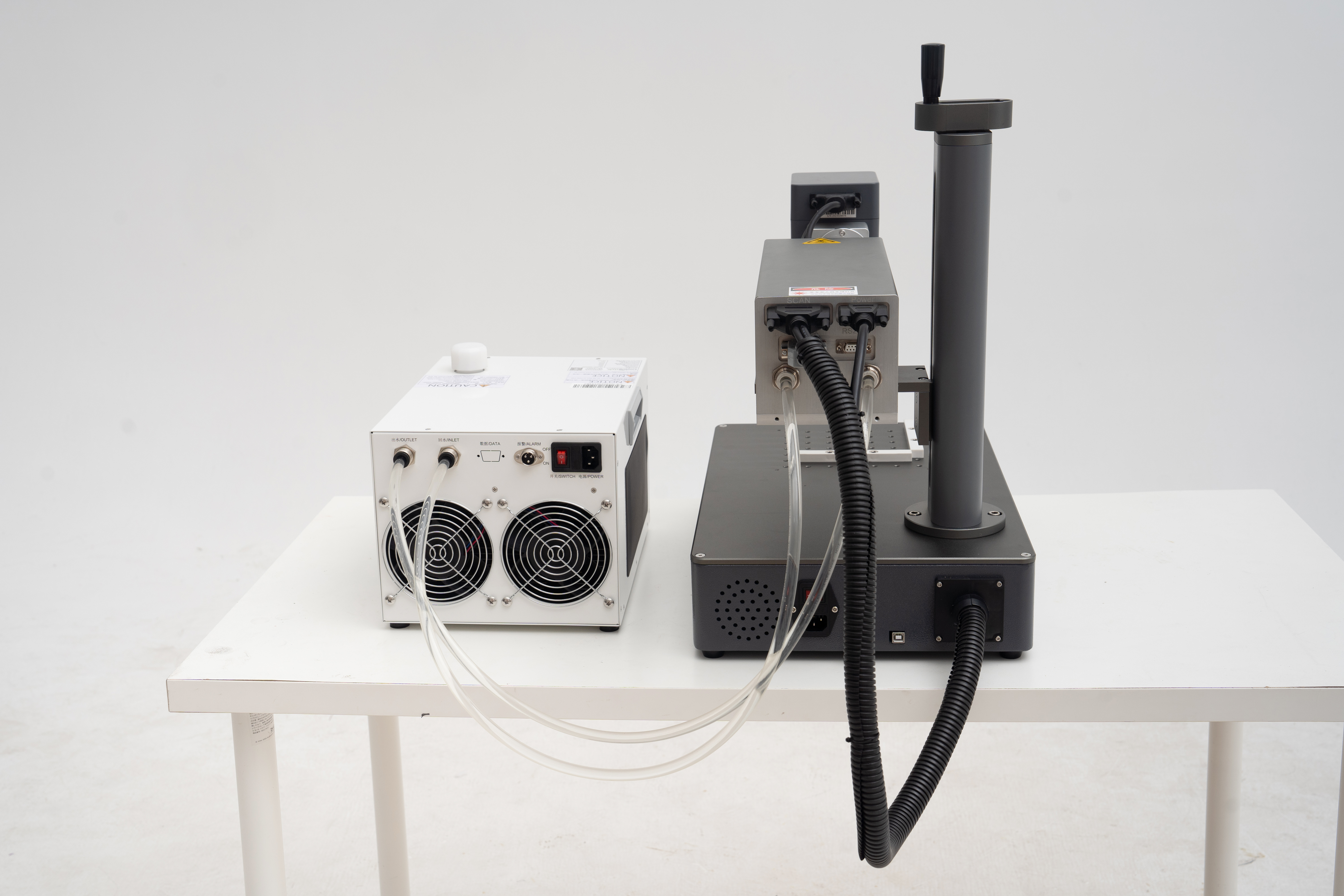
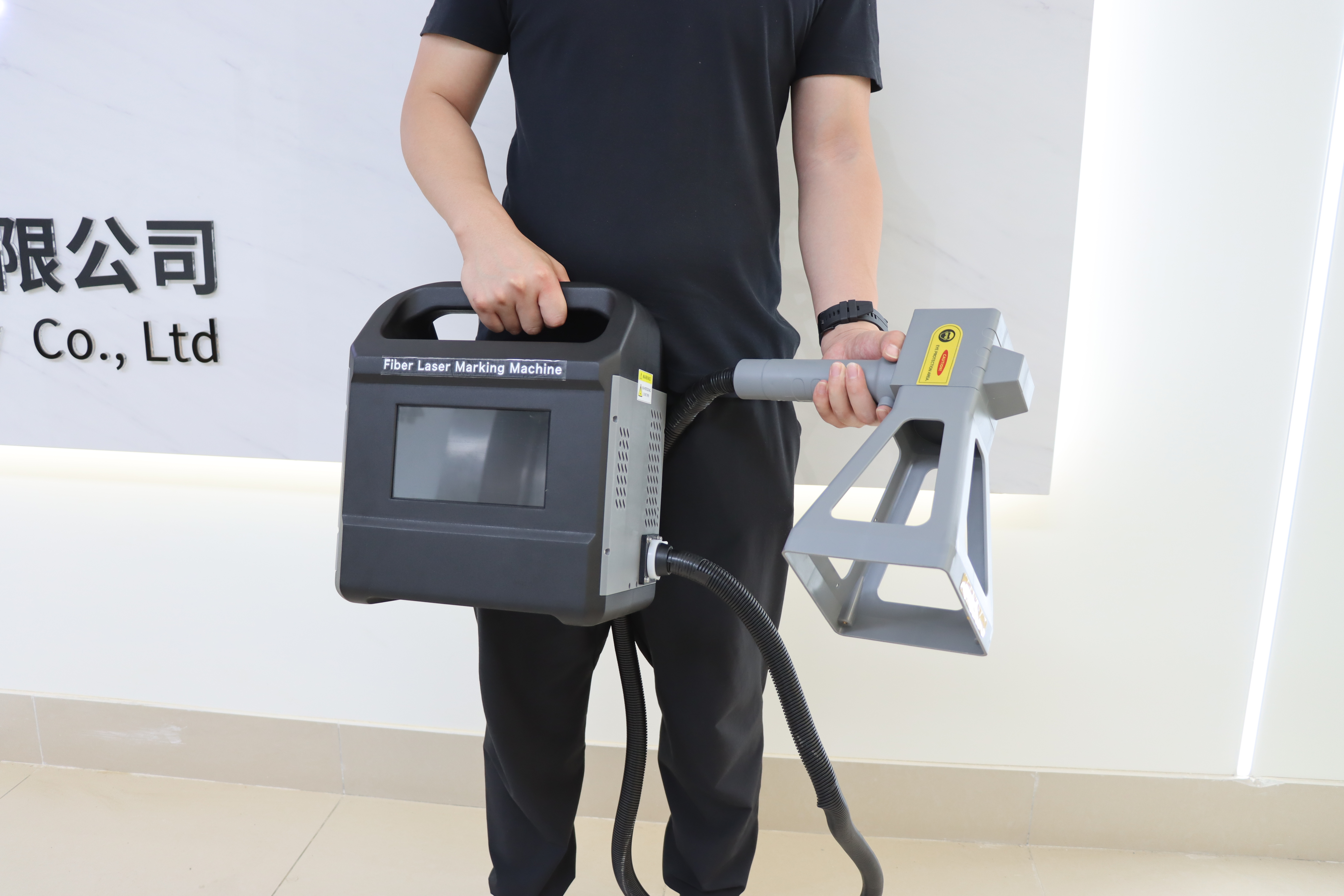
Fiber laser engraving represents a cutting-edge technology that harnesses the power of concentrated light beams to create precise markings, patterns, and designs on various materials. This advanced manufacturing process utilizes fiber optic cables to deliver highly focused laser energy, enabling users to achieve exceptional accuracy and consistency in their engraving projects. The main functions of fiber laser engraving encompass permanent marking, surface texturing, material removal, and intricate pattern creation across multiple substrates. The technology operates by generating an intense beam of coherent light through a fiber laser source, which gets directed through sophisticated optical systems to create controlled material interaction. The concentrated energy instantly vaporizes or melts surface material, leaving behind clean, permanent marks without physical contact between the engraving tool and workpiece. Key technological features include wavelength optimization typically around 1064 nanometers, exceptional beam quality with superior focusability, and remarkable energy efficiency compared to traditional laser systems. The pulse control capabilities allow operators to adjust marking depth, speed, and intensity with extraordinary precision. Modern fiber laser engraving systems incorporate computer numerical control interfaces, enabling automated operation and complex design reproduction. Applications span numerous industries including automotive component marking, medical device identification, jewelry customization, electronics labeling, promotional product personalization, and industrial part traceability. Manufacturing sectors rely on fiber laser engraving for creating serial numbers, barcodes, logos, and compliance markings on metal components, plastics, ceramics, and composite materials. The technology excels in producing microscopic details, fine text, intricate graphics, and three-dimensional surface effects. Aerospace companies utilize fiber laser engraving for critical component identification, while consumer electronics manufacturers depend on this technology for creating durable product markings that withstand harsh environmental conditions.

New Product Releases

Fiber laser engraving delivers numerous compelling advantages that make it the preferred choice for modern manufacturing and customization needs. The technology offers unmatched precision, allowing users to create markings as small as a few micrometers with consistent quality across production runs. This exceptional accuracy eliminates the variability often associated with traditional engraving methods, ensuring every piece meets exact specifications. Speed represents another significant benefit, as fiber laser engraving completes projects dramatically faster than mechanical alternatives. The non-contact process eliminates tool wear, reducing maintenance costs and eliminating the need for frequent equipment replacement. Users save substantial money on consumables since fiber laser engraving requires no cutting tools, drill bits, or chemical etching materials. The process generates minimal waste, making it environmentally friendly while reducing disposal costs. Versatility stands out as a major advantage, enabling users to work with metals, plastics, ceramics, glass, leather, wood, and many composite materials using the same equipment. The technology adapts easily to different material thicknesses and surface textures without requiring specialized tooling changes. Durability of markings exceeds expectations, with fiber laser engraving creating permanent marks that resist fading, scratching, and chemical exposure. These lasting results eliminate the need for remarking or touch-up work, saving time and resources. Automation capabilities streamline production workflows, allowing operators to program complex marking sequences and run unattended operations. The digital control system accepts various file formats, enabling seamless integration with existing design software and manufacturing systems. Energy efficiency reduces operational costs significantly compared to traditional laser technologies, consuming less power while delivering superior performance. The compact footprint of fiber laser engraving systems maximizes workshop space utilization, making the technology accessible to businesses of all sizes. Maintenance requirements remain minimal, with many systems operating thousands of hours between service intervals. The clean process produces no harmful chemicals or toxic fumes, creating safer working environments for operators. Quick setup times enable rapid job changeovers, increasing overall productivity and allowing businesses to handle diverse customer requirements efficiently.

Practical Tips

How does the maintenance of precision laser cutting machines impact their longevity and performance, and what are some tips for effective machine maintenance?

19

Nov

How does the maintenance of precision laser cutting machines impact their longevity and performance, and what are some tips for effective machine maintenance?

Precision laser cutting machines represent a significant investment for manufacturing facilities, and their proper maintenance directly correlates with operational efficiency, production quality, and equipment lifespan. These sophisticated systems re...
View More
How Does Scanlab Technology Improve the Precision of Laser Applications?

19

Nov

How Does Scanlab Technology Improve the Precision of Laser Applications?

Scanlab Technology represents a revolutionary advancement in laser precision control systems, fundamentally transforming how industries approach laser-based manufacturing and processing applications. This cutting-edge technology has established new b...
View More
How Does the Power Output of a Laser Source Affect Its Performance?

22

Sep

How Does the Power Output of a Laser Source Affect Its Performance?

Understanding the Critical Role of Power Output in Laser Applications The relationship between a laser source and its power output fundamentally shapes the capabilities and effectiveness of laser systems across countless applications. From industrial...
View More
Common Field Lens Problems and Solutions

21

Oct

Common Field Lens Problems and Solutions

Understanding the Complexities of Field Lens Performance Field lenses play a crucial role in optical systems, serving as vital components that help collect and direct light effectively. These specialized optical elements are designed to improve image...
View More

Get a Free Quote

Our representative will contact you soon.
Email
Name
Company Name
Message
0/1000

fiber laser engraving

Exceptional Precision and Quality Control

Exceptional Precision and Quality Control

Fiber laser engraving achieves remarkable precision levels that surpass traditional marking methods, delivering consistent, high-quality results across every application. The technology utilizes advanced beam shaping optics and precise focal control to create markings with tolerances measured in micrometers, enabling manufacturers to meet the strictest quality standards. This extraordinary accuracy stems from the fiber laser's inherent beam characteristics, which maintain exceptional stability and focusability throughout extended operation periods. The concentrated energy delivery ensures uniform depth control, producing markings that maintain consistent appearance regardless of material variations or surface conditions. Quality control becomes significantly easier with fiber laser engraving, as the digital control system eliminates human error variables that plague manual marking processes. Operators can program exact parameters for depth, speed, and power, ensuring identical results across thousands of parts without deviation. The non-contact nature of fiber laser engraving prevents workpiece distortion or damage that commonly occurs with mechanical marking methods, preserving the integrity of delicate components. Real-time monitoring capabilities allow immediate detection of any process variations, enabling instant corrections before defective parts are produced. The technology's ability to create intricate details, fine text, and complex geometric patterns with crisp edges and smooth surfaces makes it invaluable for applications requiring superior aesthetic appeal. Medical device manufacturers particularly benefit from this precision, as fiber laser engraving can create biocompatible markings that meet FDA requirements while maintaining the sterile properties of surgical instruments. Electronics companies rely on the technology's ability to mark tiny components without affecting their electrical properties or mechanical integrity. The consistent beam quality ensures that marking characteristics remain stable throughout the laser's operational lifetime, providing predictable results that support lean manufacturing principles and reduce quality inspection requirements.
Versatile Material Compatibility and Applications

Versatile Material Compatibility and Applications

Fiber laser engraving demonstrates exceptional versatility in material compatibility, making it a valuable investment for businesses working with diverse substrates and applications. The technology effectively processes metals including stainless steel, aluminum, titanium, brass, copper, and various alloys, creating permanent markings that withstand harsh industrial environments. Plastic materials respond excellently to fiber laser engraving, with the process creating clean, precise marks on polycarbonate, ABS, acrylic, polyethylene, and engineering polymers without causing thermal damage or stress cracking. The system adapts seamlessly to different material thicknesses, from thin films to substantial structural components, maintaining consistent quality across the entire range. Ceramic and glass substrates benefit from fiber laser engraving's controlled energy delivery, which creates smooth, chip-free markings without compromising material strength or optical properties. This versatility eliminates the need for multiple marking systems, reducing equipment costs and simplifying production workflows. The technology accommodates various surface finishes, from highly polished mirrors to rough-textured castings, adjusting parameters automatically to optimize marking quality for each specific condition. Composite materials, increasingly common in aerospace and automotive applications, respond well to fiber laser engraving's precise energy control, creating durable markings without delamination or fiber damage. The system handles both flat and curved surfaces effectively, using advanced focal control to maintain consistent marking quality across complex geometries. Color marking capabilities expand creative possibilities, allowing operators to produce marks in different shades and contrast levels on suitable materials. The process works equally well for surface marking, deep engraving, and material removal applications, providing flexibility to meet diverse customer requirements. Industry-specific applications benefit from this versatility, with jewelry makers creating intricate designs, automotive manufacturers marking safety-critical components, and electronics companies producing durable product identification. The technology's ability to process both conductive and non-conductive materials makes it particularly valuable for electronic component marking, where traditional electrical marking methods may cause damage.
Cost-Effective Operation and Maintenance

Cost-Effective Operation and Maintenance

Fiber laser engraving systems deliver outstanding cost-effectiveness through minimal operational expenses, reduced maintenance requirements, and exceptional system longevity. The technology eliminates consumable costs associated with traditional marking methods, as there are no cutting tools to replace, chemicals to replenish, or abrasive materials to purchase. This advantage translates to significant long-term savings, particularly for high-volume production environments where consumable costs can quickly accumulate. Energy efficiency represents a major cost-saving feature, with fiber laser engraving systems consuming substantially less power than alternative laser technologies while delivering superior performance. The solid-state design eliminates the need for gas refills, cooling system maintenance, and complex optical alignment procedures that plague traditional laser systems. Maintenance intervals extend far beyond conventional expectations, with many fiber laser engraving systems operating reliably for thousands of hours between service requirements. The robust construction and simplified optical path reduce component wear and eliminate many potential failure points, resulting in higher uptime and increased productivity. Labor costs decrease significantly due to the automated nature of fiber laser engraving operations, allowing single operators to manage multiple systems simultaneously. The quick setup and changeover capabilities enable rapid job transitions, maximizing equipment utilization and reducing idle time. Training requirements are minimal compared to traditional marking methods, as the intuitive software interfaces and automated parameter selection reduce the learning curve for new operators. The compact footprint optimizes facility utilization, eliminating the need for extensive floor space or specialized infrastructure modifications. Quality consistency reduces rework and scrap costs, as fiber laser engraving produces reliable results that meet specifications consistently. The technology's ability to create permanent, durable markings eliminates the need for protective coatings or secondary finishing processes, further reducing production costs. Return on investment calculations consistently favor fiber laser engraving due to the combination of low operational costs, high productivity, and exceptional reliability. Service support costs remain minimal due to the technology's inherent reliability and the widespread availability of qualified service technicians. The modular design enables cost-effective repairs and upgrades, extending system life and protecting the initial investment over many years of operation.

Get a Free Quote

Our representative will contact you soon.
Email
Name
Company Name
Message
0/1000