laser color marking stainless steel
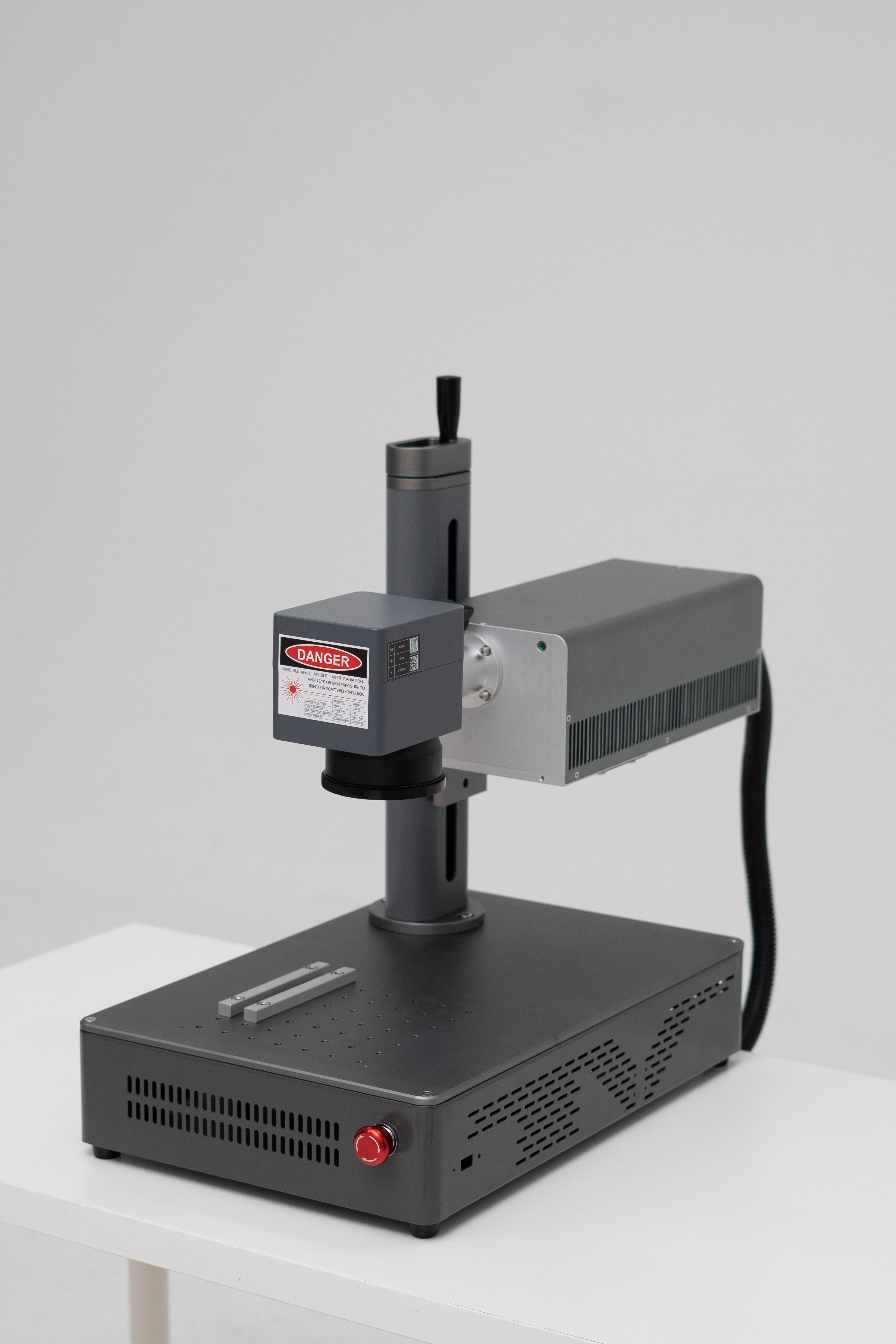
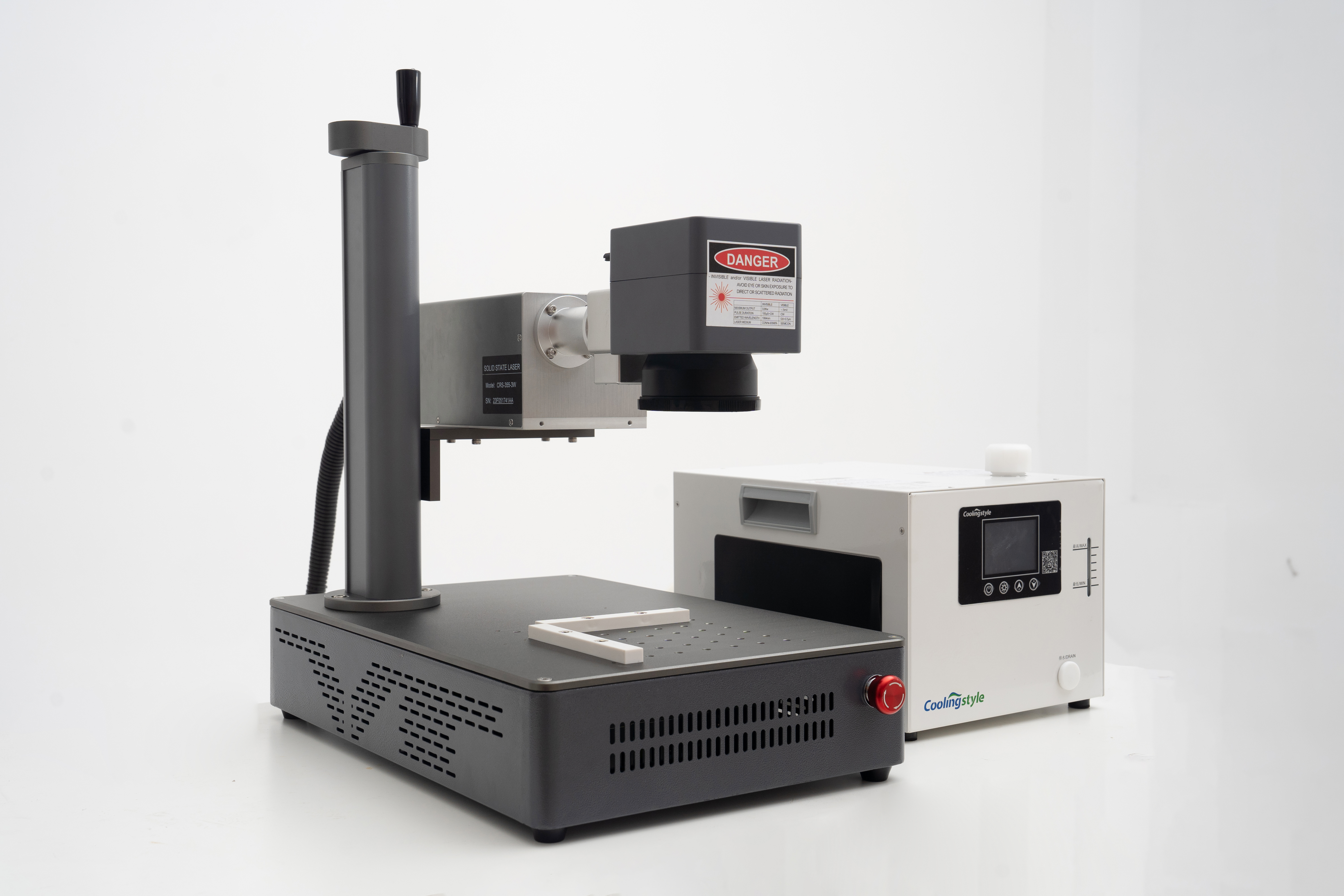
Laser color marking stainless steel is an advanced surface treatment technology that creates vibrant, permanent color patterns on stainless steel without using inks, dyes, or chemical additives. This innovative process utilizes precise laser energy to modify the oxide layer on the stainless steel surface, producing a spectrum of colors ranging from gold and blue to purple and green. The technology operates by carefully controlling laser parameters such as power, frequency, and speed to achieve specific color tones with exceptional accuracy. Unlike traditional marking methods, laser color marking stainless steel preserves the material's structural integrity and corrosion resistance while delivering stunning visual effects. The process is non-contact, which eliminates tool wear and ensures consistent quality across production runs. Industries worldwide adopt this technology for product branding, decorative applications, and functional identification purposes. The method works effectively on various stainless steel grades, including 304, 316, and 430 series, making it versatile for diverse manufacturing requirements. Laser color marking stainless steel offers environmentally friendly operation with zero chemical waste and minimal energy consumption. The marked colors remain stable under normal environmental conditions, resisting fading from UV exposure and maintaining their appearance throughout the product lifecycle. This technology enables manufacturers to create complex designs, gradients, and photographic images with remarkable detail and precision, opening new possibilities for product differentiation and aesthetic enhancement in competitive markets.
 EN
EN
 AR
AR
 FR
FR
 DE
DE
 JA
JA
 KO
KO
 RU
RU
 ES
ES